Photograph #27
Name/Title
Photograph #27Description
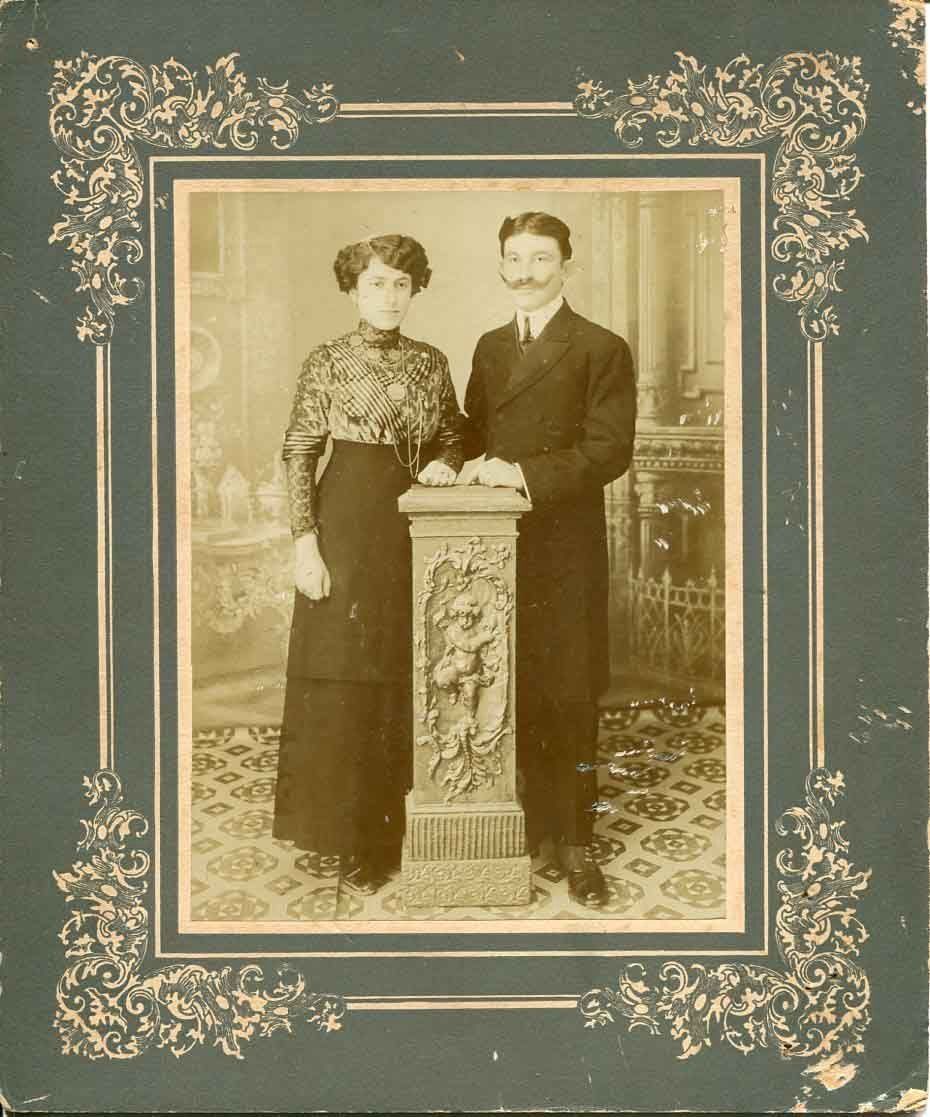
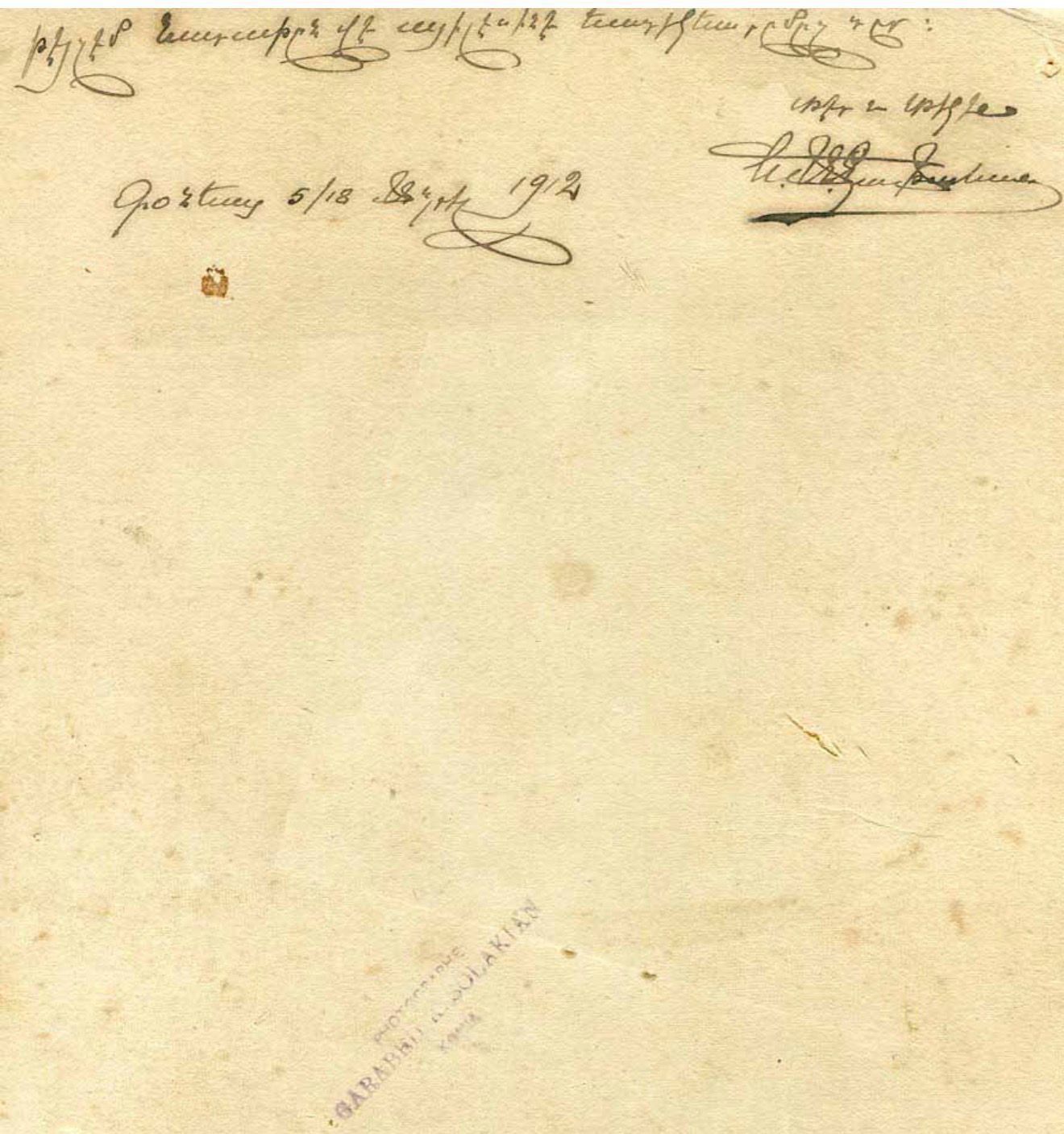
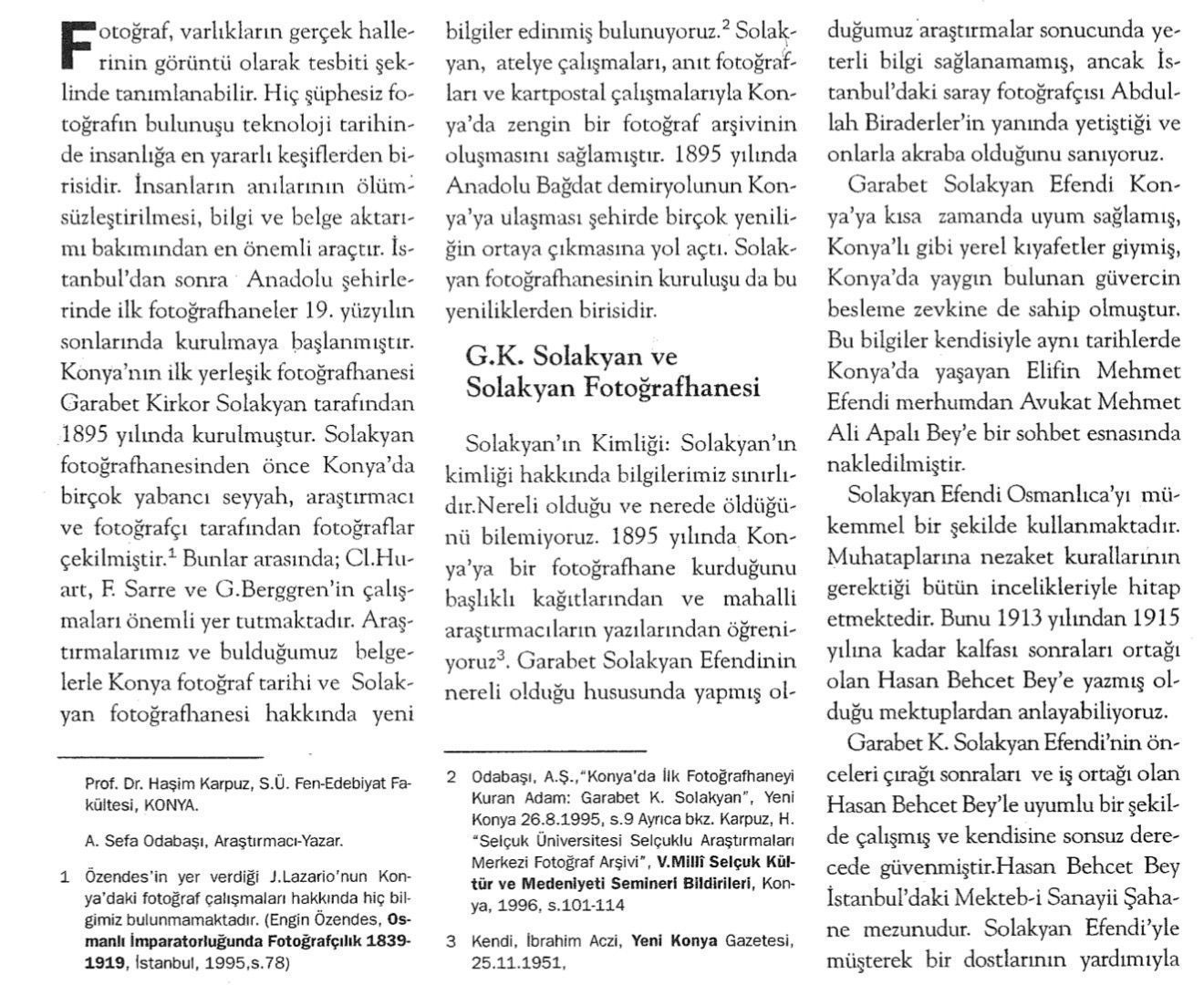
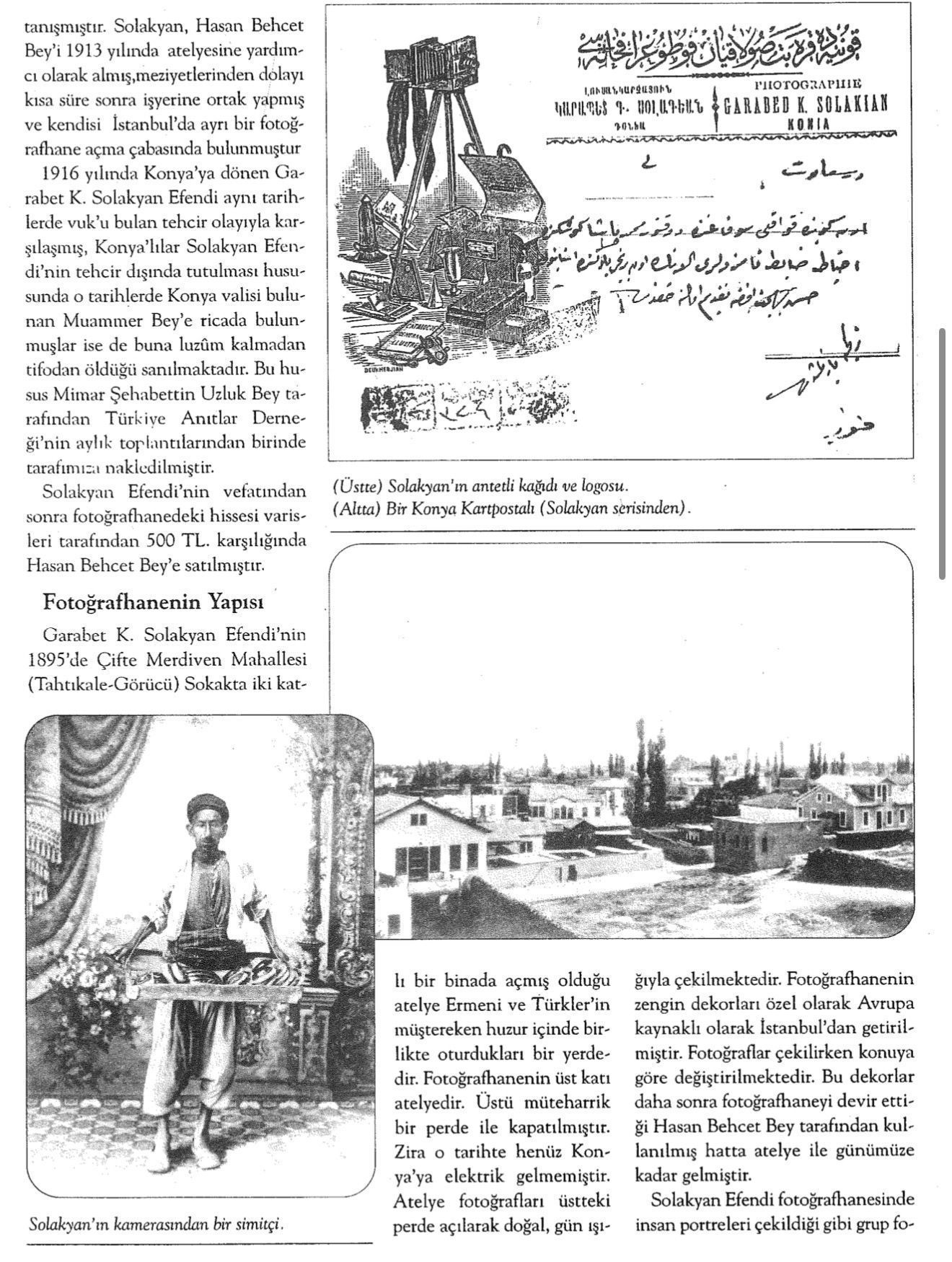
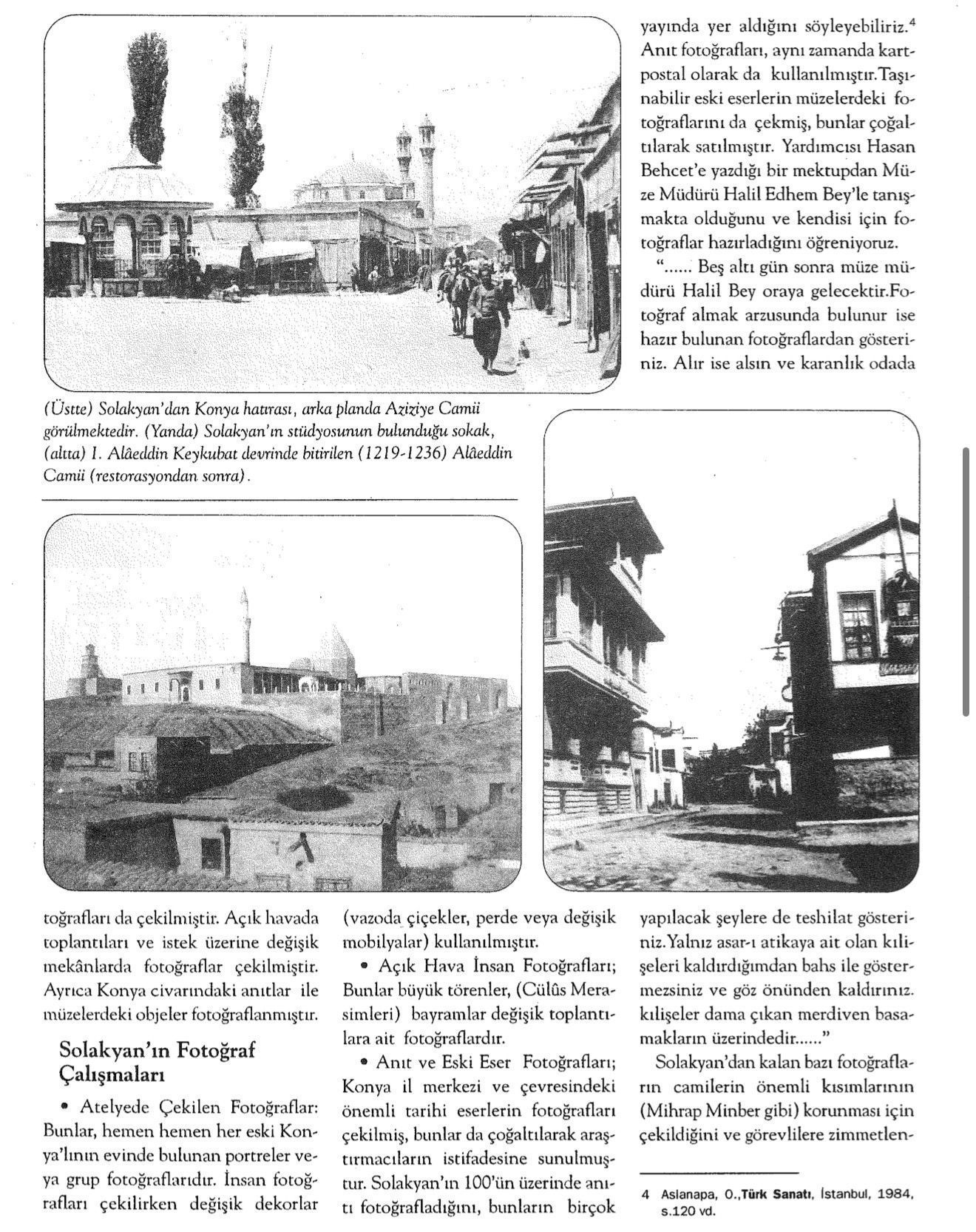
The earliest known permanent studio in Konya was founded in 1895 by Garabet Kirkor Solakyan. Prior to Solakyan’s arrival, the city had been photographed by several foreign travelers and researchers, including Cl. Huart, F. Sarre, and G. Berggren, whose work constitutes an important early visual record of Konya. Documentary evidence uncovered through recent research indicates that Solakyan’s studio, photographic output, and later postcard production contributed substantially to the formation of a visual archive of the city. The opening of the studio coincided with the arrival of the Anatolia–Baghdad Railway in 1895, a development that introduced numerous innovations to Konya. The biographical details of Garabet Solakyan remain only partially known. Neither his place of birth nor his date and place of death are documented with certainty. Contemporary references indicate that he was active in Konya by 1895 and established his studio near Alâeddin Hill, on today’s Vali İzzet Bey Street, in Görücü Sokak. He had two assistants—Hasan Behçet Bey and Agop Bey. Oral testimony suggests that he adapted quickly to local life, adopting regional dress and participating in popular pastimes such as pigeon keeping. Surviving correspondence written between 1913 and 1915 to his assistant and later business partner Hasan Behcet Bey demonstrates his fluent command of Ottoman Turkish and adherence to refined epistolary etiquette. Solakyan worked closely with Hasan Behcet Bey, a graduate of the Imperial School of Industry in Istanbul, whom he hired as an apprentice in 1913 and soon afterward made a partner. He later attempted to establish a second studio in Istanbul. When he returned to Konya in 1916, he was affected by the mass deportations of Armenians during the First World War. Although local residents—who held him in high regard—reportedly appealed to the provincial governor, Muammer Bey, for his exemption, accounts differ on his fate: one tradition holds that he died shortly afterward in Konya due to illness, while another states that he may have left through forced deportation. According to minutes recorded by architect Şehabettin Uzluk at a meeting of the Turkish Monuments Association, Solakyan’s heirs sold his share of the studio to Hasan Behçet Bey for 500 liras. Solakyan’s clientele included the city’s upper and middle classes, as well as foreign tourists who purchased individual photographs or complete albums depicting the historically rich urban fabric and its many architectural monuments. An album of this kind by Solakyan is now held at the Getty Research Institute. It presents Konya’s major architectural landmarks, along with ancient and medieval artworks housed in the city’s mosques and museum. This collection of archaeological photographs is unique, conveying the most extensive and detailed visual record of Konya in the history of Ottoman photography. Unlike similar works by the Abdullah Frères or Mihran Iranian, Solakyan emphasized the archaeological and artistic qualities of the monuments, avoiding environmental context and effectively transforming the city into a “virtual museum”: a space devoid of modernity, where structures appear suspended in time. This “museum-like” quality was not purely academic. In the 1900s, Solakyan republished portions of this material as souvenir postcards, which enjoyed considerable popularity in the early twentieth century. Solakyan’s studio, located in the Çifte Merdiven quarter (Tahtakale–Görücü Street), operated in a two-story building where Armenians and Turks lived side by side. The upper floor housed a glass-roofed photographic atelier with movable ceiling curtains that regulated daylight, as electricity had not yet reached Konya. The studio employed elaborate imported backdrops sourced from Europe through Istanbul, changing them according to the subject being photographed. European-style furniture and patterned draperies formed part of the standard décor, and the most modern photographic equipment available at the time was used. Many of these props continued to be used after the studio passed to Hasan Behçet Bey, some reportedly surviving well into the modern era. The studio produced both individual portraits and group photographs, shaping the development of Konya’s photographic culture at the turn of the twentieth century. Teyzem Naratn? ve ailesine yadigârımızdır Konya 5/18 April 1912 Mr. and Mrs. A. N. Najarian? (signature)Photograph Details
Type of Photograph
Cabinet CardSubject Place
* Untyped Subject Place
KonyaCategory
Photographs