Note Type
General NoteNote
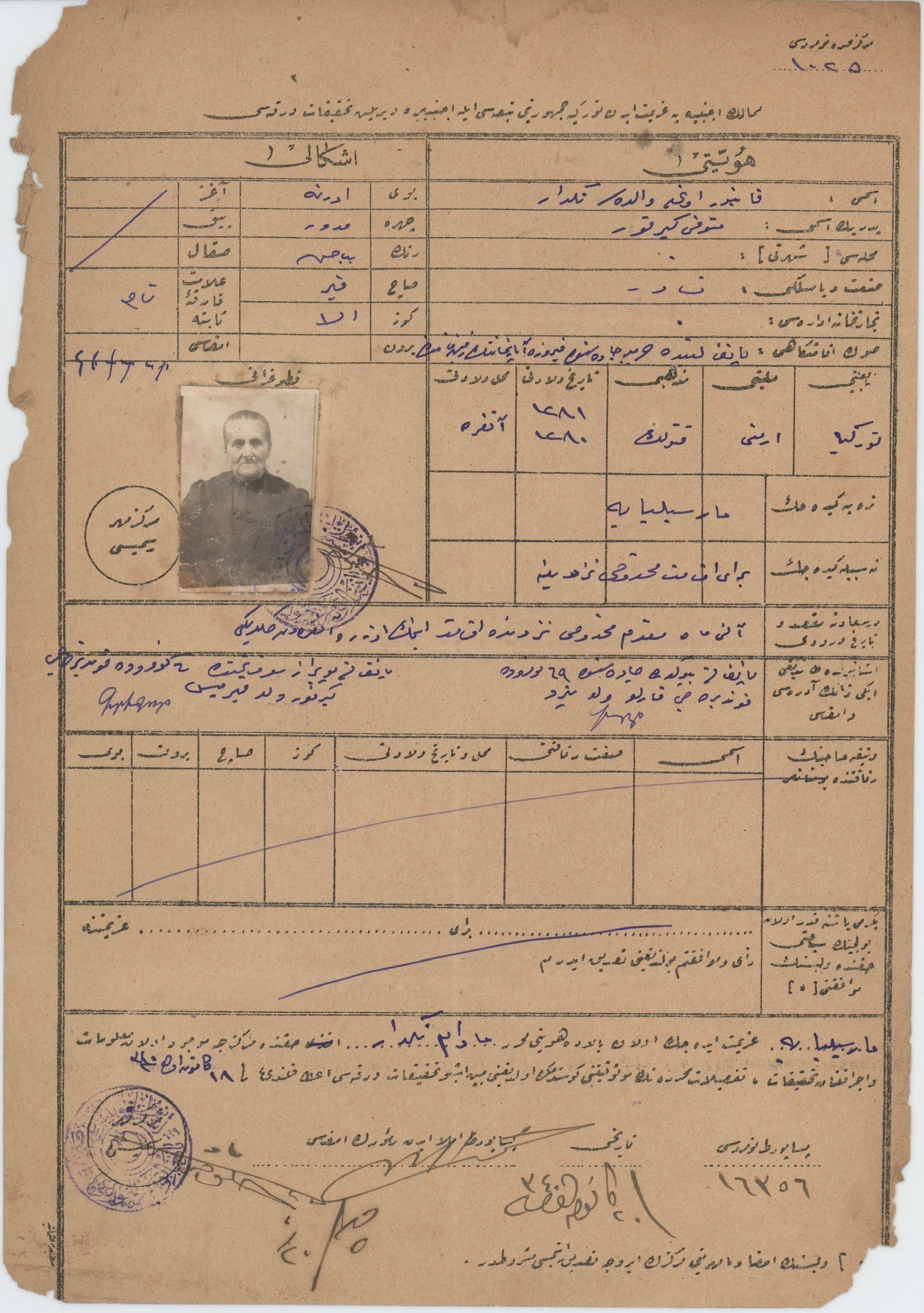
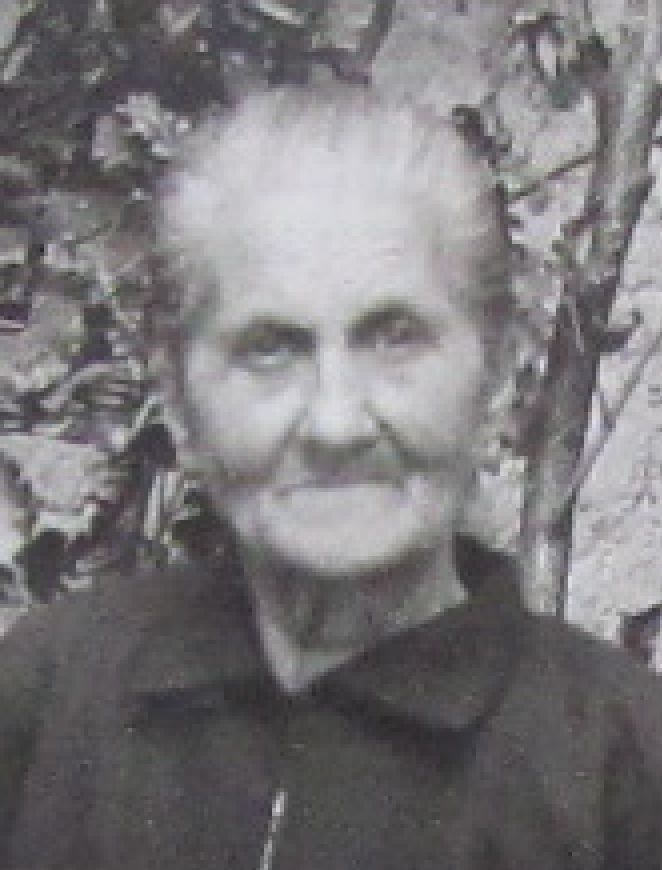
One of Nektar’s descendants, Nicolas, has been located. He mentioned that her husband likely died, possibly during the genocide.
The Kambourian family, also written as Kamburyan, Kamburian, Cambourian, or Camburian, is an Armenian Catholic lineage originally from Ankara. The family’s name, according to one interpretation, derives from a Turkish root meaning “son of a hunchback,” though the term may also have had a figurative sense connected with physical labor, perhaps referring to a shoemaker whose back was bent from work. Variants of the name—Kambouriam, Kabourian, Kamburoglu, Kamburis, Kamburian, and others—were recorded among Armenian communities across the Ottoman Empire.
The branch described traces its roots to the Armenian Catholic community of Angora. By 1891, the city had more than six thousand Armenians among its twenty thousand inhabitants, most of whom were engaged in commerce and artisan trades. Names such as Cambourian or Kambourian appear in an 1891 commercial directory, the Annuaire Oriental Cervati, among the merchants of Angora. The family belonged to this milieu of Armenian Catholics who had been integrated into the economic life of the city since at least the late nineteenth century.
The central ancestral couple identified in the records is Krikor Kambourian, sometimes spelled Kambour, who married Eugénie Kouyoumdjian on 11 June 1914 at the Armenian Catholic cathedral of Angora. The ceremony was celebrated by Bishop Grégoire Bahabanian, a leading cleric of the local Armenian Catholic community. In his later writings, Bishop Bahabanian mentioned Krikor Kambour in connection with the deportations that struck the Armenian population during the genocide of 1915, suggesting that members of the family were among those uprooted from Angora during that period.
After 1915, and particularly around 1917, surviving members of the family moved from Angora to Constantinople. A decade later, in 1925, they emigrated to France aboard the ship Monte Negro. They disembarked at Marseille and then traveled by train to the Ardèche region—specifically to the towns of Aubenas and Pont-d’Ucel—where they found employment in the silk mills of Louis Tourette. Like many Armenians resettled in France, they were absorbed into the textile industry, living first in Ucel, later in Saint-Privat, and eventually in Saint-Pierre-sous-Aubenas. Other members of the extended family took different routes, one branch sailing from Cherbourg to Argentina.
The family tree assembled by genealogist Nicolas Cambourian includes several related surnames—Kouyoumdjian (also Couyoumdjian), Pirimian, Bandikian, and Zobhoglou—and first names typical of Armenian Catholic usage: Boghos (Paul), Andon (Antoine), Vicen (Victor), Hovsep (Joseph), Hohvannes (Jean), and Harutyun (Artin). A separate account provided by Vahe Kambourian recounts another branch of the same lineage from Erzincan: his great-grandfather Boghos and his wife Keghetsig survived the massacres and passed through Bursa and Greece before resettling in Lebanon, showing how the family fragmented and re-established itself across different parts of the diaspora.
The Kambourian story reflects the broader trajectory of Armenian Catholic families from central Anatolia—prosperous in trade and craftsmanship in the Ottoman period, devastated by the deportations and killings of 1915, then scattered between Constantinople, the Middle East, Europe, and South America. In France, the descendants of Krikor and Eugénie Kambourian became part of the industrial and social fabric of Ardèche, while other branches built new lives abroad. The name, in its many spellings, remains a trace of that movement from the Armenian heartlands of Angora and Erzincan to the wider world.