Copper Tray With Lid (Hagop Patanian)
Name/Title
Copper Tray With Lid (Hagop Patanian)Description
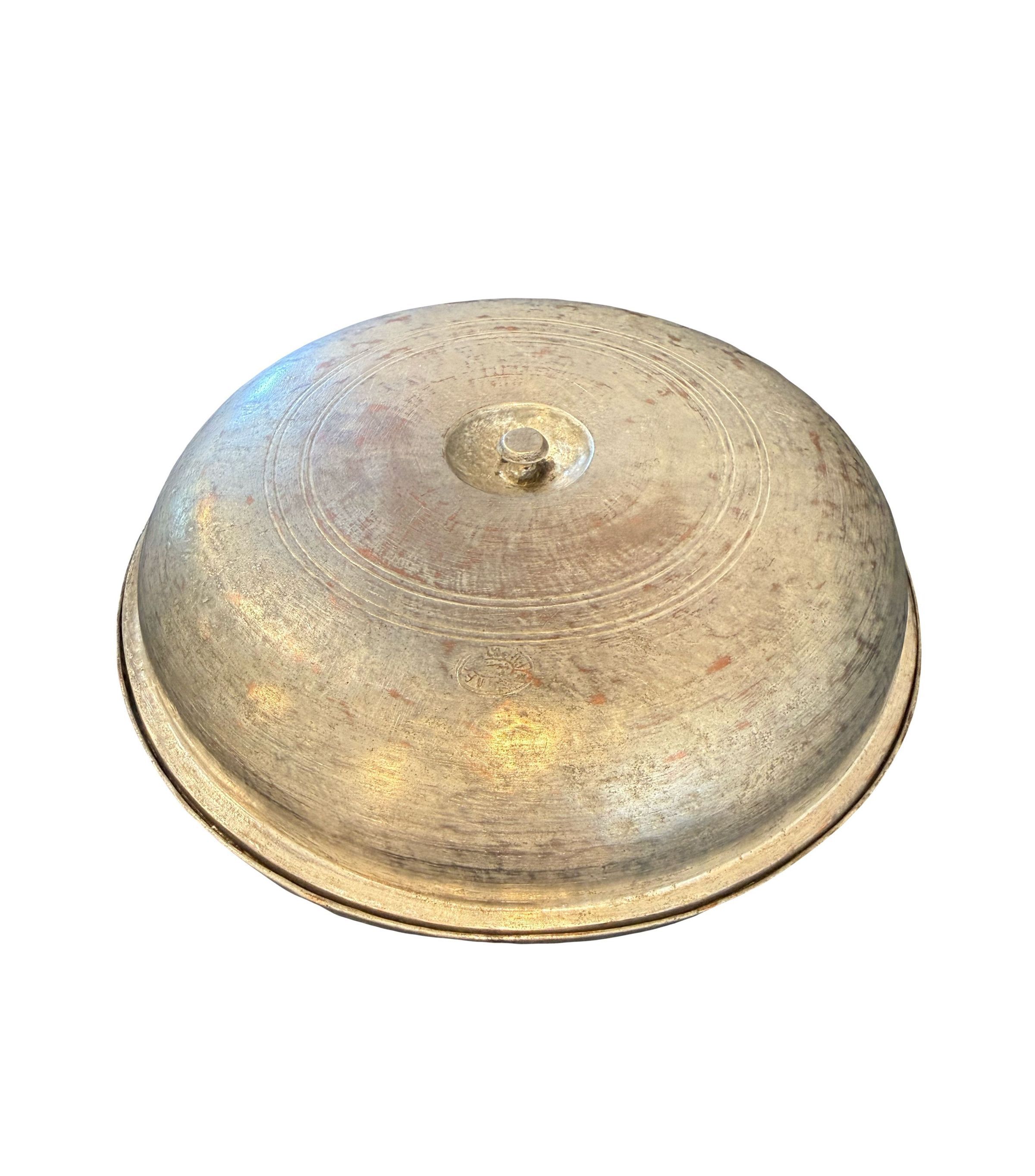
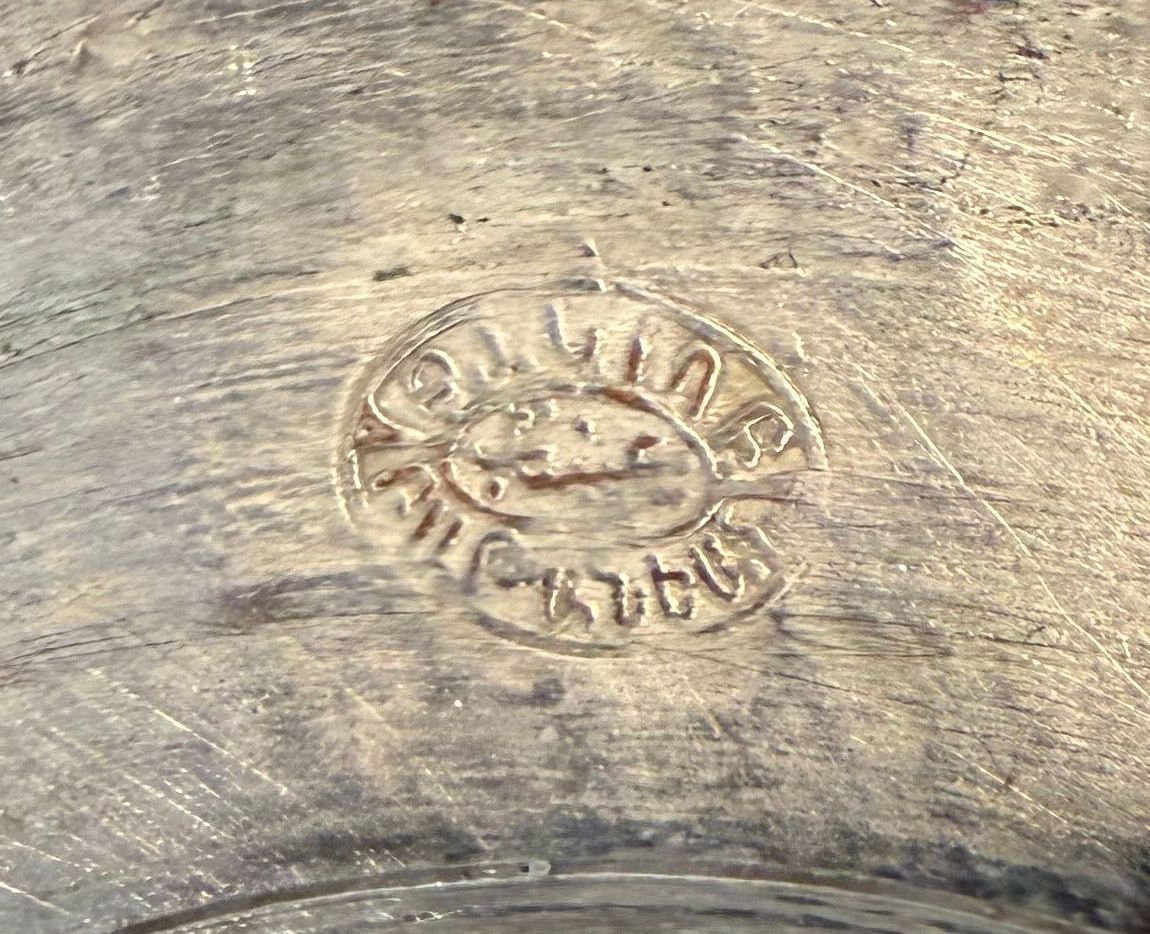
The sahan is a traditional tinned copper cookware and serving vessel produced throughout the Ottoman Empire from the eighteenth through the early twentieth centuries. It features a shallow, wide-bottomed profile designed for direct-fire cooking and immediate table service. The vessel is equipped with a high-domed lid featuring concentric structural rings to retain heat and trap steam during food transit. Constructed of copper for its superior thermal conductivity, the vessel was coated internally with molten tin to prevent toxic chemical reactions with acidic foods. Over time, the erosion of this tin lining exposes the underlying red copper substrate, creating a distinctive patina. This specific piece is stamped with the trademark "Hagop Patanian." The Patanian family was a prominent, multi-generational Armenian coppersmithing family operating in major metalworking centers of the Ottoman Empire, such as Aintab in the Aleppo Vilayet. The production of these signed Armenian copper pieces largely ceased following the disruption and forced deportation of the region's Armenian artisan communities during the 1915 Armenian Genocide. The family then continued their trade in Aleppo.Category
Bowls, Trays, Plates, Etc.