Hetoum I and Kayqubad I (Cilician Armenia)
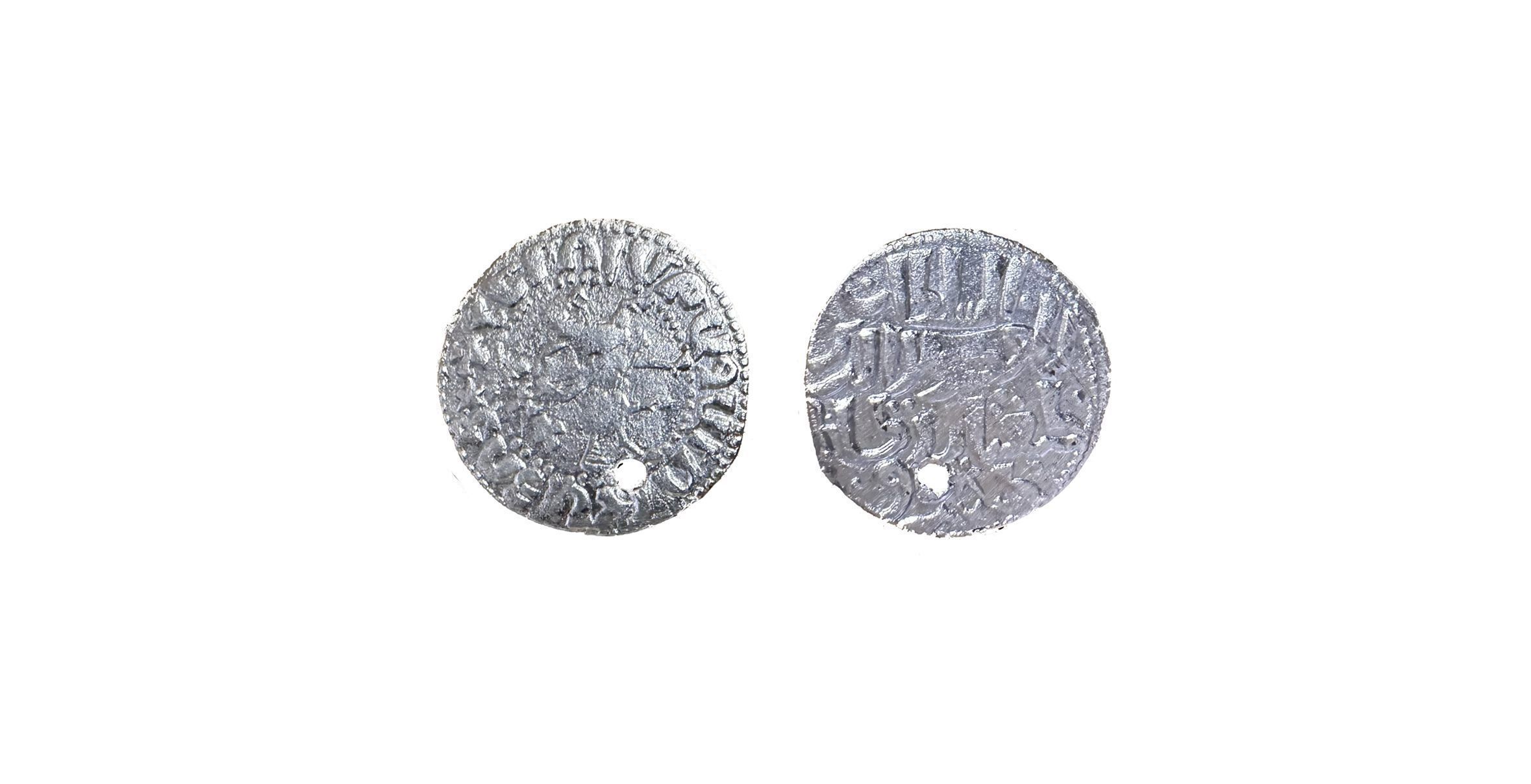
Name/Title
Hetoum I and Kayqubad I (Cilician Armenia)Description
The Armenian bi-lingual coinage was the product of a 1228 peace treaty wherein Hetoum acknowledged the Seljuq sultans of Konya as overlords in return for the cessation of attacks on Armenian territory. Hetoum abrogated the treaty in 1245 upon the death of Kaykhusraw, when he made another agreement with the emergent Mongol empire. In any case, the Seljuqs were pushed aside by the Mamluqs expanding out of Egypt, and when they attacked Armenia in 1266, the Mongols provided little assistance to Hetoum, who abdicated in favor of his son in 1270. The bilingual drams stand out for several reasons. First, they bear Arabic inscriptions. Additionally, they are the only coins of Cilician Armenia that are dated, though this particular example is not. Lastly, they are unique among Cilician Armenian coins for citing a foreign ruler.Category
Coins and Banknotes