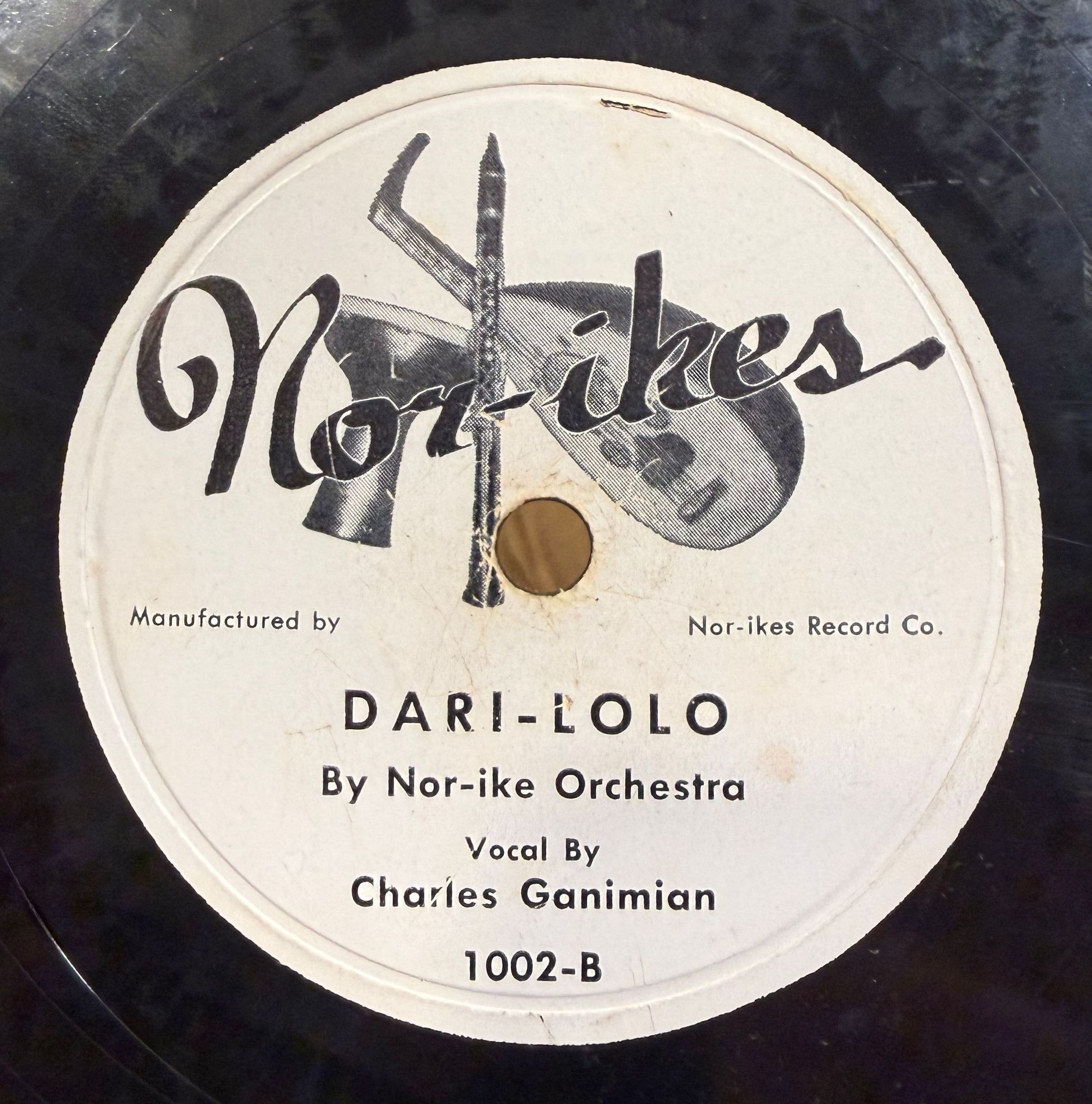
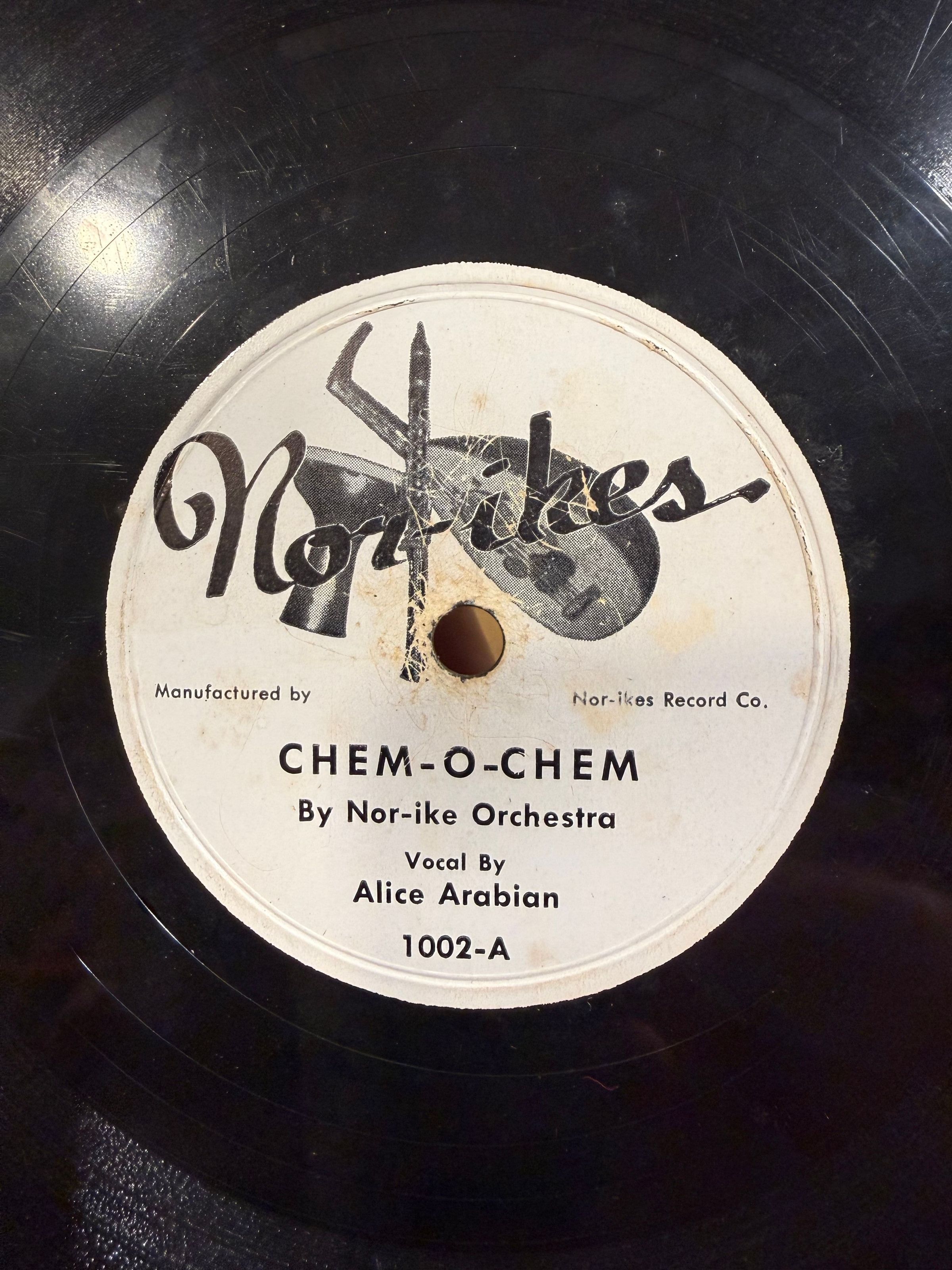
Nor-ike Orchestra, Dari-Lolo/Chem-O-Chem
Name/Title
Nor-ike Orchestra, Dari-Lolo/Chem-O-ChemDescription
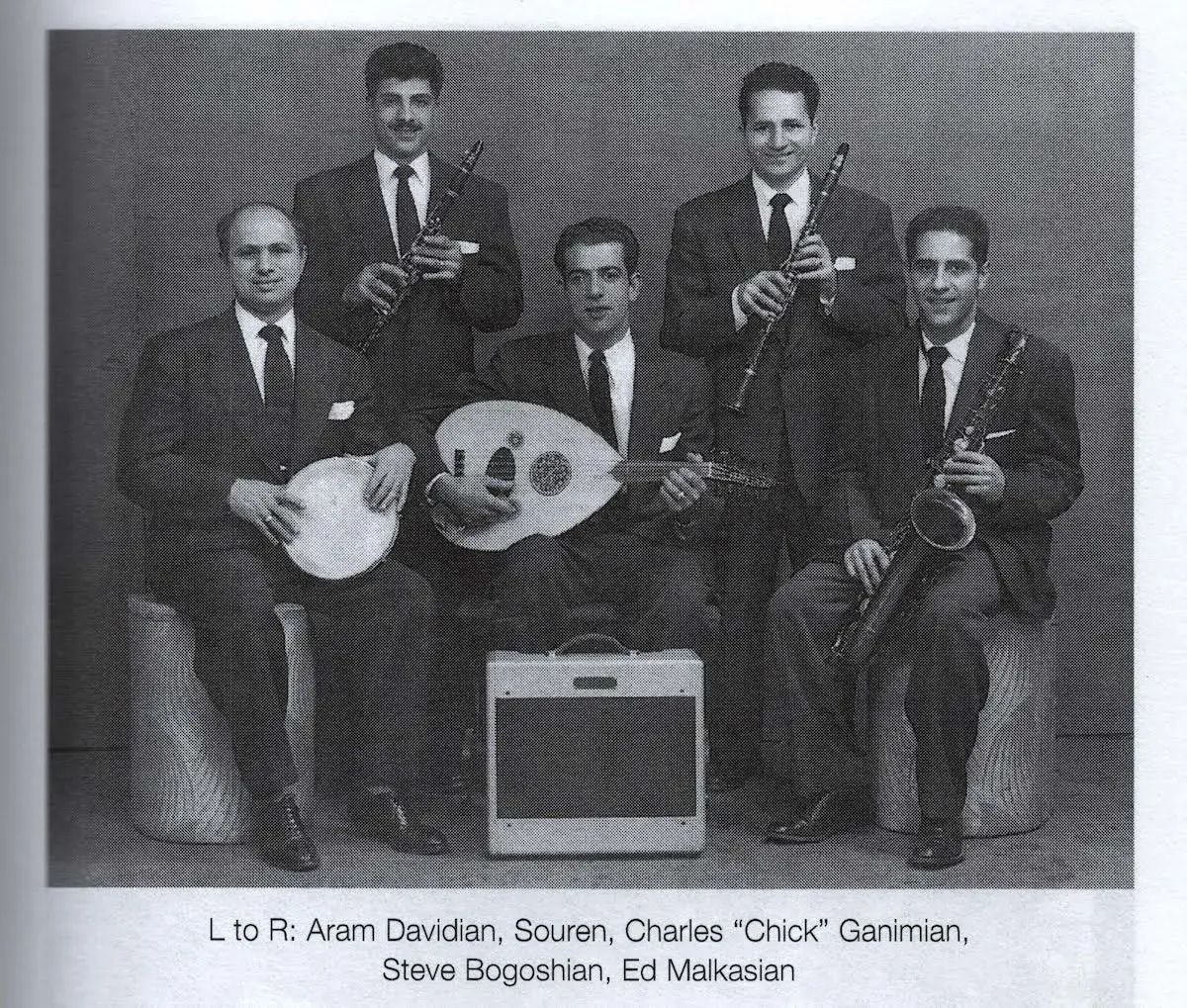
Souren Baronian (born 1930) is an Armenian-American multi-instrumentalist, composer, and bandleader best known for pioneering the fusion of Armenian and broader Middle Eastern musical traditions with American jazz. Born in Spanish Harlem to Armenian refugee parents from the Palu region, Baronian grew up surrounded by multiple musical worlds at once: neighborhood Latin music, Armenian community gatherings, and the bebop and swing that shaped mid-century New York. Deeply influenced by jazz saxophonist Lester Young while also studying traditional Middle Eastern performance practices, he developed a style centered on clarinet and saxophone before expanding into instruments including duduk, kaval, riq, and percussion. Baronian emerged as one of the defining figures of the postwar Armenian-American musical revival through his work with Nor-Ikes Orchestra, formed in New York around 1948–1949 alongside Armenian-American oudist and composer Charles ‘Chick’ Ganimian. The ensemble’s name, meaning “New Dawn,” reflected a younger generation of diaspora musicians who sought not merely to preserve inherited repertoire but to reinterpret it through contemporary American musical language. Ganimian became one of the group’s most visible creative forces, introducing sophisticated oud arrangements and helping move Armenian and Middle Eastern music into nightclub, recording, and crossover performance spaces in the United States. Among the important early collaborators in the Nor-Ikes circle was vocalist Alice Arabian, whose recordings and performances contributed to defining the ensemble’s distinctive sound. Arabian represented a bridge between traditional Armenian vocal expression and the cosmopolitan entertainment culture of postwar New York. Her performances brought warmth and accessibility to repertoire that drew from Armenian folk traditions while adapting to changing audience tastes among second-generation immigrants. Together with Baronian’s improvisational reed work and Ganimian’s instrumental direction, she helped establish a style that felt both rooted and modern. The Nor-Ikes recordings from roughly 1949–1952 became influential because they departed from straightforward preservation and instead embraced improvisation, rhythmic experimentation, and jazz-influenced phrasing. Their interpretation of the Armenian folk song Khun Dzorin Dzar (“The Apple Tree”) became emblematic of this approach, maintaining Armenian melodic and rhythmic foundations while introducing freer ensemble interplay and a distinctly urban Armenian-American character. These recordings are now regarded as among the earliest examples of a modern diasporic Armenian sound. Following military service that interrupted the group’s early momentum, Baronian continued recording and performing and later founded the ensemble Taksim, becoming widely recognized as an early innovator of what would later be called world-music fusion. The artistic direction first explored with Nor-Ikes—especially through Baronian’s improvisational vision, Ganimian’s oud-centered arrangements, and collaborators such as Arabian—demonstrated that Armenian and Middle Eastern traditions could evolve without abandoning their identity, influencing generations of Armenian-American musicians that followed.Audio Format
78 RPM RecordRecording Type
MusicCategory
Vinyl Record