Ottoman Armenian Document(s) #70
Name/Title
Ottoman Armenian Document(s) #70Scope and Content
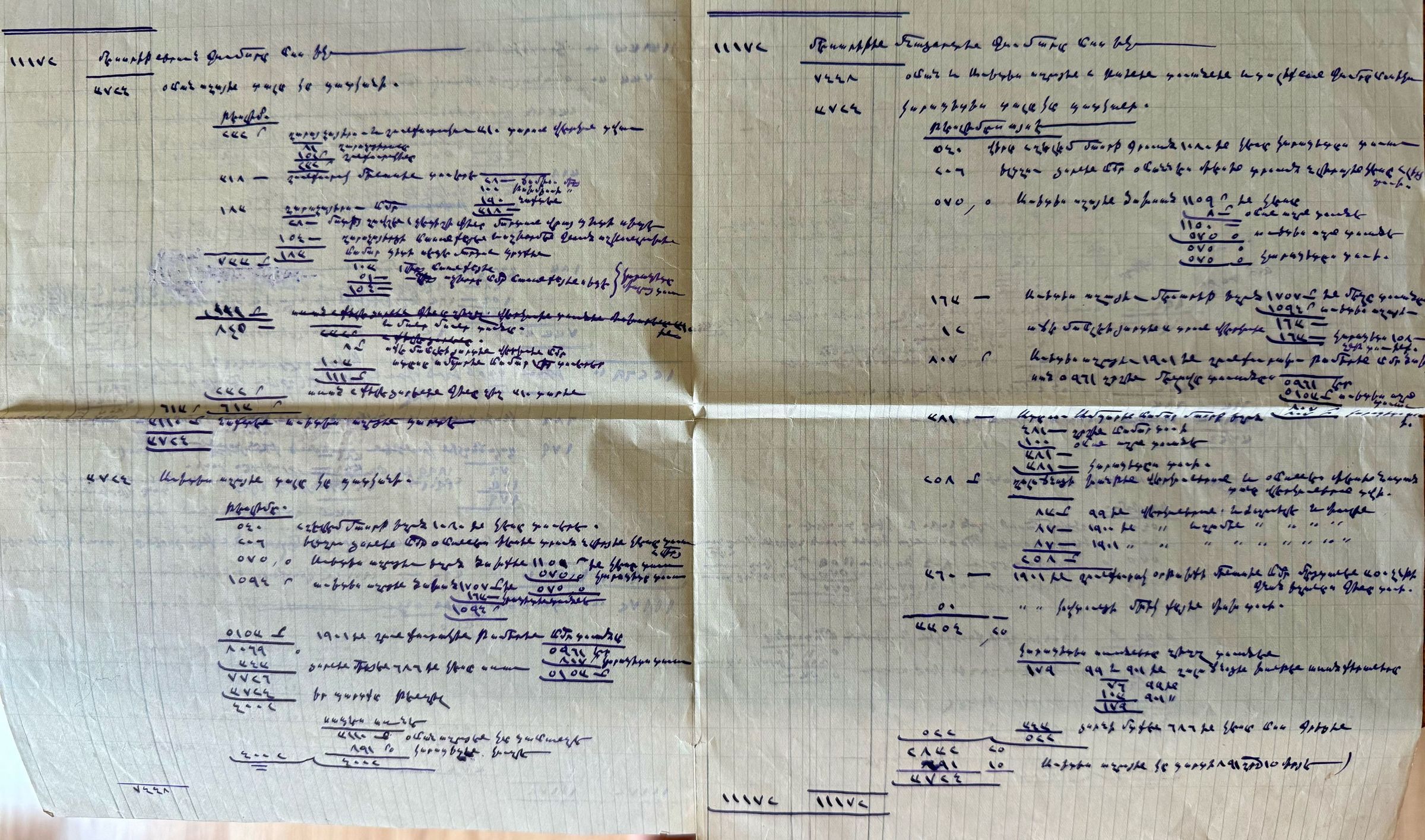
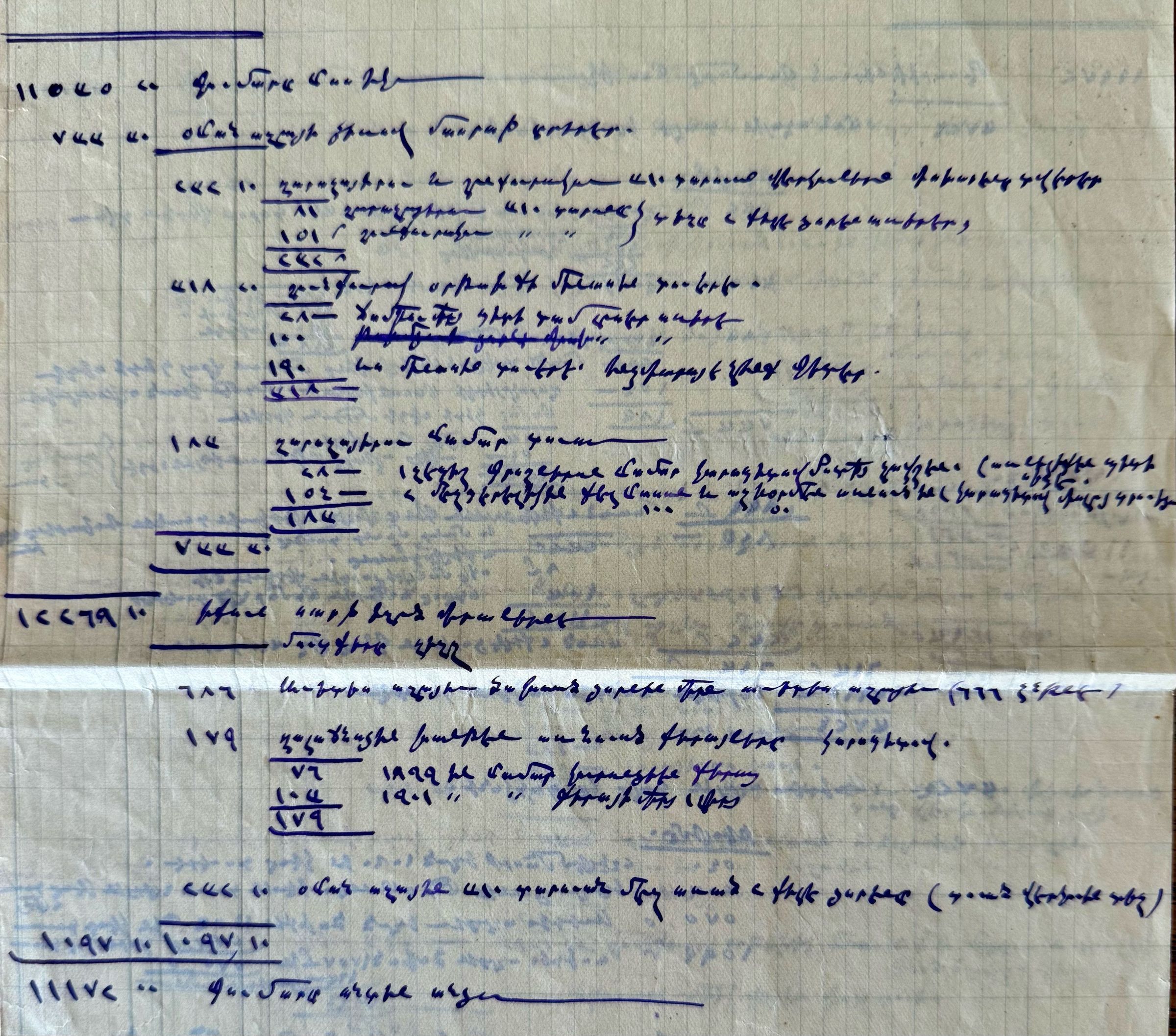
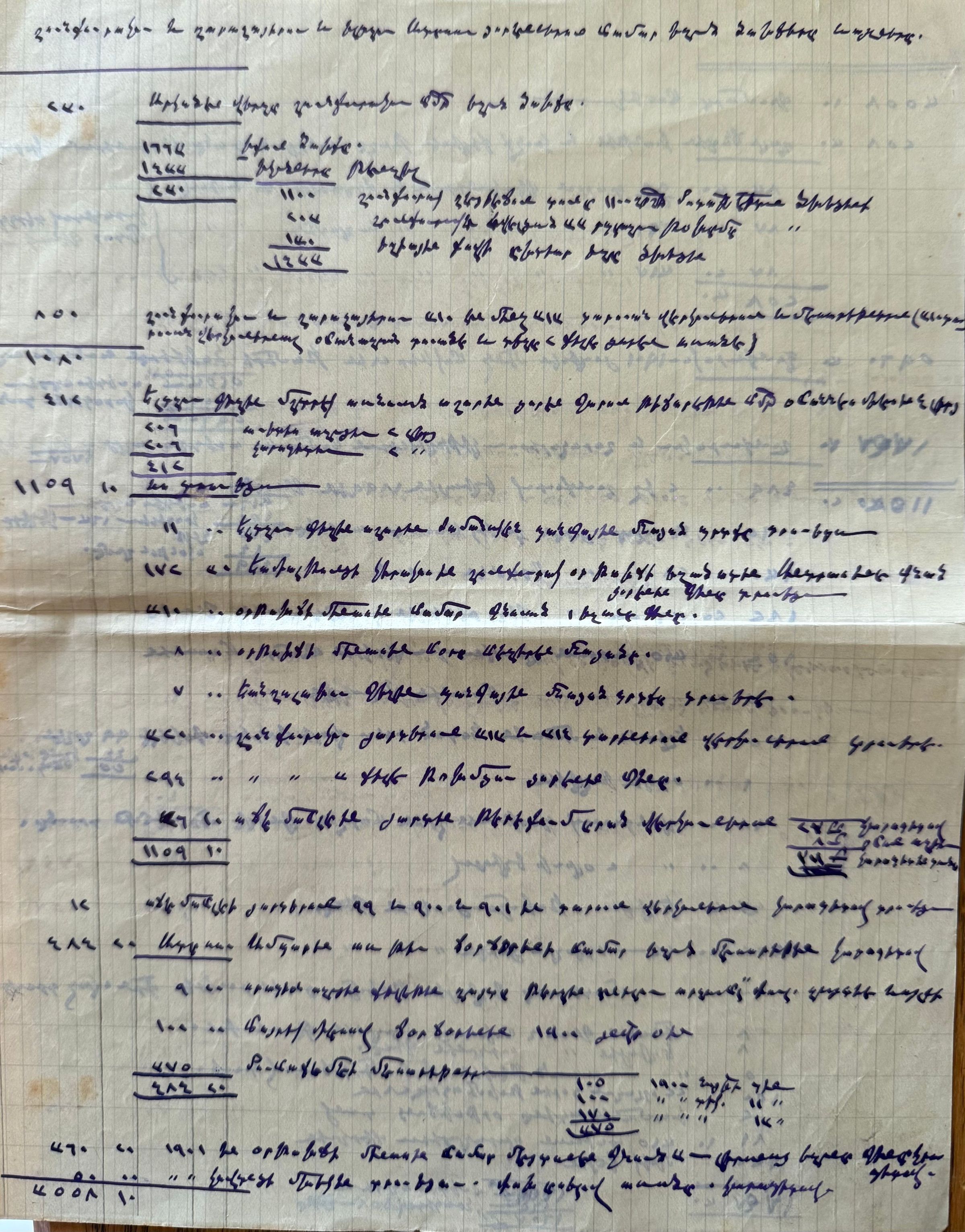
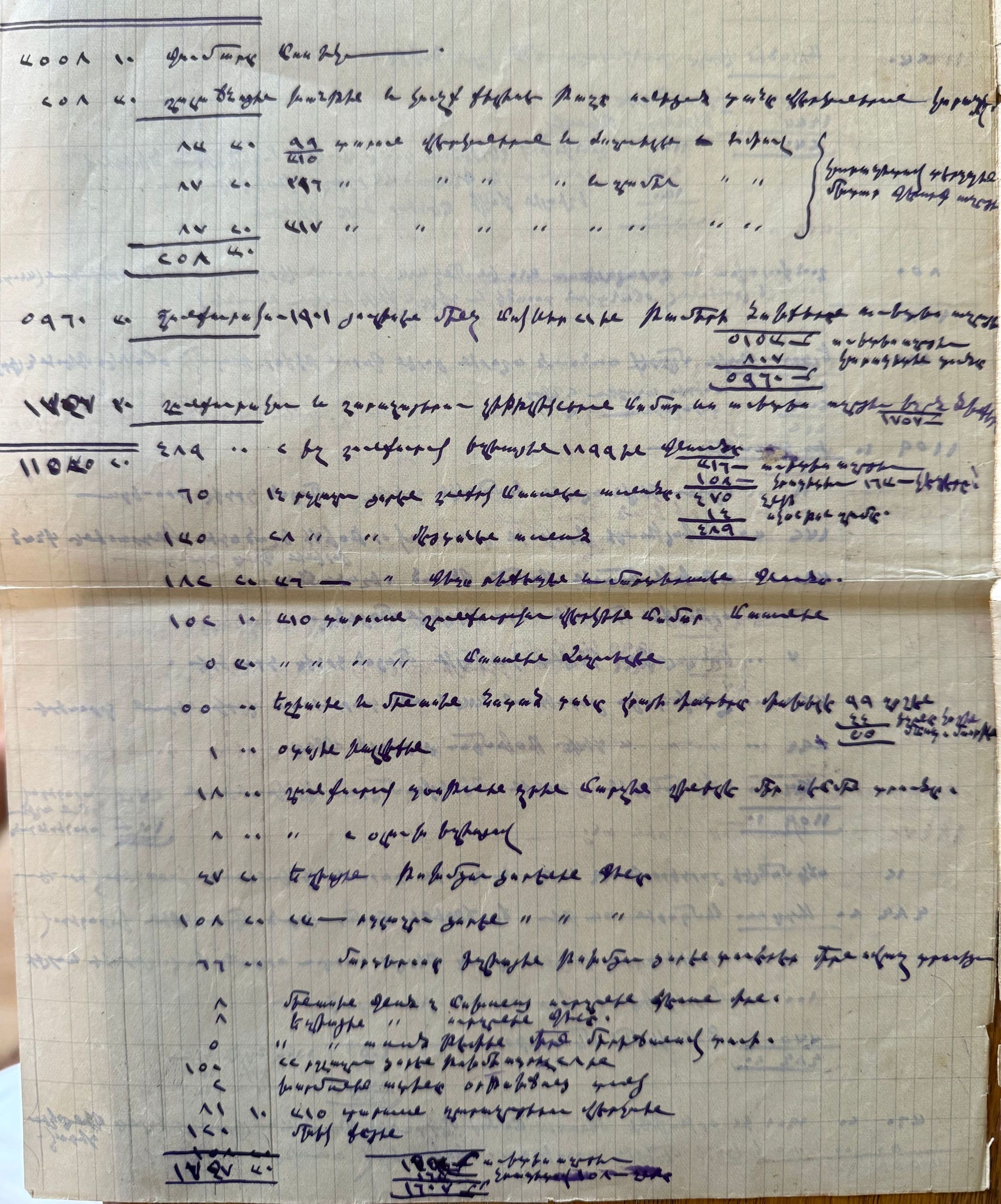
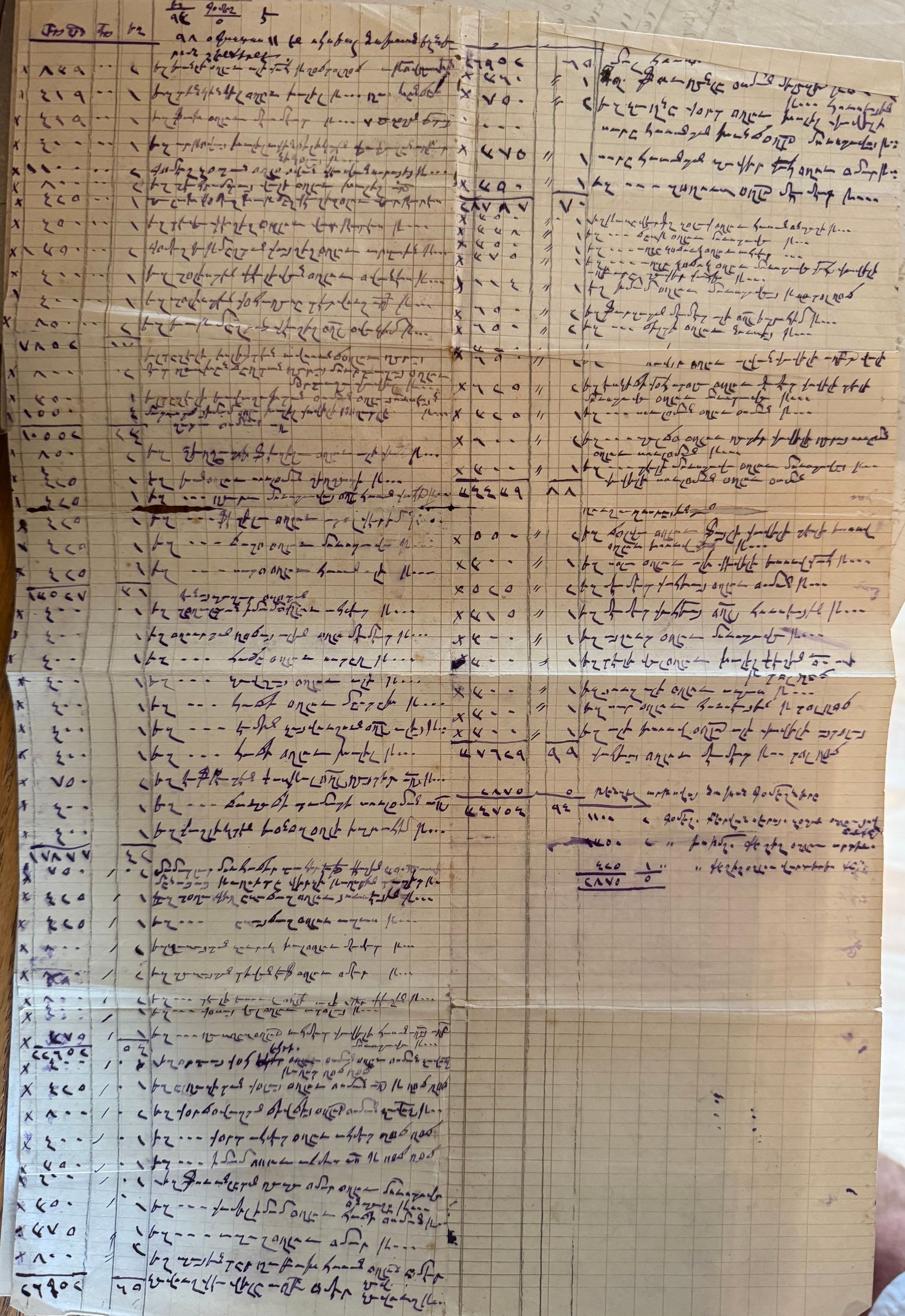
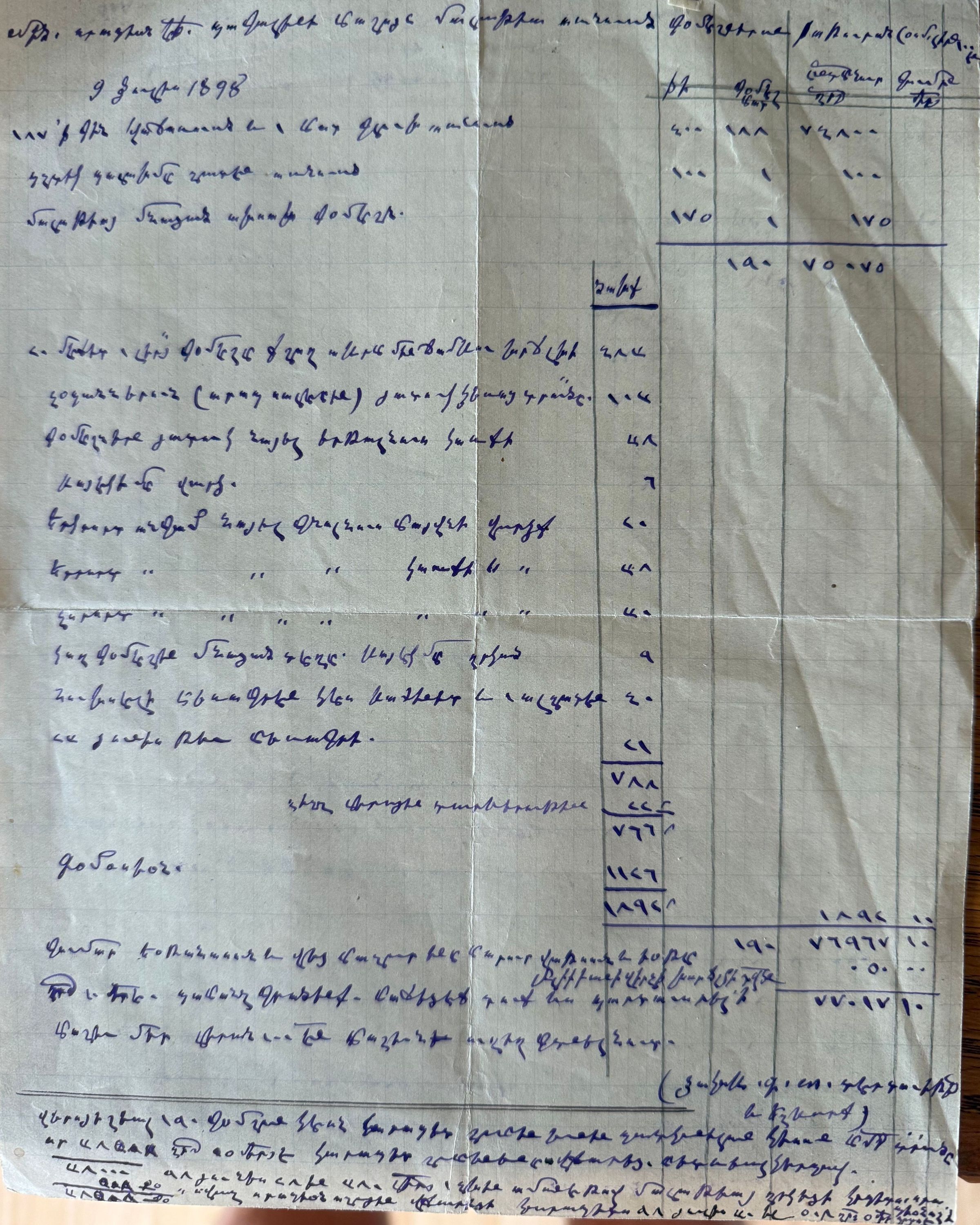
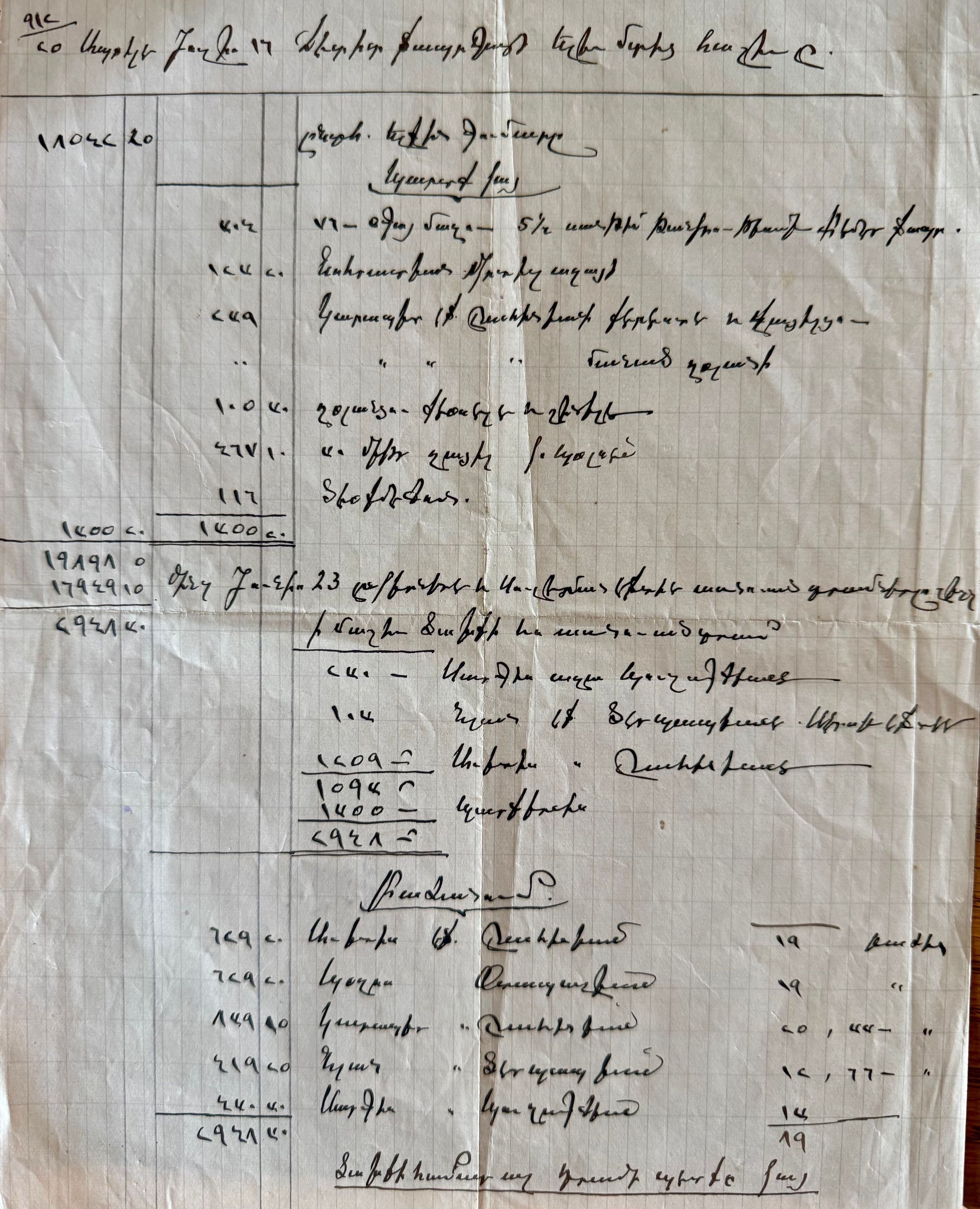
These are financial documents from the Garabed Shahinian Estate which constitute a collection of primary financial and archival records tracking the commercial operations and personal property management of an elite Armenian merchant family in the Sivas (Sebastia) Vilayet of the Ottoman Empire between 1903 and 1914. Spanning an eleven-year window that concludes precisely on the eve of the First World War, these handwritten documents offer an invaluable microhistorical perspective on the economic integration and material culture of Central Anatolia’s Armenian community during the empire's final decade. The archive consists of interconnected ledger books, transactional balance sheets, commodity manifests, and formal promissory notes that illustrate both the intricate double-entry accounting methods of the period and a complex web of local credit networks involving prominent regional figures such as the Derbabian family. A defining characteristic of the collection is its rich linguistic hybridity, which reflects the diverse legal and social landscapes navigated by late Ottoman minority merchants. While the primary account volumes are written in a fluid Western Armenian commercial cursive script, the text itself frequently employs Armeno-Turkish, using Armenian characters to phonetically transcribe localized Turkish marketplace terminology. Furthermore, the presence of separate financial agreements written entirely in the Ottoman Turkish Arabic script using a practiced Rika' hand demonstrates the estate's seamless interface with broader imperial bureaucratic structures and inter-communal legal obligations. Financed entirely using the standard Ottoman monetary units of kuruş and para, the ledger columns meticulously track debts, asset balances, and interest cycles. Beyond pure financial data, the papers contain highly detailed domestic and mercantile manifests that provide critical insights into the material culture and consumer habits of the Sivas region. Specific inventories itemize a vast trade or personal holdings in textiles and apparel, tracking precise quantities of premium fabrics and household goods like çit (printed cotton), mahut (broadcloth wool), fistan (tailored dresses), çarşaf (linens), and hand-stitched yorgan (quilts). By preserving the granular details of daily transactions and asset allocations up until September 1, 1914, the Garabed Shahinian Estate Papers serve as a vital historical record of a thriving, sophisticated mercantile ecosystem just months before its permanent disruption.Category
Misc. Documents