Note Type
Historical NoteNote
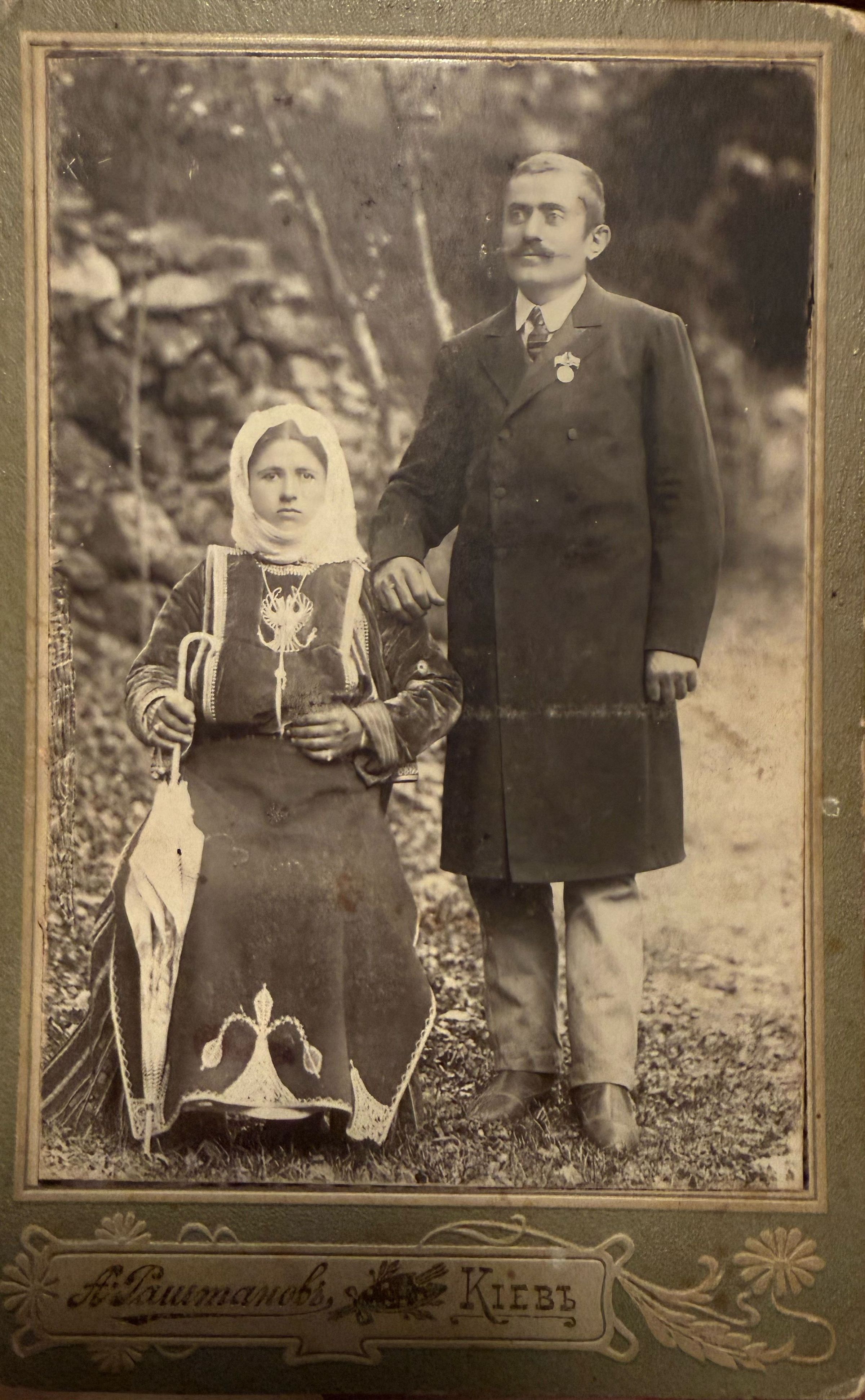
Khotorjur (Armenian: Խոտորջուր; Turkish: Sırakonak) was a predominantly Armenian-Catholic settlement in the Kiskim (later Yusufeli) district of the Erzurum province in the Ottoman Empire. Known for its steadfast religious identity, the community earned the nickname “Little Rome.” Situated in a fertile basin fed by a tributary of the Çoruh River and overshadowed by Kajkar Mountain, Khotorjur served as the administrative center of a cluster of thirteen Armenian villages, including Chichapagh, Mijintagh, Upper and Lower Mokhurkut, Aregin, and others. By 1914, the area was home to approximately 8,100 Armenians, the vast majority of whom were Catholic.
The origins of Khotorjur’s name reflect its terrain—meaning “straw water” or “grass water” in Armenian. The village was governed by a system of elected councils led by elders, and although it paid taxes to the Ottoman authorities, it enjoyed relative autonomy in local affairs. Khotorjur’s economy revolved around agriculture, livestock breeding, grain milling, and handicrafts. It was notable for its schools and churches—fourteen churches, five schools—and a culture of multilingual education. Alongside Armenian, community members were taught Turkish, French, and Russian. The local dialect of Armenian blended elements of Western and Eastern Armenian and shared features with the Homshetsma dialect spoken nearby.
Khotorjur’s conversion to Catholicism began in the 1600s, and over time the community developed a distinct religious life that included Catholic clergy, nuns, and monks. By the early 20th century, its Catholic identity made it historically unique within the Armenian world. Several fortresses, such as the Fortress of the Mother of God in Mokhurkut, attested to the region’s historical strategic significance.
During the Armenian Genocide, Khotorjur became one of many Armenian communities targeted for destruction. In May and June 1915, Ottoman authorities ordered the deportation of Khotorjur’s Armenians toward Mesopotamia. Deportees were divided into multiple caravans, each of which met a similar fate. The first convoy, about 300 families, was nearly annihilated near Kasaba and Bayburt. Others were massacred between Gasapa and Erzincan, on the road to Kemakh, or on the banks of the Euphrates near Samsat. Survivor testimonies recount that women and children were offered life in exchange for conversion or marriage to Turkish or Kurdish men; almost all refused, choosing death instead. Clergy were among the first targeted: 27 priests, along with dozens of teachers, including the primate Harutiun Turshian, were arrested and killed before deportations began. Though the community had previously benefited from the diplomatic protection of France and Austria-Hungary due to its Catholic faith, only a small number were saved—including around a dozen nuns and a few monks.
Only about a hundred Armenians from Khotorjur survived the genocide. Many who did so were working abroad at the time, especially in Tbilisi, the Caucasus, and Crimea. When Russian forces entered the region in 1916, many survivors attempted to return and rebuild. A union of émigrés, called “Tayk,” organized to support the community and defend it from renewed Turkish incursions after the Russians withdrew in early 1918. Led by Augustinos Mchanyan, 110 villagers mounted a self-defense effort that lasted from January to May 1918. They repelled initial attacks at Klahints in Khandadzor and moved to Upper Mokhurkut, a naturally defensible position. However, without support from Armenian commanders elsewhere—General Andranik reportedly refused to send aid—and faced with dwindling supplies, the defenders were eventually forced to withdraw. Some succeeded in reaching the Caucasus; others were captured and imprisoned but ultimately released following the Ottoman defeat in World War I.
After the war, a number of survivors from Khotorjur—especially from the prominent Gevorgyan family—settled in Soviet Armenia, where they helped found the village of Nor Khotorjur near present-day Kotayk Province. Members of that family played noteworthy roles in post-genocide Armenian history: Artashes Gevorgyan became a collective farm chairman, and Torgom Gevorgyan chronicled the assassination of Jemal Pasha. Today, the descendants of Khotorjur’s survivors are dispersed across Armenia, Georgia, Abkhazia, Iran, the United States, Italy, and other parts of the Armenian diaspora.