Postcard #50
Name/Title
Postcard #50Description
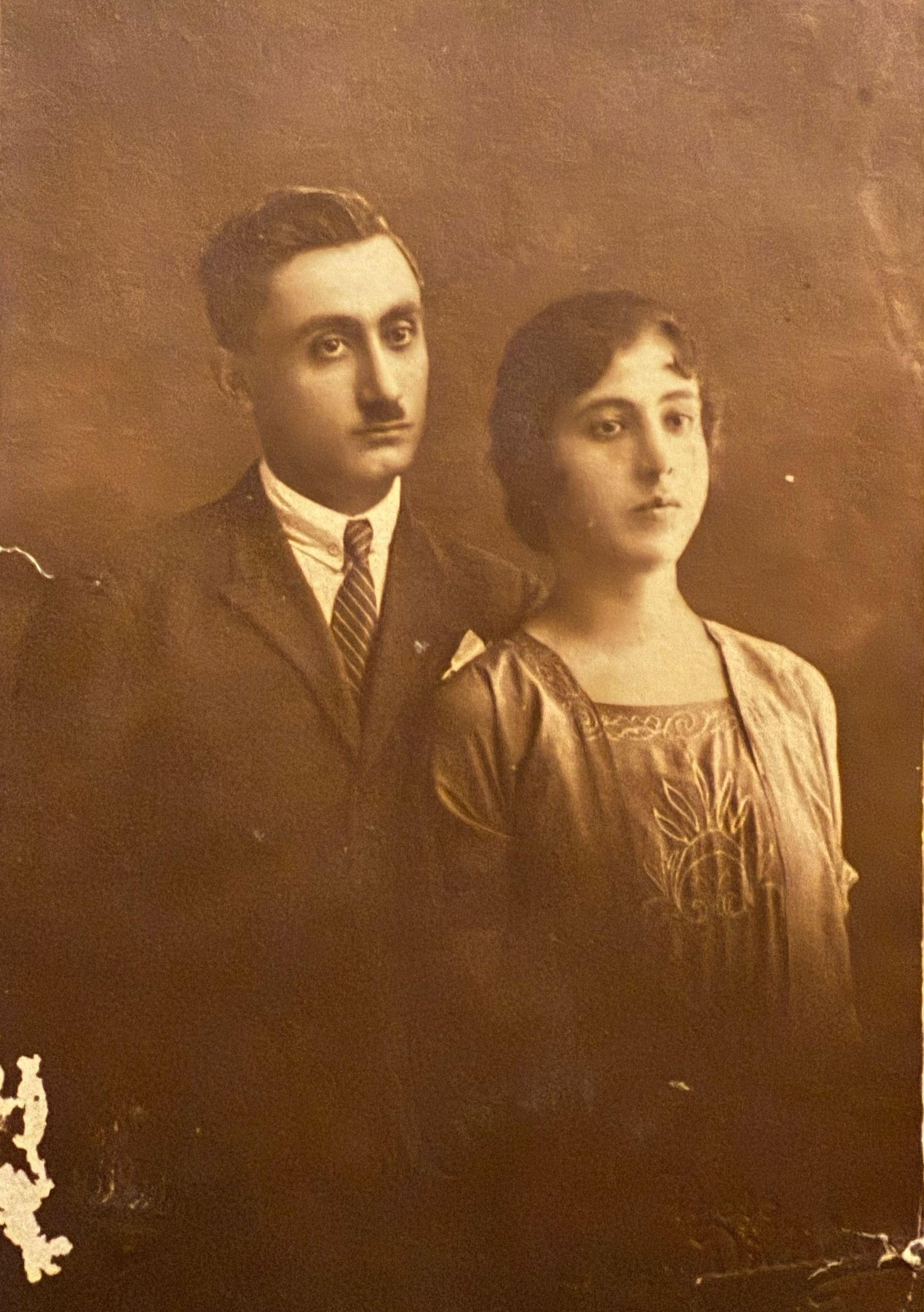
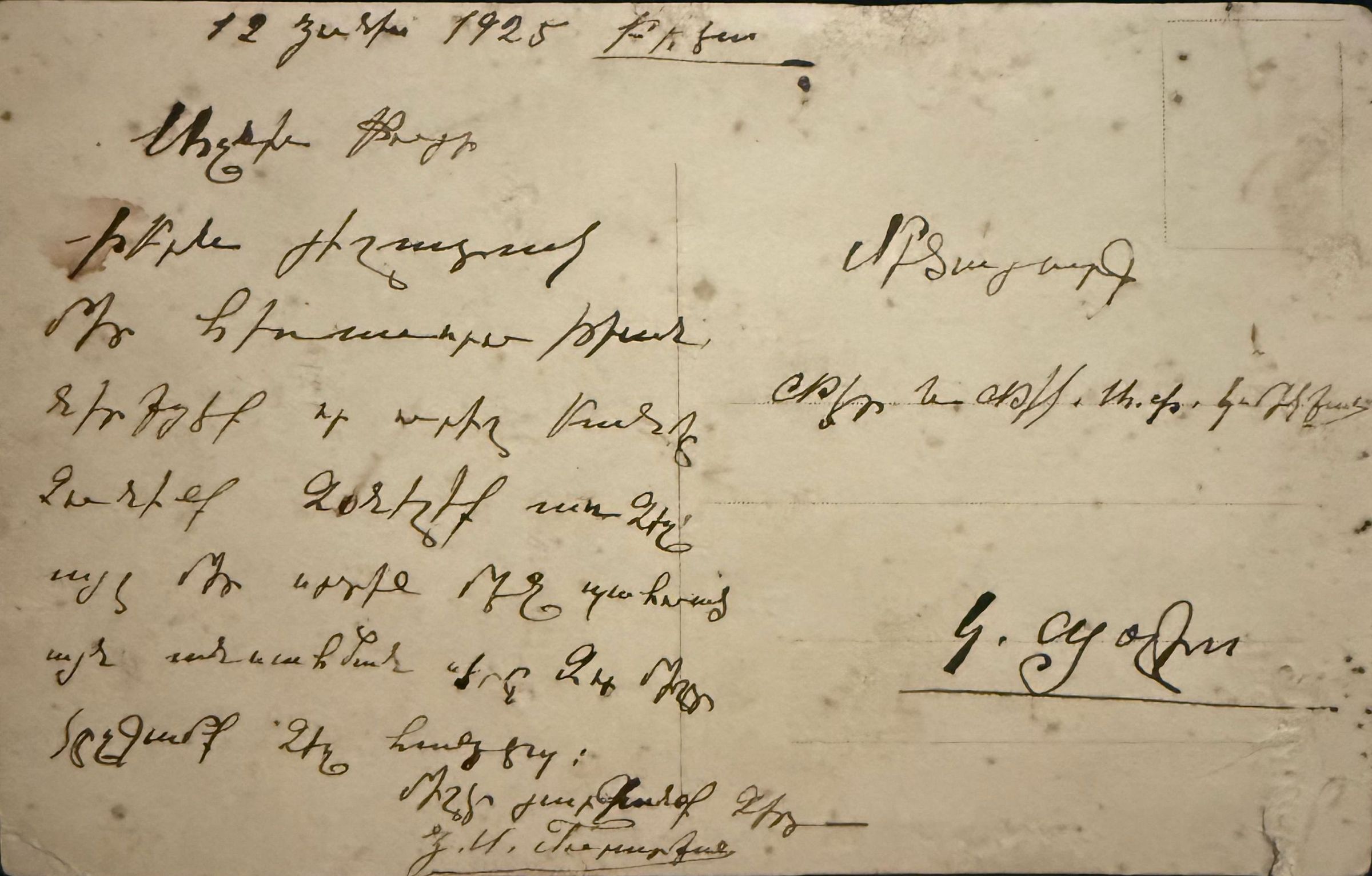
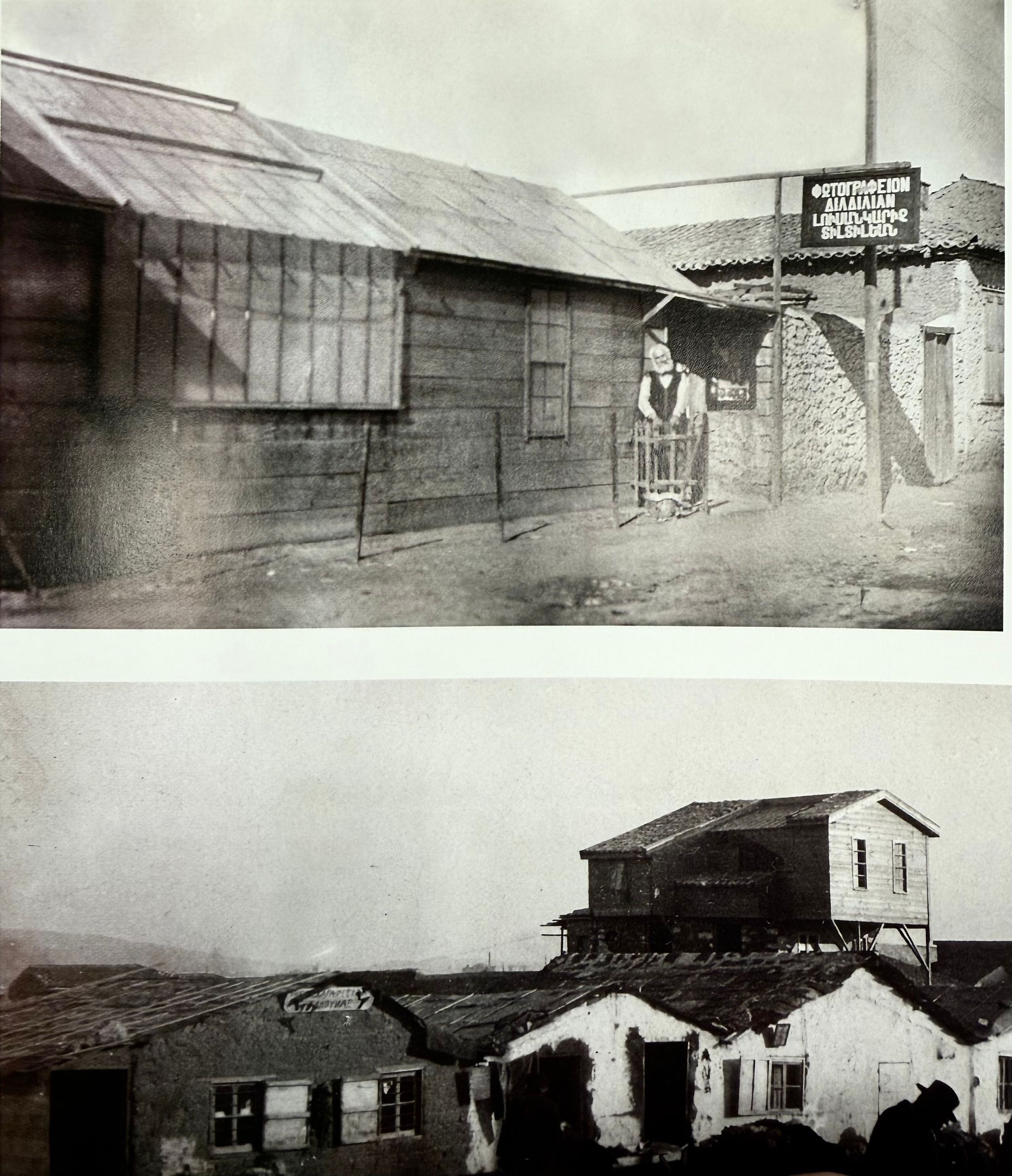
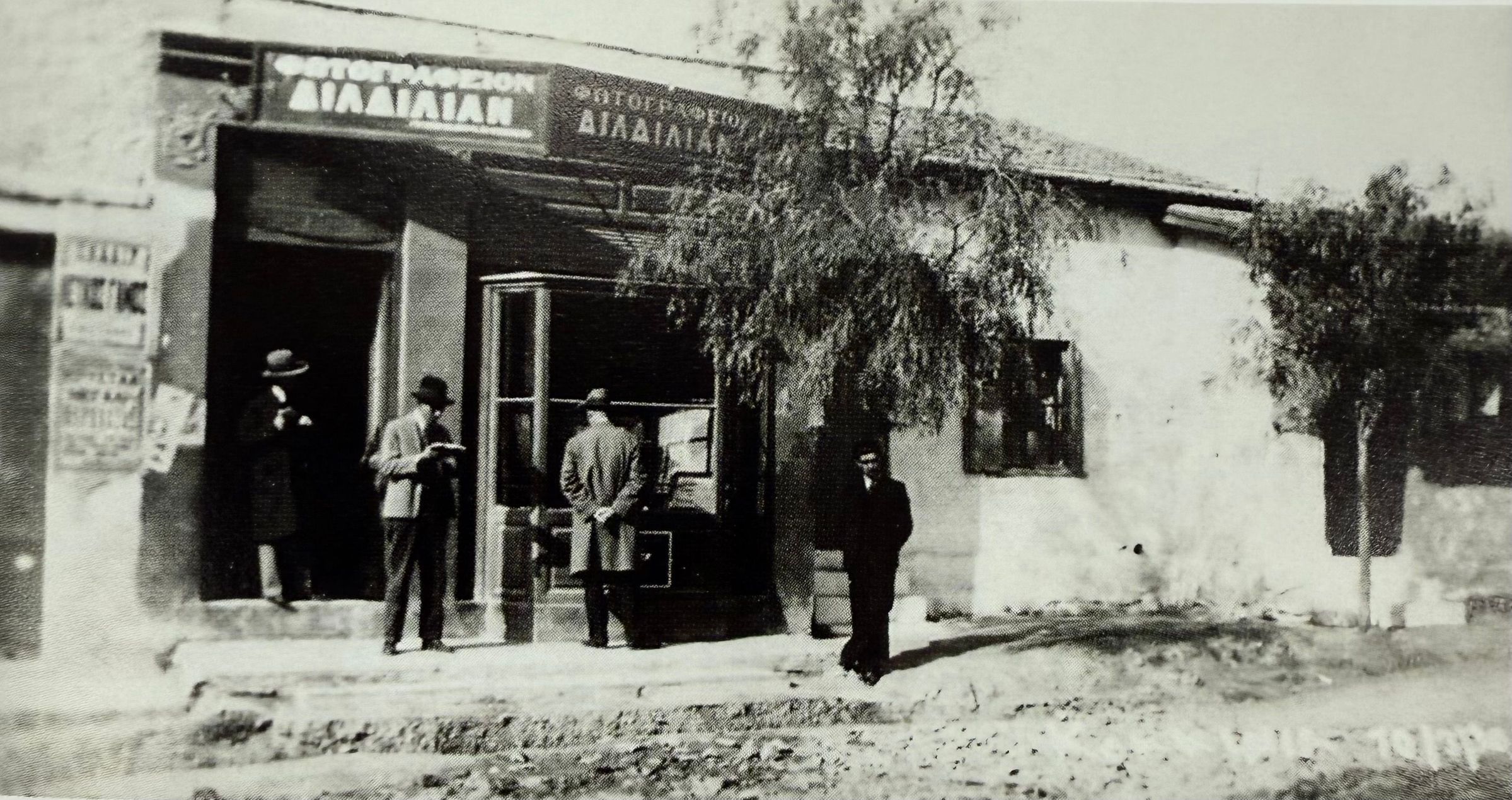
12 June 1925 Piraeus Noble Sister, As a memento of our distance, forgive that we don't have anything else to offer but that boundless love in our hearts which we always feel towards you. Always with respects, Yours, H. S. Mouradian [Addressed to:] Greatly Respected Mr and Mrs A.P. Gomikian? Constantinople __________________________________________________ The Dildilian family were among the most accomplished Armenian photographers of late Ottoman Anatolia. Based in Marsovan (Merzifon), their studio documented the region’s urban and rural life for decades, producing an extensive visual record of architecture, landscapes, and the diverse communities that inhabited the area. Today, their photographs constitute one of the most significant surviving archives of central Anatolia in the period preceding 1915. The destruction of Armenian life during the genocide and the subsequent consolidation of Turkish nationalist rule forced the family into exile. They fled Marsovan for Samsun, salvaging their cameras, glass negatives, and portions of their archive before embarking on a prolonged journey of displacement that eventually brought them to Greece. Upon arrival, Tsolag Dildilian immediately resumed photographic work. He documented the refugee camps established around Athens, most notably in Kokkinia (present-day Nikaia), where large populations of Armenian and Greek refugees from the Black Sea region had settled. Living conditions in the camps were severe: overcrowding, open sewers, and limited access to clean water reflected the growing humanitarian crisis as new deportees continued to arrive. For a brief period, the family secured access to a farm in the countryside, offering temporary relief from the hardships of camp life. Photographs from this time record a rare interval of stability and closeness to nature. The contrast with their prewar life in Marsovan—once marked by comfort and social standing—underscores the magnitude of their dislocation. These images remain an important component of the family album and provide insight into the psychological significance of this interlude for the next generation. With prospects for emigration to the United States diminishing, Tsolag chose to establish a permanent presence in Greece. Together with his sons, he constructed a modest home and an adjacent photographic studio within the Kokkinia refugee camp. Photography served not only as a means of economic survival, but also as a vital social function. Portraits were used to reconnect families separated by war and deportation, and relief agency archives from this period attest to the central role of photographs in identifying the missing and memorializing the dead. As Kokkinia gradually transitioned from a landscape of tents and temporary shelters into a settled urban community, the Dildilians continued to document its transformation. Their work from this period bears witness to the emergence of a new diasporic society shaped by loss, endurance, and reconstruction. The Dildilian archive endures as a critical visual testimony to Armenian life before 1915, the experience of forced displacement, and the capacity of photography to preserve memory and continuity in the aftermath of catastrophe.Category
Postcards