Property Deed #40
Name/Title
Property Deed #40Scope and Content
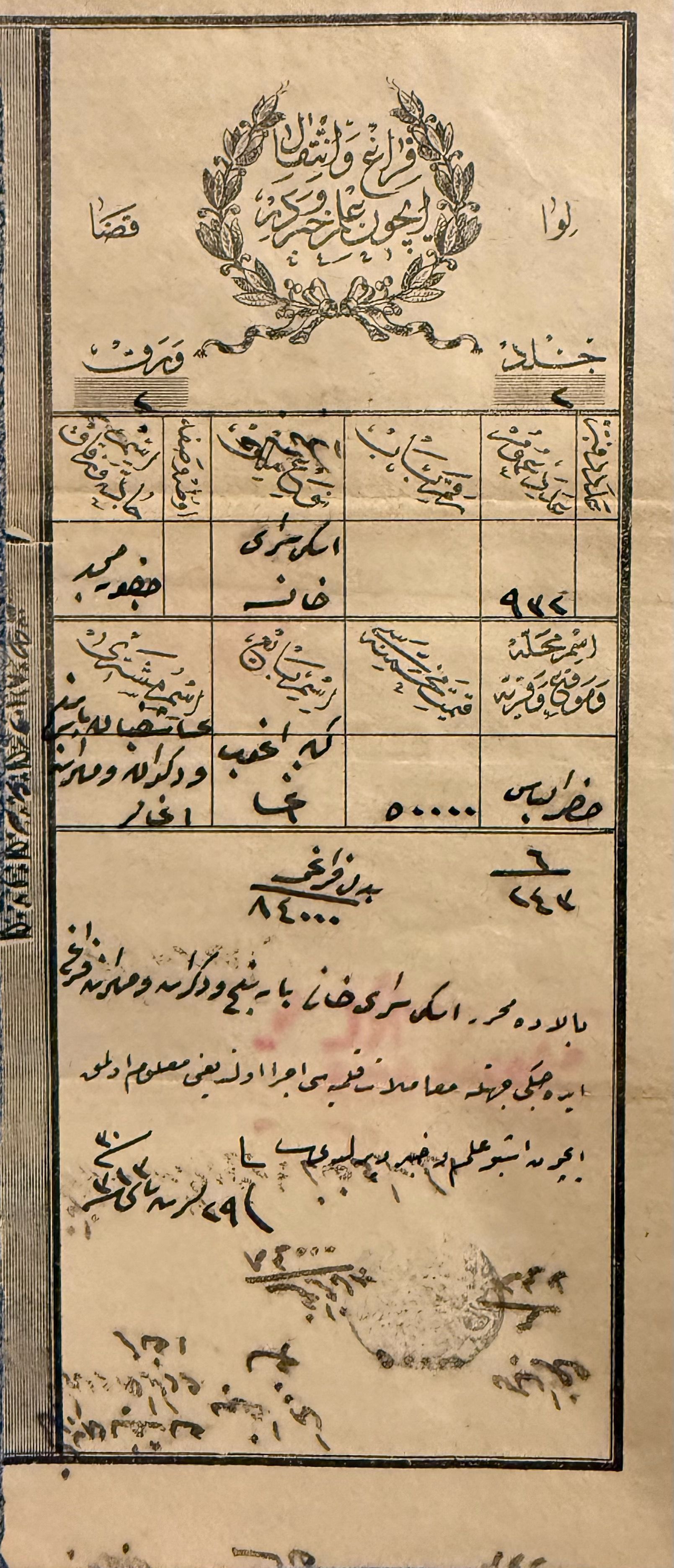
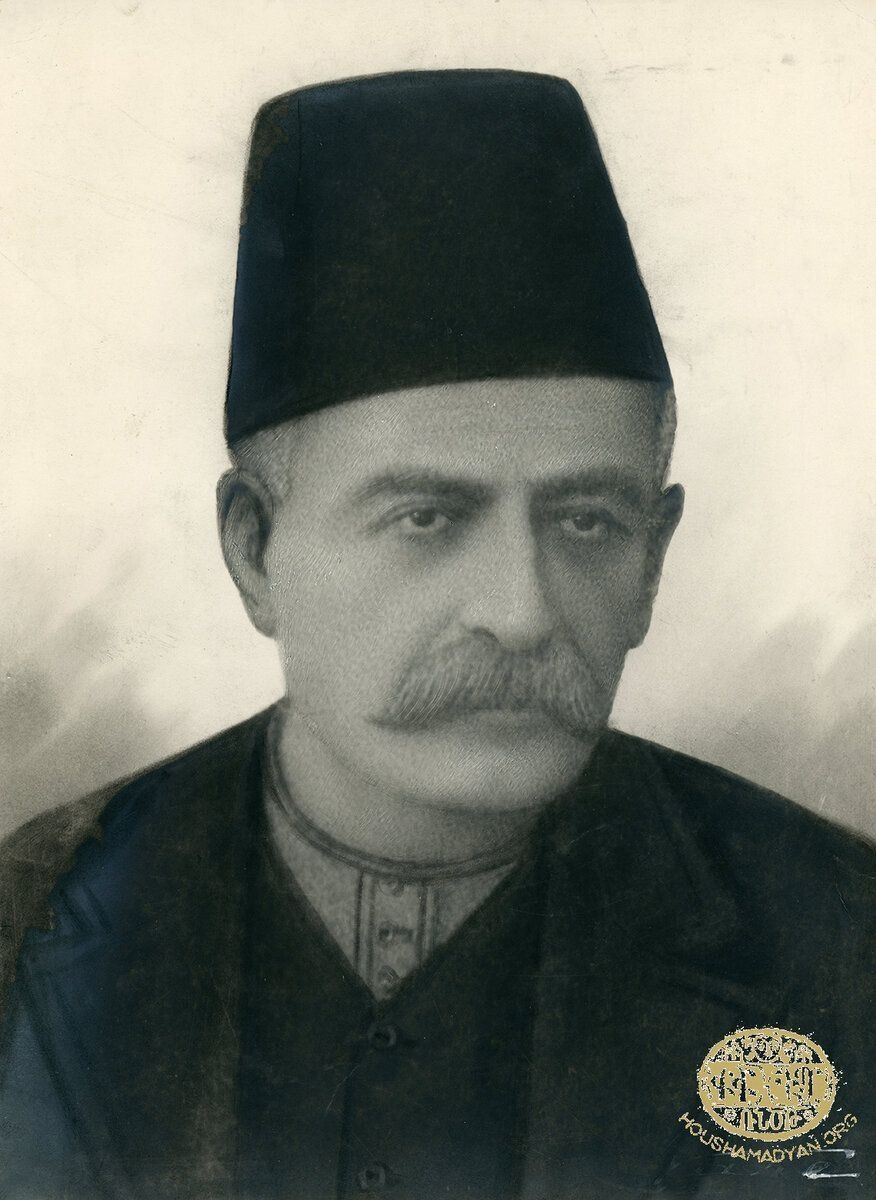
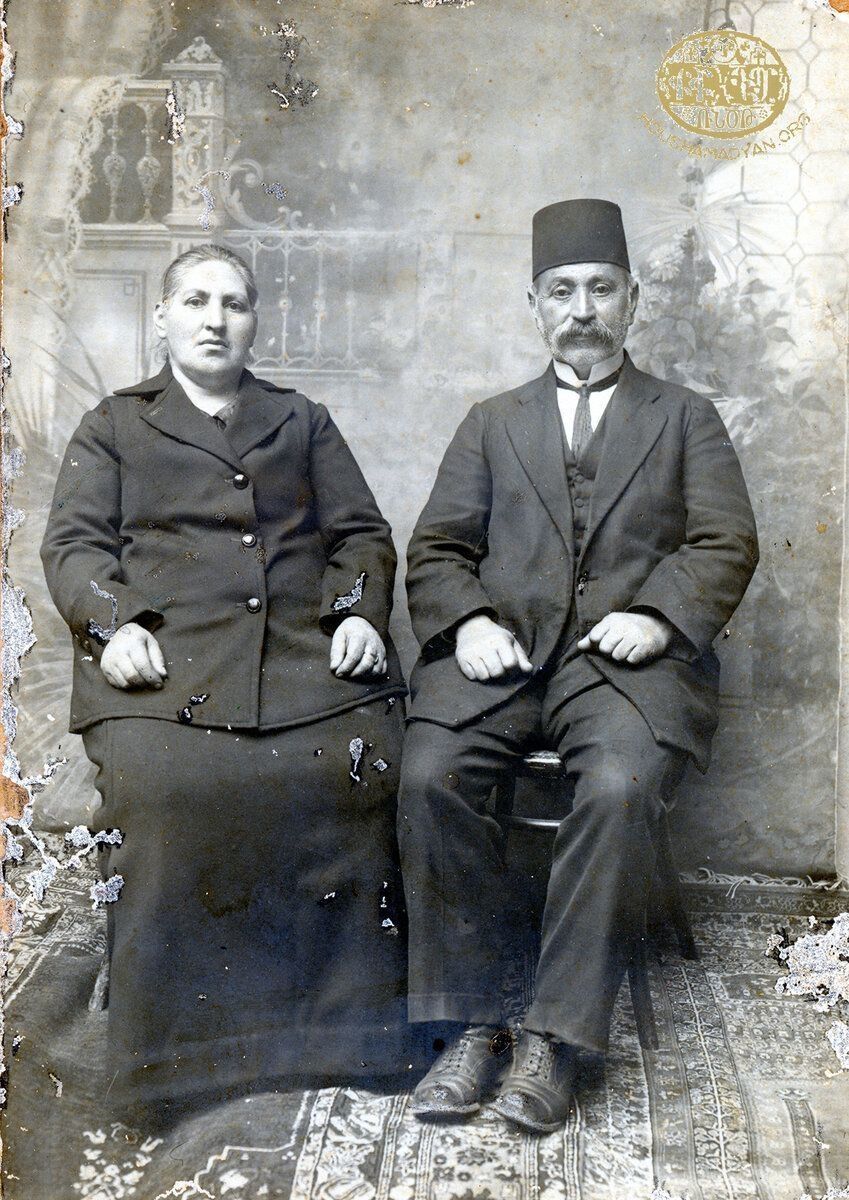
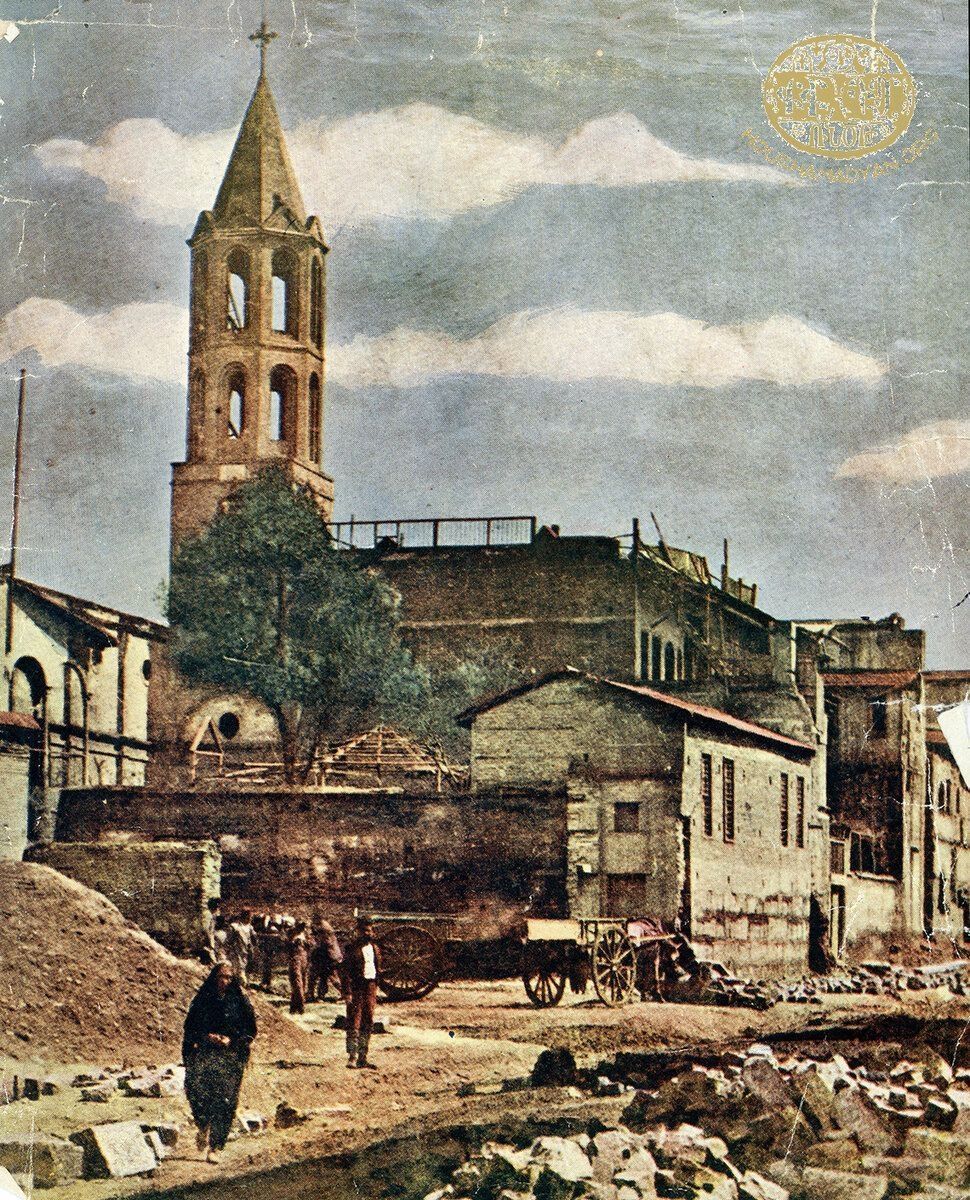
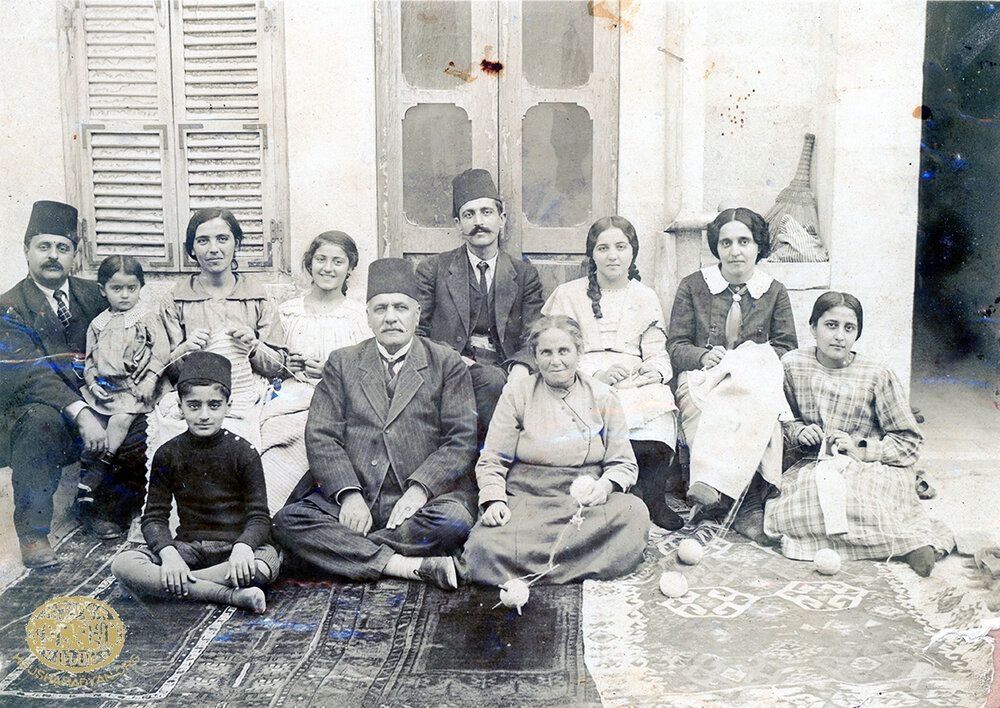
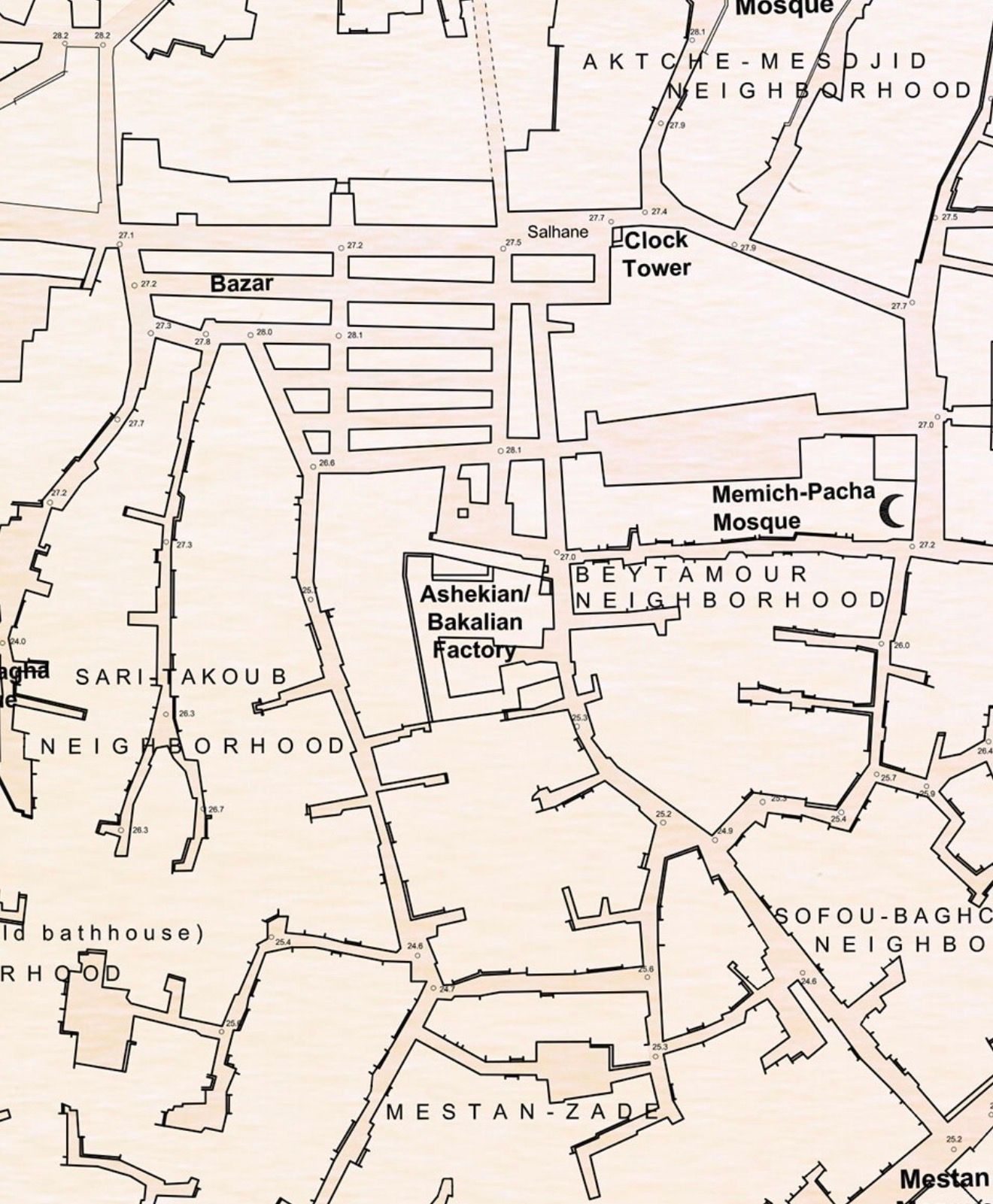
This original Ottoman document titled Ferağ ve İntikal İlmuhaberi, dated 23 Teşrin-i Sani 1313 (11 December 1897), records the sale and transfer of a property described as an eski saray hane (former palace residence) in Adana, in the Hızır İlyas Quarter on Çukur Mescid Street. A Ferağ ve İntikal İlmuhaberi in the late Ottoman period served as an official certificate certifying that a property had changed hands—by sale or inheritance—before the transfer was formally entered in the central land registry (tapu), allowing the new holder recognized legal possession and use without constituting final title registration. The document lists an assessed value (kıymet) of 50,000 kuruş and a sale price (bedel) of 84,000 kuruş, indicating a transfer above official valuation. The seller is recorded as “… Agop Ağa,” with the portion preceding the name partially illegible; the buyers are Aşıkyan Parseğ, Dikran Ağa, and Mihran Ağa, all named in Armenian, documenting an Armenian-to-Armenian property transaction in late nineteenth-century Adana. The document bears an official Ottoman seal that confirms its legal and administrative character, and the eski saray hane designation is rare in Ottoman real estate records, suggesting a residence of elevated status. The property appears to have been part of a large family residence occupied by multiple branches of the Aşıkyan (Ashekian) family. According to the family history preserved by Garabed Ashekian (son of Parseğ) and recorded on Houshamadyan, the household was located at the edge of Kazandjilar Street in Adana, directly adjacent to the Holy Mother of God Armenian Church and its high bell tower to the north; the Armenian diocesan compound and courtyard lay to the west; and the wide thoroughfare Divan Yolu lay to the south. The church, built with support from Governor Bahri Pasha and Archbishop Mushegh Seropian, stood as a major landmark in the Armenian quarter, situating the Ashekian residence within a religious-communal core of the city’s Armenian neighborhood. This proximity underscores the close relationship between domestic life and institutional Armenian presence in late Ottoman Adana. All members of the household, including extended family—parents, siblings, children, grandparents, and in-laws—lived in different sections under one roof, reflecting extended patriarchal household structures typical of urban Armenian families at the turn of the twentieth century. Multiple family lines co-resided: Parseğ, Dikran, and Mihran lived together with their wives, children, and elders including their grandmother Hripsime (née Murad Tekeyan) and grandfather Garabed Parsegh Ashekian. There were numerous children in the compound, and the household operated as an integrated family unit until the upheavals of the 1909 Adana Massacres. Photographic evidence from circa 1900 shows the Ashekian house immediately south of the church and bell tower, confirming the family’s spatial presence in that core urban block. The large compound included space for both domestic and commercial activity, with nearby family investments in mills, factories, and warehouses. Parseğ Garabed Ashekian (1848–1901), originally from Kayseri/Gesaria, moved to Adana around 1885 due to economic hardship, established grocery businesses, and later engaged in import-export trade with connections to Marseille, sponsoring relatives into the business. He brought his brothers Dikran and Mihran to join him; together with Sarkis Bakalian (Dikran’s brother-in-law) they expanded the enterprise, later known as Ashekian-Bakalian, which included grocery trade and mechanized industrial ventures such as a flourmill, cotton gin, and ice factory. Dikran served in local civic structures and oversaw commercial operations; his family returned to Adana after the genocide and he died there in 1920. Mihran suffered illness, traveled for treatment, and after long illness died in Adana; his family later moved to Cyprus and Lebanon. The 1909 Adana Massacres profoundly affected the household: the Armenian quarter was looted and destroyed, the Ashekian-Bakalian grocery stores and assets were plundered or burned, and many family homes were raided. The family escaped and relocated temporarily, and while some members remained in Adana for a time, most eventually migrated to Mersin, Cyprus, Lebanon, and further abroad. Many descendants later settled in the United States and Europe. Throughout these transitions the memory of the Adana household, its location relative to the church, and its internal organization remained central to family history. Key Features: • Type: Ottoman property transfer certificate (Ferağ ve İntikal İlmuhaberi) • Location: Hızır İlyas Quarter, Çukur Mescid Street / Kazandjilar Street, Adana • Property Type: Former palace residence (eski saray hane) within a large family compound • Assessed Value (Kıymet): 50,000 kuruş • Sale Price (Bedel): 84,000 kuruş • Seller: … Agop Ağa (partially illegible) • Buyers: Aşıkyan Parseğ, Dikran Ağa, and Mihran Ağa • Date of Document: 23 Teşrin-i Sani 1313 (11 December 1897) • House Context: Residence adjacent to the Holy Mother of God Armenian Church and the Armenian diocesan compound; multi-section household with extended family living under one roof • Configuration: Multiple family units (Parseğ, Dikran, Mihran and their kin) in connected sections of a courtyard houseCategory
Property Deeds