Note Type
Historical NoteNote
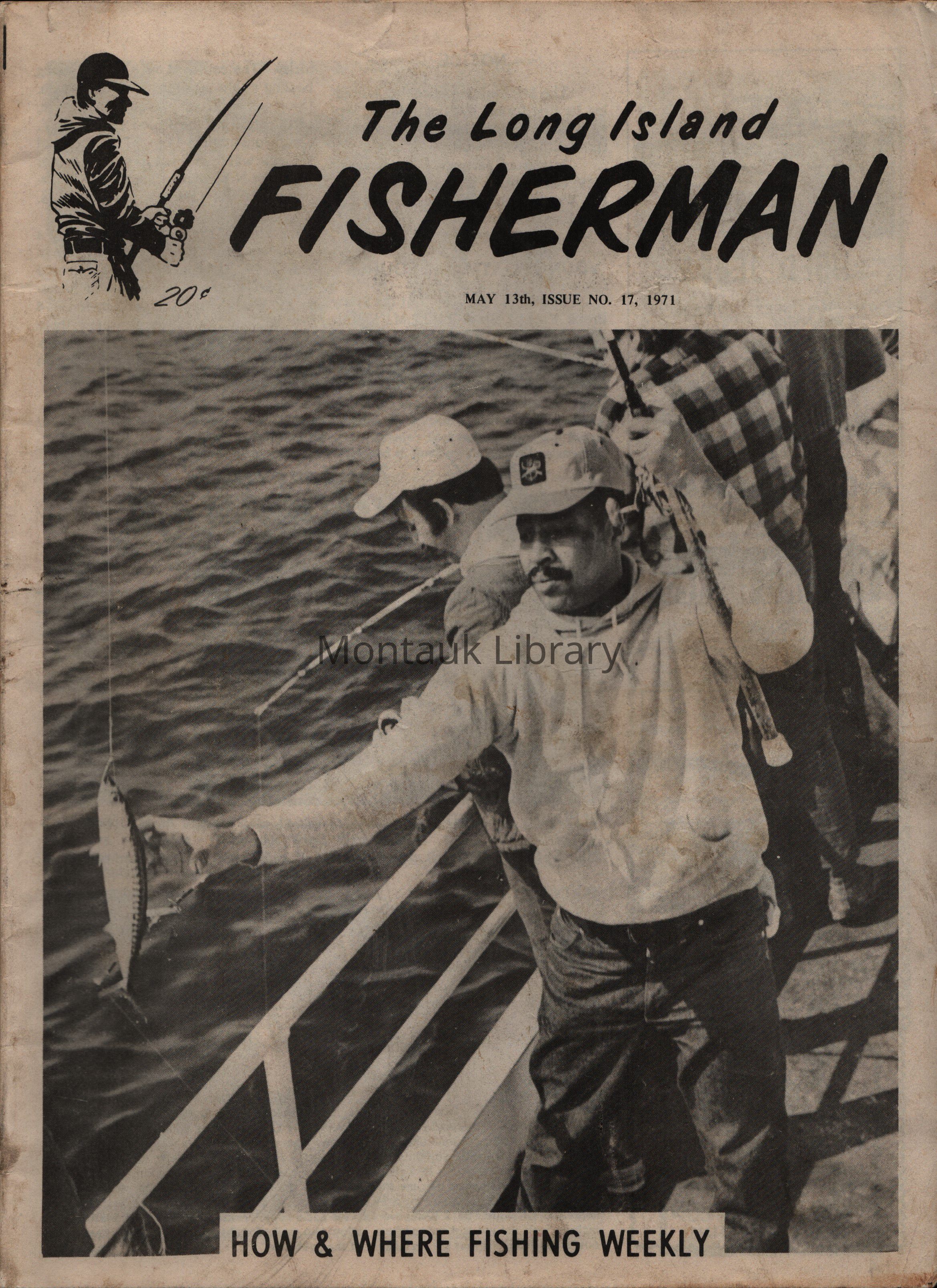
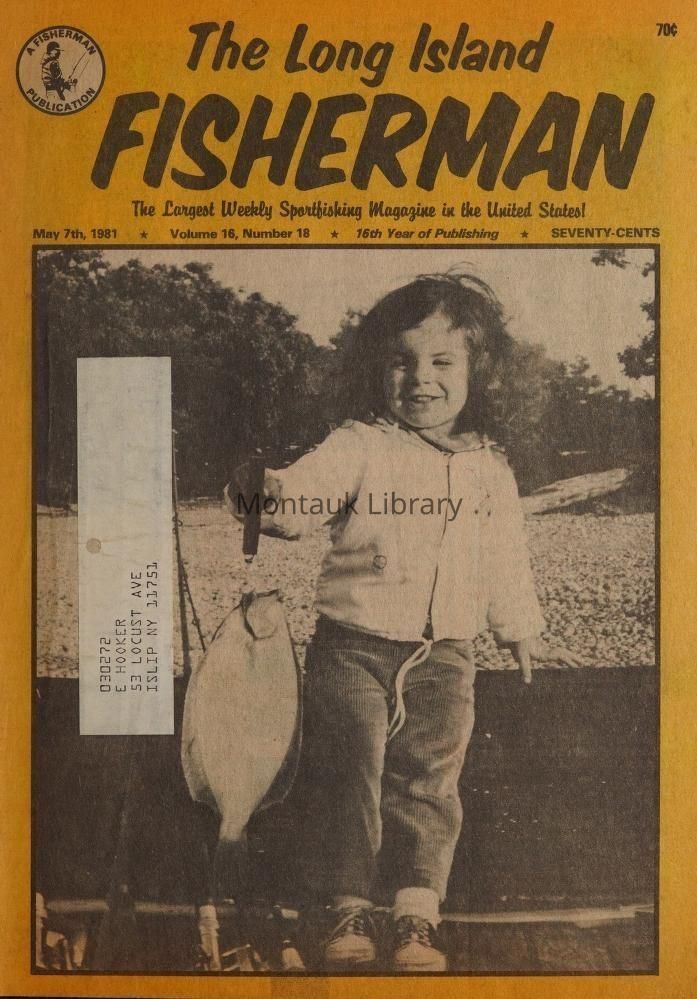
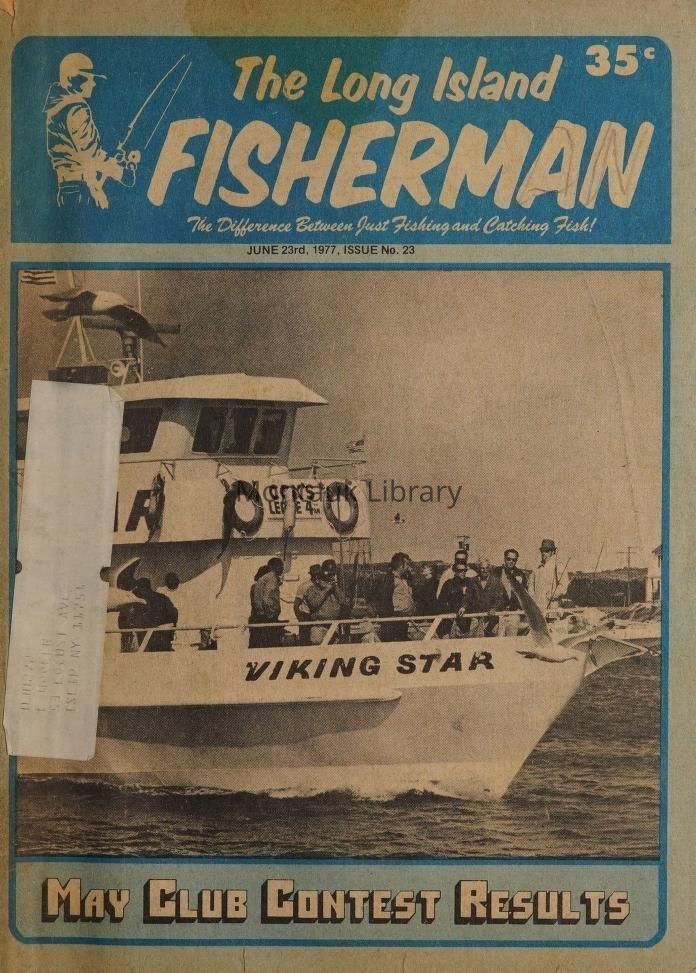
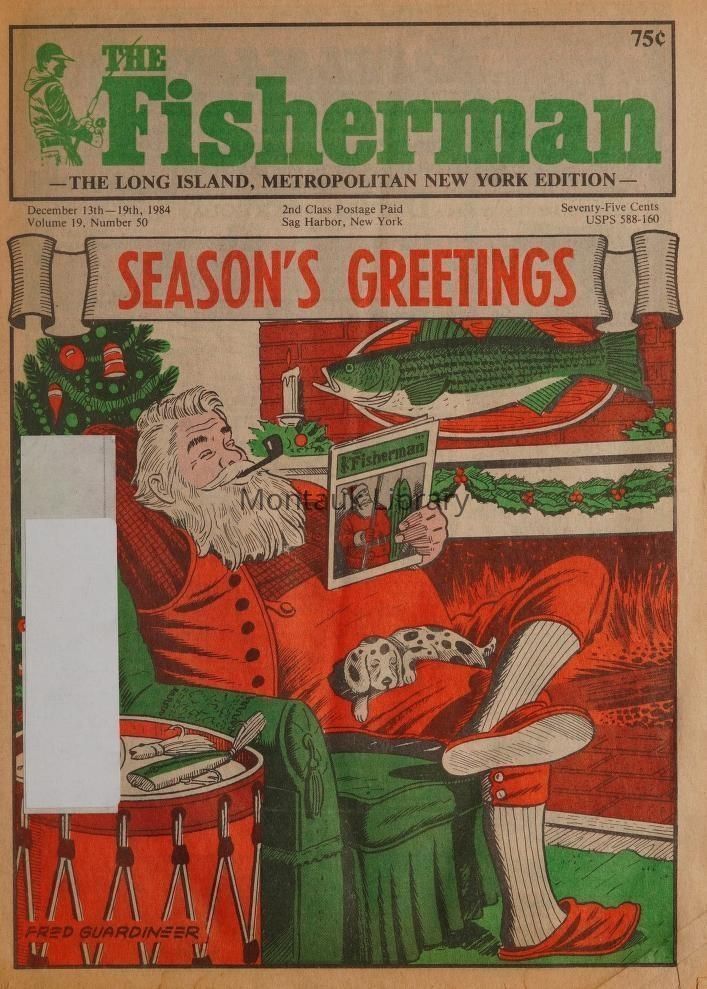
The Long Island Fisherman, first published in 1966, stands as one of the most significant and longest-running angling periodicals in the region (it is now known as The Fisherman). The originally self-published periodical, first titled The Long Island Saltwater Fisherman, began in the basement of Rich Reina, who lived in Sag Harbor at the time and worked full-time at a printing plant. When he wasn’t working, he collected and wrote fishing reports, sold advertising space, and distributed magazines locally. The magazine grew and gained popularity in the 1970s, eventually branching out regionally to cover New England and New Jersey. The year 2026 will mark its 60th year in print.
The publications in the Montauk Library Collection cover recreational and commercial fishing on Long Island and in the metropolitan region from the early 1970s to the late 1980s. More than a hobbyist magazine, it serves as a cultural record of coastal life, environmental change, and community identity across Long Island and the greater mid-Atlantic region. Issues from these decades recorded a pivotal era in marine conservation history, the evolution of recreational and commercial fishing practices, and the lived experiences of coastal residents whose traditions were rapidly shifting due to economic, regulatory, and environmental pressures.
The weekly periodical is a chronicle of coastal life and maritime heritage on Long Island. It documents the region's fisheries, species trends, and marine ecology. The weekly periodical covers a variety of subjects relating to marine biology, fishing tips, species identification, fishing spots, community events, government regulations, and fish size and populations, from anecdotal to scientific accounts. The periodicals also include comics and artwork by local artist Fred Guardineer, advertisements from local fishing charters, tackle shops, classified ads, tide tables, and photographs of Long Island fishermen (men, women, and children) with their catch, indicating size and location where they were caught.
The issues published during the 1970s and 1980s report the early public dialogue about conservation and regulation, including striped-bass moratoria, size and catch limits, federal marine management, and their impacts on the livelihood of local fishermen. The publication is also a significant example of regional journalism and independent publishing on Long Island.
The intended audience is broad. The physical collection is viewed by local fishermen, hobbyists, marine biologists, and nostalgic Montauk residents. By digitizing the collection and providing online access, we hope to broaden that scope to be used by students, academics, conservation organizations, marine scientists, and fisheries managers, among others, in New York and beyond.