Label
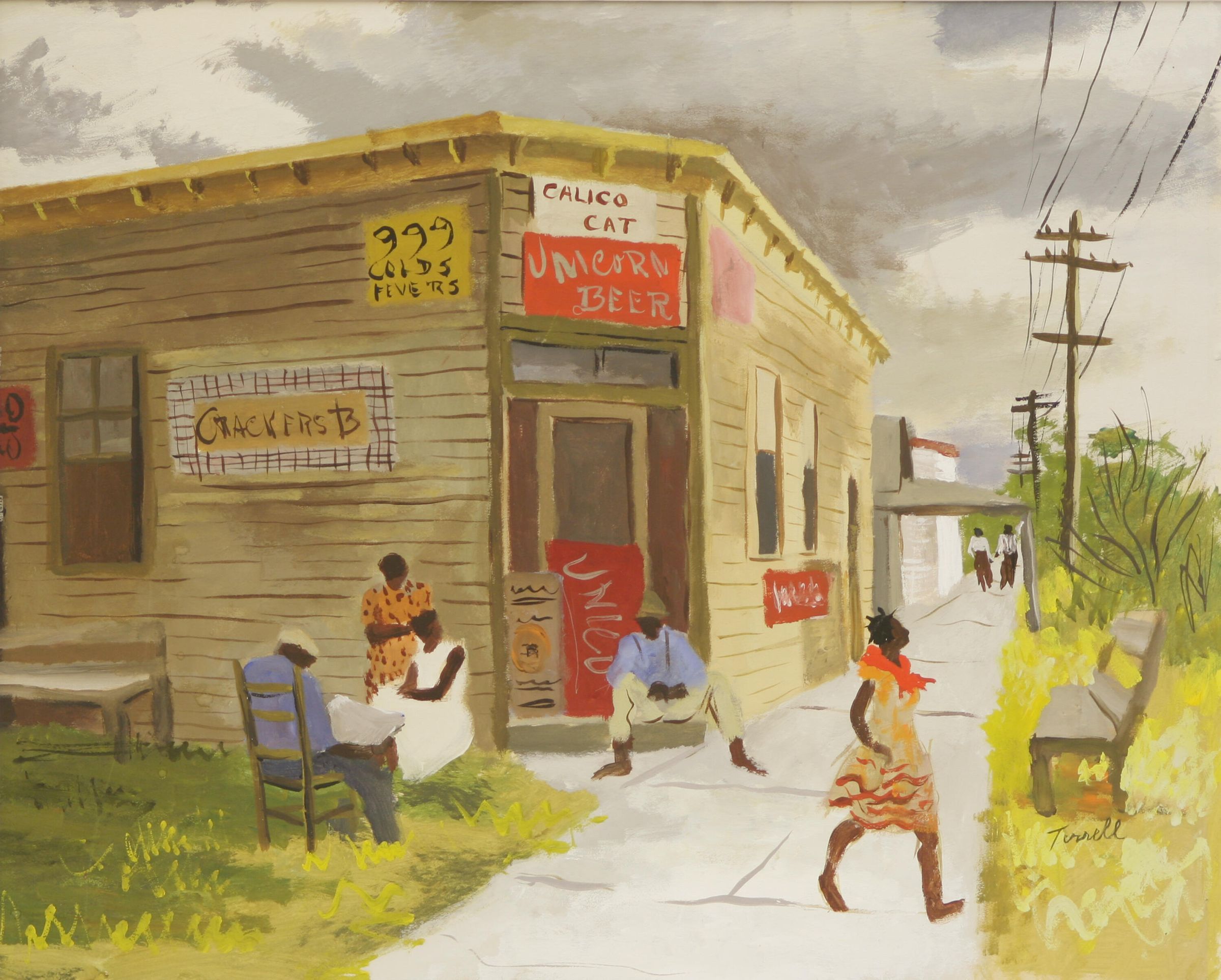
In 1933, Franklin Roosevelt's New Deal administration initiated the Works Progress Administration as part of an attempt to help the United States recover from the Great Depression by putting Americans back to work. One group of Americans that suffered from very high unemployment was artists, and one of the WPA programs was the Public Works of Art project (later called the Federal Art Project), in which artists were put to work creating art for public places and for the people, whereas it had been primarily for the rich and powerful up to that time. Roosevelt felt that the project would improve the lives of average Americans, as well as providing employment for unemployed artists. During the ten years of the project's life, many thousands of art works were created. Often portraying common people in everyday settings, they showed Americans the dignity of everyday activities. According to Roosevelt, the artist were "...native, human, eager and alive. All of it [their art, was] painted by their own kind in their own country, and painted about things that they know and look at often and have touched and loved." (quoted in People at Work: the Mulvane Art Center, 1987). Elizabeth Terrell's Calico Cat, one of 97 WPA works on paper in the collection of the Mulvane Art Museum, is just such an image.