Name/Title
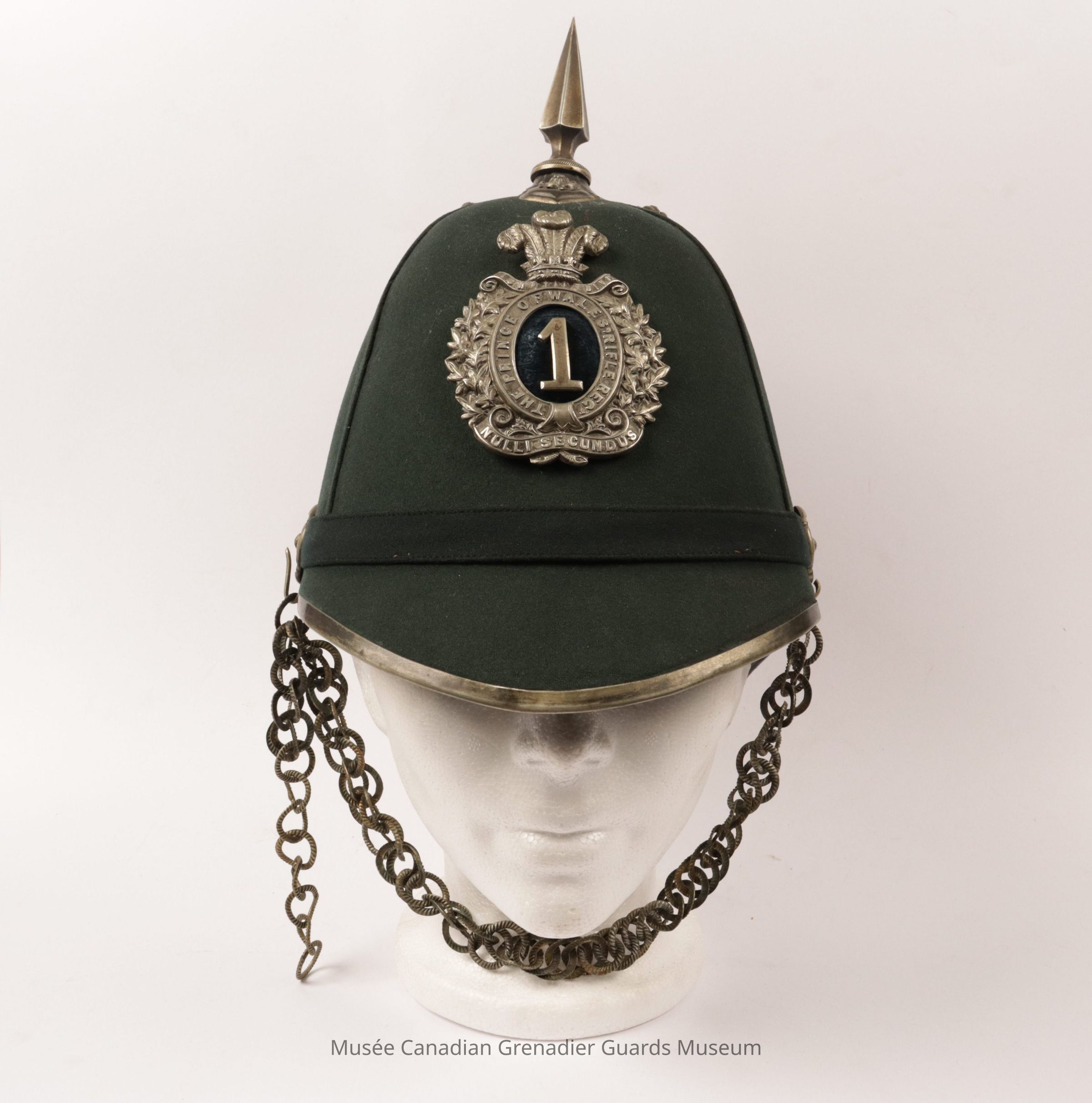
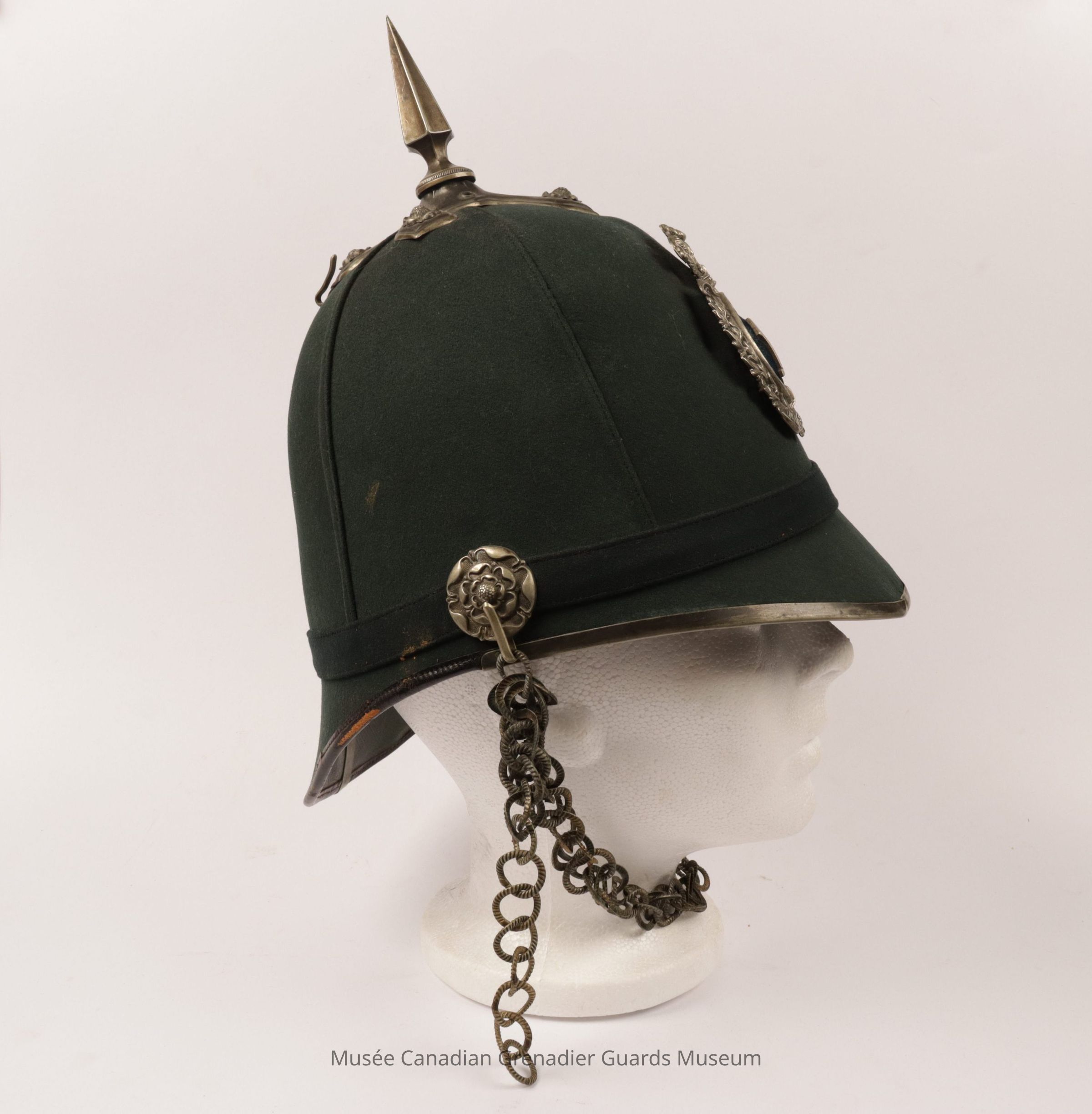
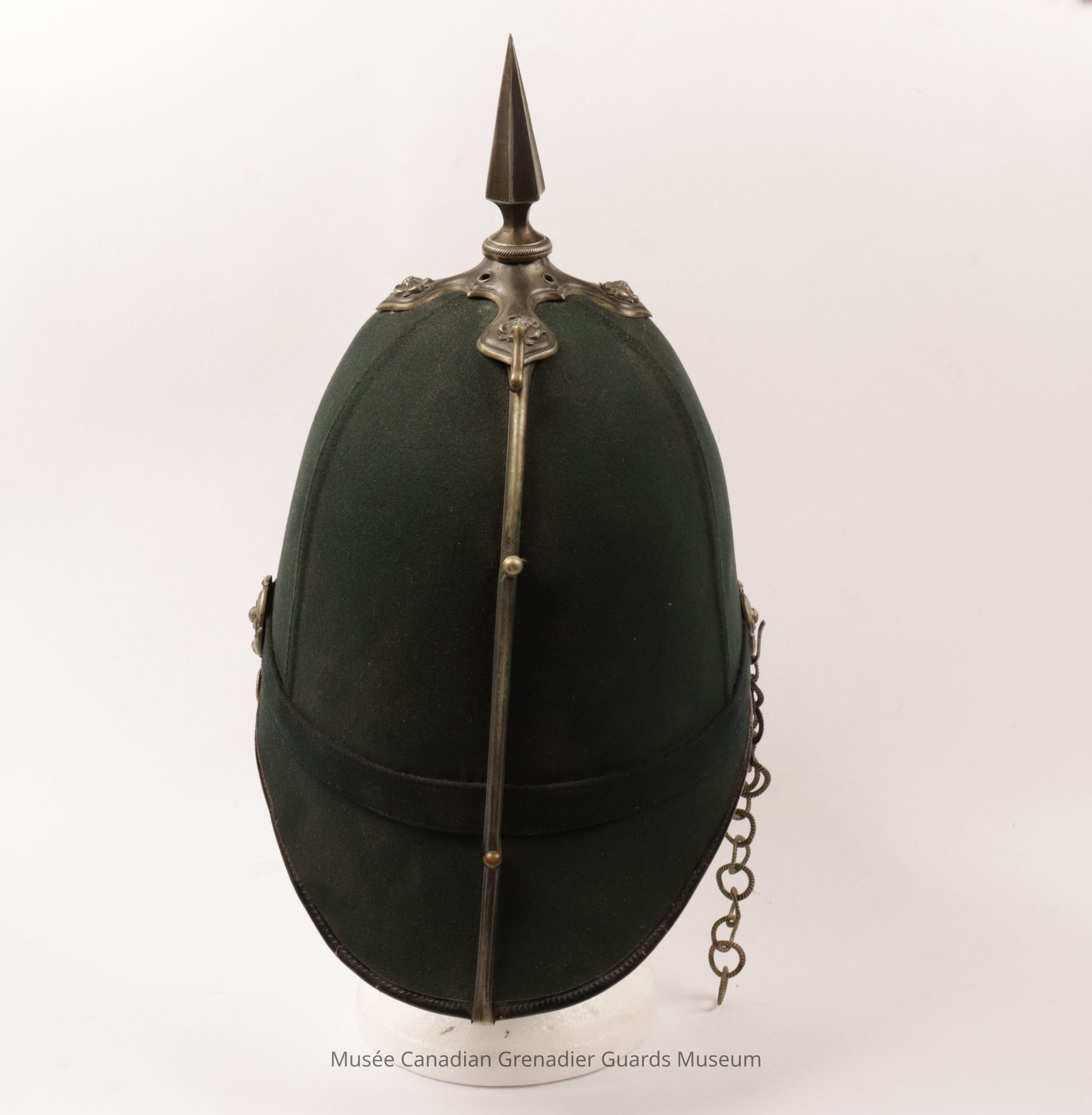
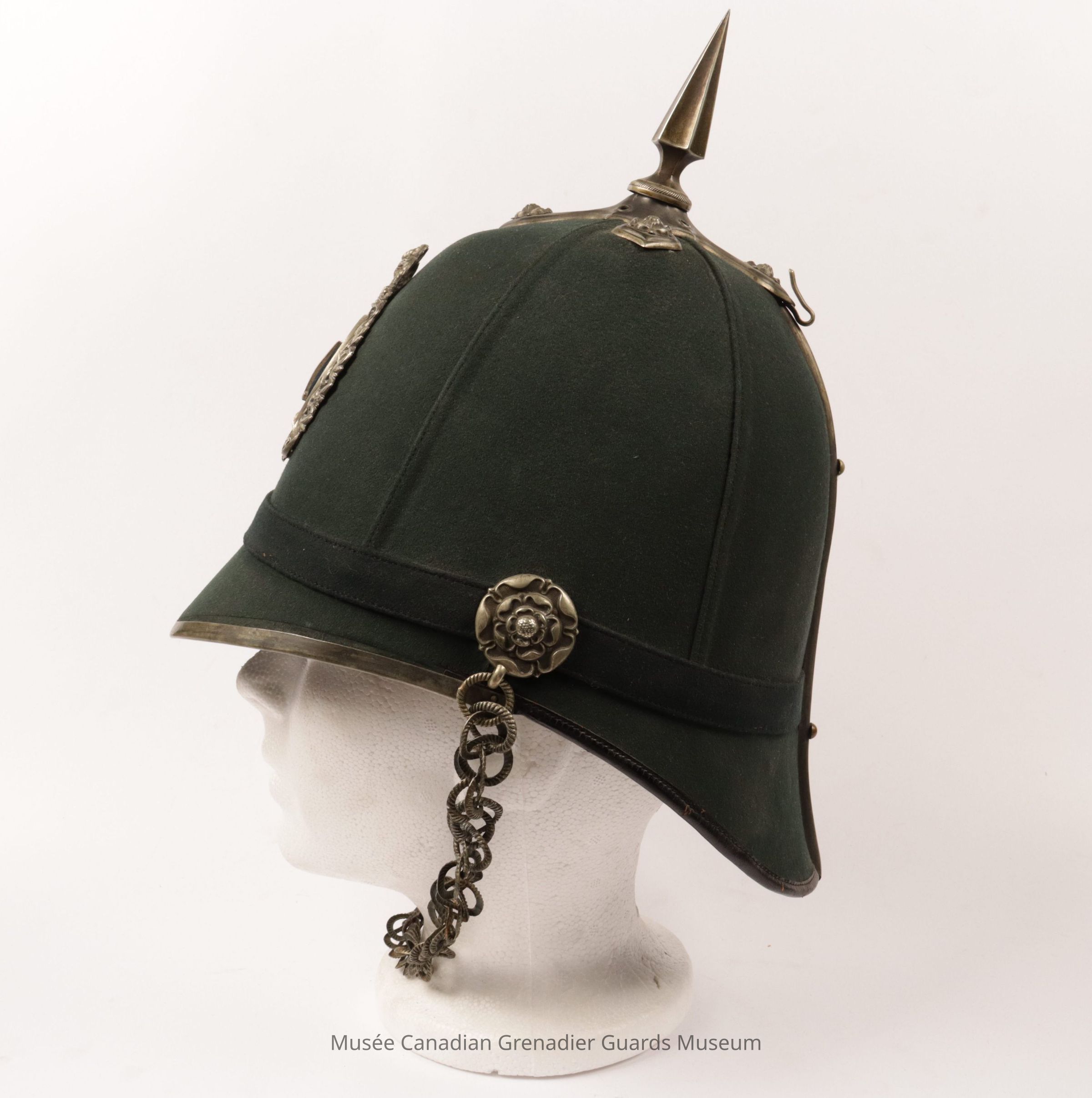
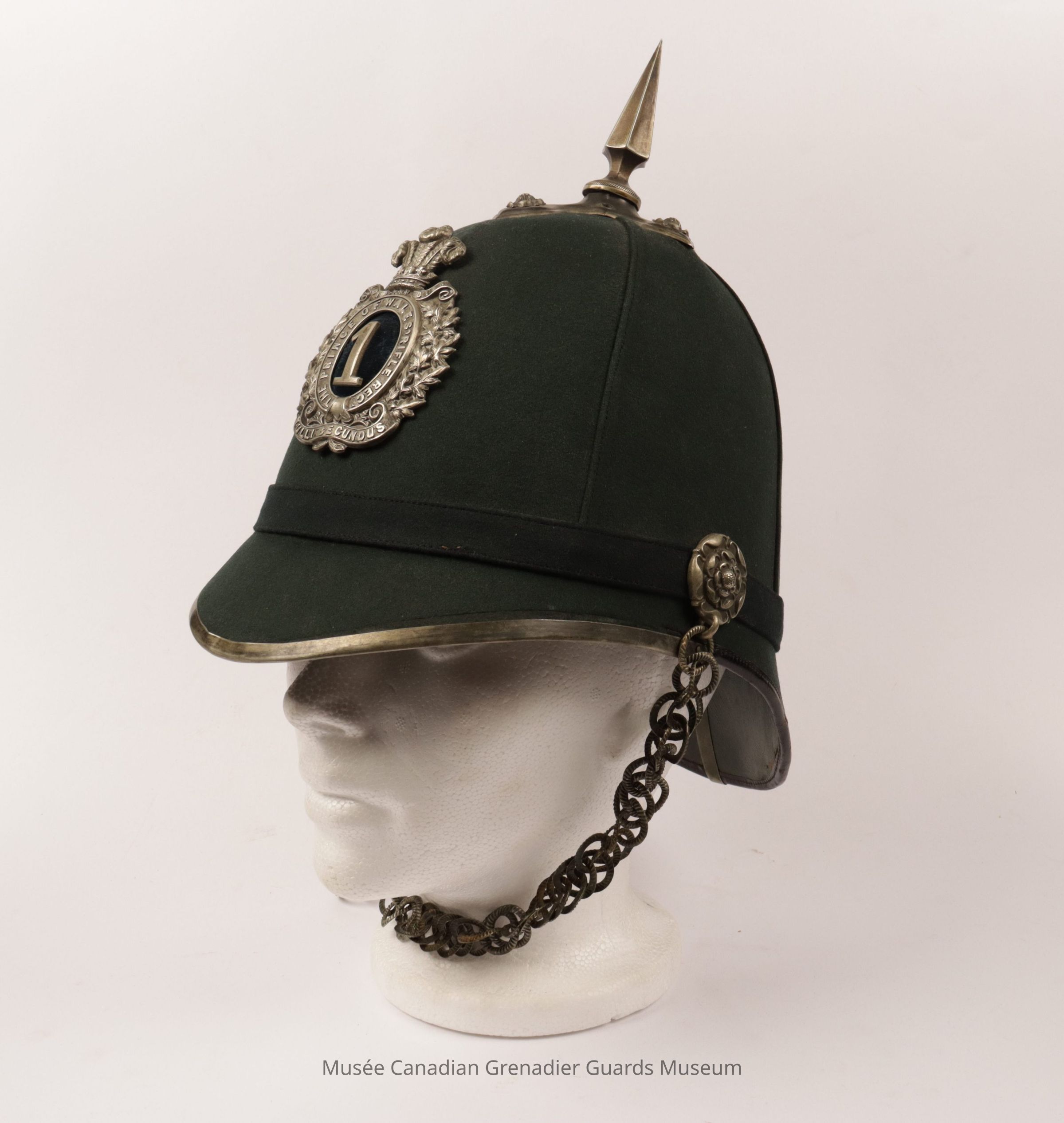
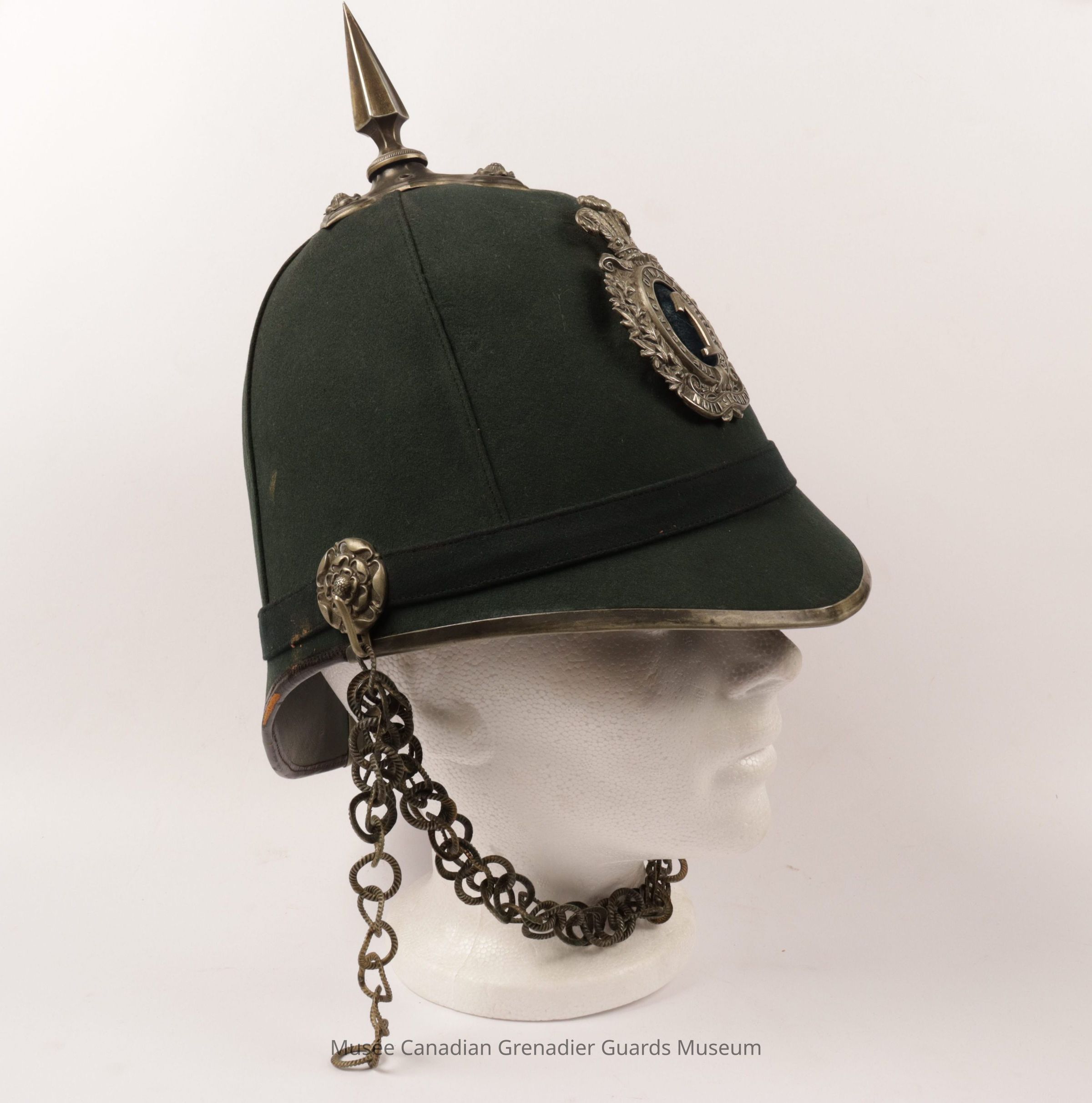
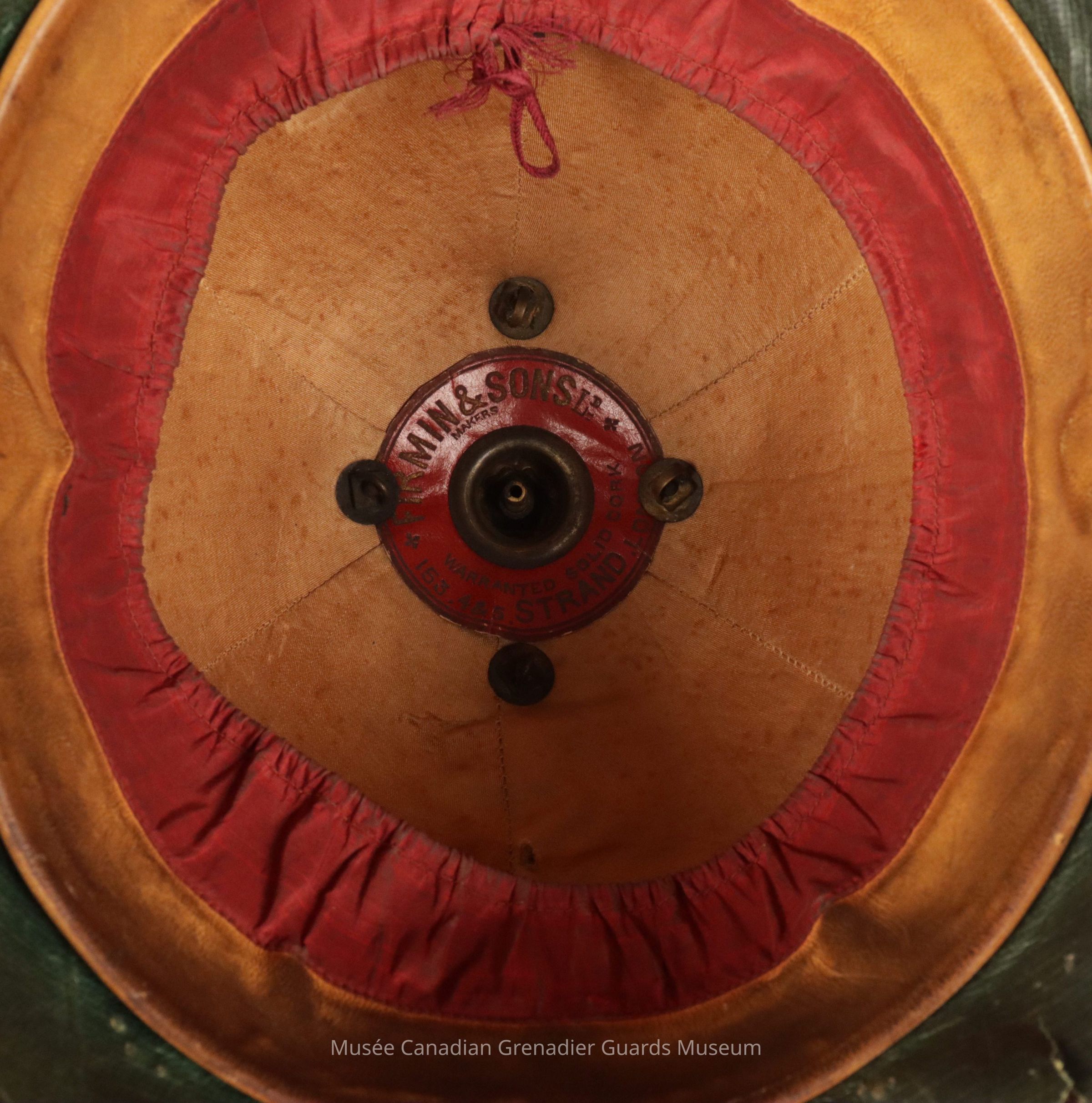
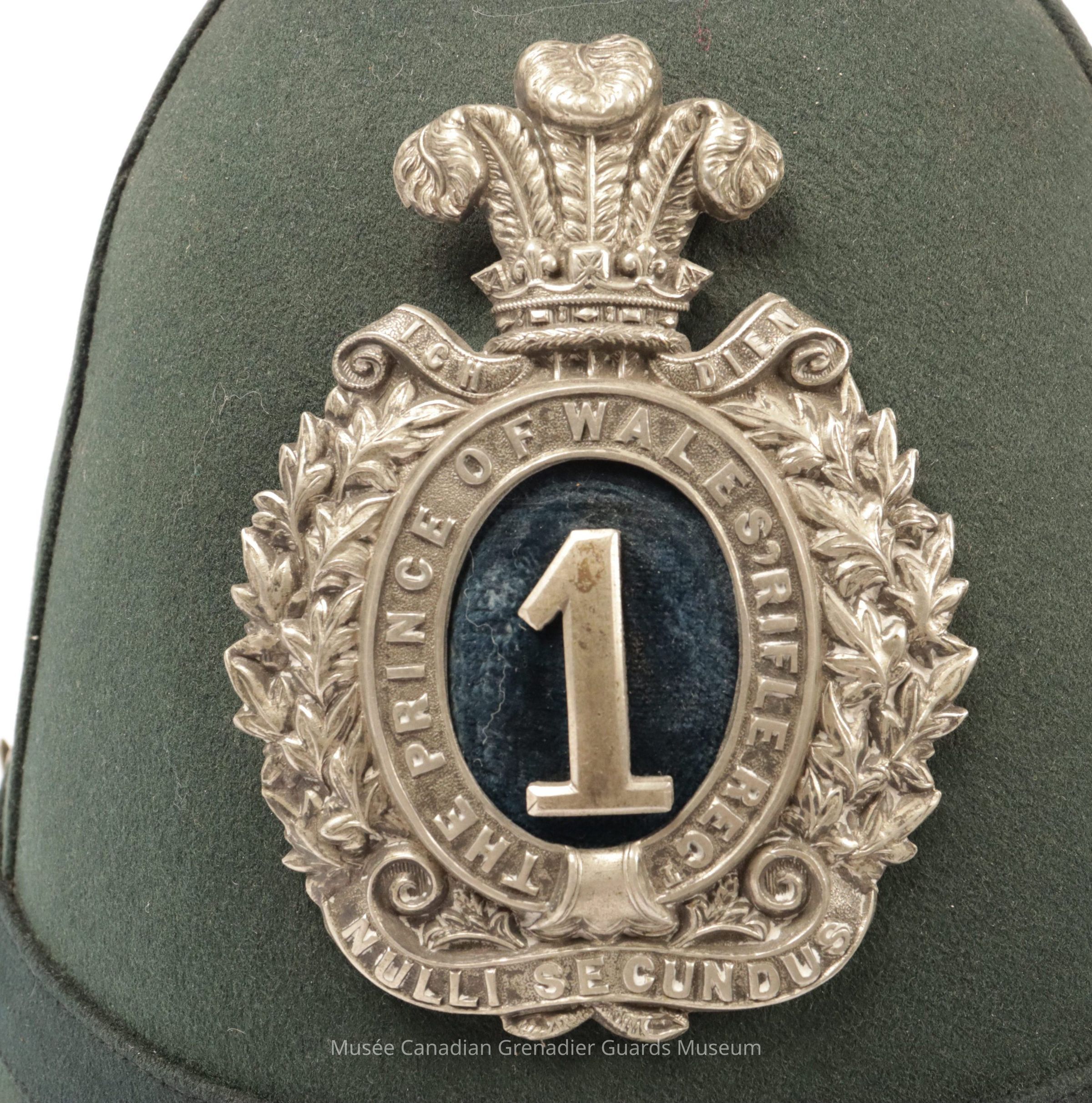
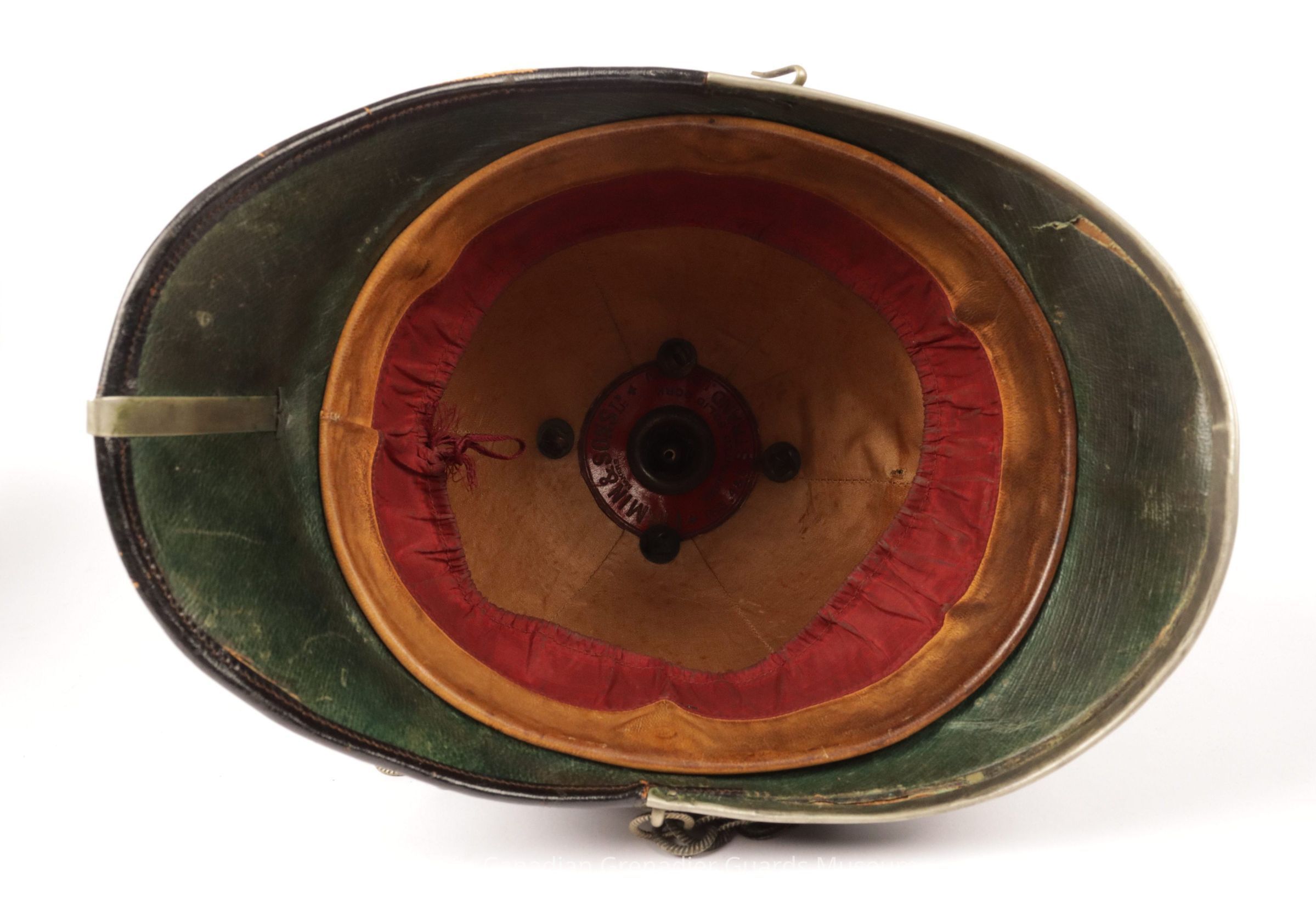
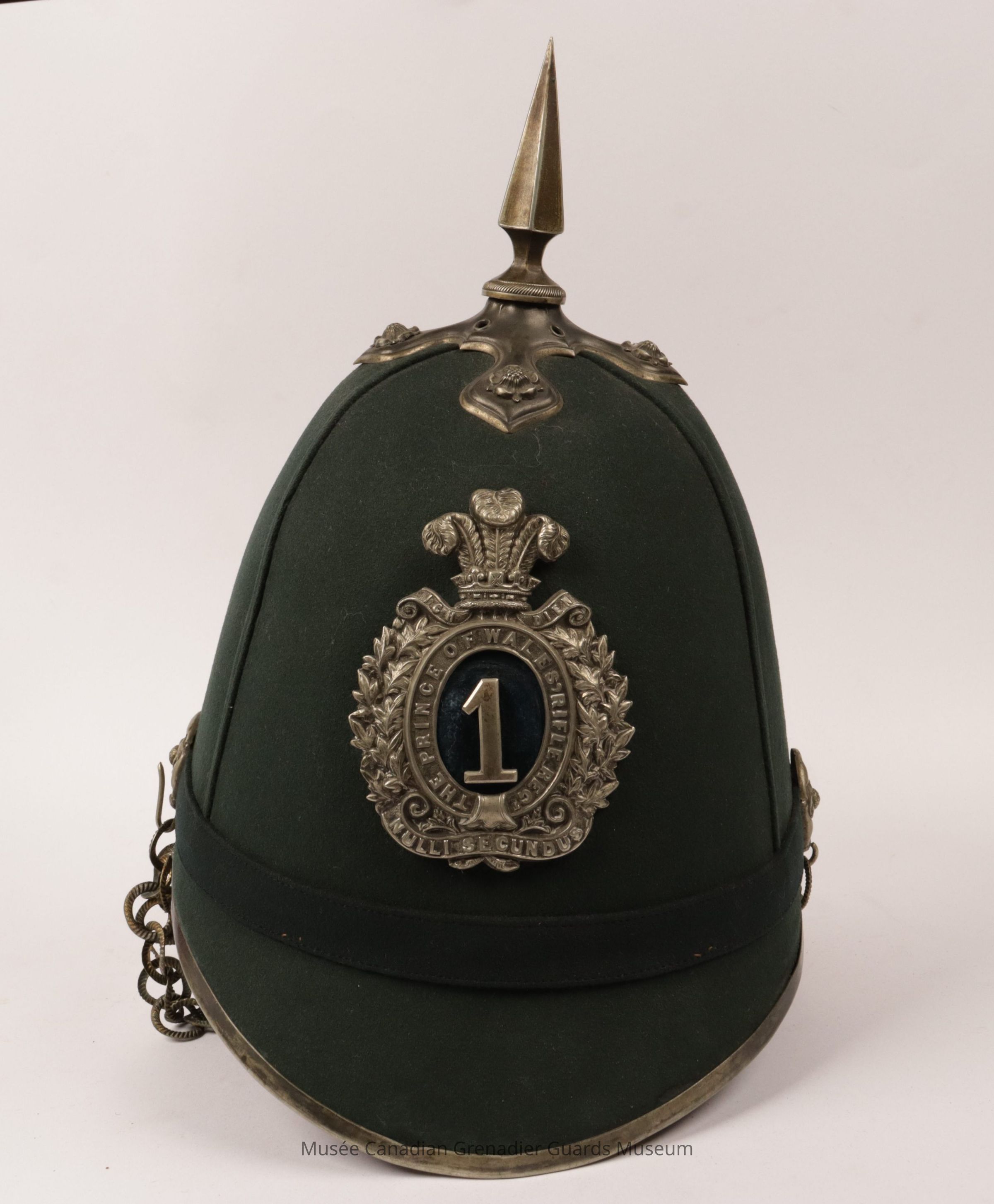
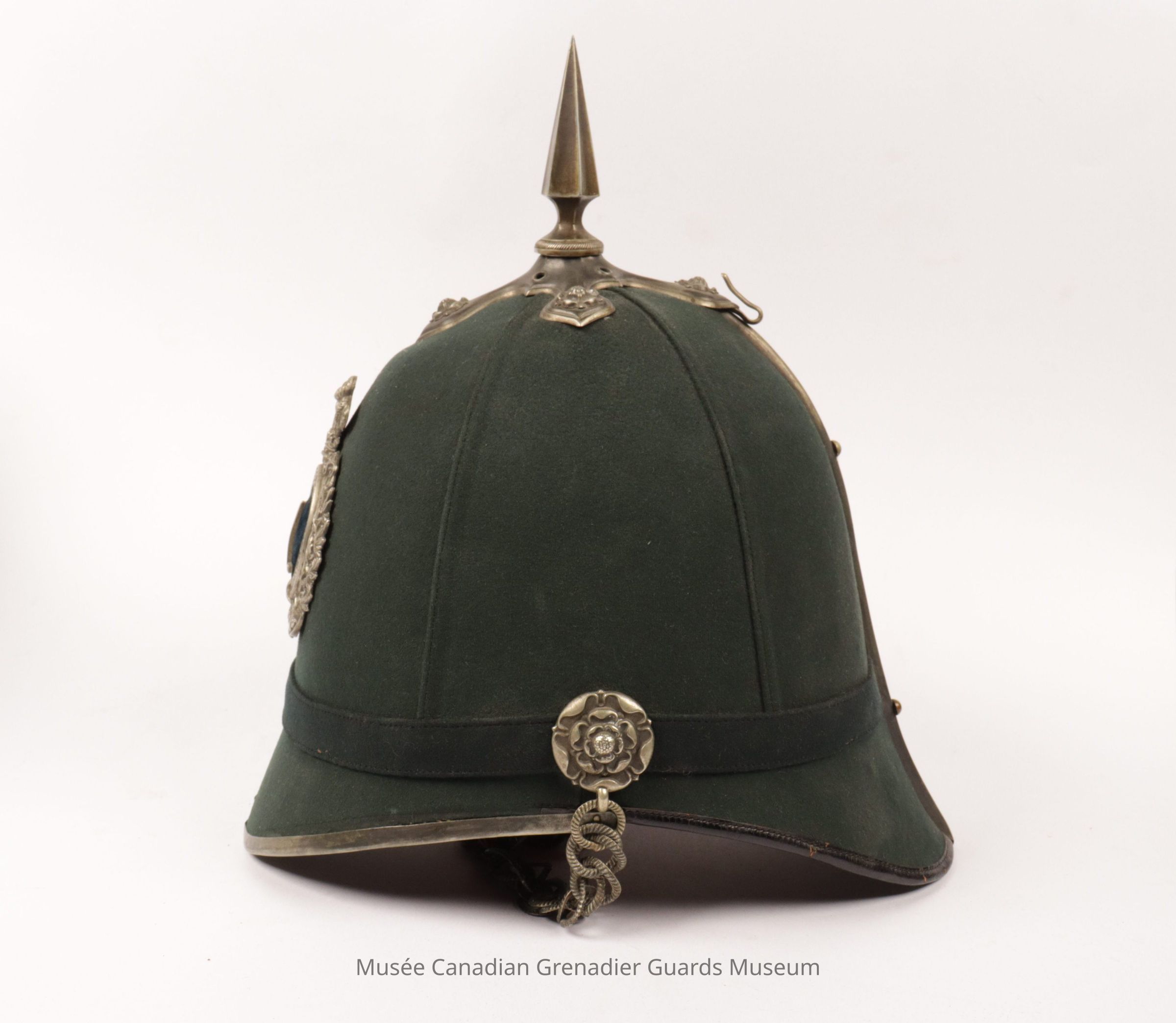
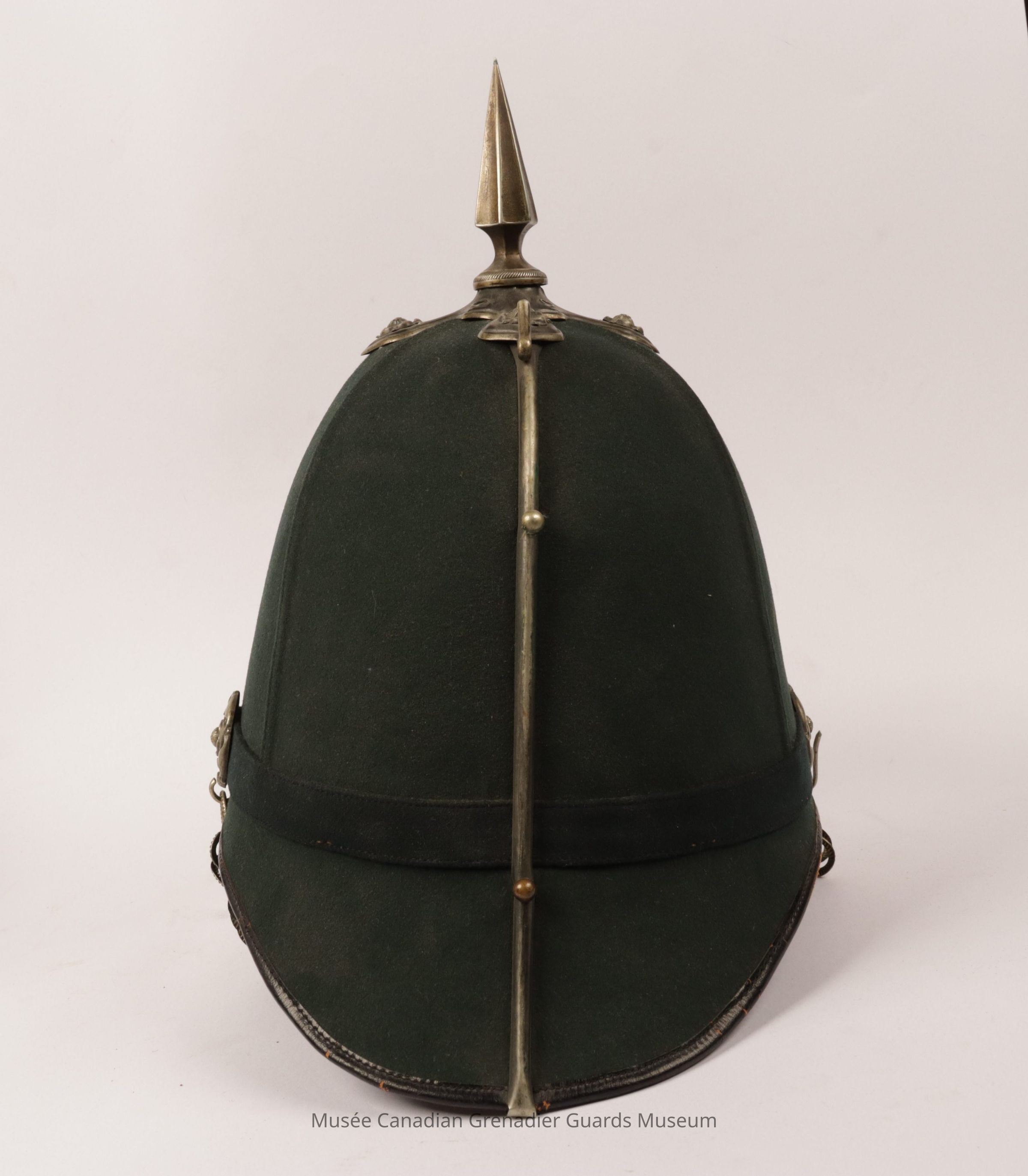
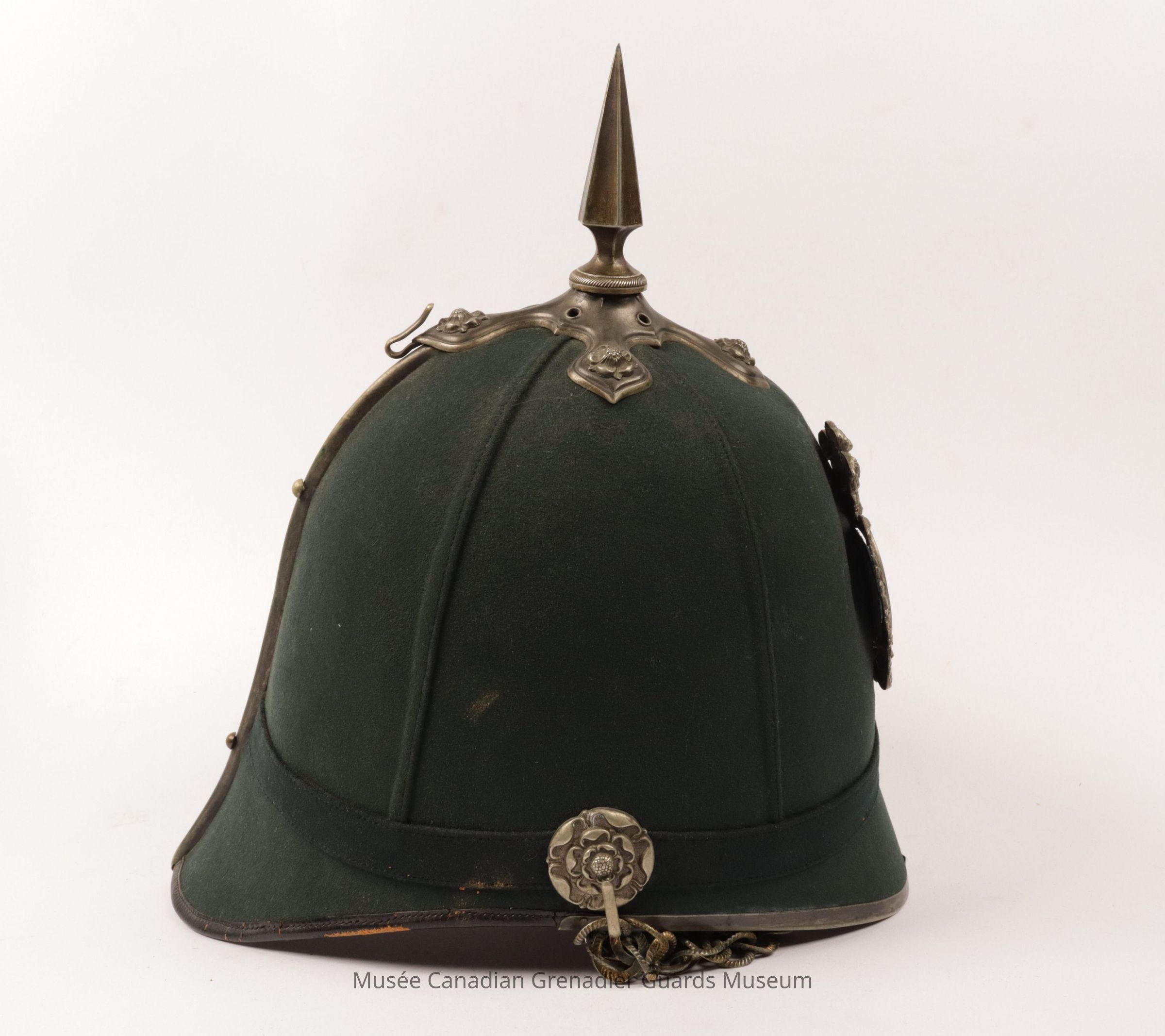
1885 - 1st Regiment Prince of Wales Rifle Regiment Officer's 1878 Pattern Home Service Helmet manufactured by Firmin & Son (London, UK), Circa 1885-1894Description
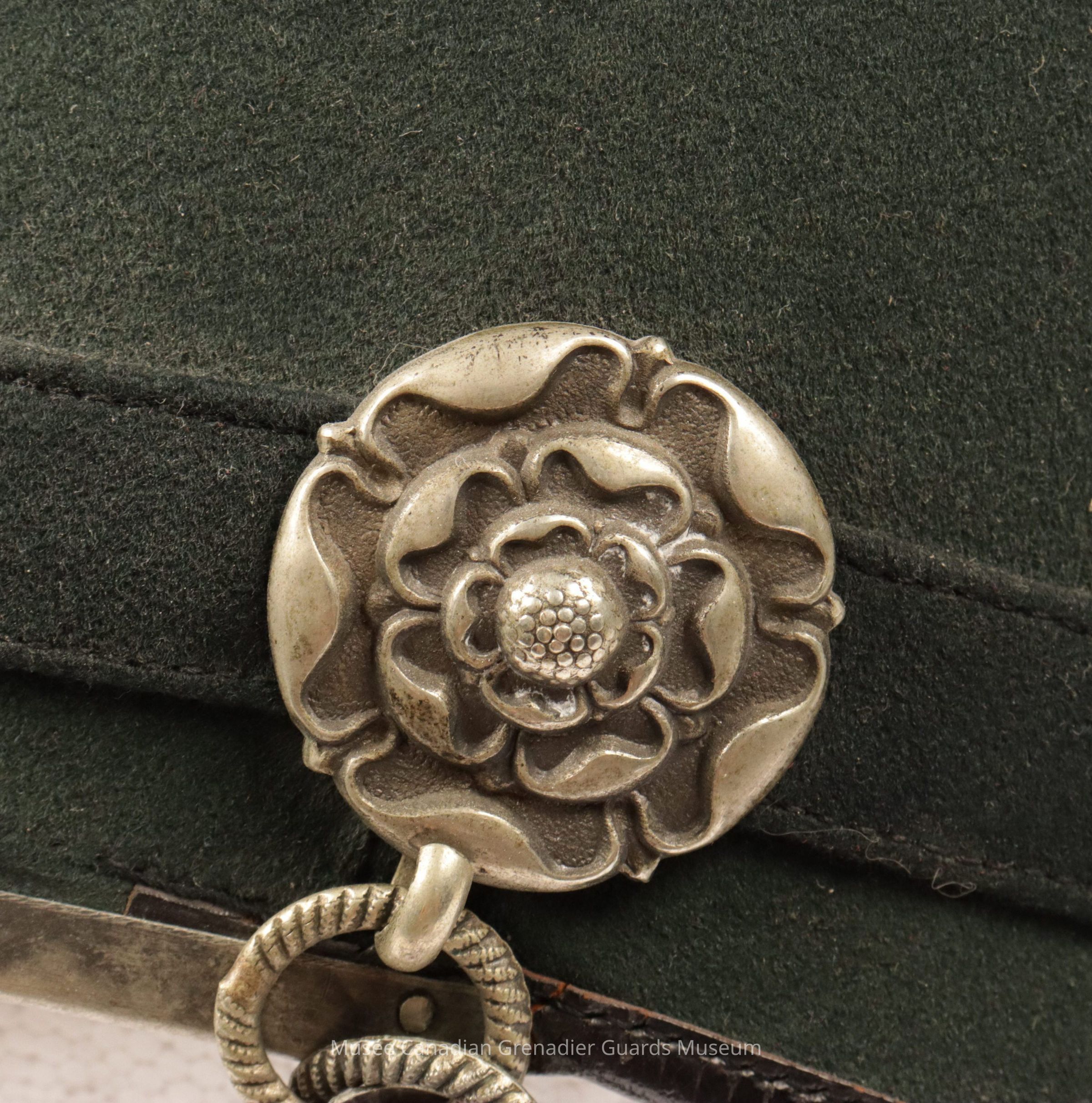
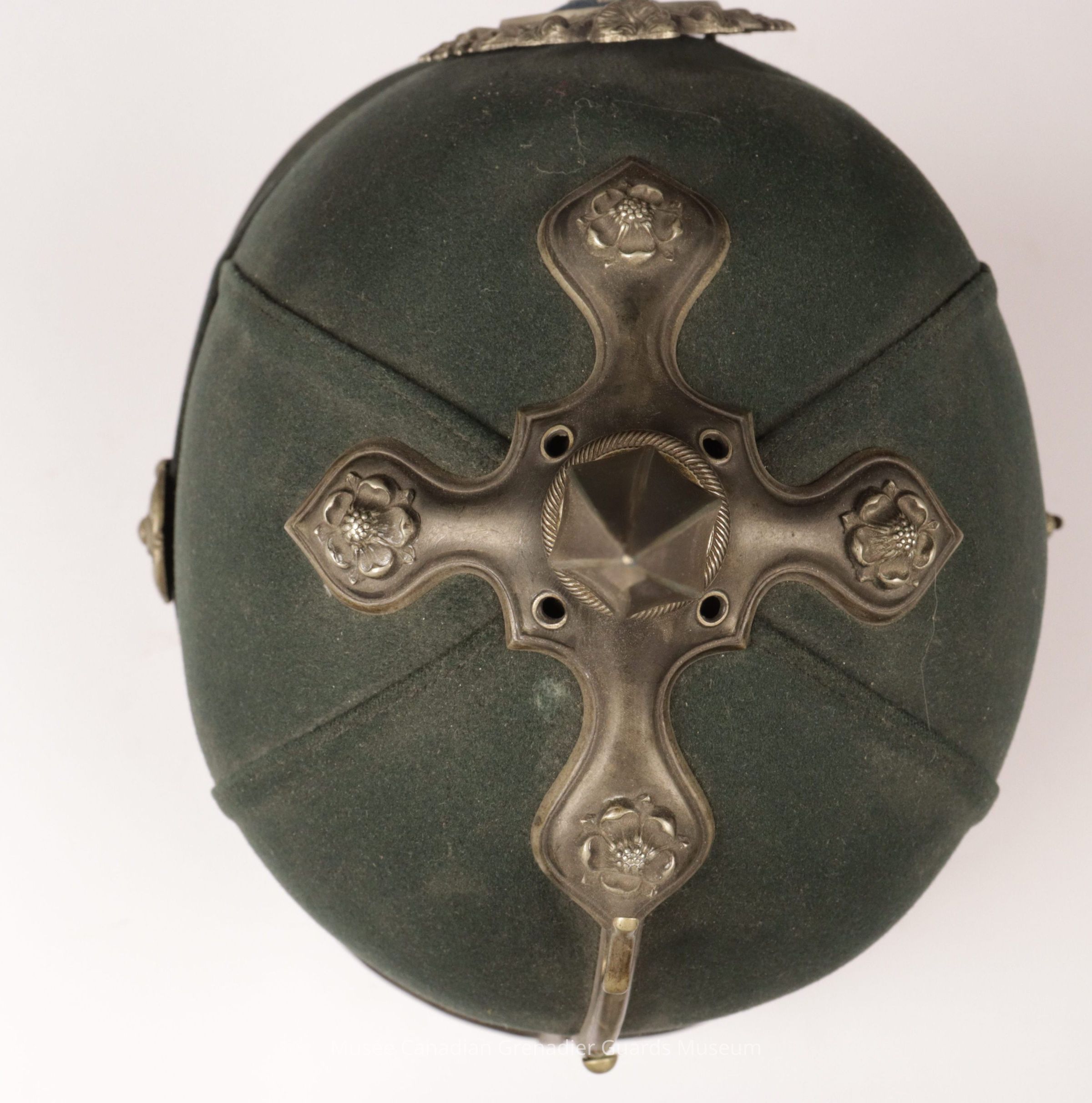
1885 - 1st Regiment Prince of Wales Rifle Regiment Officer's (Infantry) 1878 Pattern Home Service Helmet with Silver Cap Badge, Infantry Spike, and chain link chin guard manufactured by Firmin & Son (London, UK), Circa 1885-1894. This style helmet has a round front visor, and thick black cloth purgaree band.
ABOUT FIRMIN & SONS LTD.
Firmin House’s specialists in export and international sales, and metalwork manufacture, Firmin & Sons has been proudly manufacturing in the UK since 1655, making it the oldest manufacturing company in the UK, and one of the oldest still extant in the world.
From modest beginnings as button makers, they now design and supply british and commonwealth uniform, livery or badge, and the accessories and accoutrements to go with them. From ceremonial and parade dress to modern operational gear Firmin equips the British military and those of 34 other countries for every aspect of their roles. In 1790, The company moved to The Wheatsheaf, near Somerset House, Strand (which later was re-addressed as '153 Strand, 153/155 Strand' from 1885). Subsequently in 1894 the head office again moved to 108/109 St Martin's Lane and then to 8 Cork Street in 1908. The firm continued to be run by members of the Firmin family until it became a Limited Company in 1875.Context
Pith helmets were commonly worn during the 19th century, particularly by European colonialists, explorers, and soldiers. These hats were made from a lightweight material called pith, which is derived from the central core of certain types of tropical plants.
There were several reasons why pith helmets were worn during this time period:
1. Protection against the elements: Pith helmets provided shade from the sun, as their wide brims shielded the wearer’s face and neck from direct sunlight. The material used to make these hats also offered some level of insulation, helping to keep the head cool in hot climates.
2. Practicality: The lightweight nature of pith helmets made them comfortable to wear for extended periods in tropical environments. They were also easily collapsible, allowing for easy packing and transportation.
3. Symbol of authority: In colonial settings, wearing a pith helmet became a visible symbol of authority and power. It signified a person’s role as an official, military officer, or member of the ruling class. The hat’s distinctive appearance helped establish a sense of superiority and dominance over the local population.
4. Status and fashion: Pith helmets were fashionable accessories during the 19th century, both within colonial circles and in Western society at large. They were often adorned with decorative elements such as feathers, ribbons, or small badges, which further enhanced their appeal and served as indicators of social status.
It’s important to note that the use of pith helmets has since been criticized for its association with imperialism and colonialism. Today, they are mostly regarded as artifacts of a bygone era rather than functional headwear.Created By
Abdourahamane, IssaCreate Date
December 30, 2023Updated By
Lieutenant Michael Hayes-Rivet, retired.Update Date
June 4, 2025