Name/Title
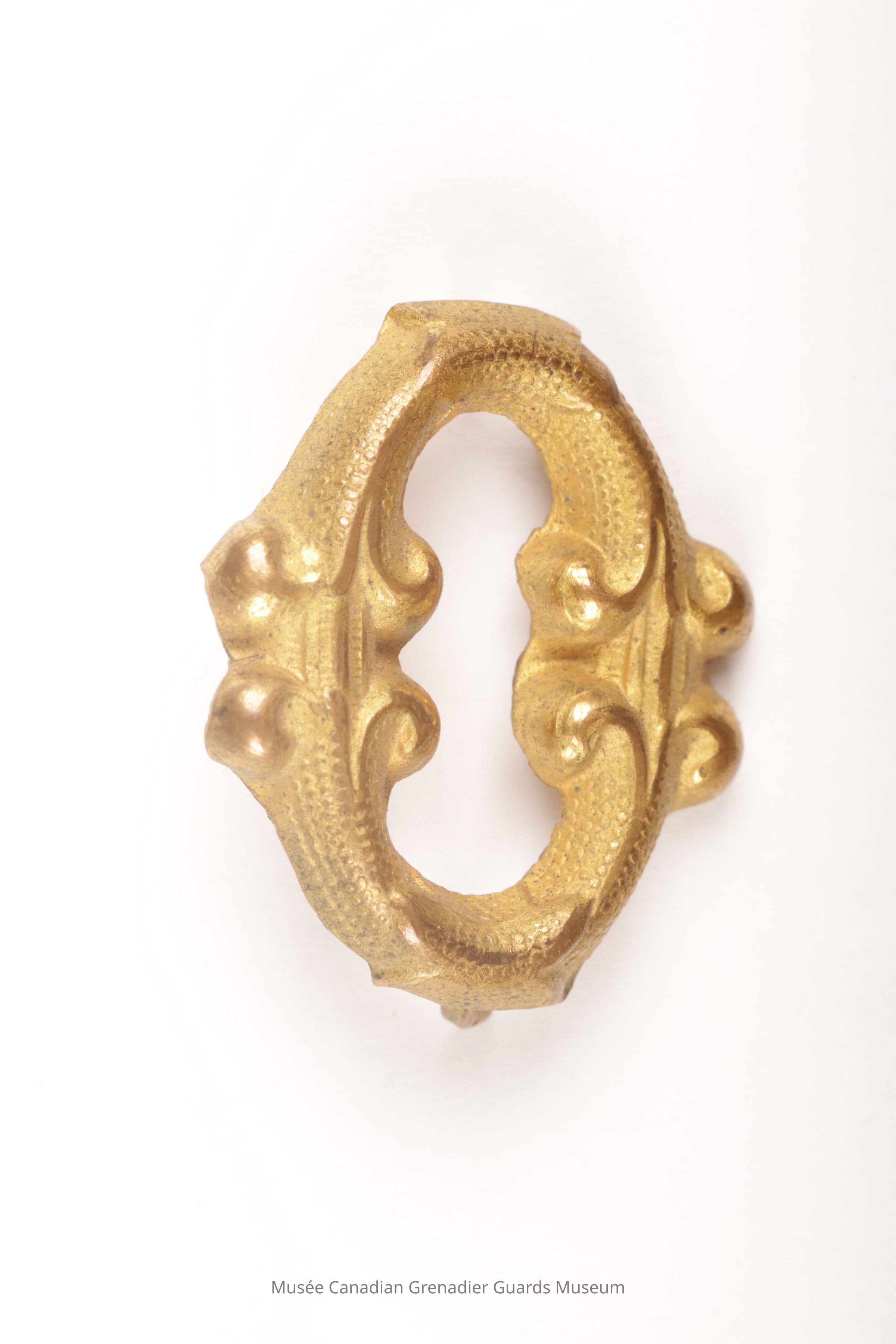
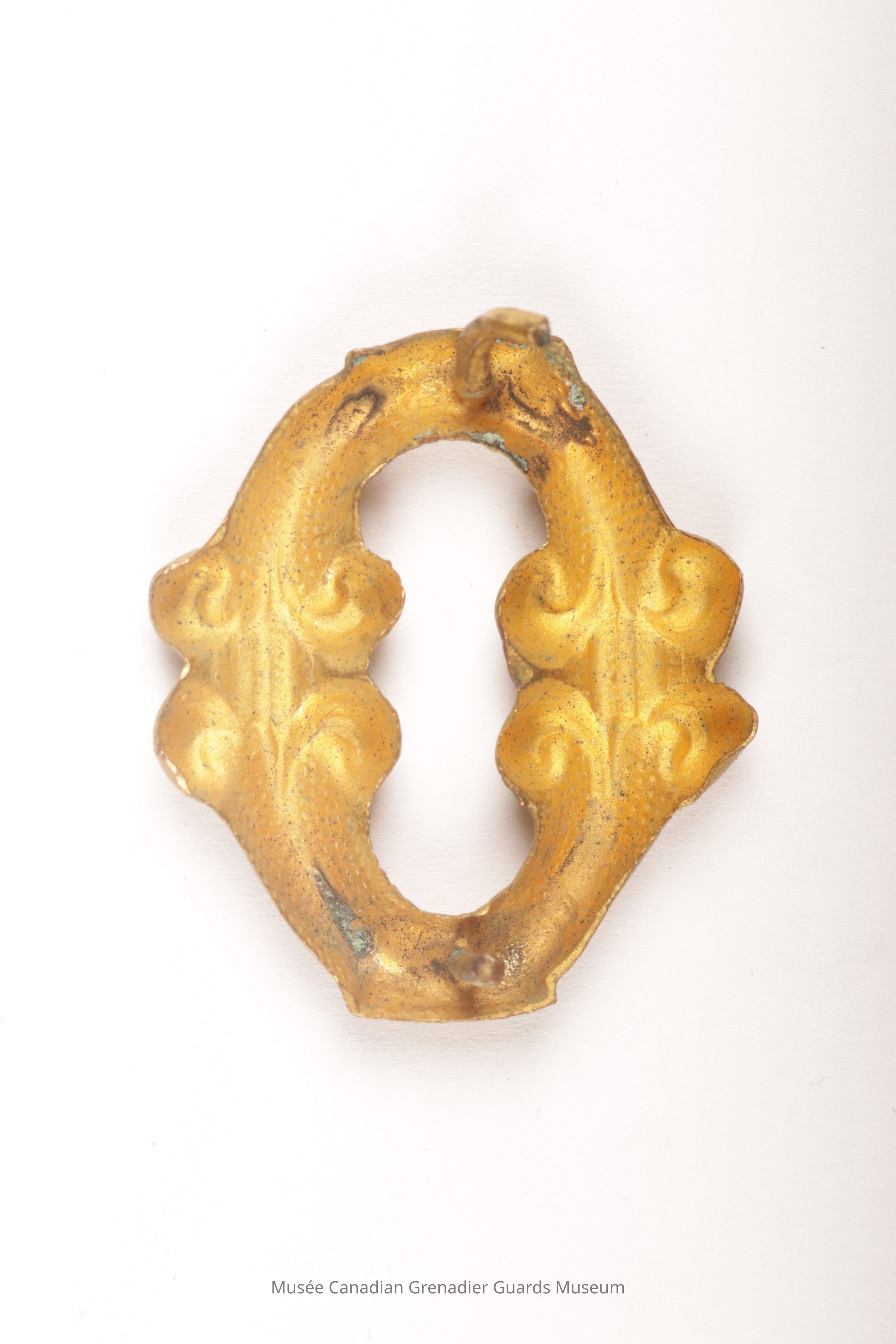
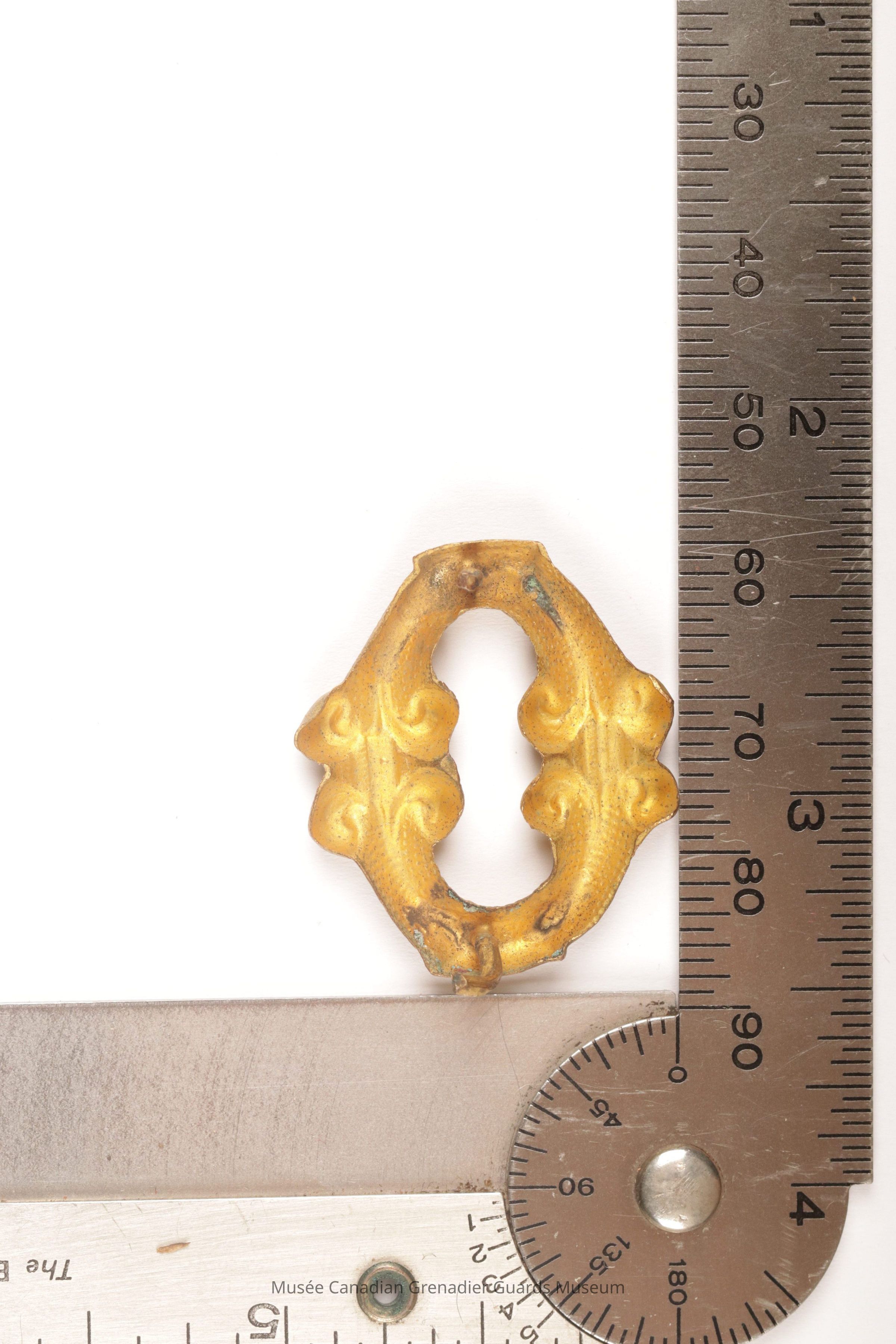
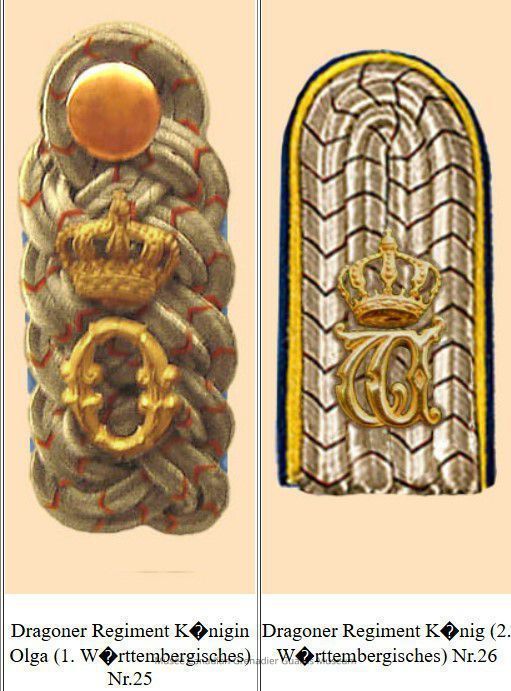
1918 - WW1 - IMPERIAL GERMANY - a captured Officer Shoulder strap 'O' Accoutrement from The "Queen Olga" 1st Württemberg Grenadier Regiment No. 119 (Grenadier Regiment Konigin Olga - Worttembergisches - Nr.119 )Description
1918 - WW1 - IMPERIAL GERMANY - a captured Officer Shoulder strap 'O' Accoutrement from The "Queen Olga" 1st Württemberg Grenadier Regiment No. 119 (Grenadier Regiment Konigin Olga - Worttembergisches - Nr.119 )
ABOUT THE IMPERIAL GERMAN GRENADIER REGIMENT:
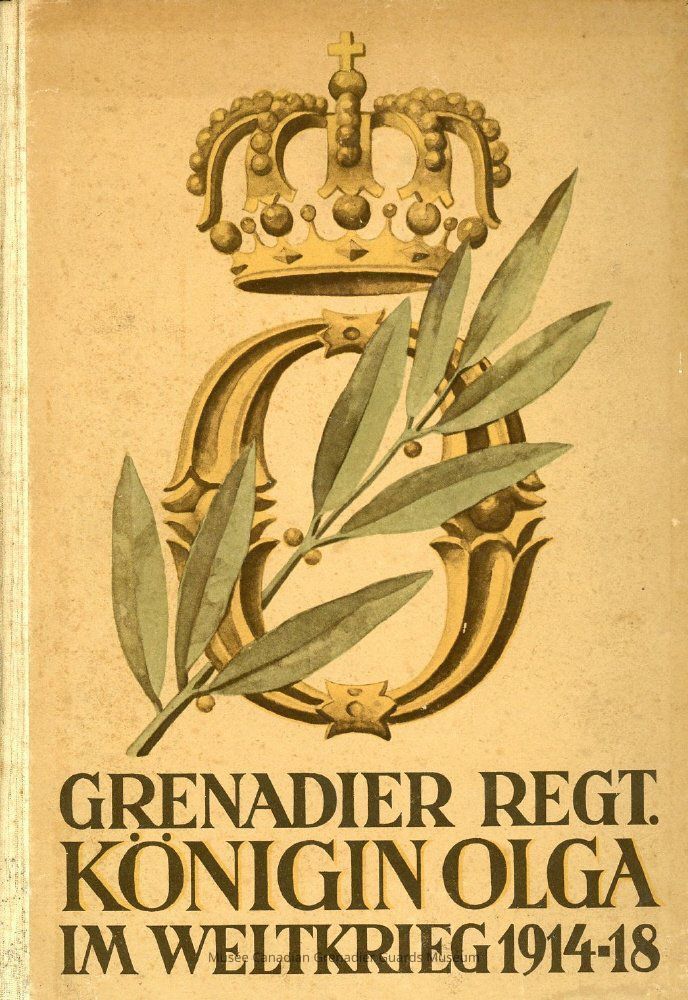
The Grenadier Regiment "Queen Olga" (1st Württemberg) No. 119 was a regiment of the Württemberg Army from 1806 to 1919. The regiment bore the honorary name Queen Olga, named after the Russian Grand Duchess Olga Nikolaevna Romanova, the wife of King Charles I.
The regiment mobilized on August 2, 1914 and was deployed on various fronts throughout the war. The XIII (Royal Württemberg) Army Corps initially fought in the Argonne . From 1 December 1914, the 26th Division (1st Royal Württemberg) and the 25th Reserve Division (with subordinate Württ. Field Artillery Regiment 132) took the XIII Corps with the 9th Army ( Mackensen ), in Poland and advanced to the Bzura . In March 1915, the XIII Army Corps was 12th Army ( Gallwitz ) and moved north to Przasnysz. In 1916, the regiment was deployed as part of the division in the Battle of the Somme .
In 1917, the division took part in the Battle of Arras and the Second Battle of Flanders. From 12 September it was transferred from Zabern to the Klagenfurt Area , where it arrived on 7 October, with the 200th Infantry Division, the General Command, e.g. V. (for special use) 51 and equipped and trained for fighting in the mountains. From 24 October onwards, the division took part in the fighting in Veneto (Twelfth Battle of the Isonzo and First Battle of the Piave) and reached the Piave, where it remained until 6 December[3]. She was then transferred to the Molsheim area for training behind the front and came to Valenciennes in March 1918. During the German Spring Offensive of 1918, the division advanced as far as Beaumont in Operation Michael and was then deployed at Reims. In the retreat battles, it retreated to the Antwerp-Meuse position, from where it marched back on foot via Prüm, Linz am Rhein and Ferndorf after the armistice of Compiègne. in the Marburg Area . From there, the regiment reached its peace garrisons in Stuttgart, where demobilization took place on December 19, 1918.Created By
Zarina CarlevarisCreate Date
July 14, 2022Updated By
Lieutenant Michael Hayes-Rivet, retired.Update Date
October 30, 2024