Name/Title
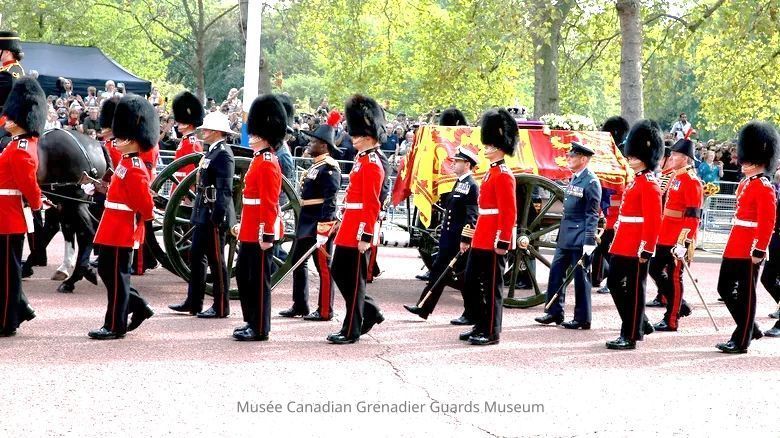
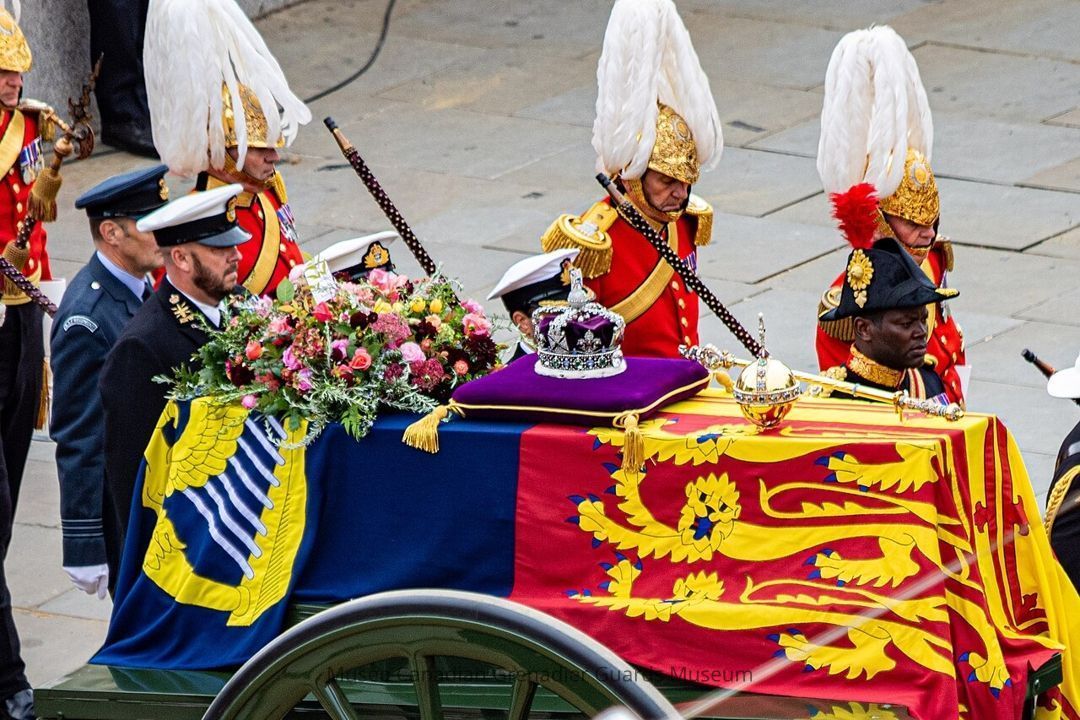
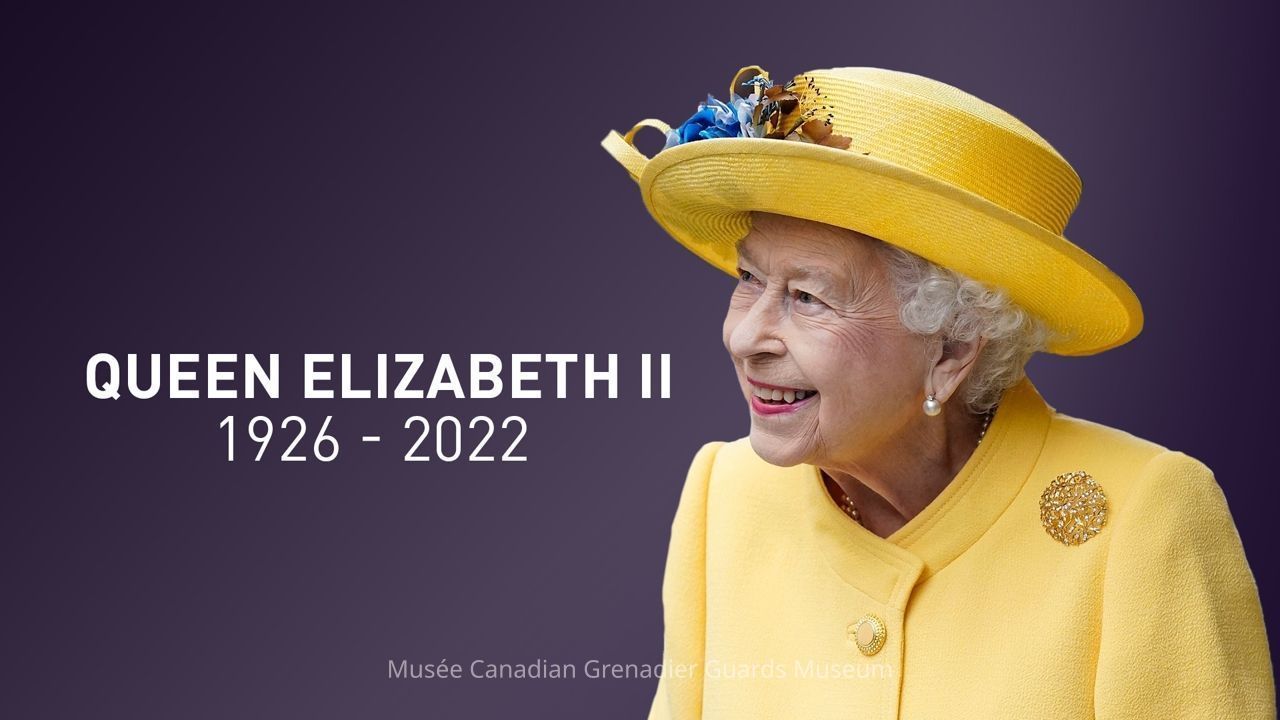
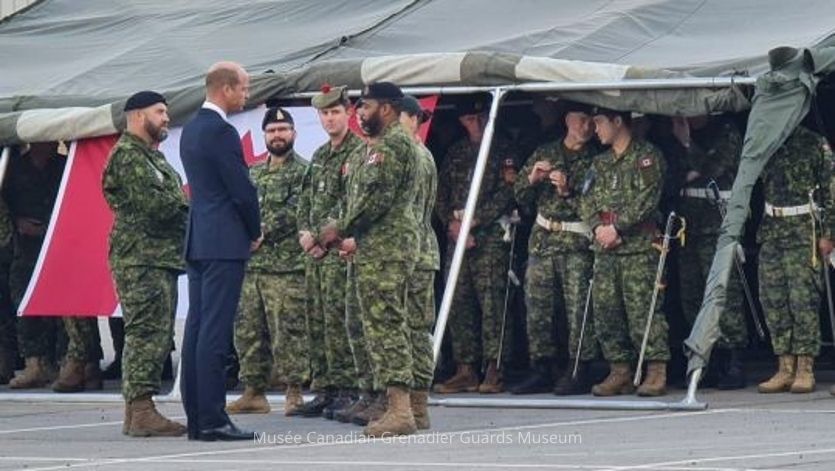
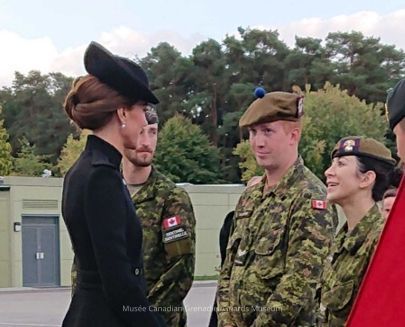
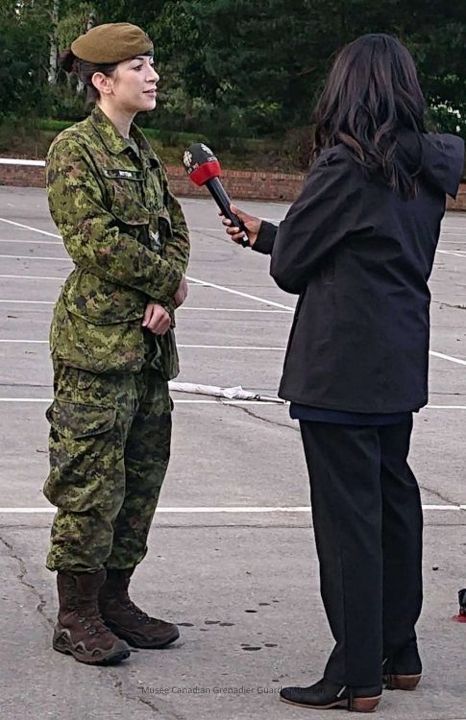
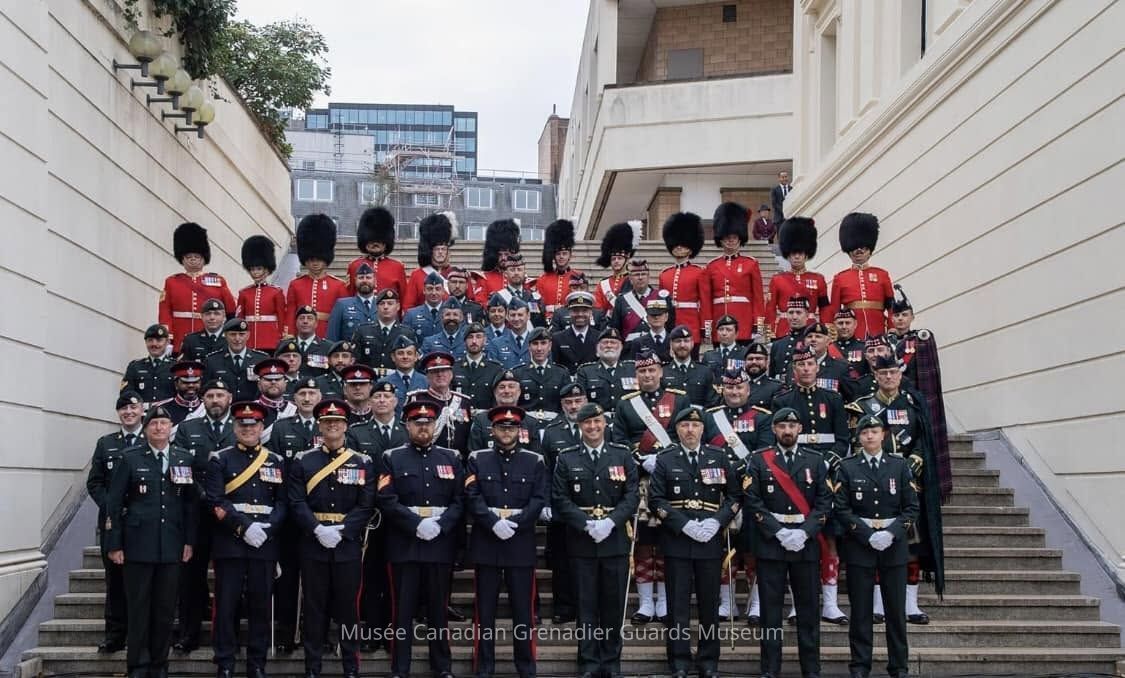
2022 - 19 September - Members of CGG participate in Operation 'London Bridge' - The Funeral of Her Majesty Queen Elizabeth II (1926-2022) Late Colonel in Chief of The Canadian Grenadier GuardsScope and Content
2022 - 19 September - Members of CGG participate in Operation 'London Bridge' - The Funeral of Her Majesty Queen Elizabeth II (1926-2022) Late Colonel in Chief of The Canadian Grenadier Guards. During the operation, a total of 4,416 British soldiers were deployed from the British Army, 847 from the Royal Navy (142 of whom pulled the queen's gun carriage), and 686 from the Royal Air Force. An estimated 175-armed forces personnel from Commonwealth nations (Canada, New Zealand, Australia, etc.) participated in London.
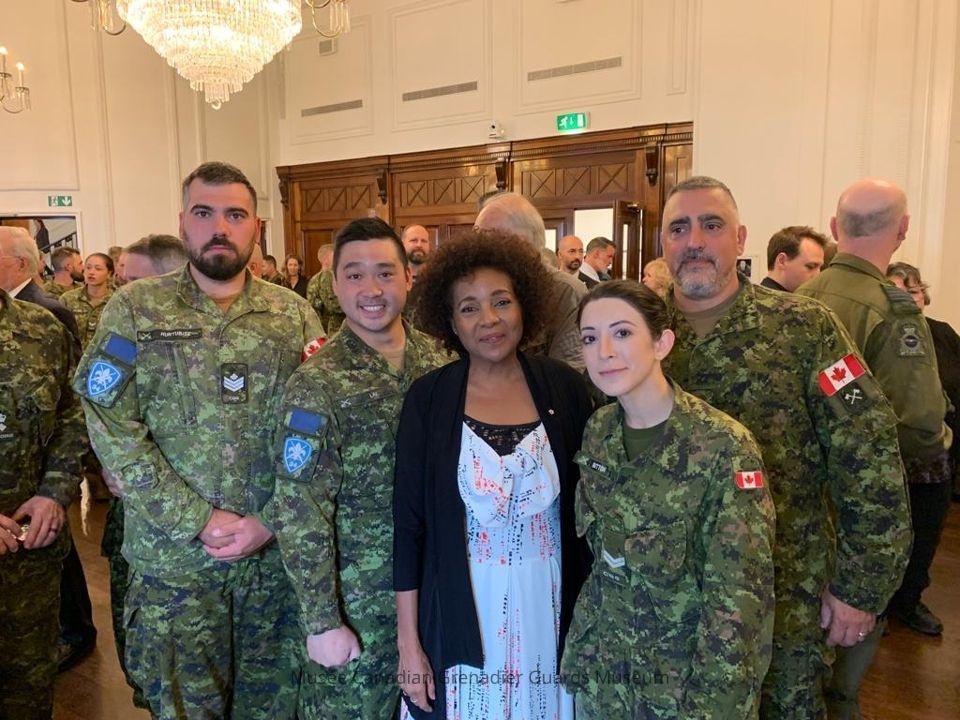
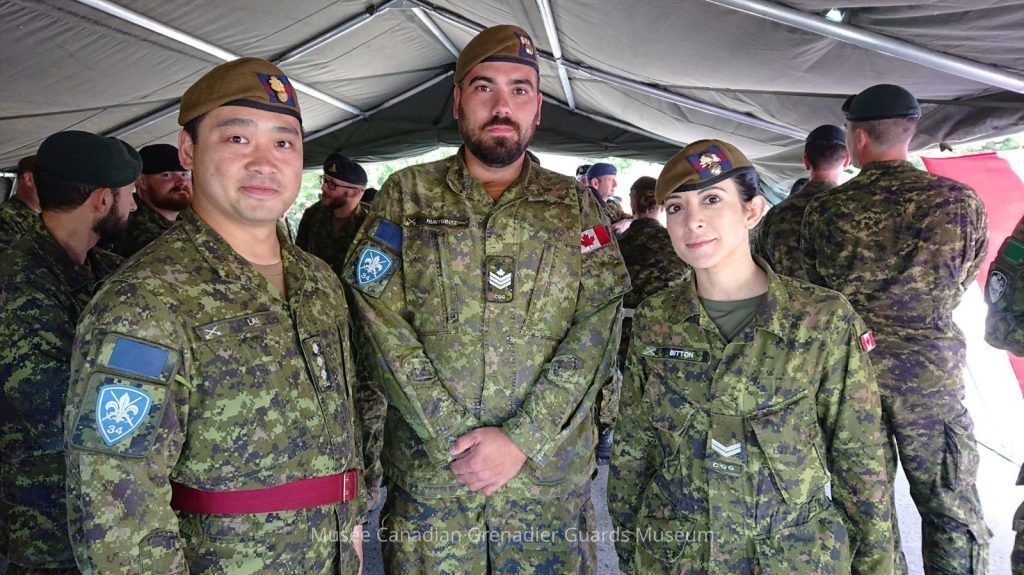
Members of The Regiment who flew to the UK to participate in Operation 'London Bridge' include:
1. Former Colonel of the Regiment, Former Governor General HE Michaelle Jean, PC CC CMM COM CD
2. Lieutenant-Colonel Nunez, MMM, CD
3. Captain Jonathan Lai,
4. Sergeant Alexandre Hurtubise, CD
5. Corporal Raquel Bitton
ABOUT OPERATION LONDON BRIDGE
In Canada, preparations were made as early as 2002, during Queen Elizabeth II's Golden Jubilee. Consultations over the plans have been made with the Canadian Armed Forces, the Canadian Privy Council Office, the Canadian secretary to the Queen, the Department of Canadian Heritage, the office of the governor general of Canada, and the office of the Earl Marshal in the United Kingdom. The federal government's planning for the death of the Queen was somewhat reliant on what was outlined in the Manual of Official Procedure of the Government of Canada, a document produced by the Privy Council Office in 1968. In addition to the federal government, provincial governments have also implemented their own contingency plans for the death of the Queen, and the accession of Charles III.
After receiving the news about the Queen's death, the governor general would recall the Cabinet to Parliament Hill and proclaim that Canada has a new "lawful and rightful liege". The Privy Council for Canada had convened to proclaim Charles III in Canada. The Manual of Official Procedure of the Government of Canada states the prime minister is responsible for convening the Parliament, tabling a resolution of loyalty and condolence from the Parliament to the next monarch of Canada, and arranging for the motion to be seconded by the leader of the Official Opposition. The Prime Minister would then move to adjourn Parliament. The Canadian High Commissioner to the United Kingdom would be expected to represent Canada at the Accession Council.
An official mourning period for Elizabeth II would take place, the length of said period to be determined by the federal government; and issued by the governor general and the Department of Canadian Heritage. During the mourning period, a national memorial parade and service would be held in Ottawa. Additionally, ceremonial maces, portraits of the Queen, and flagpoles at Government Houses across Canada were draped in black fabric. A book of condolences was to be laid out near the front entrance of the Government Houses, with previously planned events cancelled. The death of the sovereign is considered a mandatory half-masting event for the Canadian government. Flags on all federal buildings and establishments in Canada and abroad would be flown at half-mast from the notification of death until sunset on the day of the funeral or memorial service.
Specific attire would be worn during the official mourning period. All staff of the governor general, provincial lieutenant governors, and territorial commissioners would be immediately issued black ties and black armbands. Other government officials would also wear a black armband. However, some legislative employees have to wear additional attire during the official mourning period. This includes the sergeants-at-arms, who are required to wear black gloves, piqué bow ties, and carry a black scabbard and sword; and pages, who are required to wear black cravats, armbands, and ribbons.
The Canadian Broadcasting Corporation (CBC) maintained a regularly updated plan for the death of the sovereign, which was considered a "Broadcast of National Importance". Regular programming would be cancelled, advertisements were to be halted, and all CBC television and radio stations would shift to a 24-hour news format. The CBC also had a specially picked squad of broadcasters on call to come to the news desk at the time of the sovereign's death.Created By
Lieutenant Michael Hayes-Rivet, retired.Create Date
January 17, 2026Updated By
Lieutenant Michael Hayes-Rivet, retired.Update Date
July 5, 2026