Name/Title
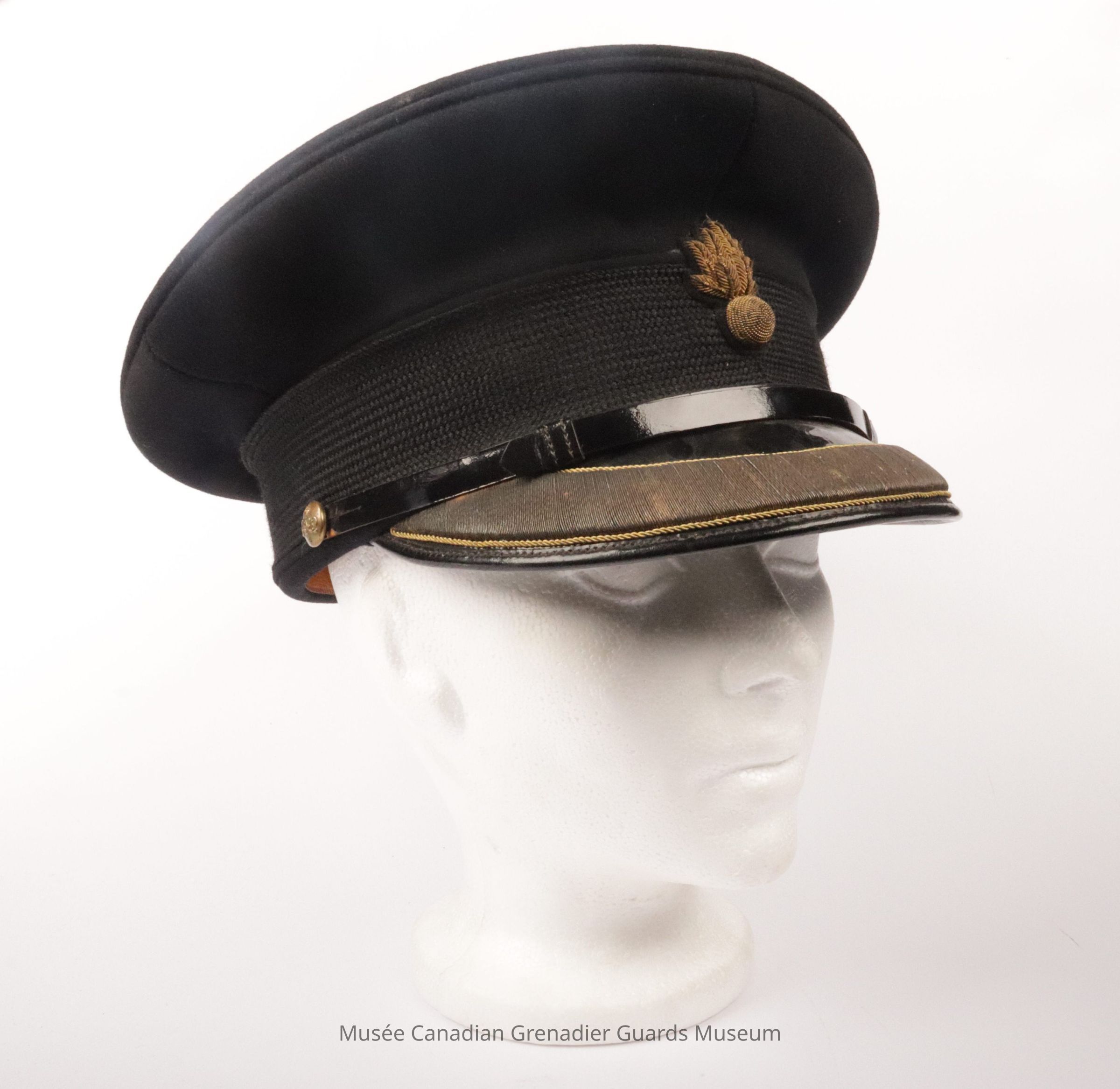
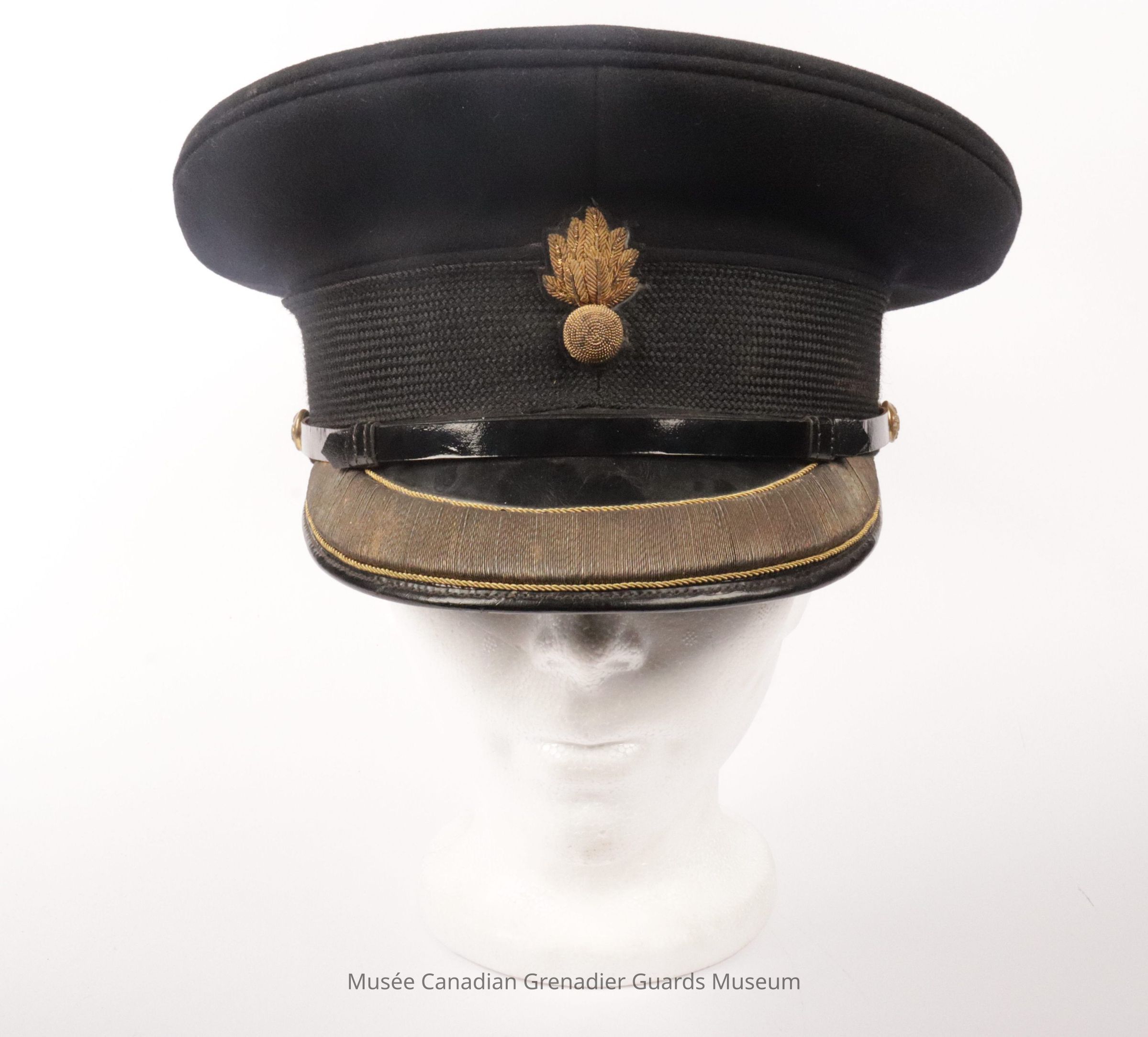
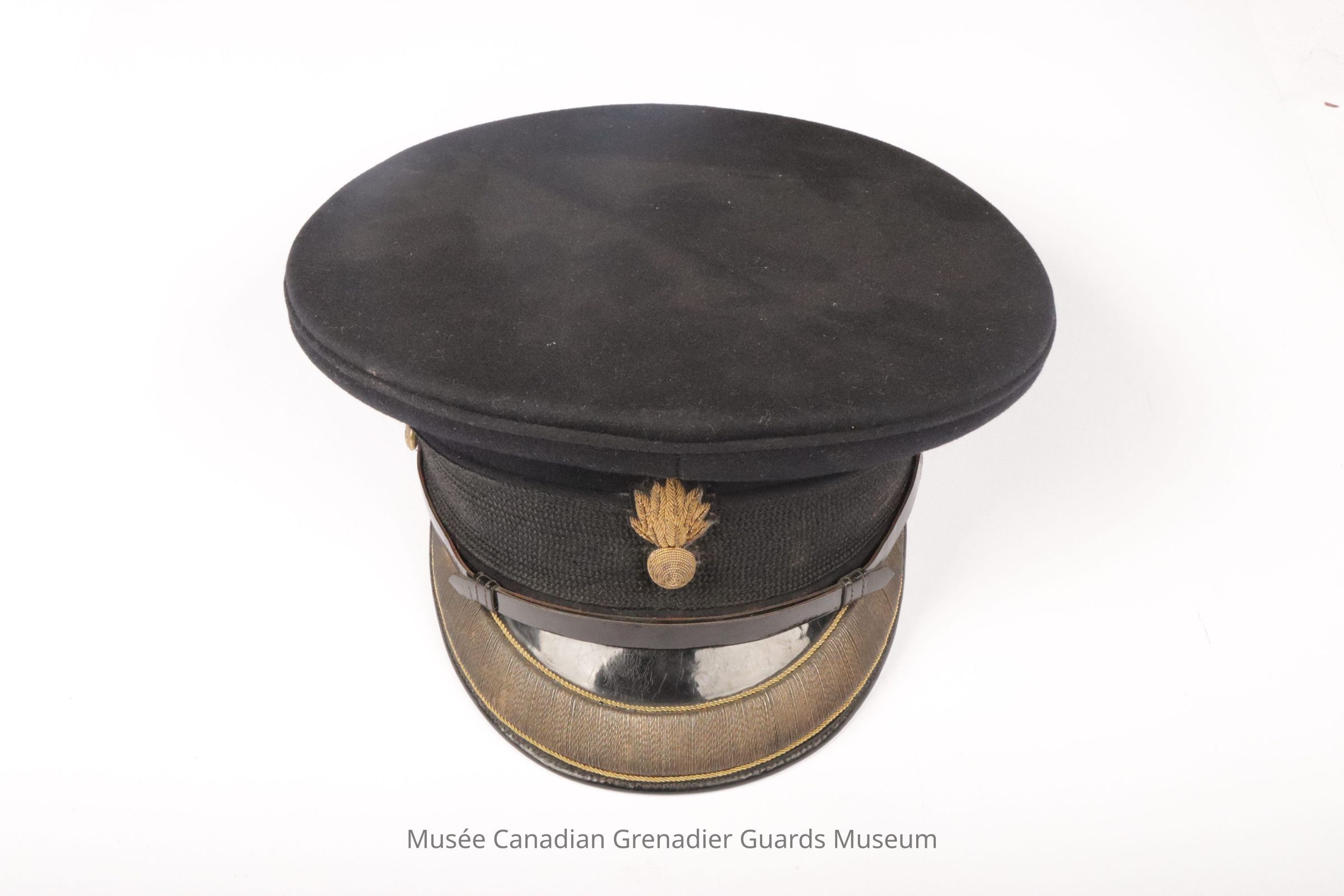
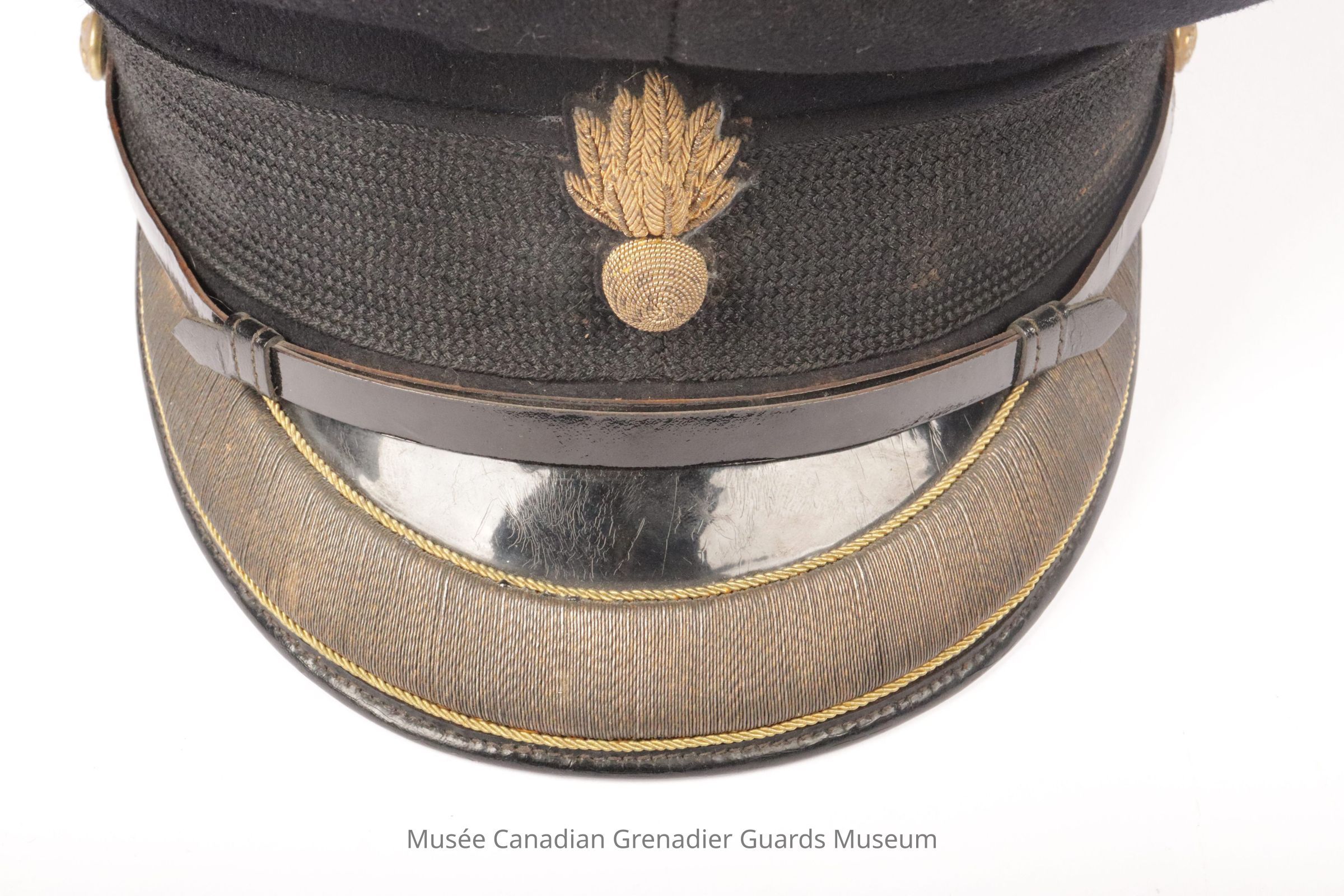
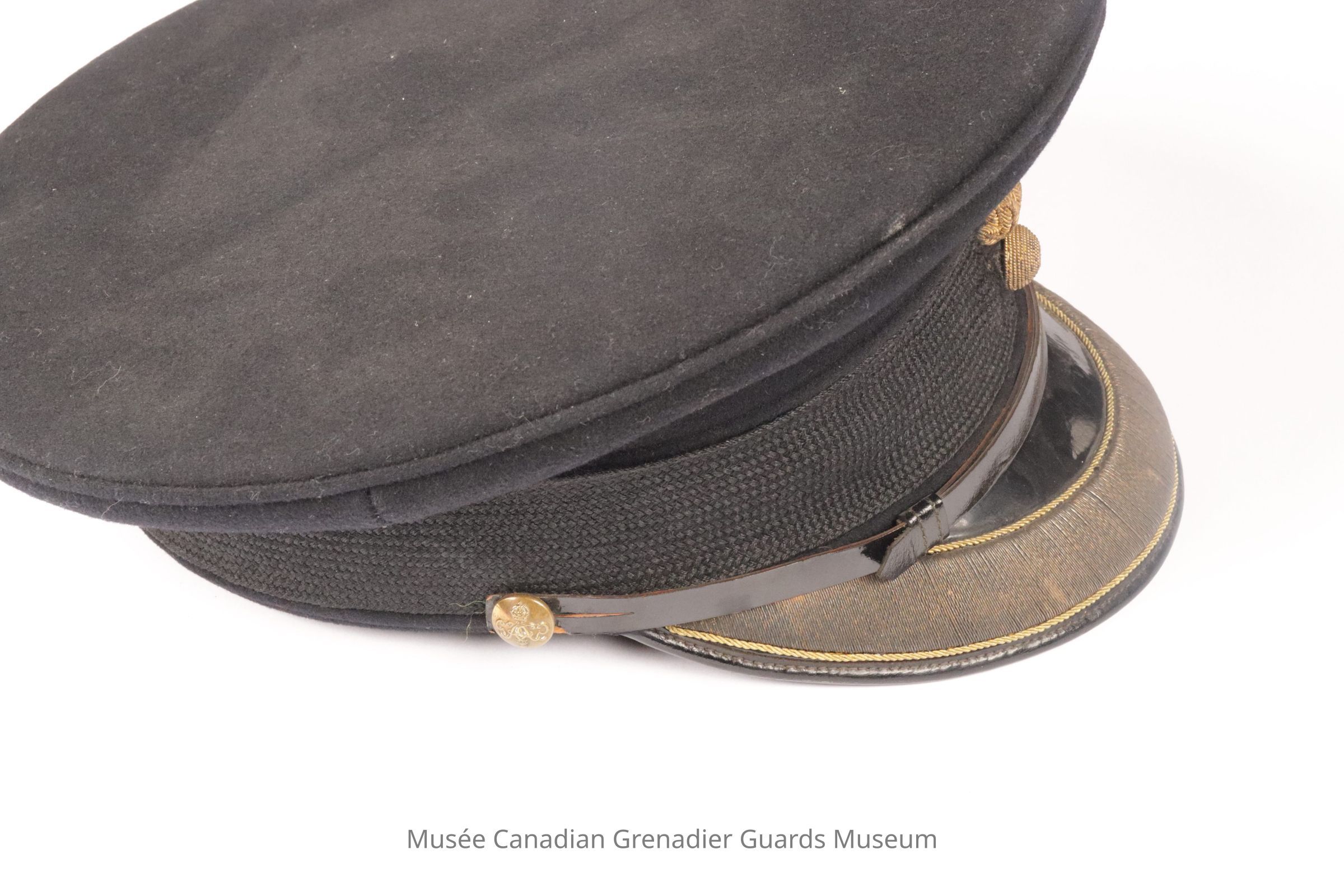
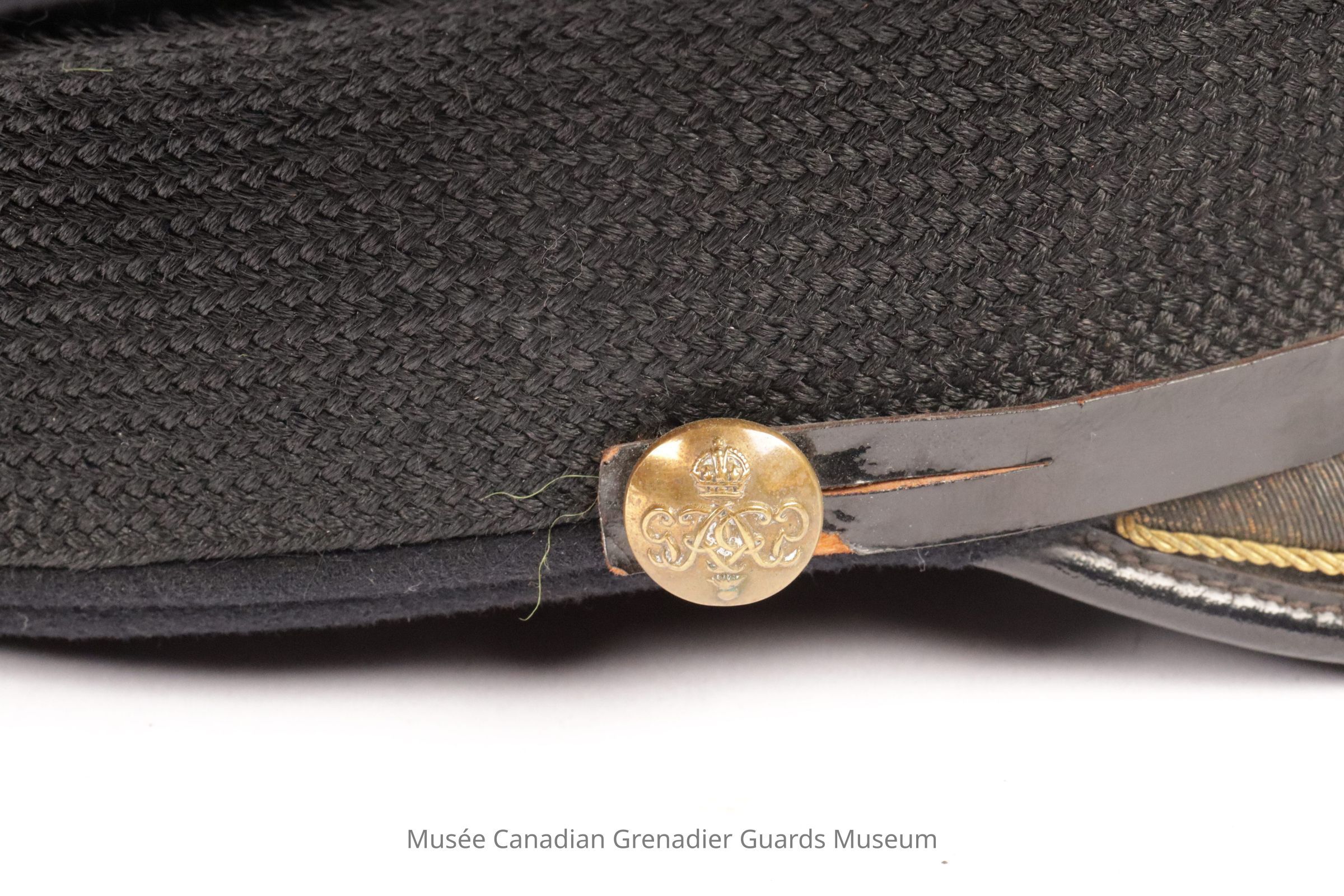
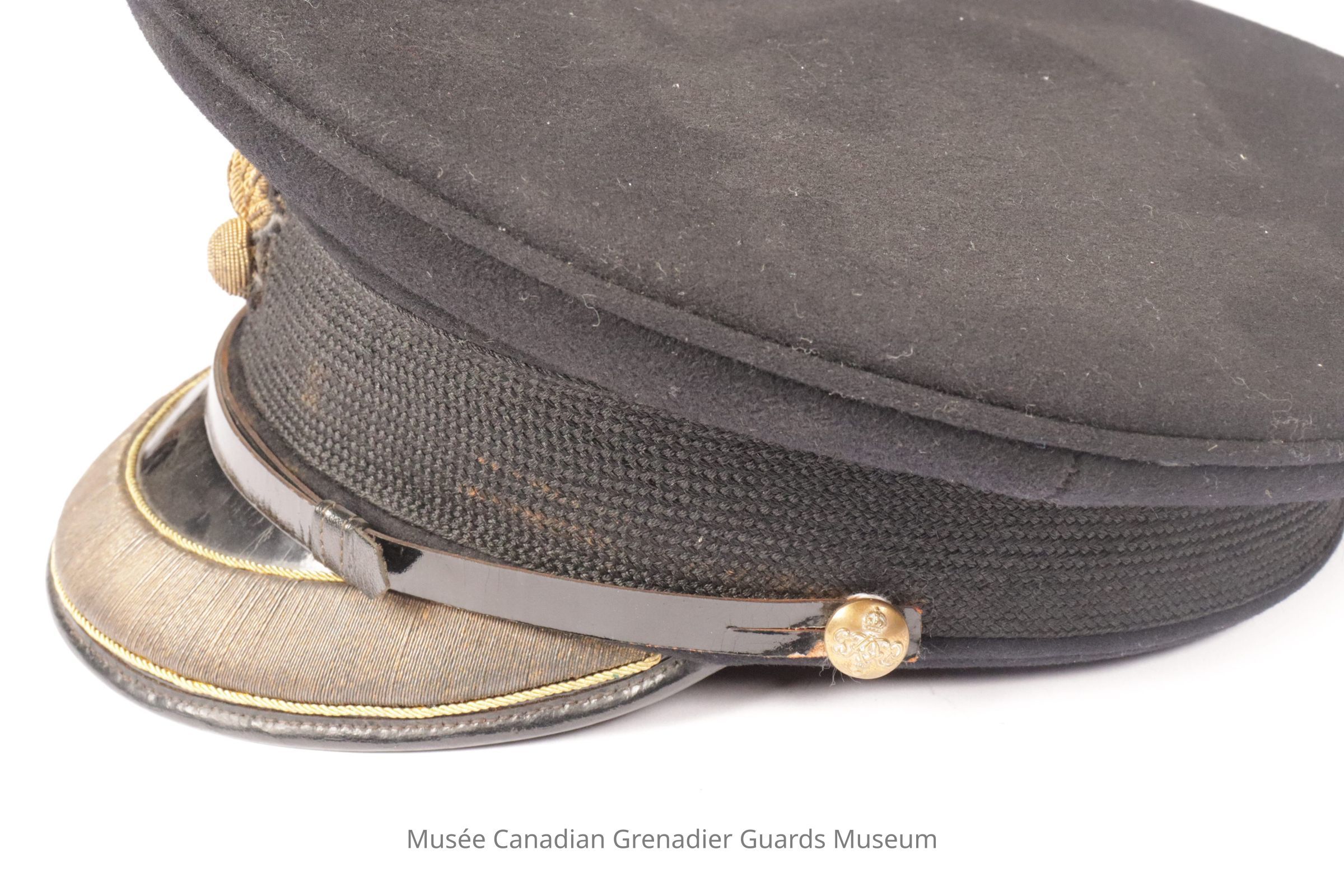
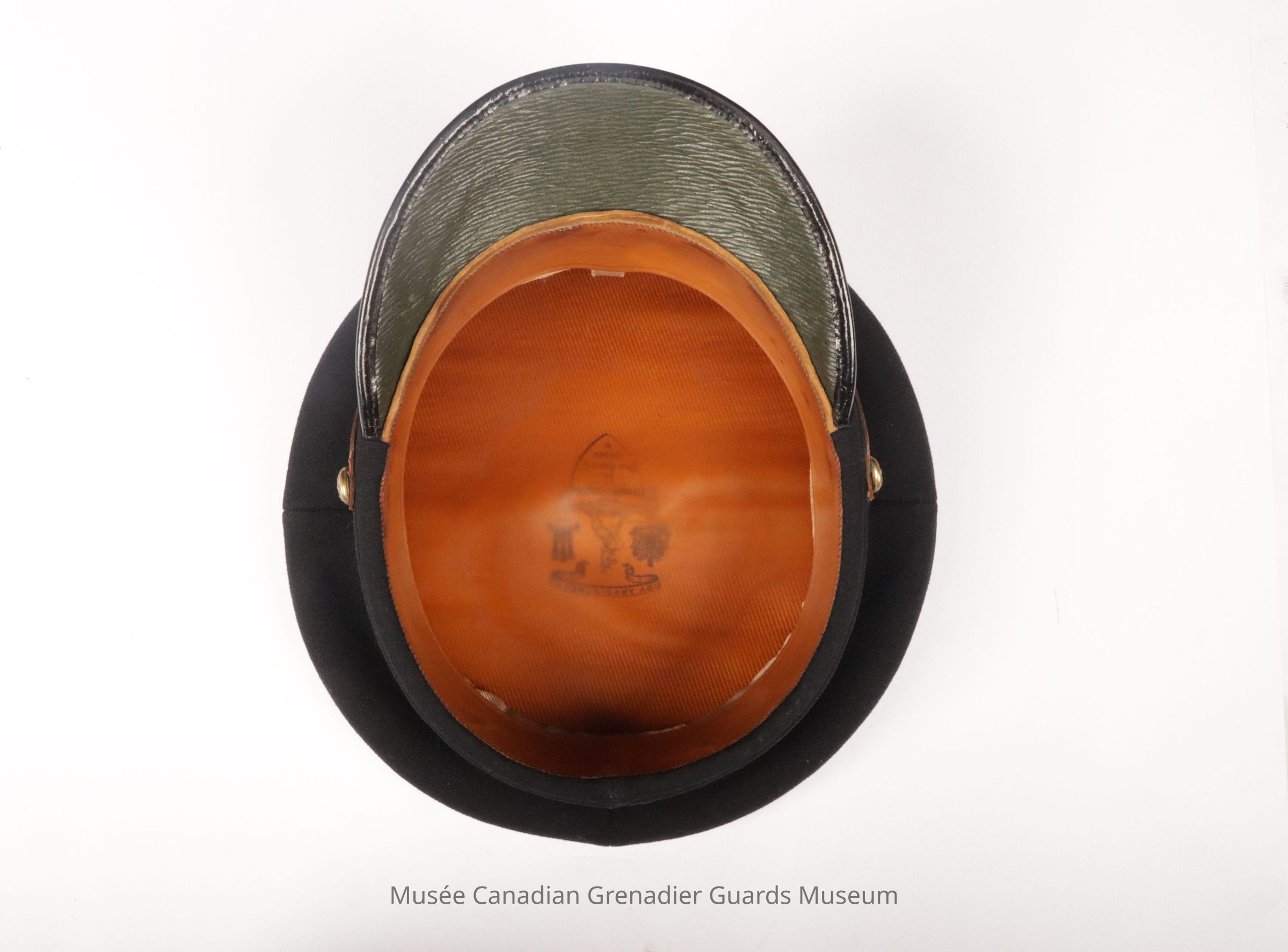
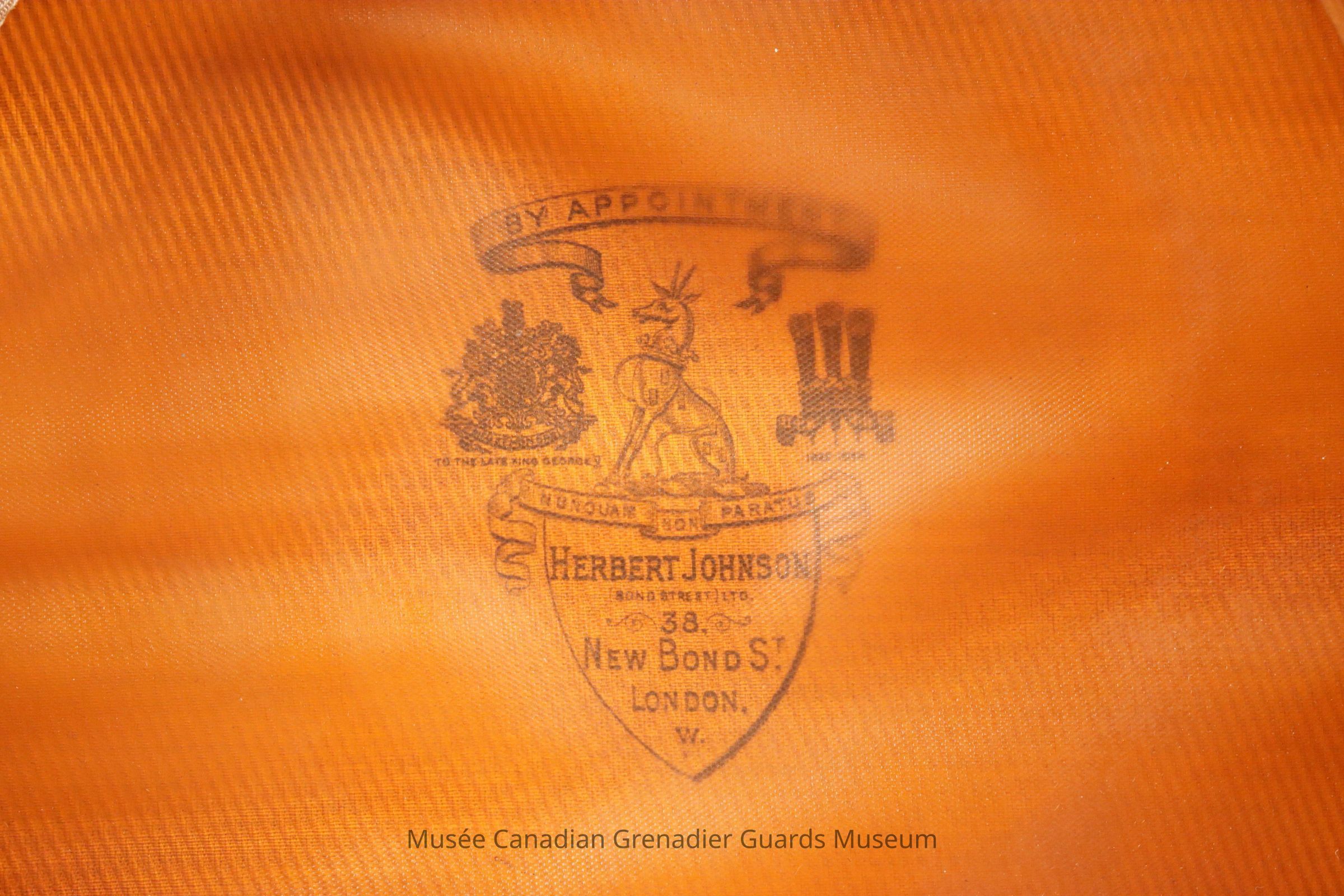
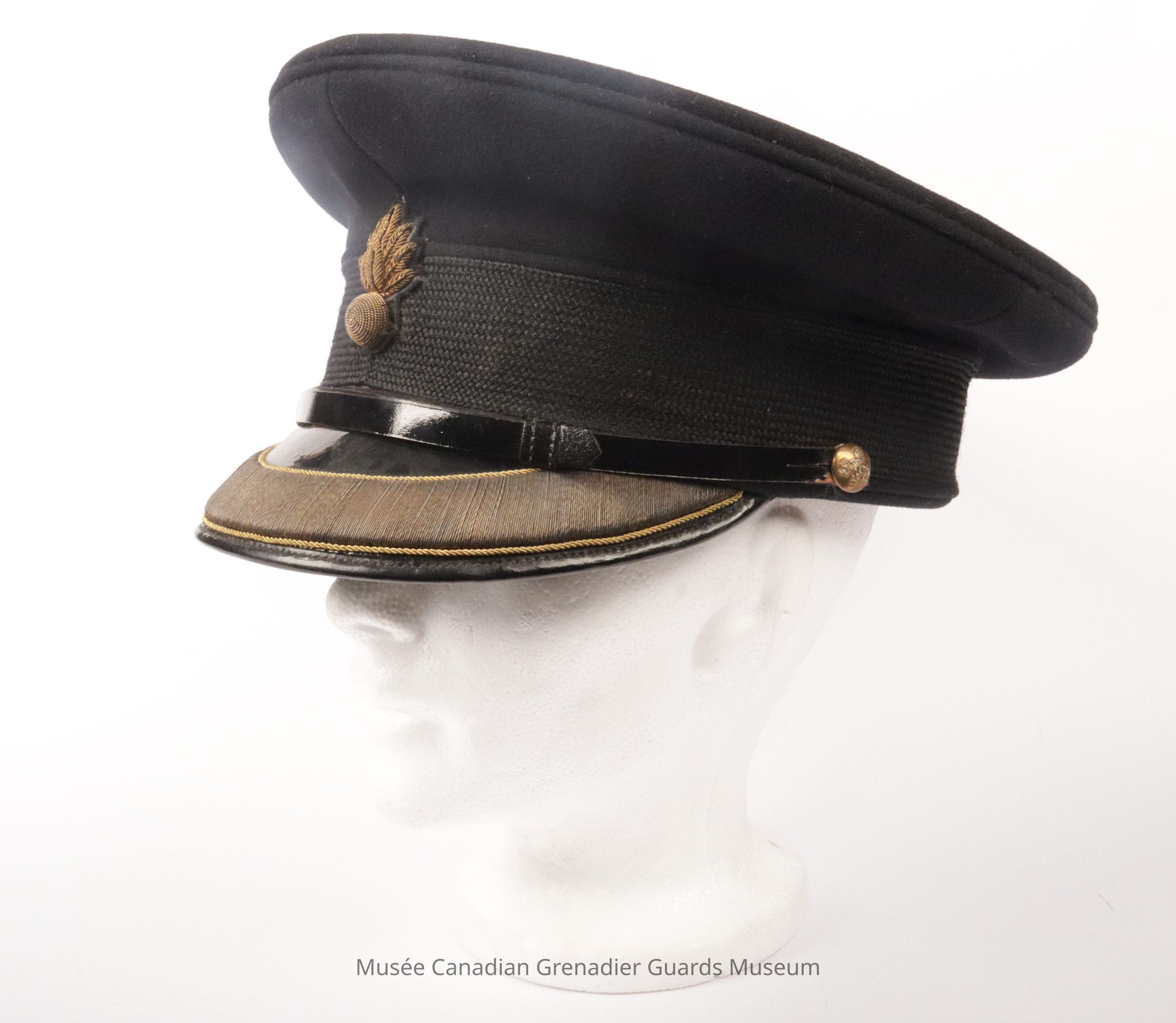
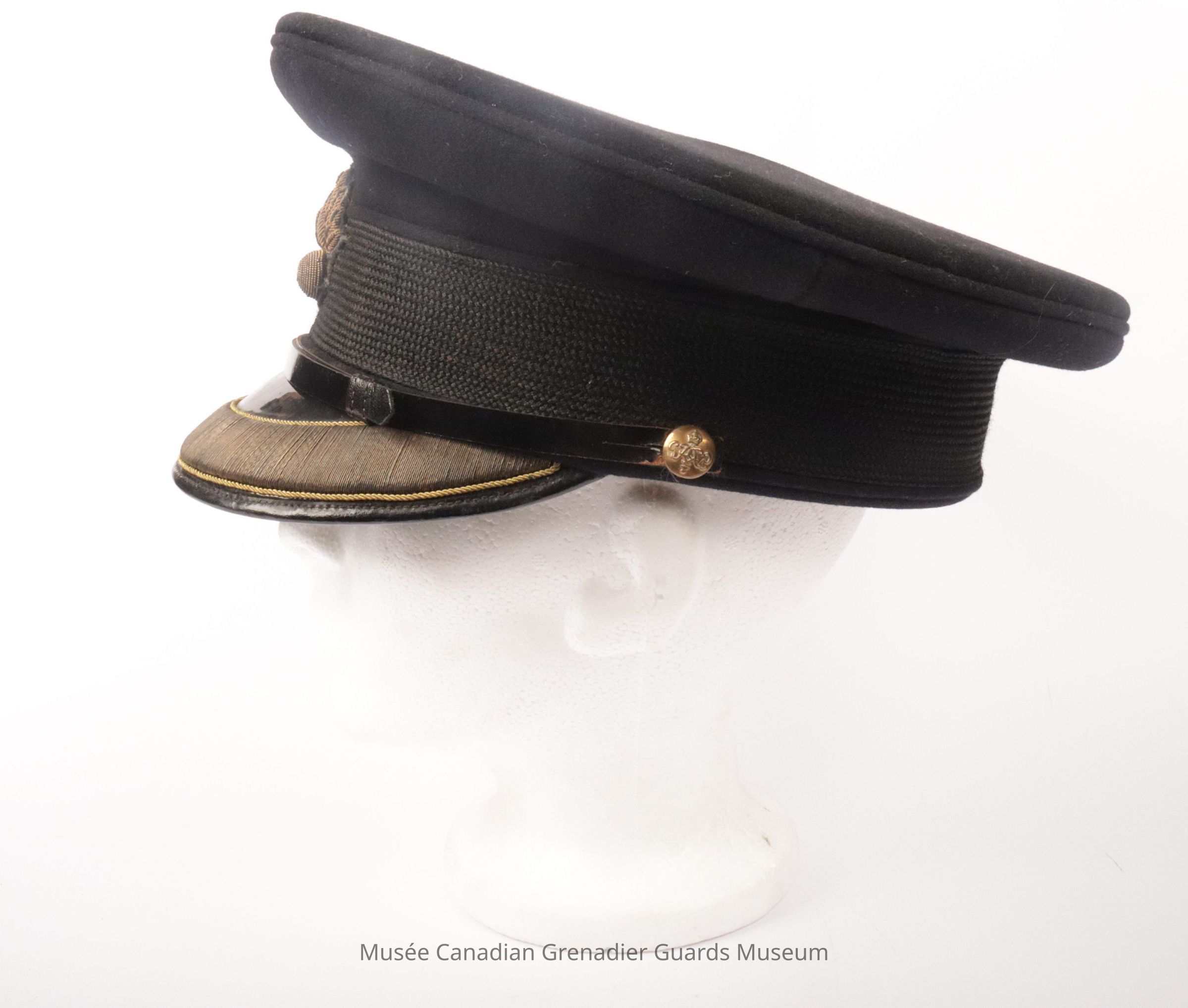
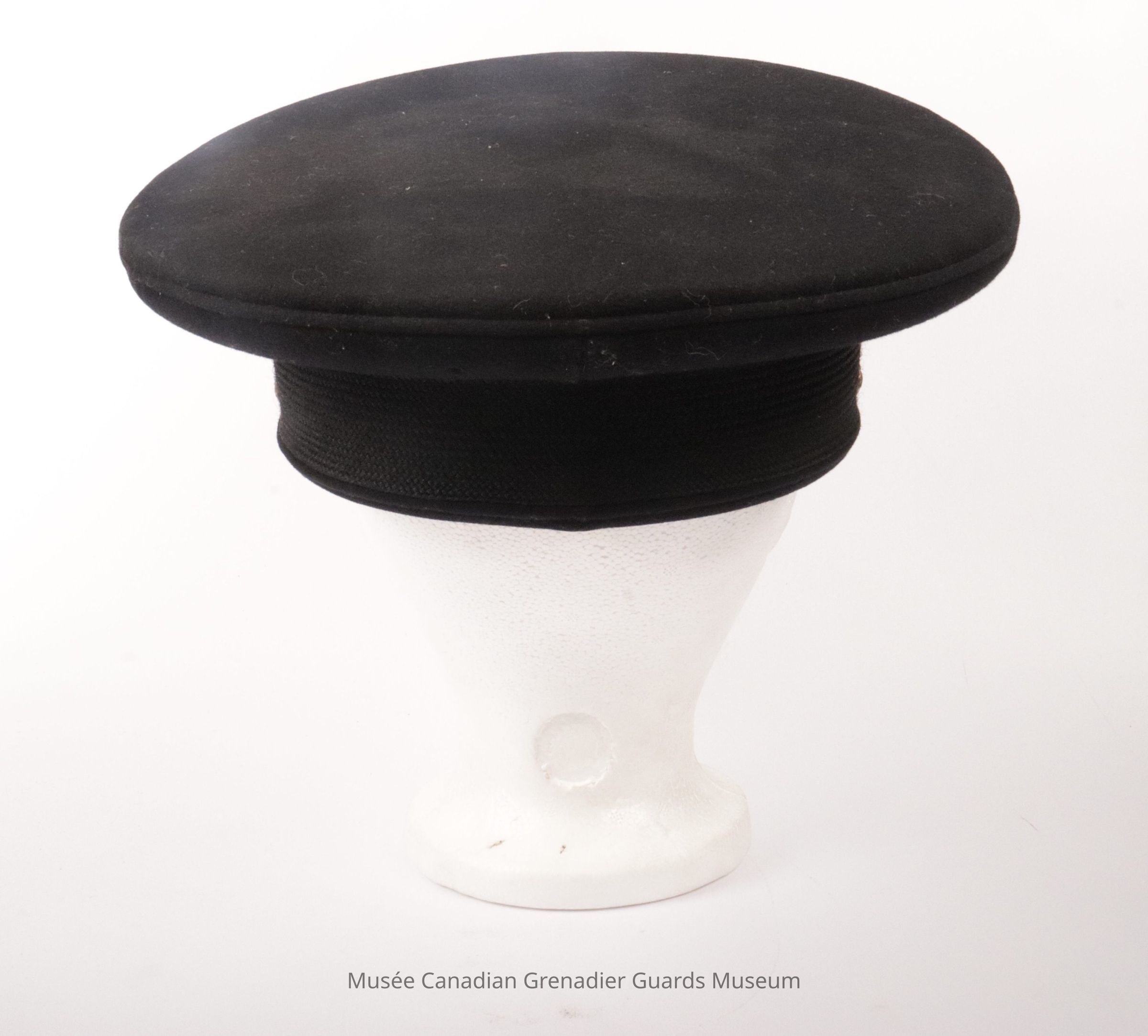
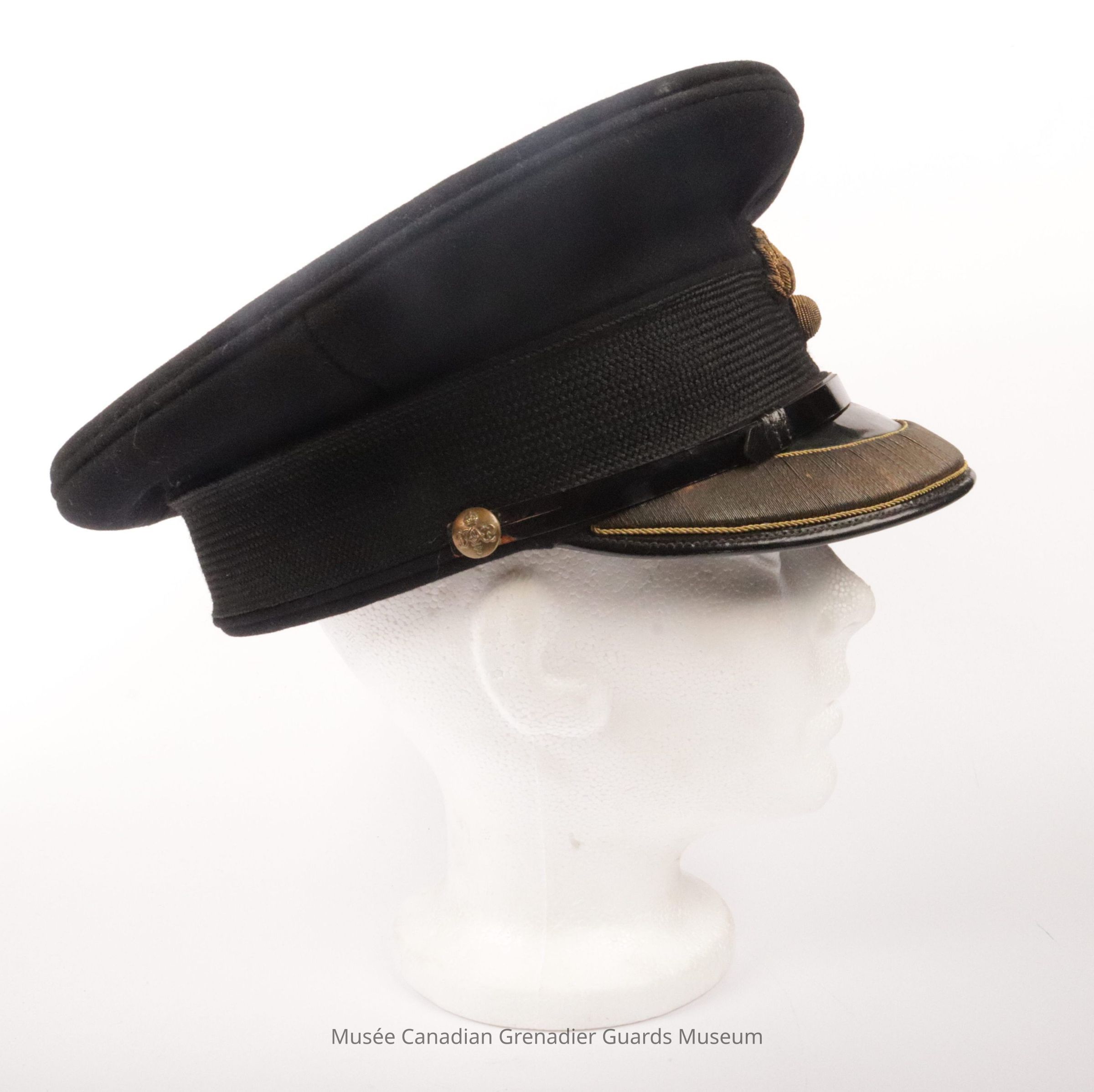
WW2 Era 1935-1953 (King George VI) Canadian Grenadier Guards Officer Peak Cap (aka Forage Cap) manufactured by Herbert Johnson Co. (UK)- unattributedDescription
WW2 Era 1935-1953 (King George VI) Canadian Grenadier Guards Officer Forage cap manufactured by Herbert Johnson (UK Hatter) - unattributed
ABOUT THE MANUFACTURER - HERBERT JOHNSON
In 1872, Herbert Lewis Johnson was apprenticed, by his parents, for seven years to hat-makers Lincoln Bennett, to learn the trade. He obviously did well and in 1889 on the somewhat unlikely advice of the Prince of Wales (later to become King Edward VII), he went into business with one Edward John Glazier at 45 New Bond Street, London W1.
The story recounts that one day when the Prince of Wales was riding in the park, his top hat was fetched off his head by the wind, toppling to the ground and consequently damaging it. The young Herbert Johnson who happened to be ‘to hand’, picked up the Royal topper and offered his professional services and the hat was duly repaired. The Prince was pleased and subsequently suggested to the young hero that he set himself up in business. All this came to pass and Herbert Johnson soon became well known for all forms of headwear for the well-dressed gentleman including Royal patronage.
Fame and success came quickly and Kaiser Wilhelm, the Czar of Russia, King George of Greece not to mention the Duke of Clarence – of doubtful fame – amongst other great names, all found their way to Bond Street. Herbert Johnson continued to work in the business personally until his retirement in 1928. He had made the name synonymous with quality “..a man with a Herbert Johnson hat is a man apart”. He has an air of sophistication and assurance such as arises from the knowledge that he is in possession of superb quality craftsmanship”. Whether a bowler (black for the town, brown for the country or grey for driving), a classic tweed cap for shooting or fishing, a classic Homberg, a hat for racing across the Atlantic or a cap for scoring runs on the village green – it had to be from Herbert Johnson.
The military was and still is an equally important patron. Nearly every regiment patronises Herbert Johnson Military for dress caps, khaki caps and berets. Bombay bowlers and Polo caps were specially made for Lord Kitchener’s troops in Sudan. Herbert Johnson Military Hats are best known for their ‘floating bevel’. This concept dates from World War I when Herbert Johnson supplied the ‘soft topped’ cap, then known as the ‘Jack Johnson’ in response to requests by Generals Haig and French and other senior officers for both a practical and comfortable cap for field operations. After the 2nd World War, many British Regiments who had liked the ‘soft topped’ cap for field operations, requested that Herbert Johnson produce their dress caps also in the ‘floating bevel’ style.Context
The Peak Cap was used in the early stages of the First World War as the primary headgear, but increased head injuries led to its replacement by the Brodie helmet as primary combat head protection.
In the Canadian Forces, the peaked cap (French: casquette de service) is the primary headgear for men's Royal Canadian Navy service dress. It has been abandoned in the Royal Canadian Air Force in favour of the wedge cap. It has also been eliminated from the Canadian Army service dress in favour of the beret, with two exceptions. General officers and chief warrant officers wearing army uniform can wear either a beret or a peaked cap with service dress. Royal Canadian Infantry Corps members of Foot Guards units such as the Canadian Grenadier Guards wear the bearskin cap with full dress but the peaked cap with undress and service dress.
The peak of the cap of non-commissioned members and subordinate officers is left plain, and officers' caps are adorned with one or more bands of braid (depending on rank) at the forward edge of the peak. The peak of the junior officer's cap has one row of plain gold wire along the forward edge, that of the senior officer has a row of gold oak leaves across the forward edge, while that of the flag officer has two rows of gold oak leaves, one along the forward edge and one near the cap band. The same oak leaves are worn by the Governor General of Canada as Commander-in-Chief of the Canadian Armed Forces.
The service cap is theoretically unisex, although there is a service hat (French: chapeau de service) for women which does not have a crown top and has a stiff brim all around. The front of the brim is formed into a visor and the sides and back are folded upwards.Created By
Abdourahamane, IssaCreate Date
December 30, 2023Updated By
Lieutenant Michael Hayes-Rivet, retired.Update Date
May 7, 2025