Label Type
curated descriptionLabel
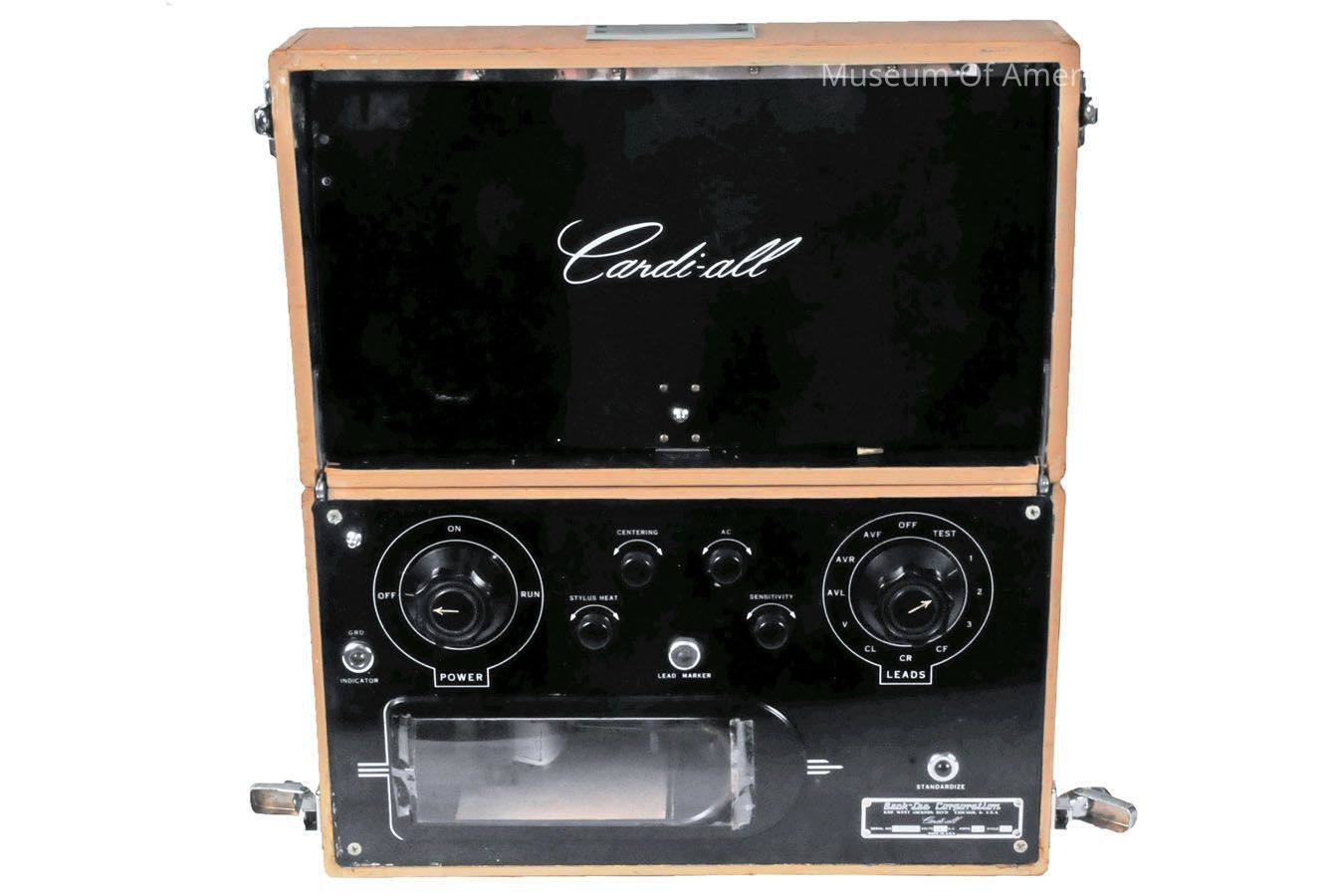
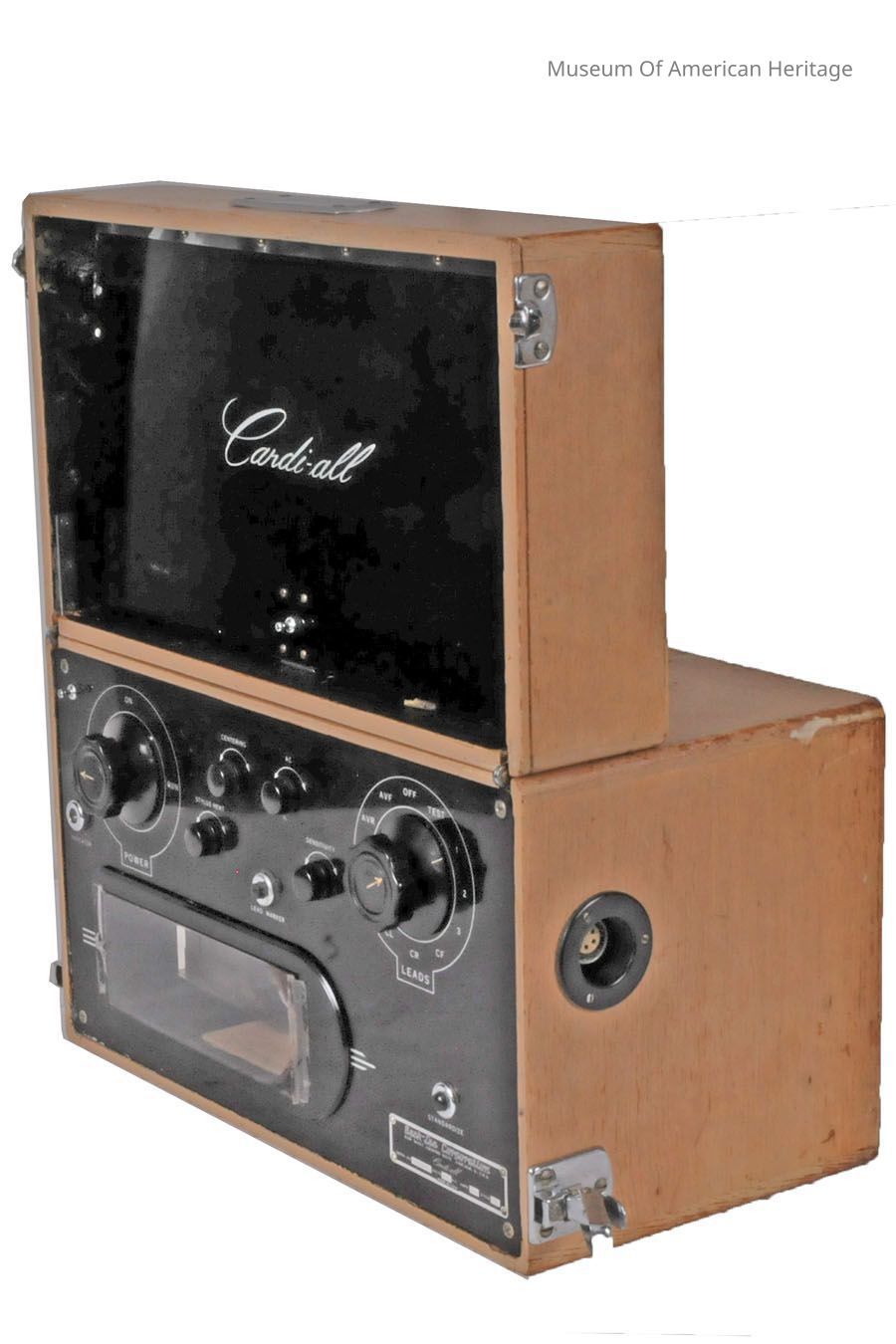
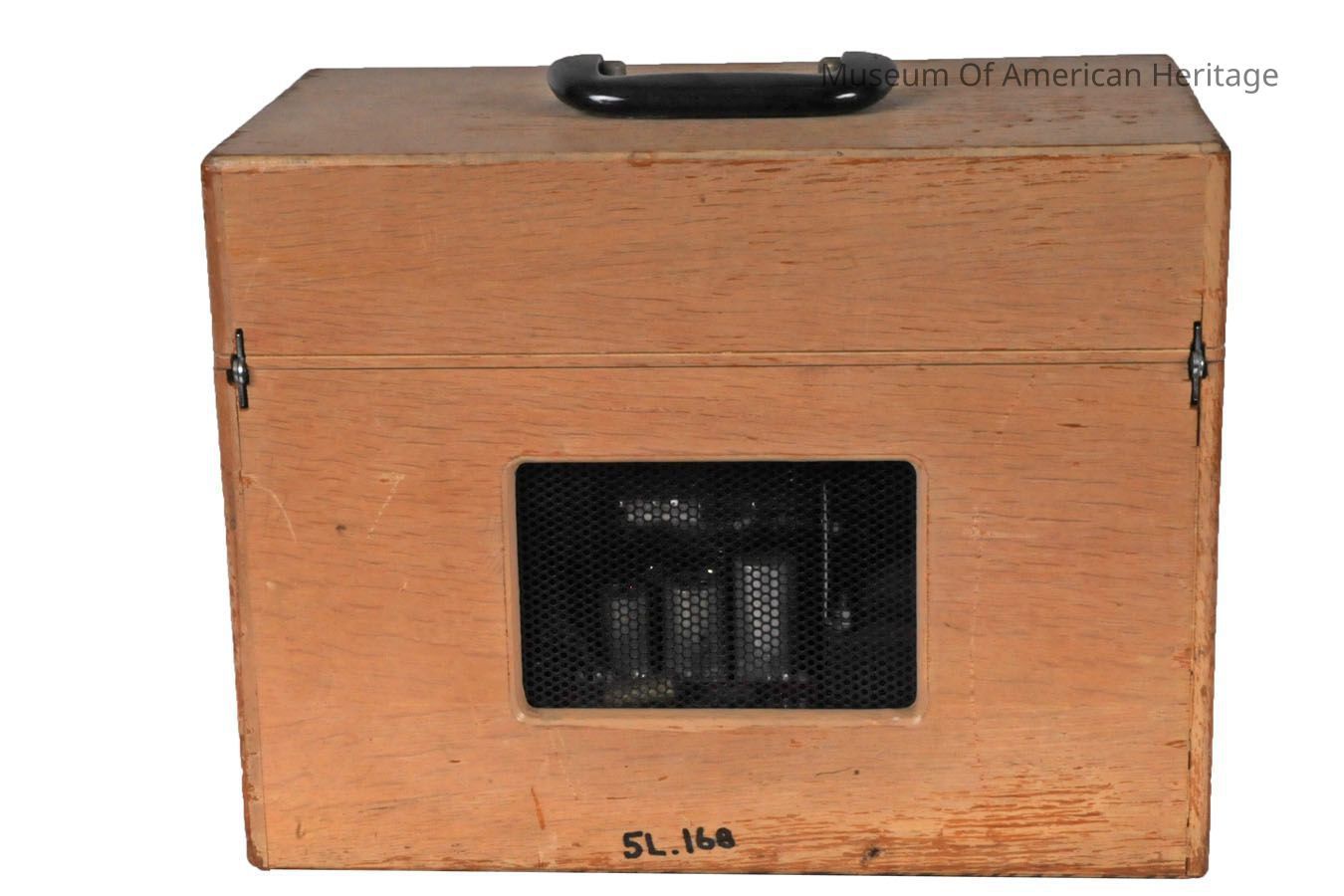
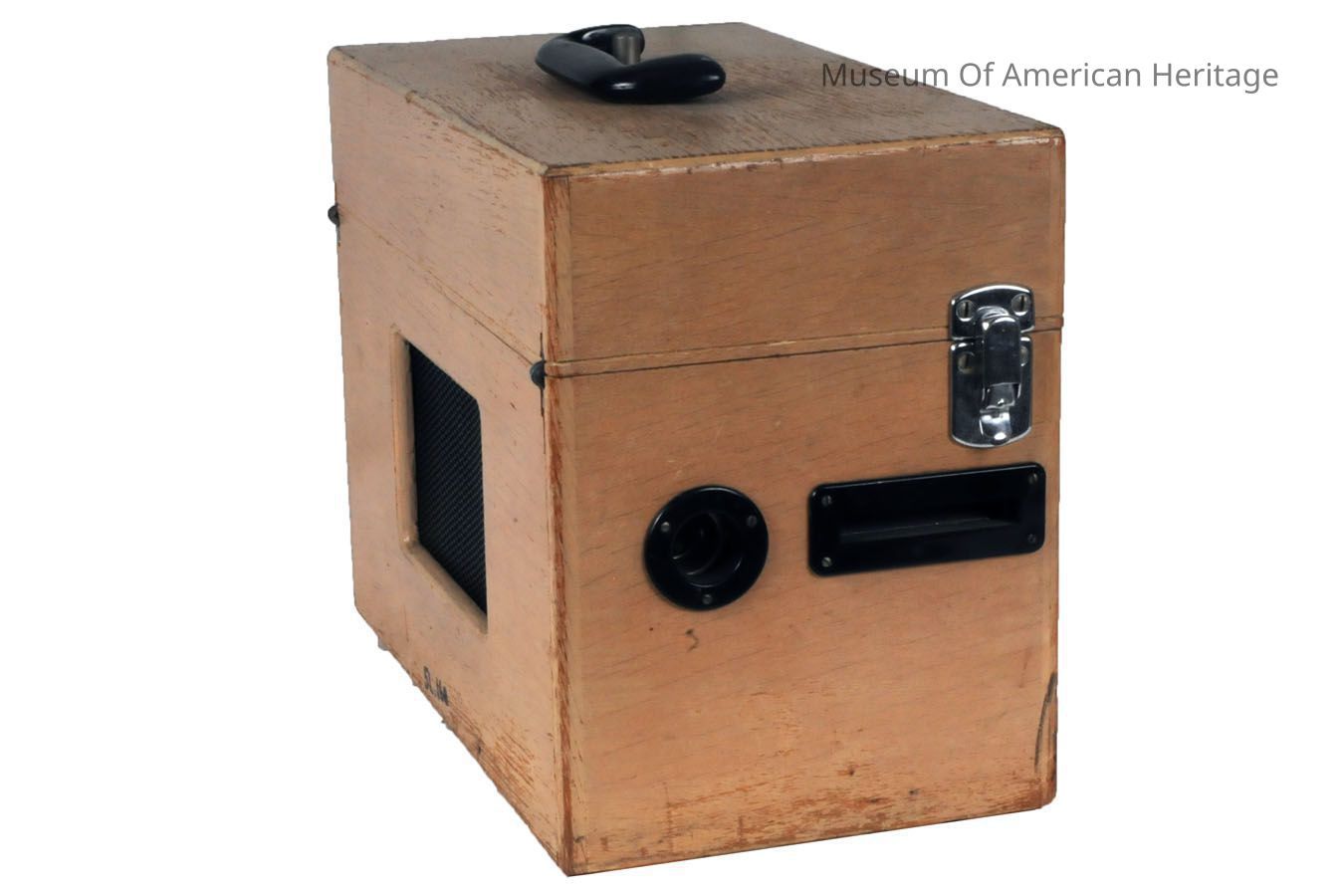
The Cardi-all created electrocardiograms (known as ECGs or EKGs) that produced readable information about the electrical functioning of a human heart through a series of cardiac cycles.
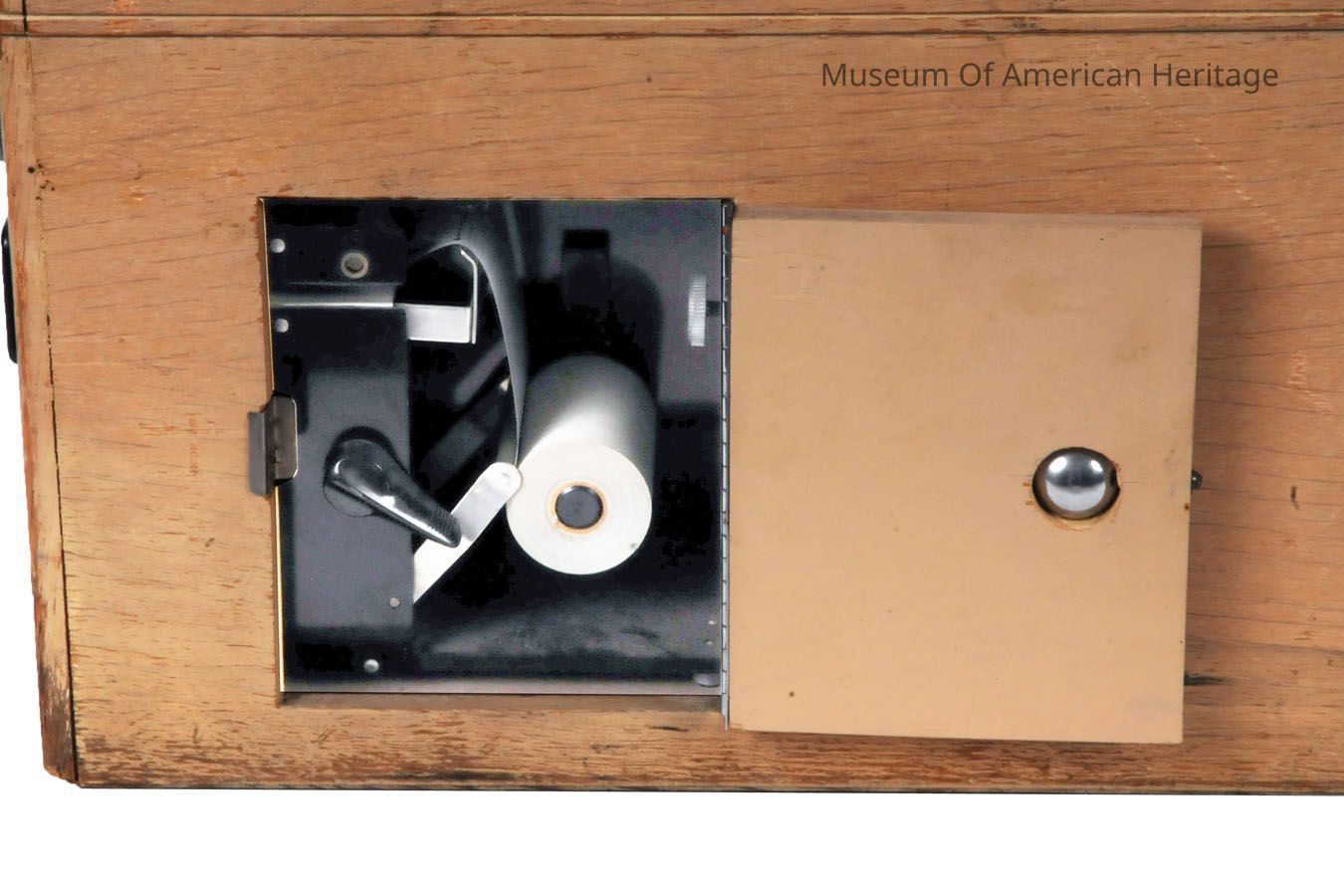
To record an EKG, a medical professional extended a set of electrodes from the main part of the Cardi-all, where all controls are located, to the patient’s skin. The different pairs of color-coded electrodes measured electrical impulses from the heart. Lead wires attached to the electrodes sent information about the heart activity to the unit. There the signals were deciphered and then represented visually as a heart rhythm on a roll of chart paper. The medical professional retrieved the paper from a slot in the unit, examined the chart, and used the information to assess the patient’s condition.
Candidates for EKGs are patients that have had a heart attack or that have complaints such as chest pains, dizziness, fainting, elevated pulse, confusion, shortness of breath, murmurs, seizures, or heartbeats that pound, skip, or flutter.
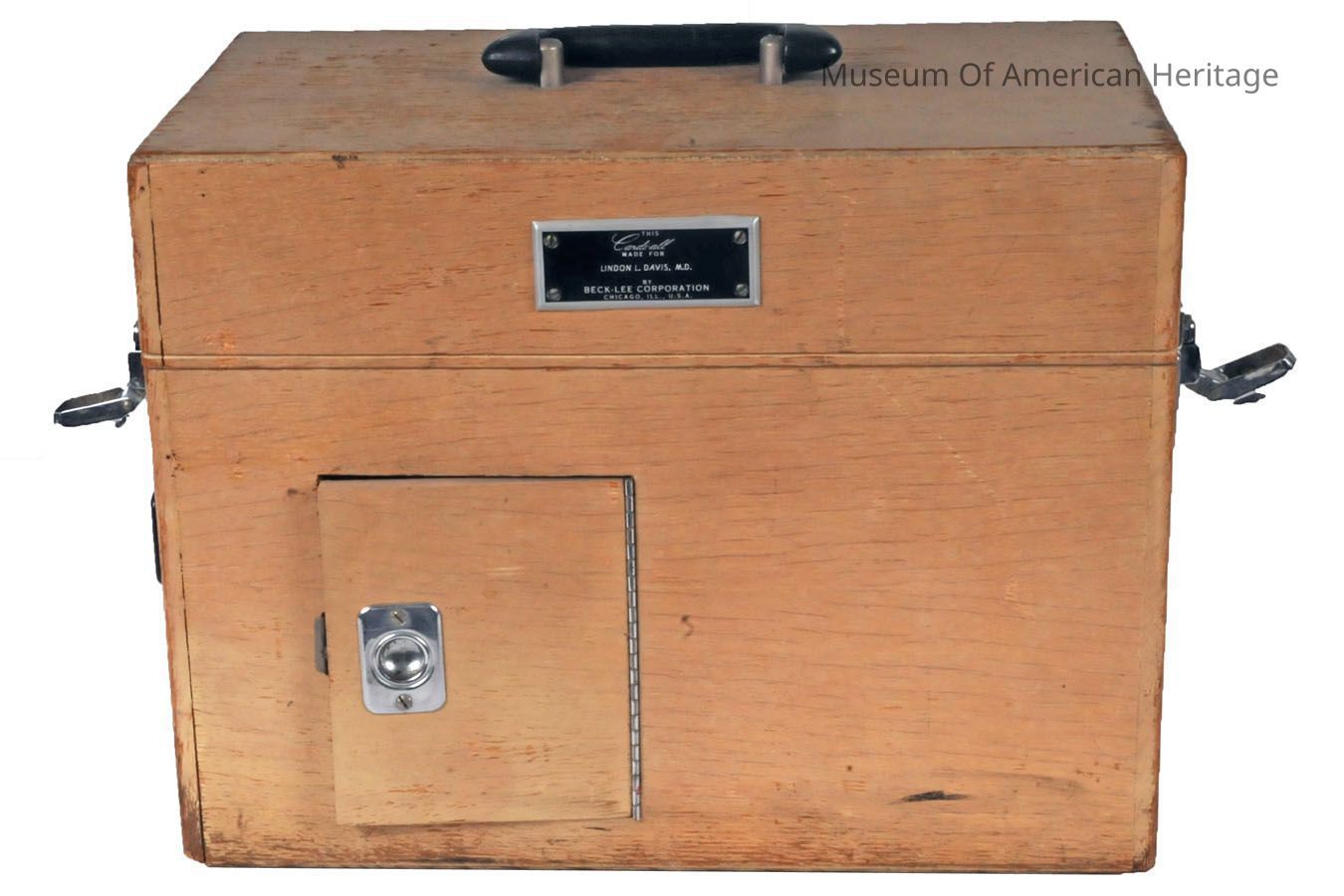
MOAH’s Cardi-all dates from the 1940s and is missing its power cord, sensors, and some wiring. It was made by the Beck-Lee Corporation of Chicago, which still exists. The Cardi-all’s cost is unknown, but a 1959 ad from the company shows it for sale at $665 and touts as features its portability, quick paper loading, and simple operation that can be taught in less than an hour.
Electrocardiography technology is thought to have begun in 1872, when a Scottish electrical engineer who specialized in wireless telegraphy attached wires to the wrist of a patient in London suffering from fever and achieved an electronic recording of the heartbeat.