Name/Title
BookplateEntry/Object ID
2020.005.0011Scope and Content
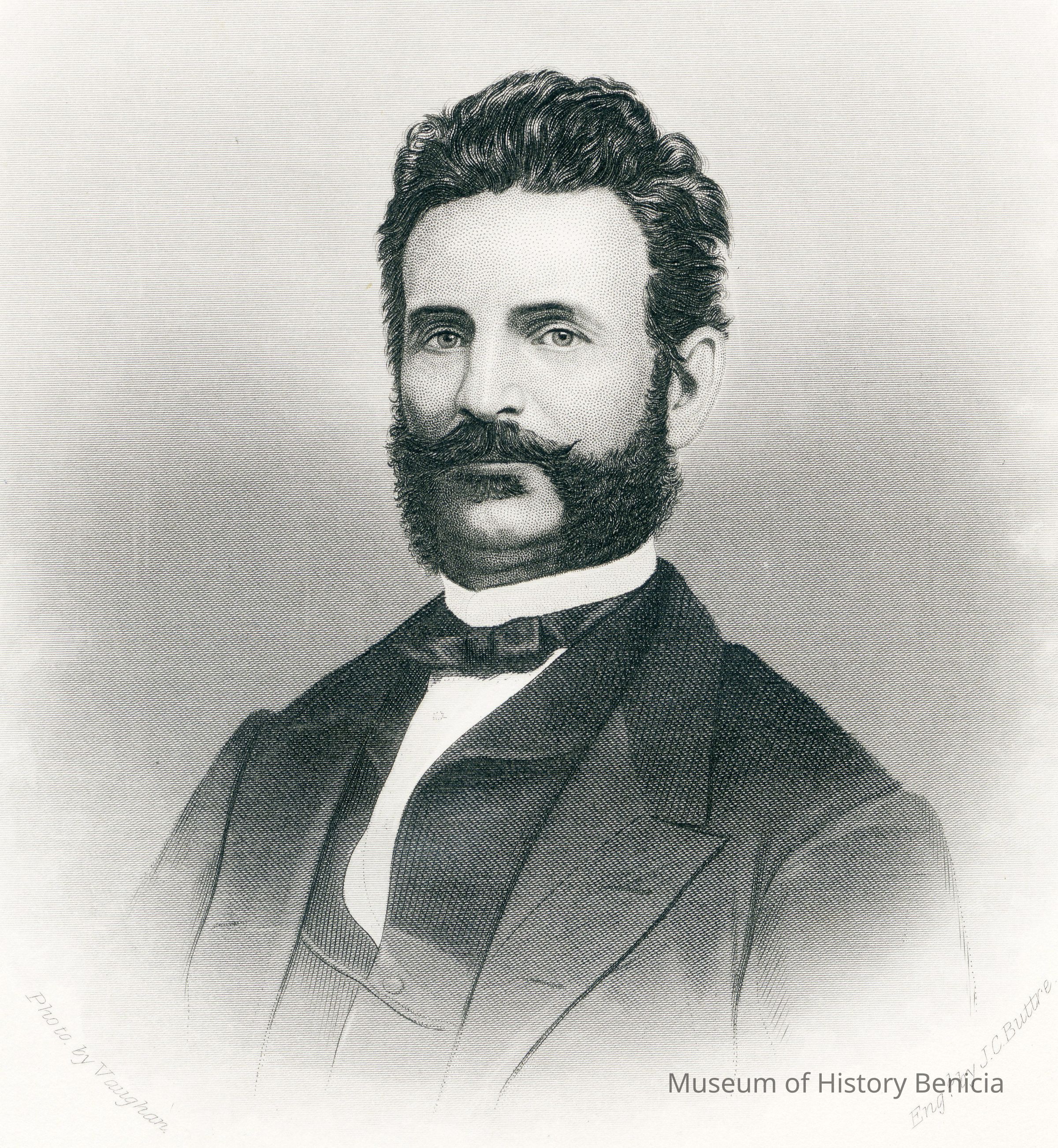
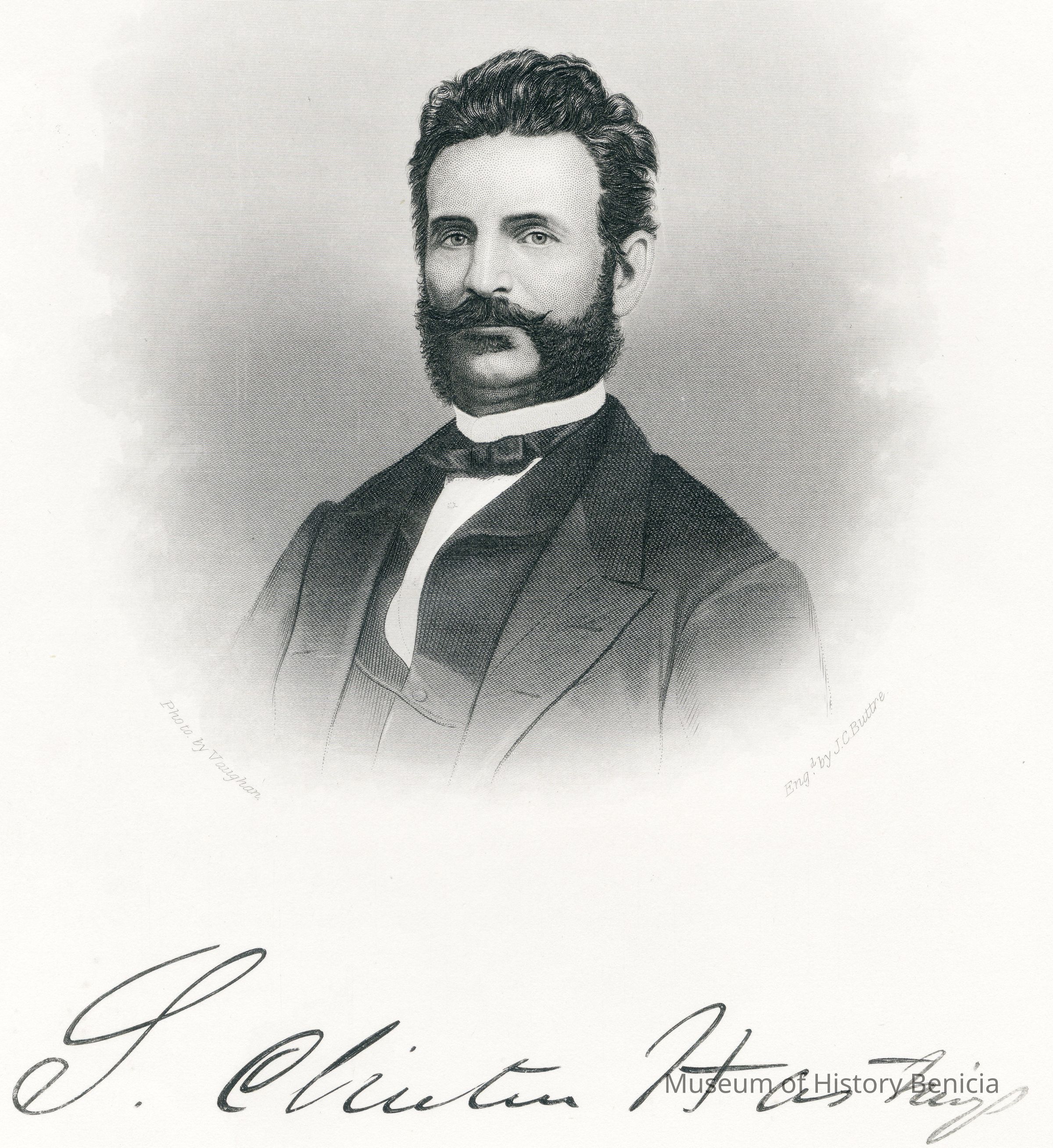
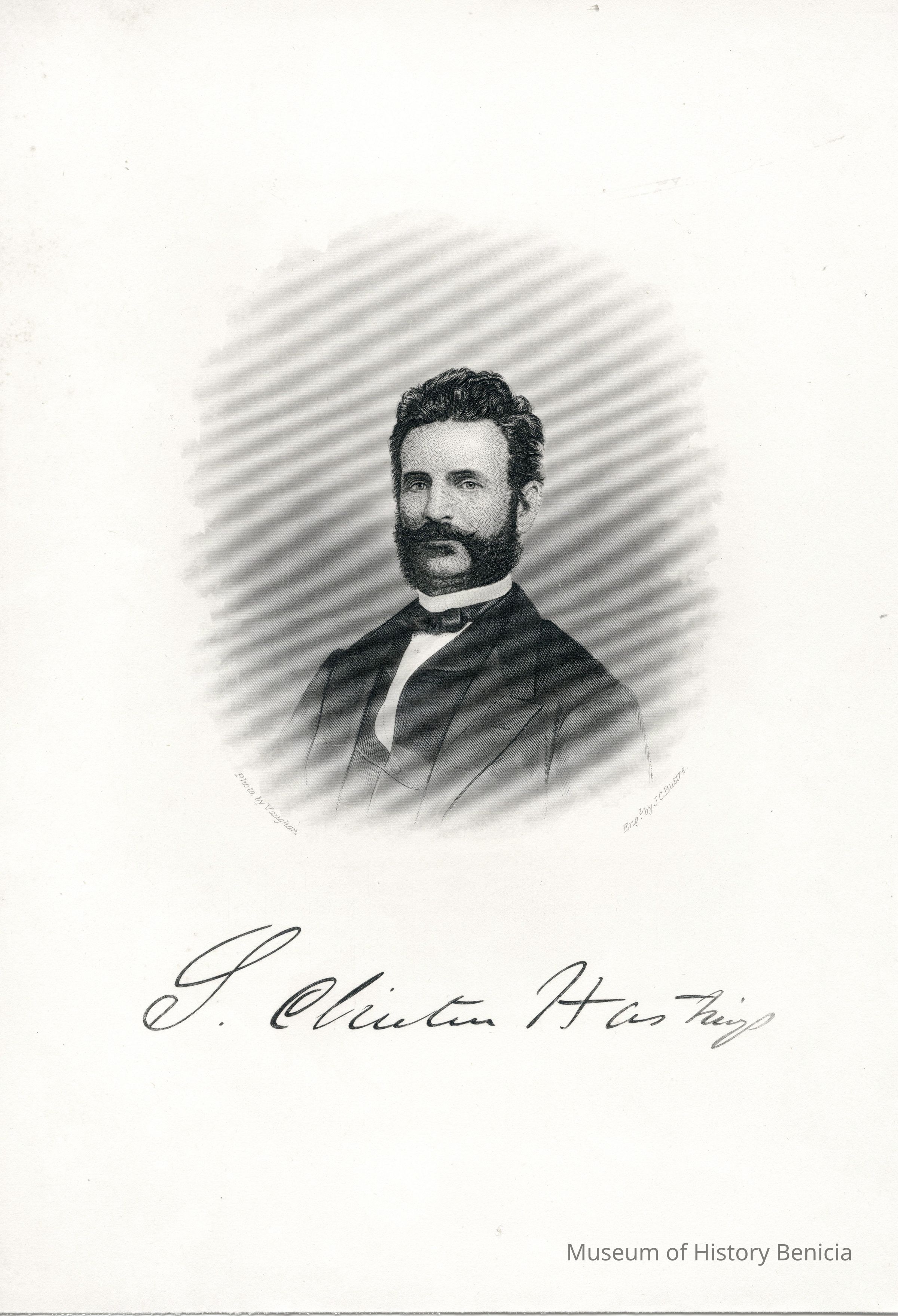
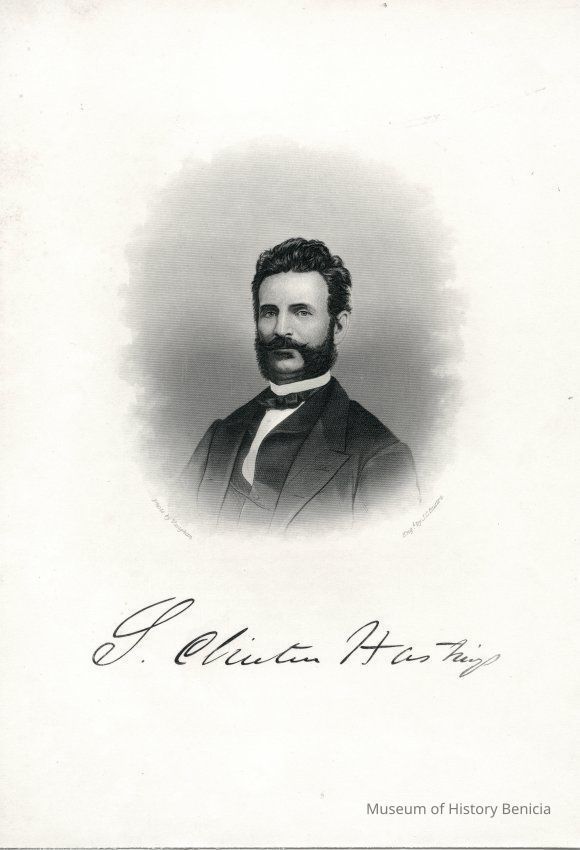
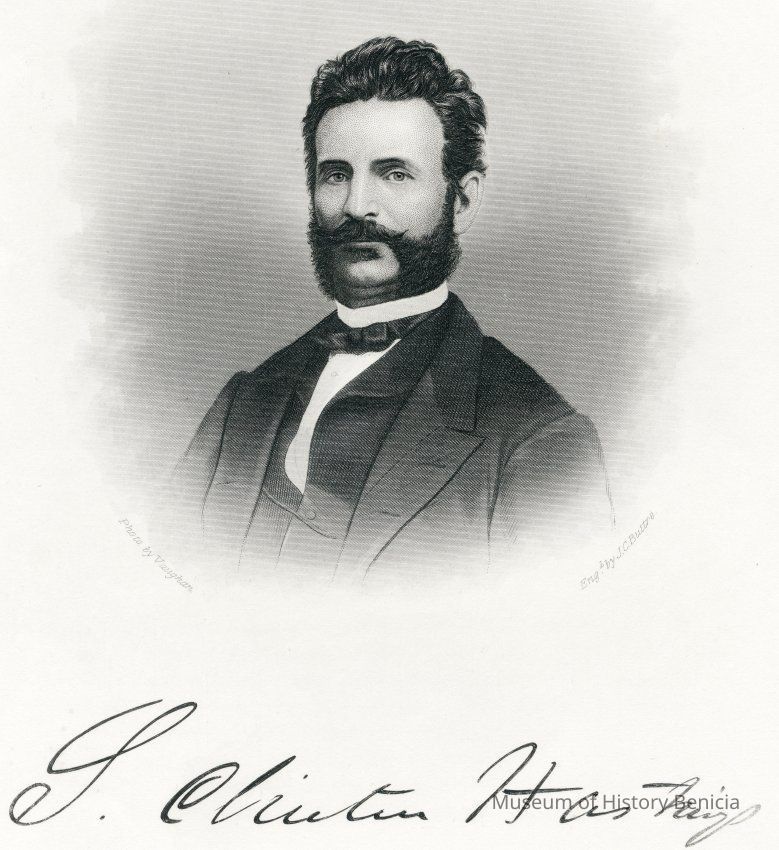
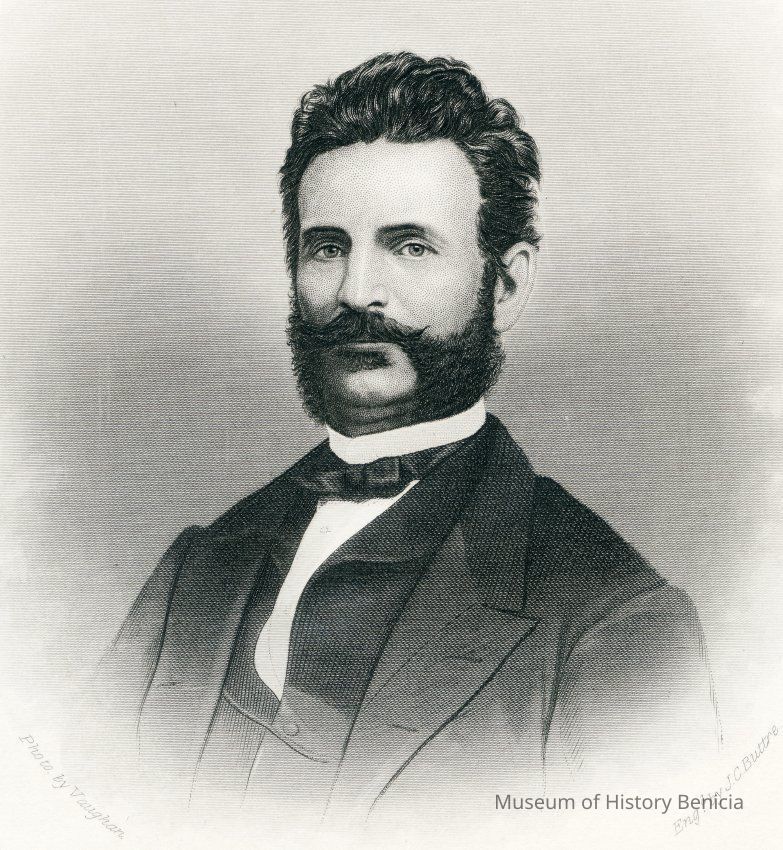
This is an original engraving from a book. It is a picture of Serranus Clinton Hastings. The engraving is from John Chester Buttre from a photo by Vaughn.
John Chester Buttre (10 June 1821 Auburn, New York - 2 December 1893 Ridgewood, New Jersey), was an American steel-plate engraver and lithographer, responsible for some 3,000 engraved portraits of American political, naval and military personalities. He published "The American Portrait Gallery" in 3 volumes (1880-81) with text by his daughter, Lillian C. Buttre.
Serranus Clinton Hastings (November 22, 1814 - February 18, 1893) was a 19th-century politician, rancher and a prominent lawyer in the United States. He studied law as a young man and moved to the Iowa District in 1837 to open a law office. Iowa became a territory a year later, and he was elected a member of the House of Representatives of the Iowa Territorial General Assembly. When the territory became the state of Iowa in 1846, he won an election to represent the state in the United States House of Representatives. After his term ended, he became Chief Justice of the Iowa Supreme Court. He resigned after one year in office and moved to California. He was appointed to the California Supreme Court as Chief Justice a few months later. He won an election to be Attorney General of California, and assumed office shortly after his term as Chief Justice ended. He began practicing law again as Attorney General. He earned a small fortune with his law practice and used that fortune to finance his successful real estate venture. In 1878, he founded the Hastings College of the Law with a donation of US$100,000.
Hastings settled in Benicia, California. In September 1849, he served as Prosecuting Attorney for the newly established court in Alameda County. A few months later, California legislature selected him to be the first Chief Justice of the California Supreme Court.
Hastings College of Law Built on Genocide?
Book Excerpt
by Benjamin Madley
The powerful local ranch owner and former California state Supreme Court chief justice Serranus C. Hastings gave Governor Weller a petition drawn up by Round Valley colonists in 1859. It requested militia support against local Yuki Indians. Weller responded by commissioning a US Army investigation. On May 1, 1859, Major Edward Johnson reported to Weller that "the Yukas have not been, for the last two years, nor are they now, at open war with the whites; But the whites have waged a relentless war of extermination against the Yukas." Apparently dissatisfied with this report, Weller commissioned Captain Flint to conduct a second inquiry. Flint contradicted Johnson and recommended organizing volunteers to fight, rather than protect, the Yuki. (p. 277)
As Weller pondered his options, stockman Walter S. Jarboe organized "the Eel River Rangers." Jarboe engaged men to hunt Indians, promising them payment from the state, or if Sacramento failed to pay, from the the operation's extremely wealthy mastermind, Judge Hastings, who owned an Eden Valley ranch and may have wanted to eliminate the Yuki to protect his stock. On July 11, 1859, sixteen men elected Jarboe captain. On August 10, his "Rangers" massacred sixteen Yuki near Round Valley. Johnson reported by by August 21, Jarboe's men had slain at least sixty-four Yuki, concluding: "I believe it to be the Settled determination of many of the inhabitants to exterminate the Indians." That same day, Johnson alerted Weller that Jarboe and his men had recently murdered dozens of men, women, and children. Rather than condemn Jarboe, on September 6, the governor authorized Jarboe "to muster into the service of the State twenty men to act against the Indians in Mendocino county."Collection
Benicia School Collection