Note Type
Historical NoteNote
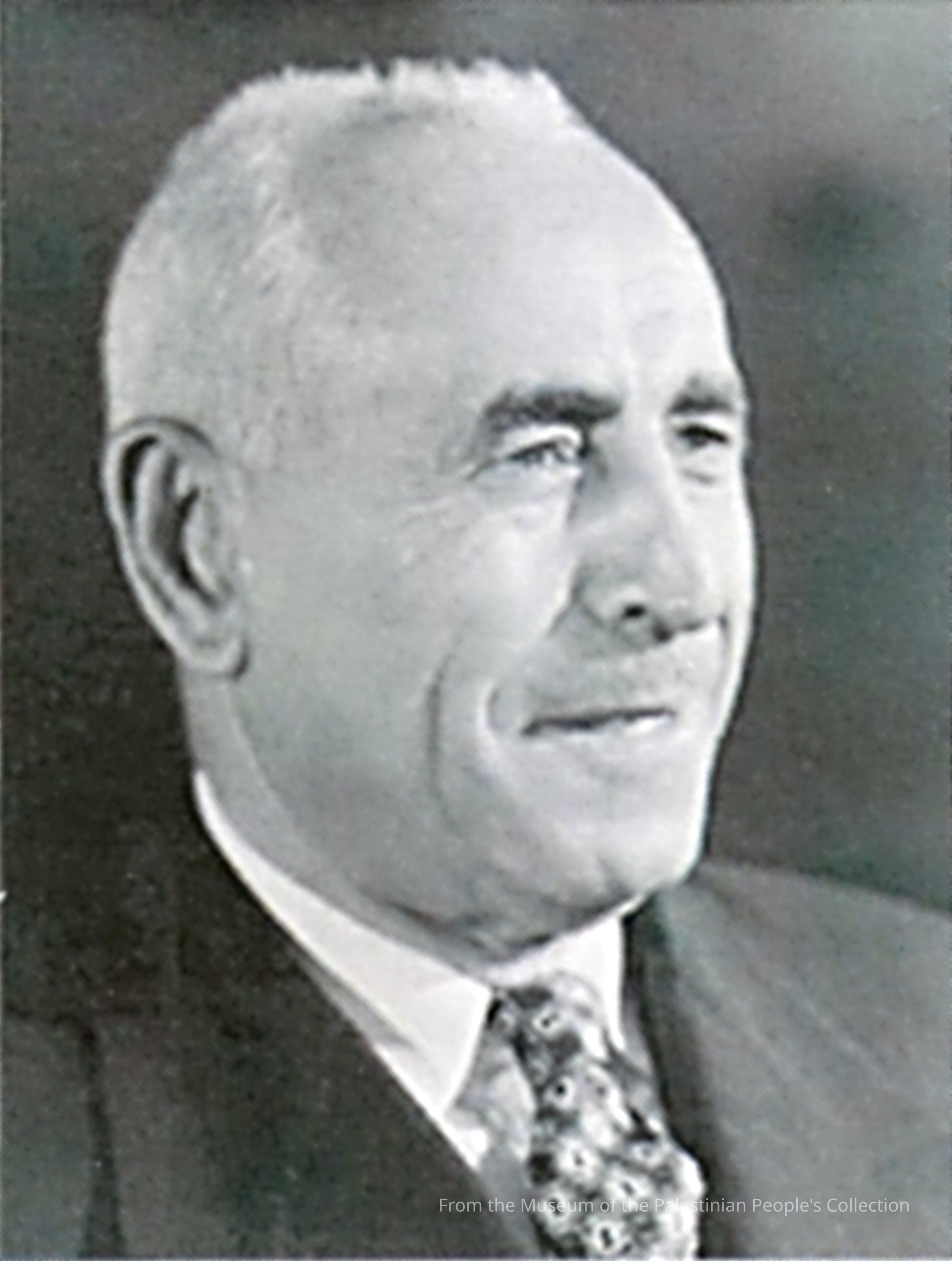
Abd al-Hamid Shuman (1988-1974) was the founder of the Arab Bank and lauded for charity work which supported various communities throughout the Middle East. He was born in the Jerusalem neighborhood of Beit Hanina. Though he attended the local primary school, he began working at nearby stone quarries and did not continue his studies. Shuman emigrated to the United States in 1911, working as a salesman and then opening a self-titled clothing factory in New York City.
Throughout his time in the US, Shuman published Arabic newspaper Al-Dabbur and spearheaded various fundraising efforts to serve local Arab communities as well as monetarily support national movements abroad in Syria and Palestine. He returned to Palestine in 1929 and founded the Arab Bank in 1930.
Shuman served as a member and treasurer of the Higher Muslim Council's Central Committee to Aid Palestinian Victims. At a national committees conference in 1936, he was one of five delegates who represented the National Committee of Jerusalem. Further, he was an elected member of the Supply and Boycott Committee which aided those suffering from the Great Palestinian Rebellion. He was arrested multiple times by British authorities.
Following the Nakba, Shuman managed to save the thousands of deposits held within his bank as well as open various branches in foreign countries. In 1978, the Abd al-Hamid Shuman Foundation was established according to his desire for a cultural foundation to be established after his death. The foundation is located in Amman, and features prominent sections such as the Abd al-Hamid Shuman Cultural Association, the General Library and Data Systems, the Children's Library, and the Arts Center.
Shuman himself is buried beside the al-Aqsa Mosque. The Arab Bank now serves as the world's most important Palestinian financial institution, and finances cultural programs and scholarships in several Arab countries.