Name/Title
Key to Palestinian Home (Early 20th Century)Entry/Object ID
2021.047Tags
On ViewDescription
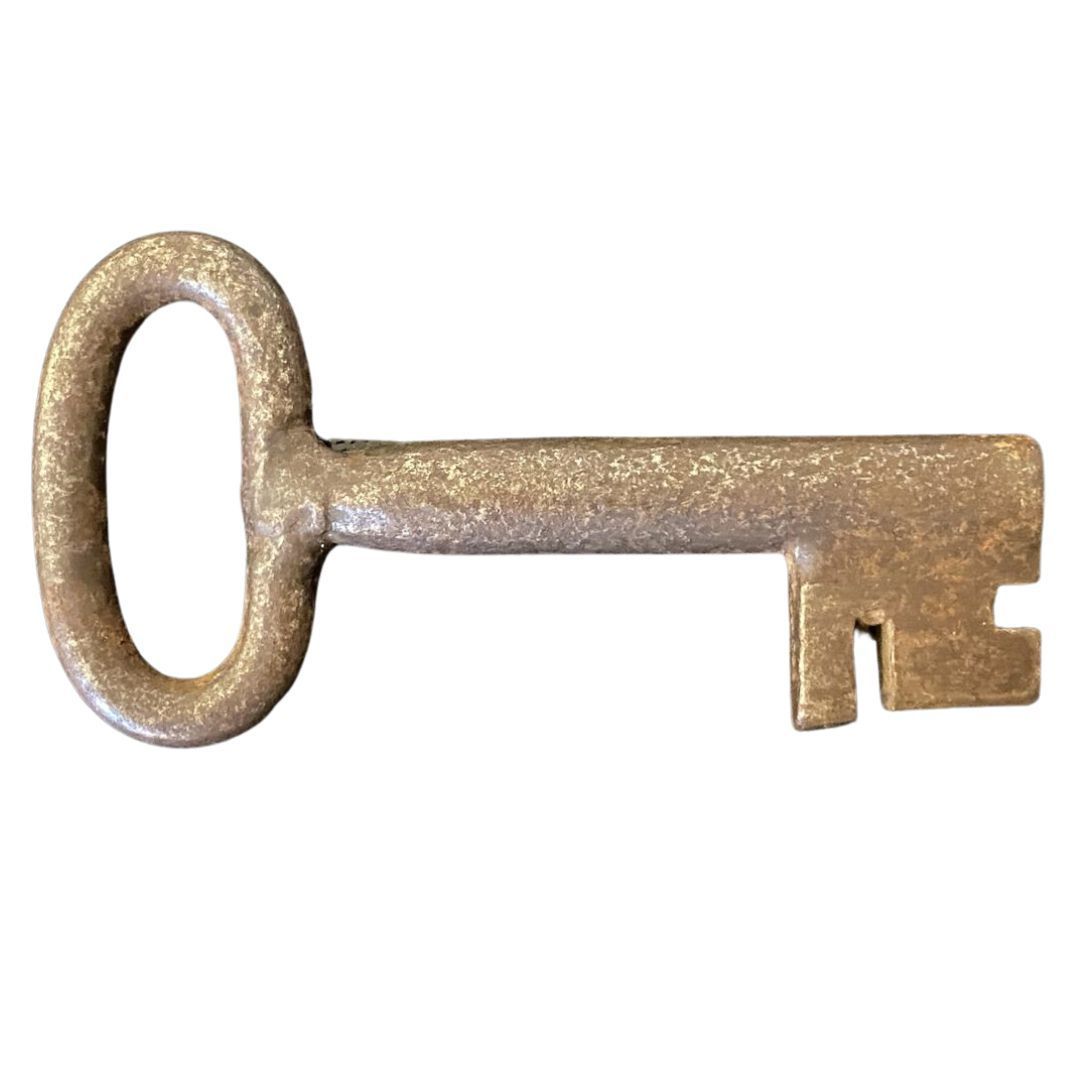
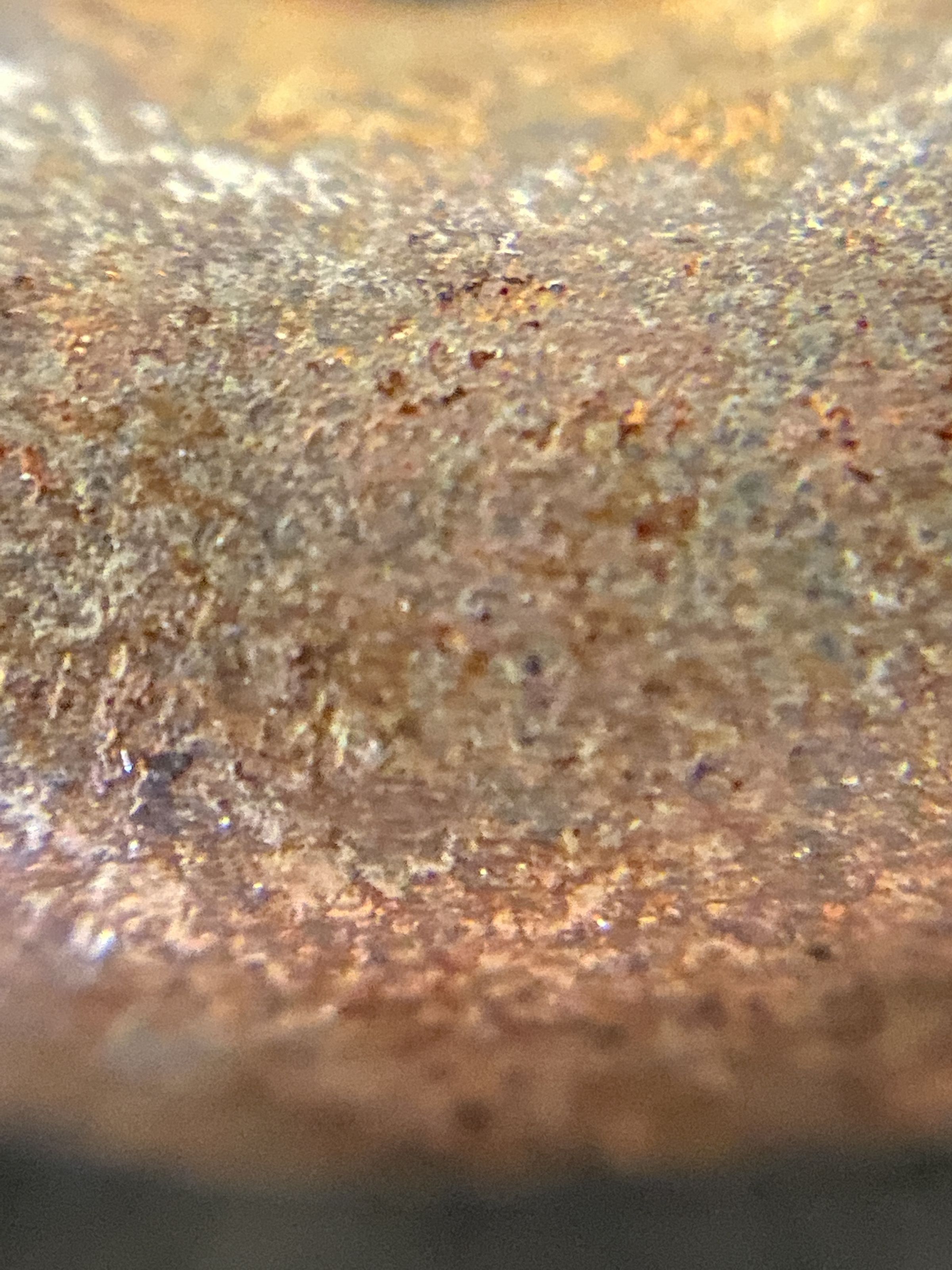
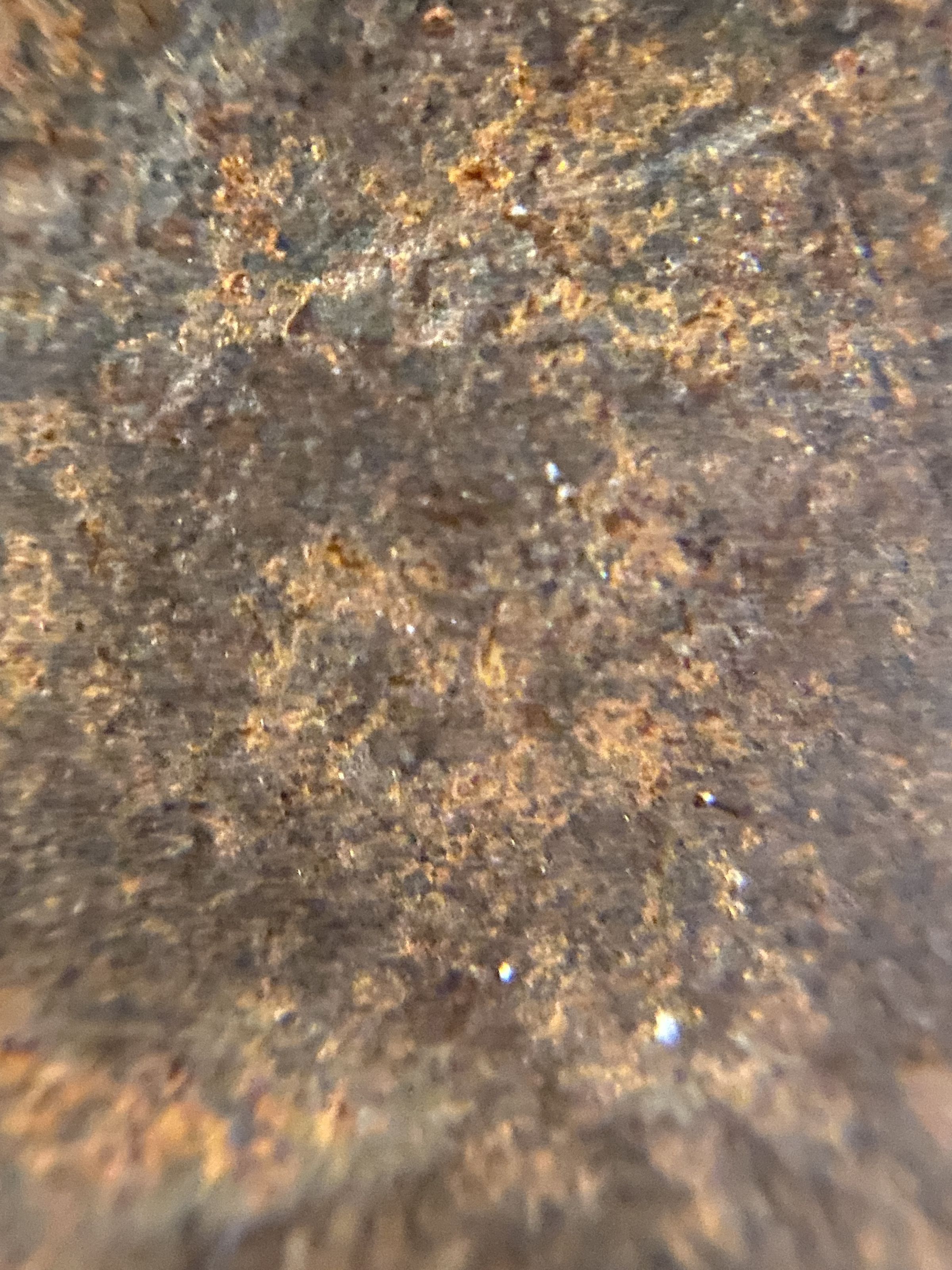
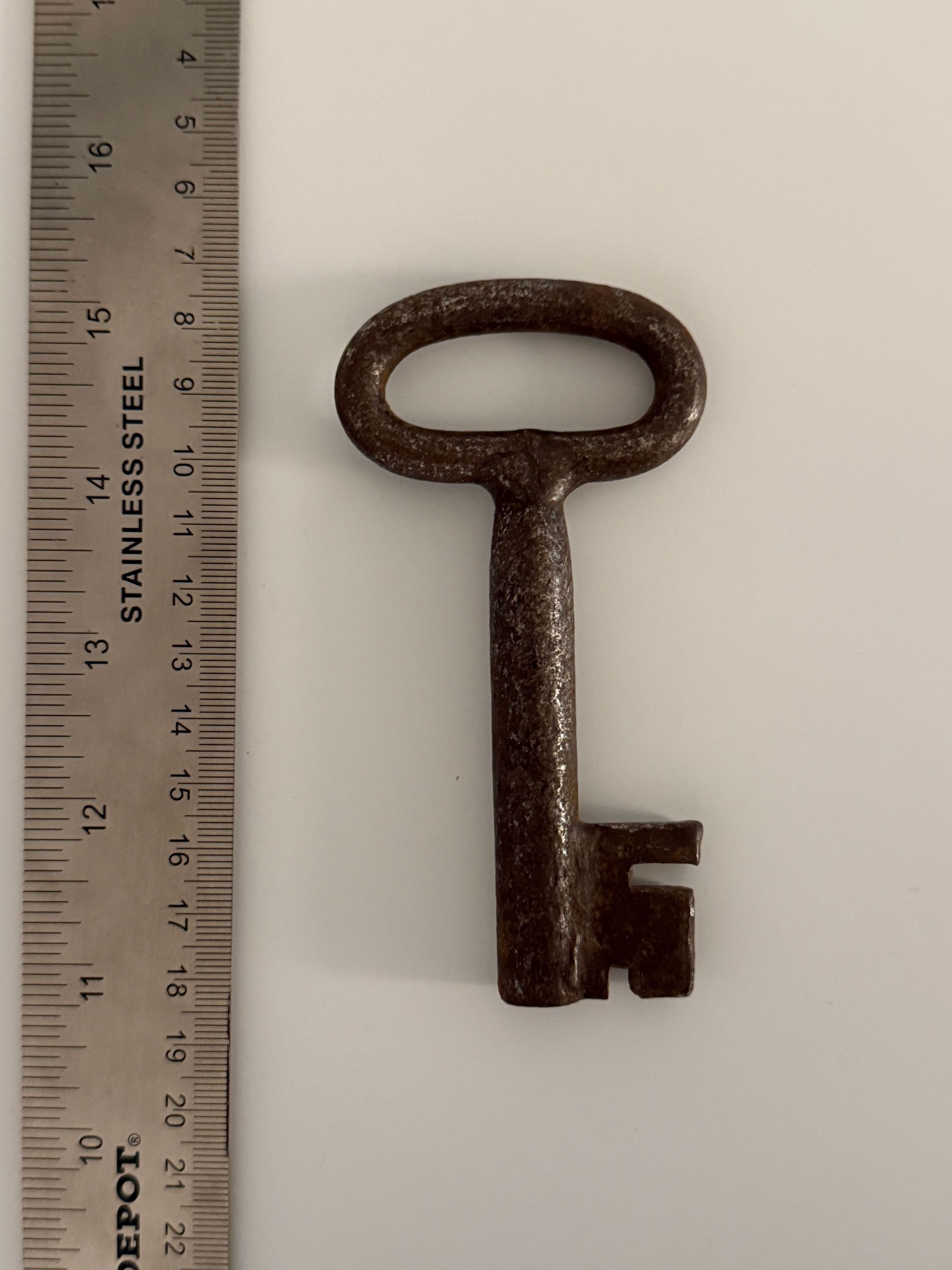
This iron key is in pristine condition, with very little rust. The key is strong enough to withstand use in a door lock, which may indicate it was made and used in the early twentieth century. It is difficult to pinpoint the specific year and geography of this key, as iron keys have been used in Palestine and the broader Eastern Mediterranean for centuries, at least since the medieval period. By the 18th and 19th centuries, iron keys were standard for residential doors across rural and urban Palestine.
Keys of this type were typically large, heavy, and hand-forged, reflecting vernacular building practices and the artisanal production of household objects in rural and urban Palestine. Homes in pre-1948 Palestine often required numerous keys, with one key for each door. A large key ring holder or chain is used to carry all of the keys by the lead woman of the household, the wife and mother, who was considered the head of domestic affairs of the home. In exile, Palestinian families distribute the keys of a single home across generations. This is a continued practice, as families in Gaza continue to save the keys to their demolished homes during the genocide, citing the loss of home as one of the most profound experiences of displacement.
In the aftermath of the 1948 Nakba, when over 750,000 Palestinians were forcibly displaced to make way for the creation of Israel, house keys became critical objects of personal and collective memory. Many families carried their keys as they fled, often wearing them as necklaces or storing them among their most valued possessions. These keys subsequently assumed layered functions: as witnesses to dispossession and as legal symbols of ownership and return.
For Palestinians in exile, the key operates as a symbolic and physical manifestation of the right of return. This principle is enshrined in United Nations General Assembly Resolution 194 (1948), which affirms that “the refugees wishing to return to their homes and live at peace with their neighbors should be permitted to do so at the earliest practicable date.” The resolution has since formed a cornerstone of international legal arguments supporting Palestinian refugee claims and their continued right to return to their home and homeland. The material preservation of keys across generations reflects both a cultural and juridical assertion of that right, as well as the persistence of place-based memory within the Palestinian diaspora.
Today, original house keys are rarely present in institutional museum collections, and held through private family holdings. The keys in the museum's collection are of the most valuable objects, as they represent a family's trust in the ethical stewardship of the Museum of the Palestinian People to ensure they are protected when the family returns to their home in the future.
Citations:
United Nations General Assembly Resolution 194, December 11, 1948.
Amiry, Suad. Peasant Architecture in Palestine : Space, Kinship and Gender. Ramallah : Riwaq Centre for Architectural Conservation, 2017. ISBN 978-9950-303-19-5.
Walid Khalidi, All That Remains: The Palestinian Villages Occupied and Depopulated by Israel in 1948 (Washington, DC: Institute for Palestine Studies, 1992).Collection
Permanent CollectionMade/Created
Date made
circa 1900 - circa 1948Time Period
20th CenturyRelationships
Related Person or Organization
Person or Organization
Maker Once KnownRelated Places
Notes
type: component-origin
component: iron key
date: 1900-1948
certainty: approximate
notes: made for a Palestinian home.Notes
type: travel
date: 2024
certainty: precise
notes: Object donated to MPP