Anna Turning
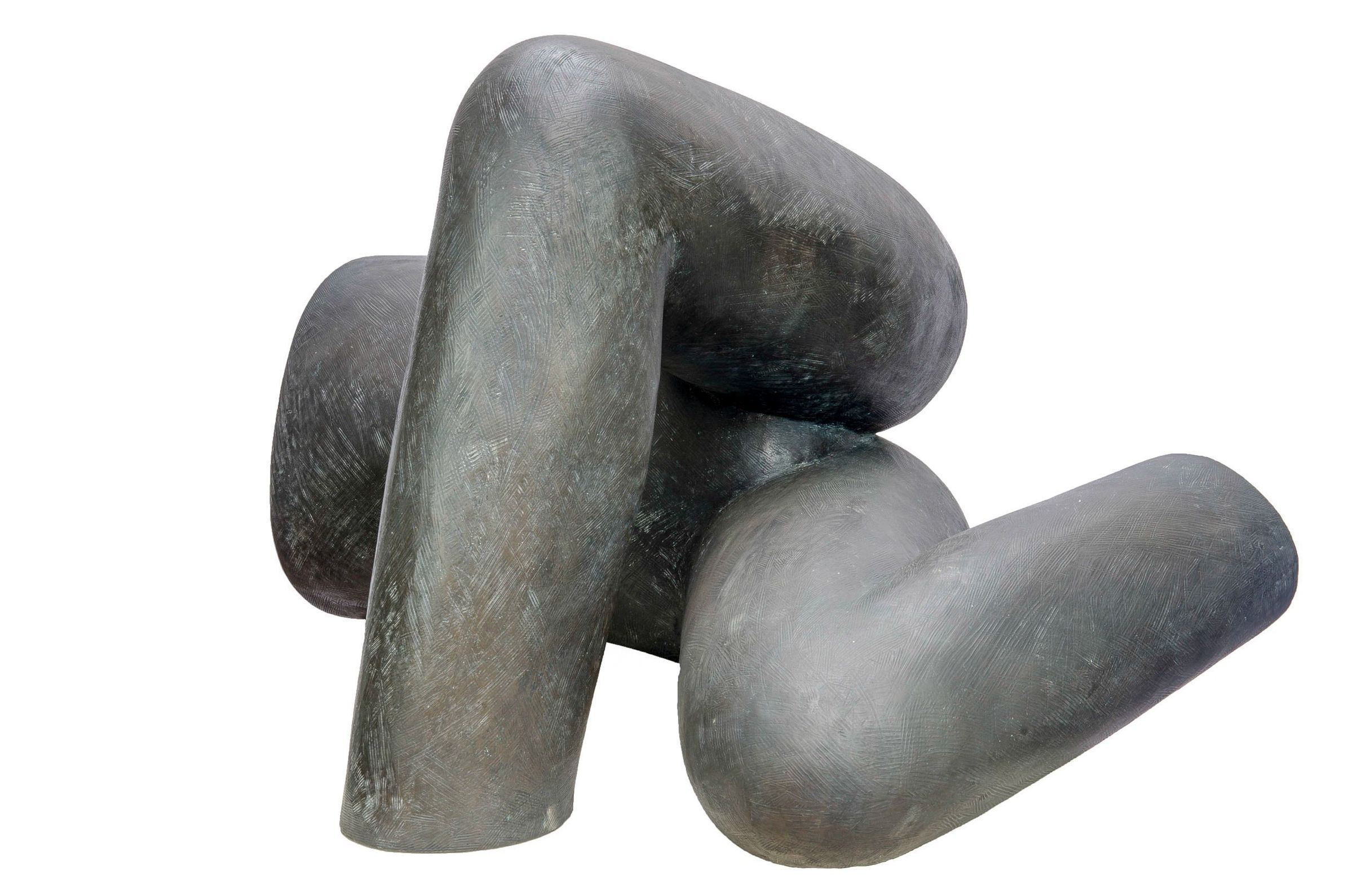
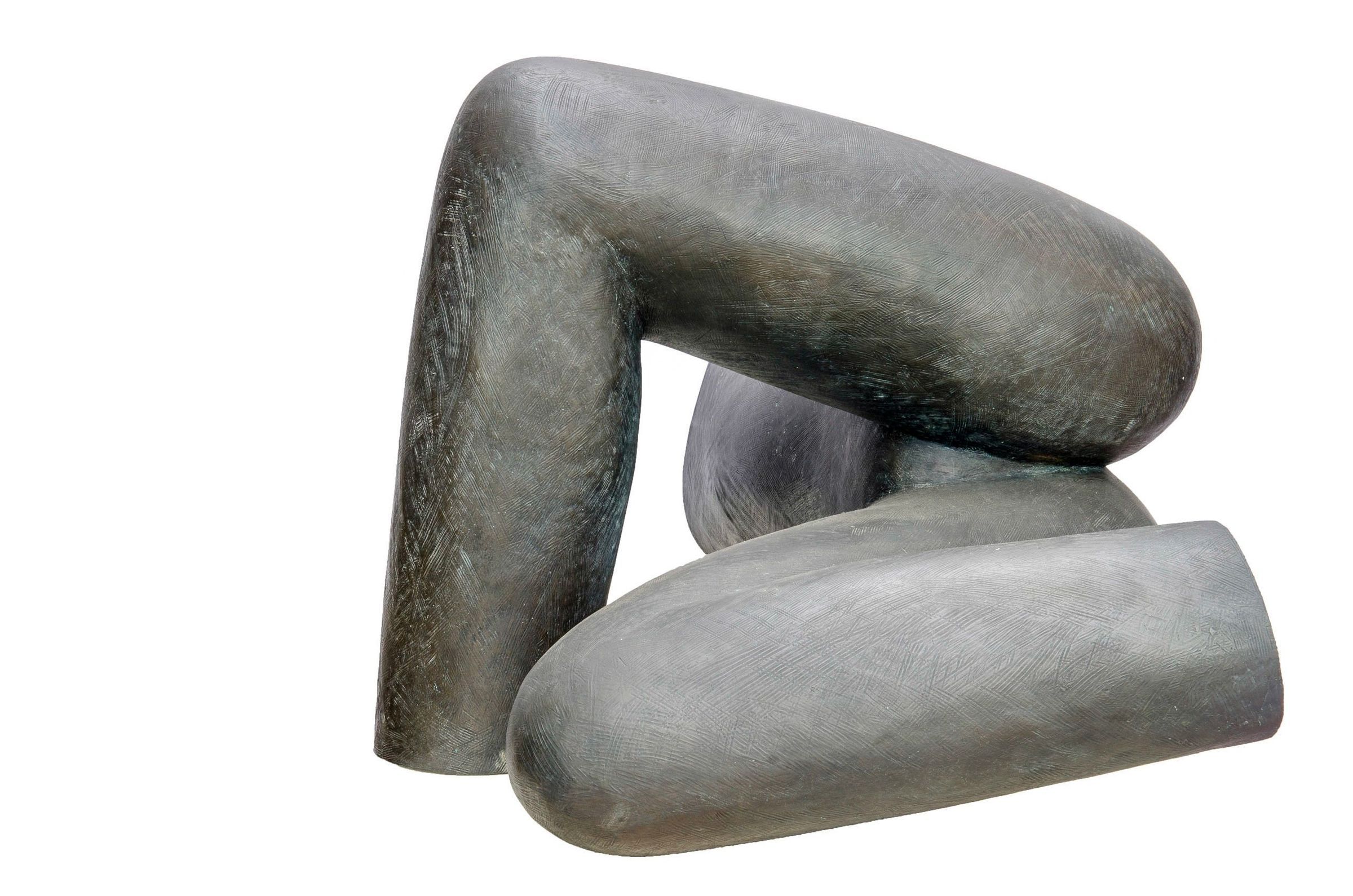
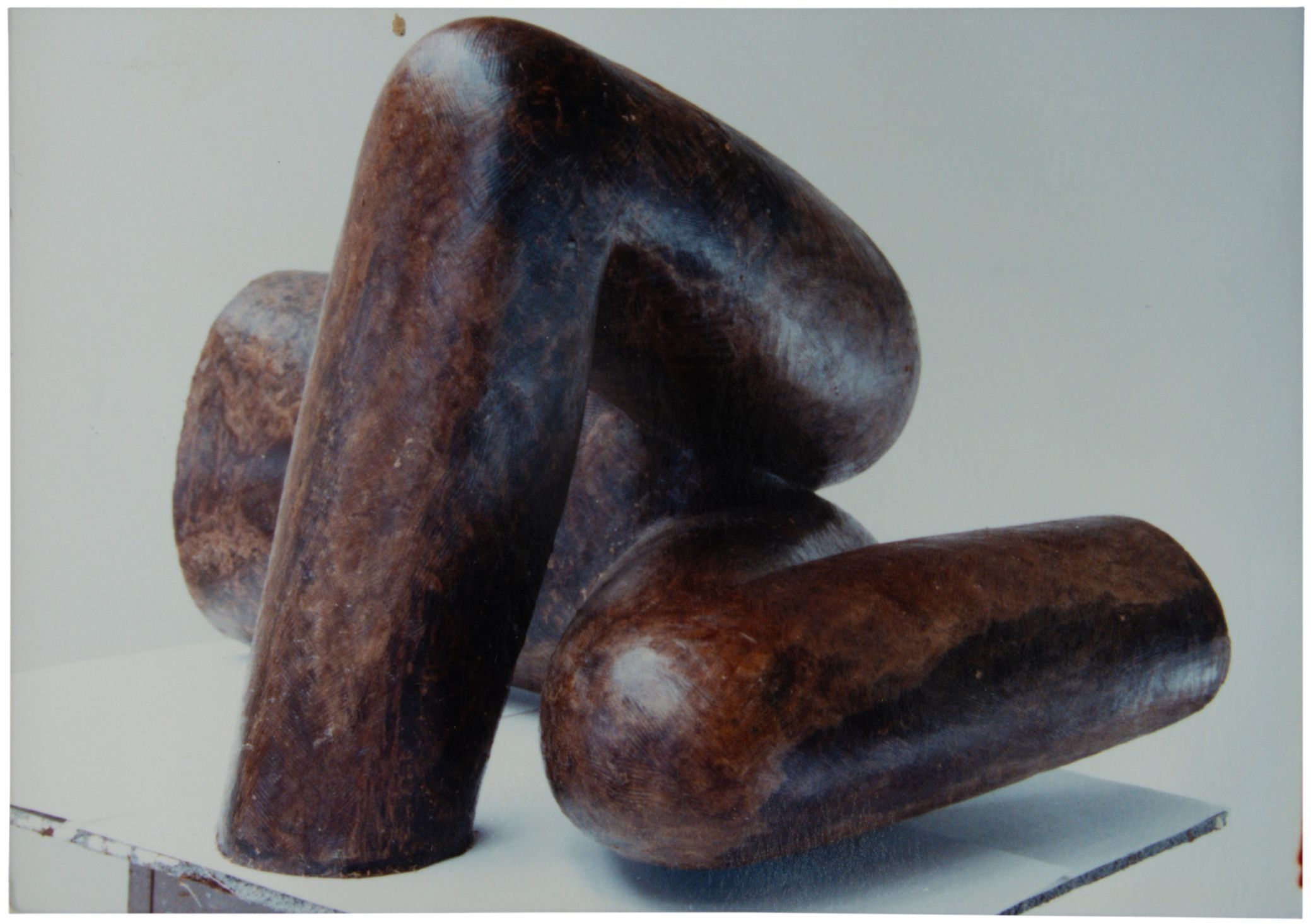
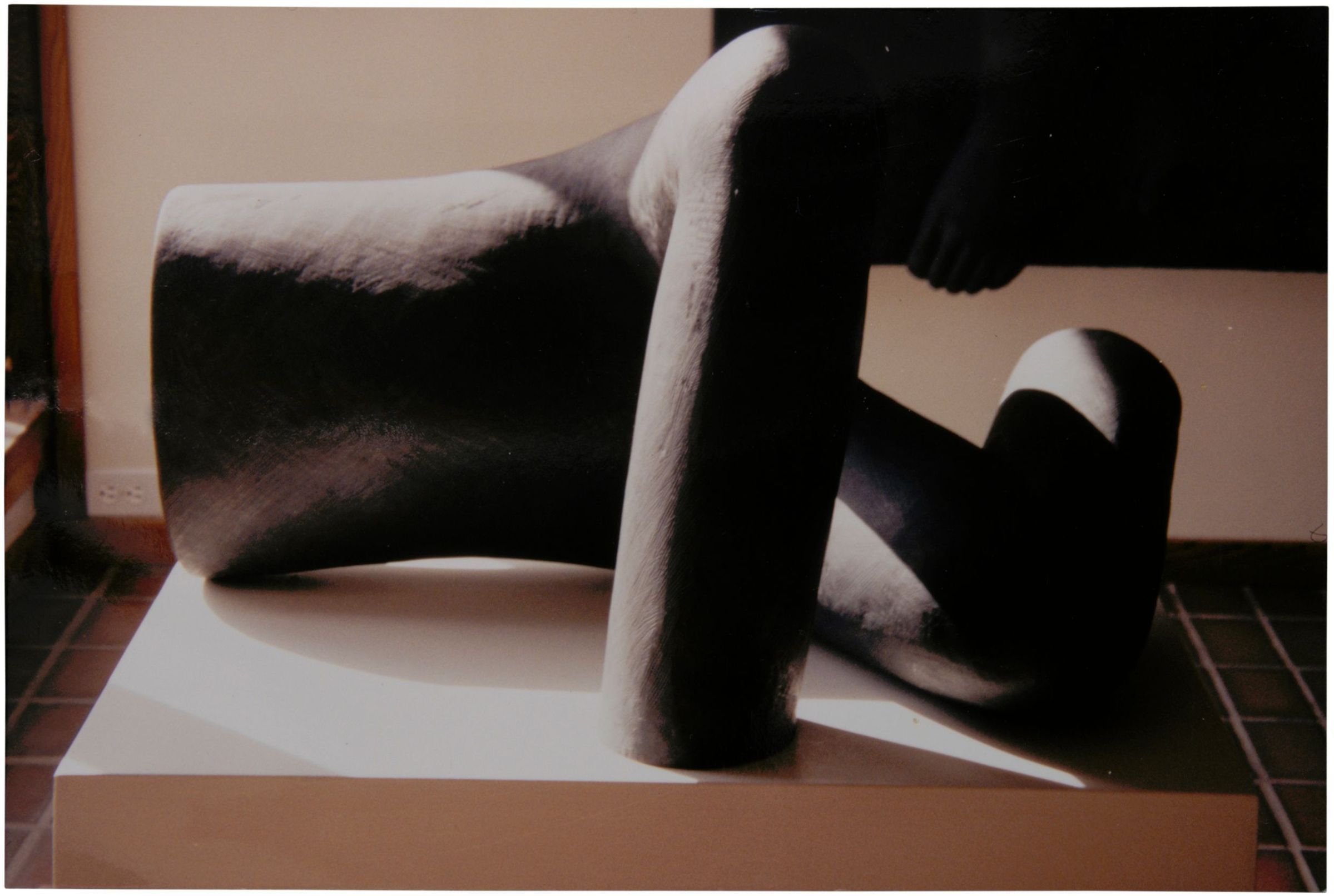
Anna Turning, 1989, bronze, 23 x 34 x 23 inches
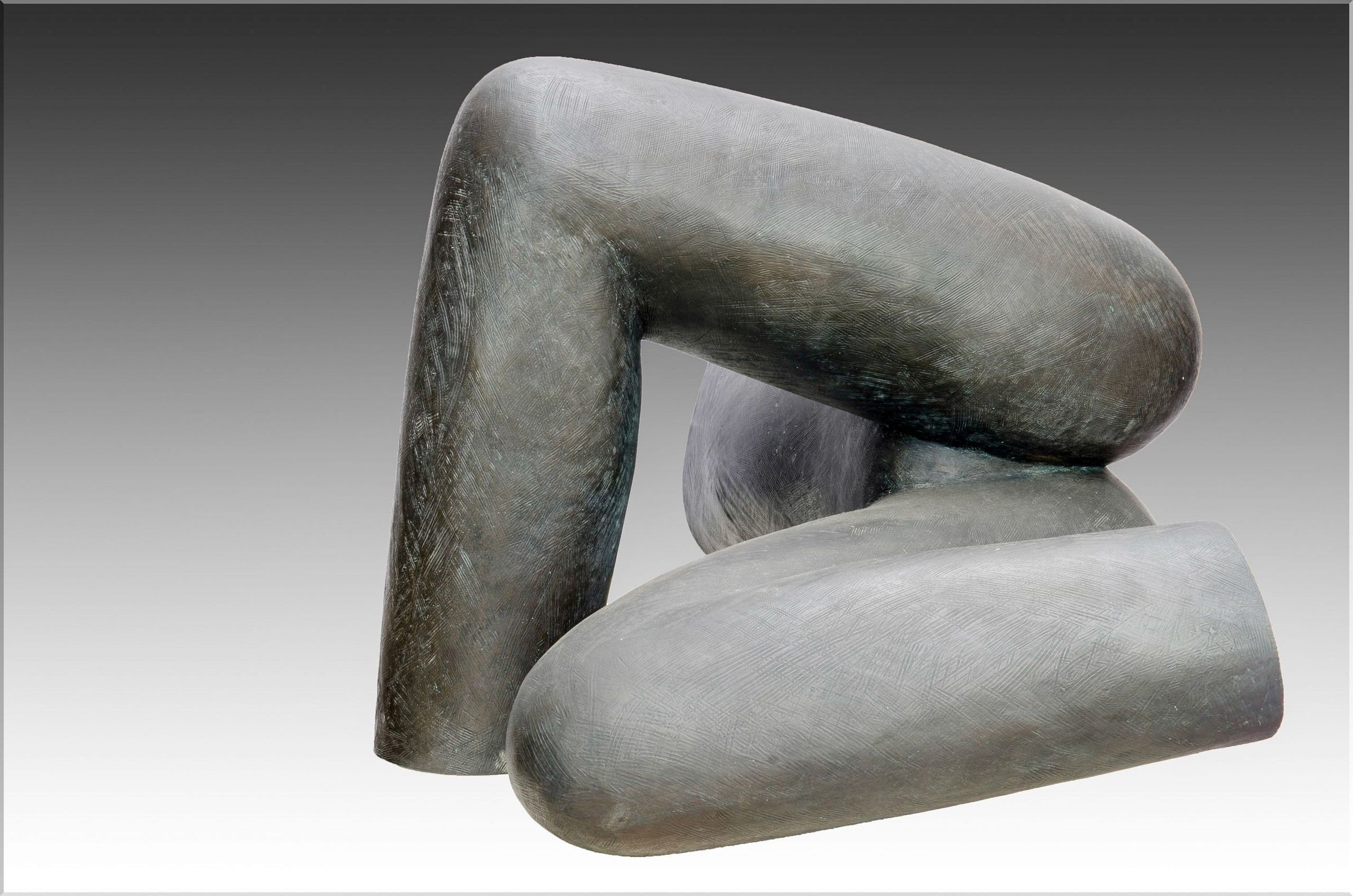
Name/Title
Anna TurningEntry/Object ID
525Artwork Details
Medium
BronzeMade/Created
Artist
Paul HarrisDate made
1989Notes
Cast at Shidoni Foundry, NMEdition
Edition Size
2Other Names and Numbers
Other Numbers
Number Type
Previous PH Estate Inventory NumberOther Number
157.00–157.01Number Type
Mold Inventory Number(s)Other Number
1989.2.M1Number Type
Warehouse Inventory Number(s)Other Number
1989.2.BDimensions
Height
23 inWidth
34 inDepth
23 inDimension Description
Grey pedestalHeight
34 inWidth
24 inDepth
27-1/2 inRelationships
Related Publications
Publication
Barnes, Caroline. "Blending Art with Life." <i>Los Altos Town Crier</i> (Los Altos, CA), June 27, 2000.Publication
Brown, Theophilus. <i>Paul Harris Sculpture</i>. Seattle: University of Washington Press, 2000.Notes
fig. 110Exhibitions
<i>Paul Harris: Works in Bronze</i> [traveling exhibition], Iannetti-Lanzone Gallery, San Francisco, CA, April 13–May 20, 1989; C. Grimaldis Gallery, Baltimore, MD, September 6–30, 1989; Galerie Redmann, Berlin, Germany, February 14–March 10, 1990
[<i>Untitled Solo Exhibition</i>], Fresno Art Museum, CA, November 5, 1999–January 2, 2000
<i>Paul Harris: Bronzes and Drawings</i>, Fresno Art Museum, CA, June 10–August 17, 2008