Woman Giving Her Greeting
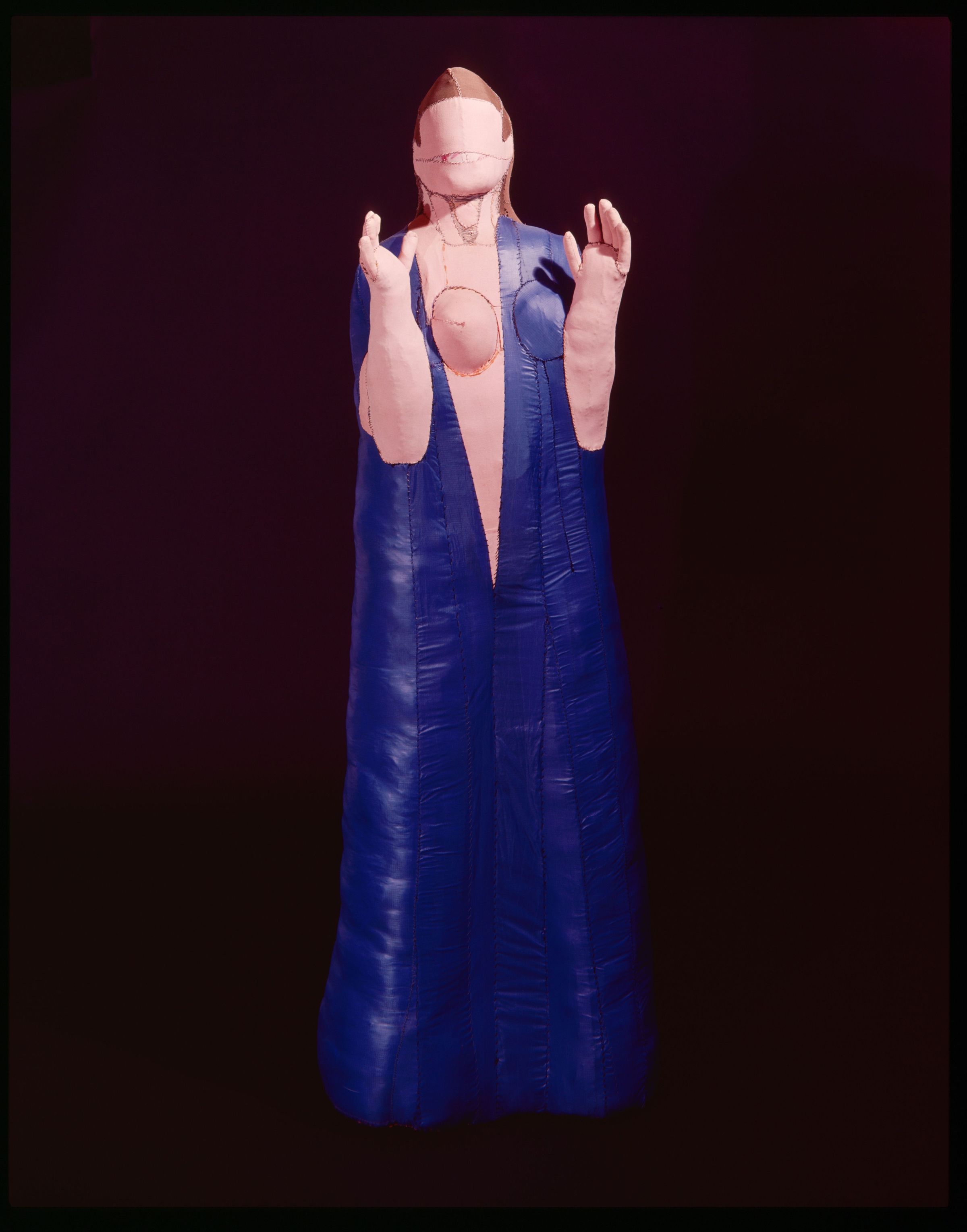
Woman Giving Her Greeting, 1964, cloth on metal, 67 x 21 x 15 1/2 inches
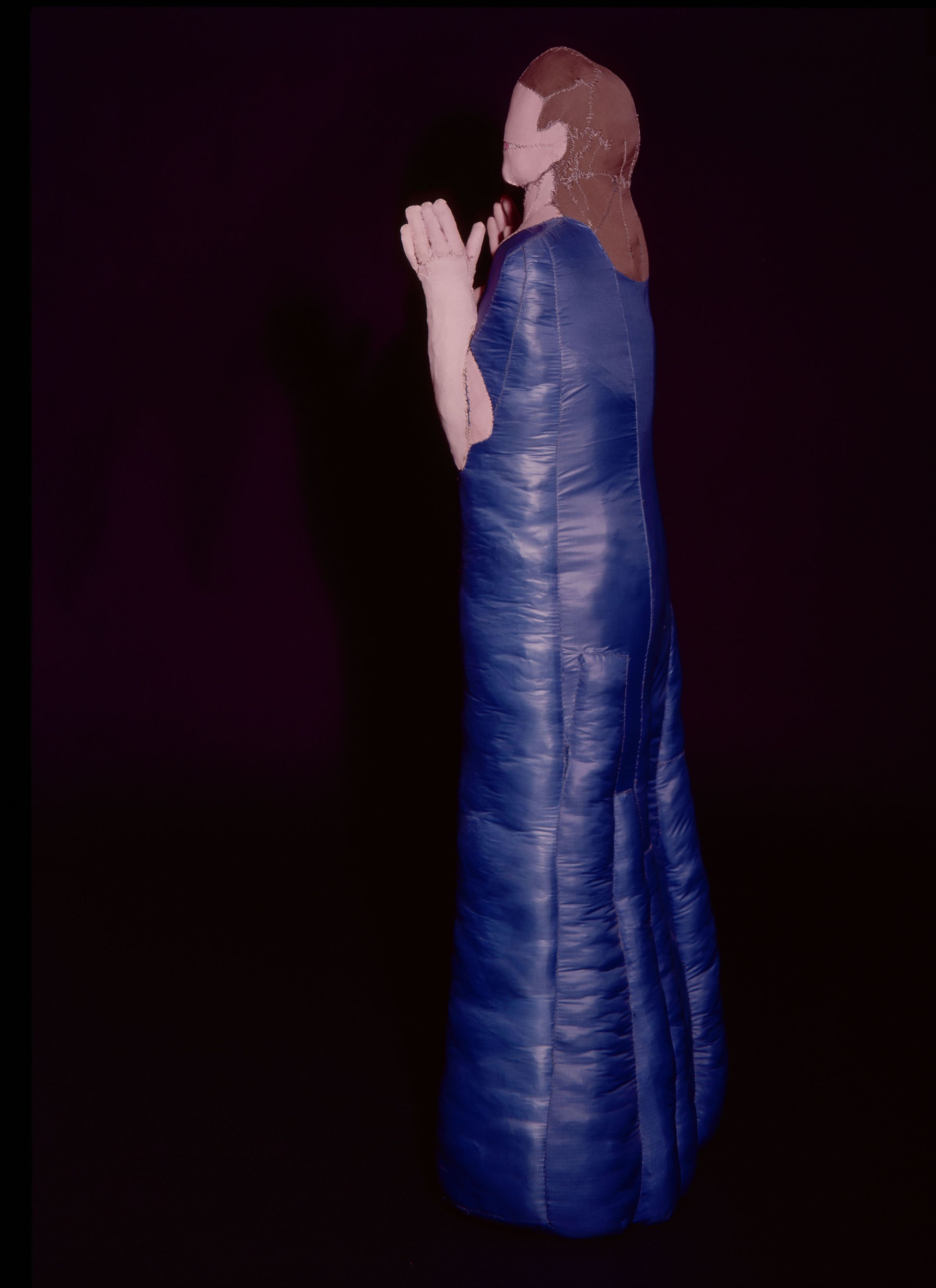
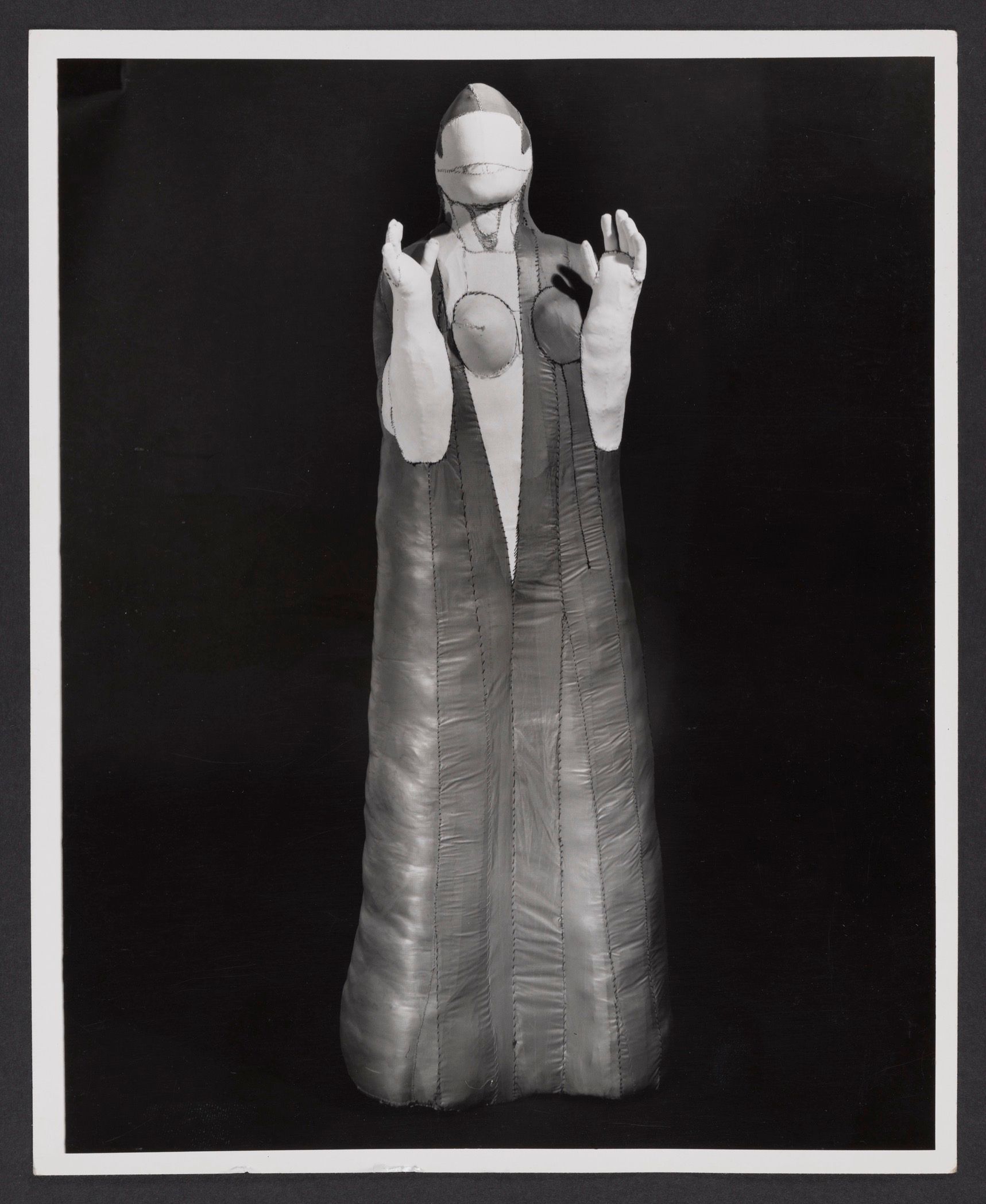
Woman Giving Her Greeting, 1964, cloth on metal, 67 x 21 x 15 1/2 inches
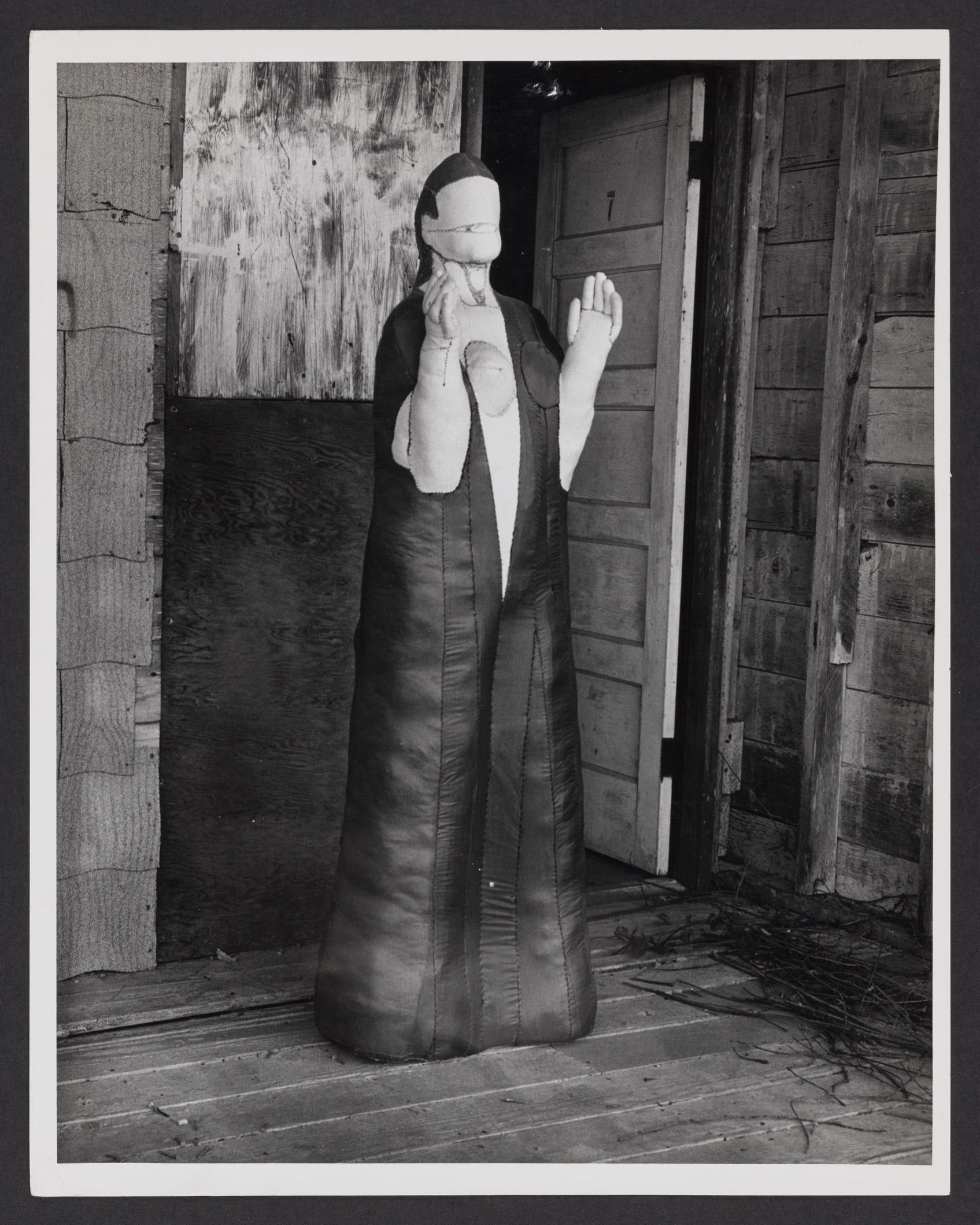
Name/Title

Woman Giving Her Greeting

Entry/Object ID

309

Artwork Details

Medium

Cloth on metal

Made/Created

Artist

Paul Harris

Date made

1964

Edition

Edition Size

1 of 1

Other Names and Numbers

Other Names

Name Type

Also known as

Other Name

Woman Greeting

Other Numbers

Number Type

Previous PH Estate Inventory Number

Other Number

56.00

Dimensions

Height

67 in

Width

21 in

Depth

15-1/2 in

Relationships

Related Person or Organization

Person or Organization

Fresno Art Museum

Notes

CA; Gift of Christopher and Nicholas Harris

Related Entries

Related Publications

Publication

Brown, Theophilus. <i>Paul Harris Sculpture</i>. Seattle: University of Washington Press, 2000.

Notes

fig. 50, dimensions differ

Exhibitions

<i>Paul Harris</i>, Lanyon Gallery, Palo Alto, CA, April 27–May 22, 1965
<i>Paul Harris</i>, Poindexter Gallery, New York, NY, December 20, 1966–January 14, 1967
<i>Stuffed Expressionism and Abstract Inflationists</i>, Graham Gallery, New York, NY, March 1–26, 1966
<i>American Sculpture of the Sixties</i> [traveling exhibition], Los Angeles County Museum of Art, CA, April 28–June 25, 1967; Philadelphia Museum of Art, PA, September 25–October 29, 1967
<i>Soft Art</i>, New Jersey State Museum, Trenton, NJ, 1969
<i>Fabric Sculptural Works: Paul Harris</i>, Yellowstone Art Museum, Billings, MT, September 1–October 28, 2001

General Notes

Note Type

Remarks

Note

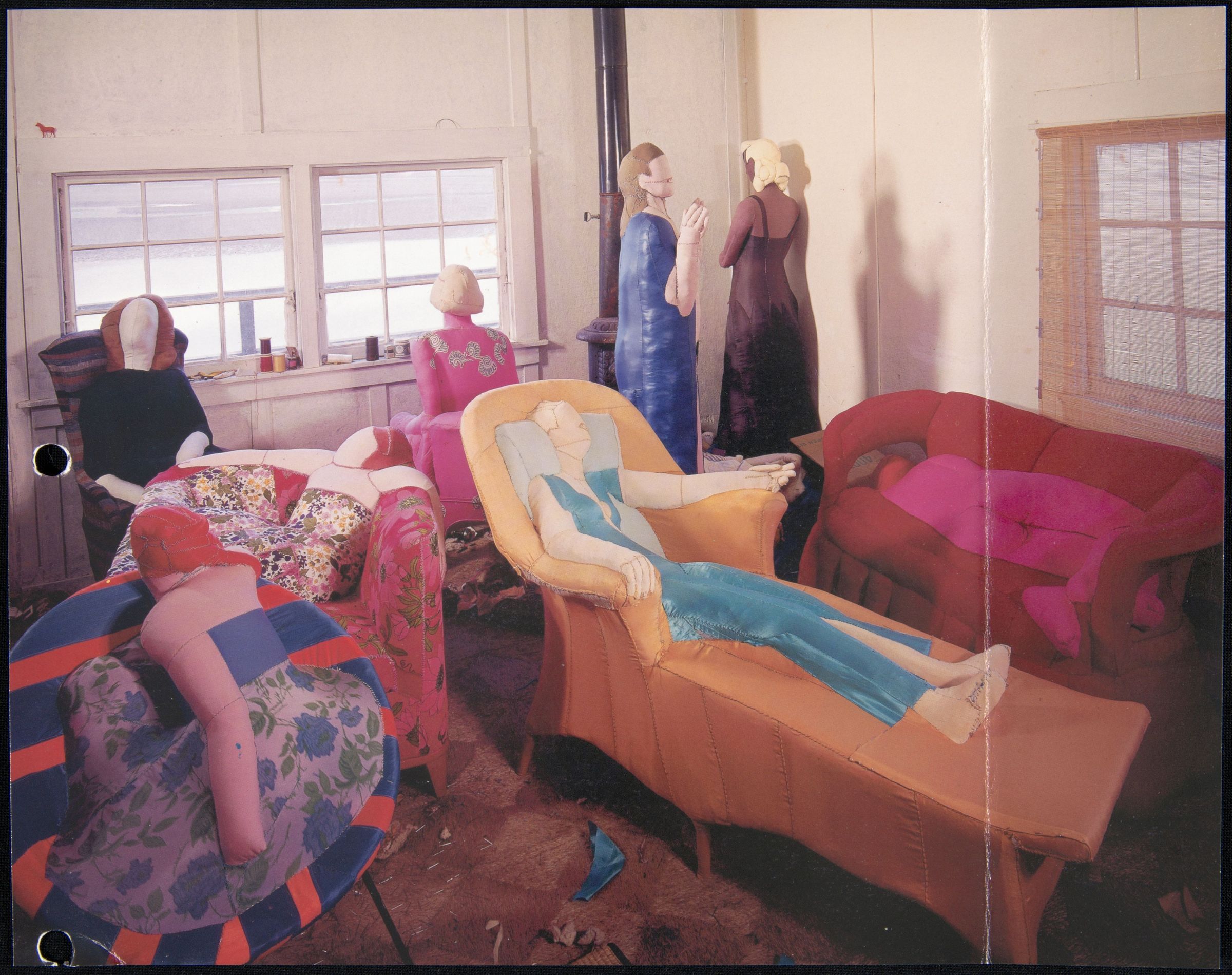
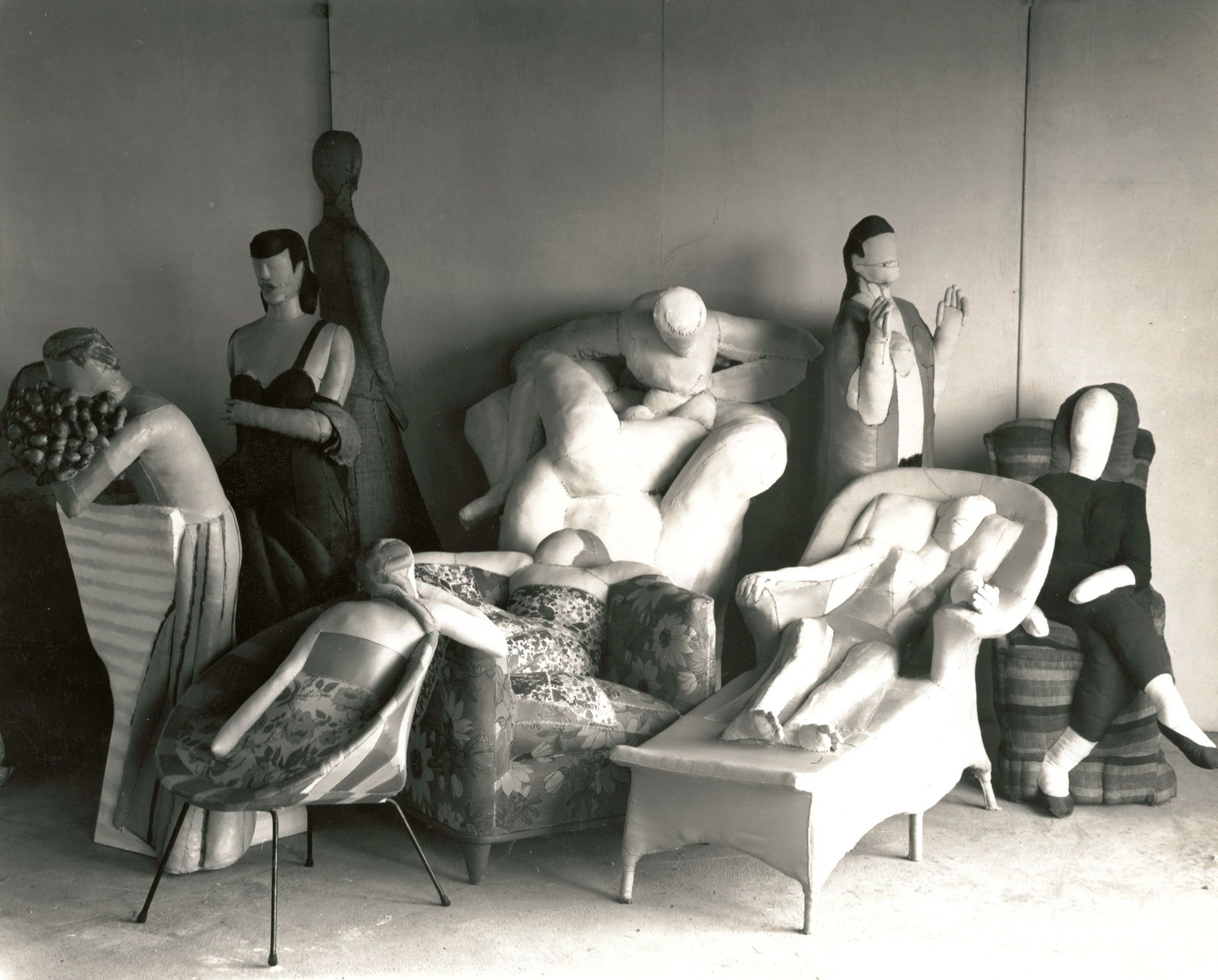
Chronology Excerpt: “Harris sews his first stuffed cloth figure <i>Woman in Blue Slacks</i>. By 1964, he will have produced three additional works, including <i>Woman in Pink Gown</i> (1964) and <i>Woman Giving Her Greeting</i> (1964) ‘Vivaciously colored, highly patterned,’ enthuses Leah Triplett. The body of work, she adds, ‘demonstrates a painterly sensibility and a command for expressing emotion through material and formal juxtapositions’ and ‘anticipates installation art of the late 1970s and 1980s in their sense of space and scale.’ The sculptures were heavily influenced by available materials. In a 2000 radio interview, he reflects that, ‘In my time . . . we were faced with new materials which looked like they were going to have great possibilities for us . . . For my part, I couldn’t afford bronze, and I don’t think I had the physical structure for working in stone. I just had to look around because of the problems of money; and when I came to Bolinas, in a house that we rented, someone had had a fire and had left clothes . . . And she left some mattresses. And so I stuffed these and made stuffed figures for quite a while that I sewed . . . It did express something that I needed to say at that point . . . and it helped me to find my subject matter.’ Nicholas Harris remembers, ‘After school I would often come to his studio on the Bolinas Lagoon, and I have similar memories of him sewing diligently for hours on end. I remember threading many of his curved needles so he could stay focused on the work. The word got out that he was making these cloth sculptures of women in chairs. Family friends donated furniture and cloth, some of which ended up in the sculptures. Our friends couldn’t believe that a man sewed so well and so much.’”

Create Date

August 27, 2025

Update Date

September 16, 2026