Note
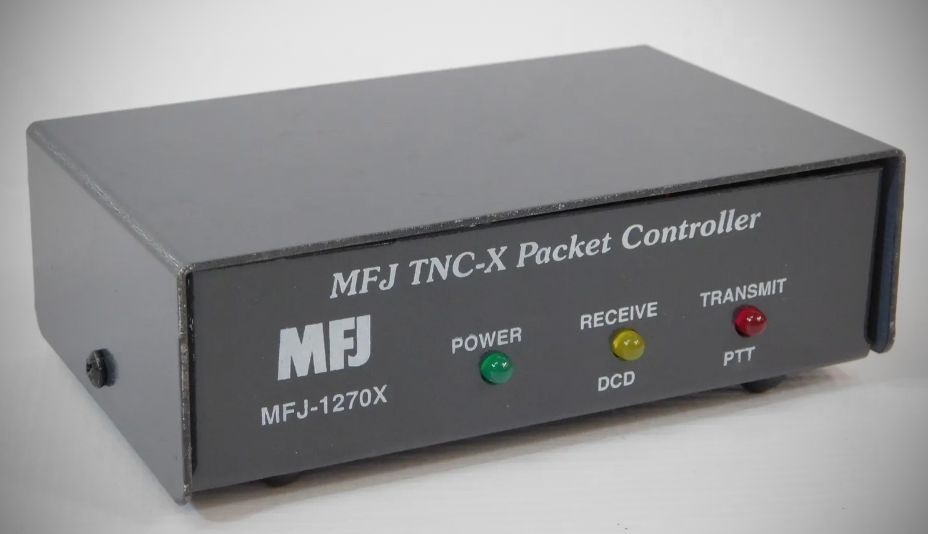
The MFJ-1270X is a terminal node controller design based on the
Chepponis/Karn KISS protocol. It is implemented using a Microchip PIC
16F628A microcontroller, a CML MX614 Bell 202 modem chip, an 8K
Ramtron FRAM, a MAX232A level converter chip, and an op-amp which
provides active audio filtering for the modem. From the beginning, this
TNC was designed to be small, inexpensive, have low power
consumption, and expandable.
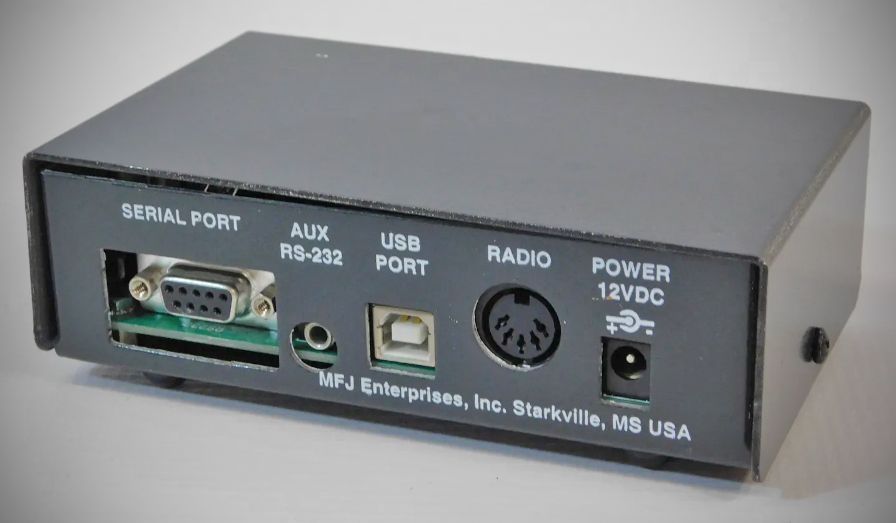
The MFJ-1270X features an on-board USB port. The USB port was
added because the design took into consideration that modern
computers lack the old style RS-232 serial ports. There is also an 8-pin
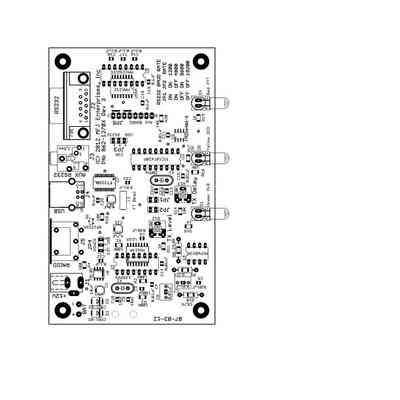
expansion header that allows the addition of "daughter boards". Power
is provided to the daughter board through the expansion header. In
addition, signals that would otherwise go to or from a host PC can be
intercepted by the daughter board at the TTL level and processed.
The I/O on the expansion header speaks "KISS" so that any daughter board
only has to send and receive data packaged in KISS format to access
the core module. This makes the development of daughter boards fairly
simple and inexpensive. For example, daughter boards are available that can turn the MFJ-1270X into either of two types of digipeaters via the MFJ-1270DG, or into a stand alone APRS tracker with the Coastal Chip Works X-Track board (http://tnc-x.com/).
In addition, the expansion header provides access to a second on-board
serial port. The X -Track daughter board, for example, uses this port to
receive data from a GPS receiver. The data is then processed and formed into packets and an APRS beacon is sent. Even without daughter boards the MFJ-1270X works as a fully functional stand alone KISS mode TNC.
The idea behind the expansion options was to provide a platform that
would allow additional functionality to be added to the unit with the
investment of very little design time and very few parts.