Note
73, Aug 1966, p. 33.
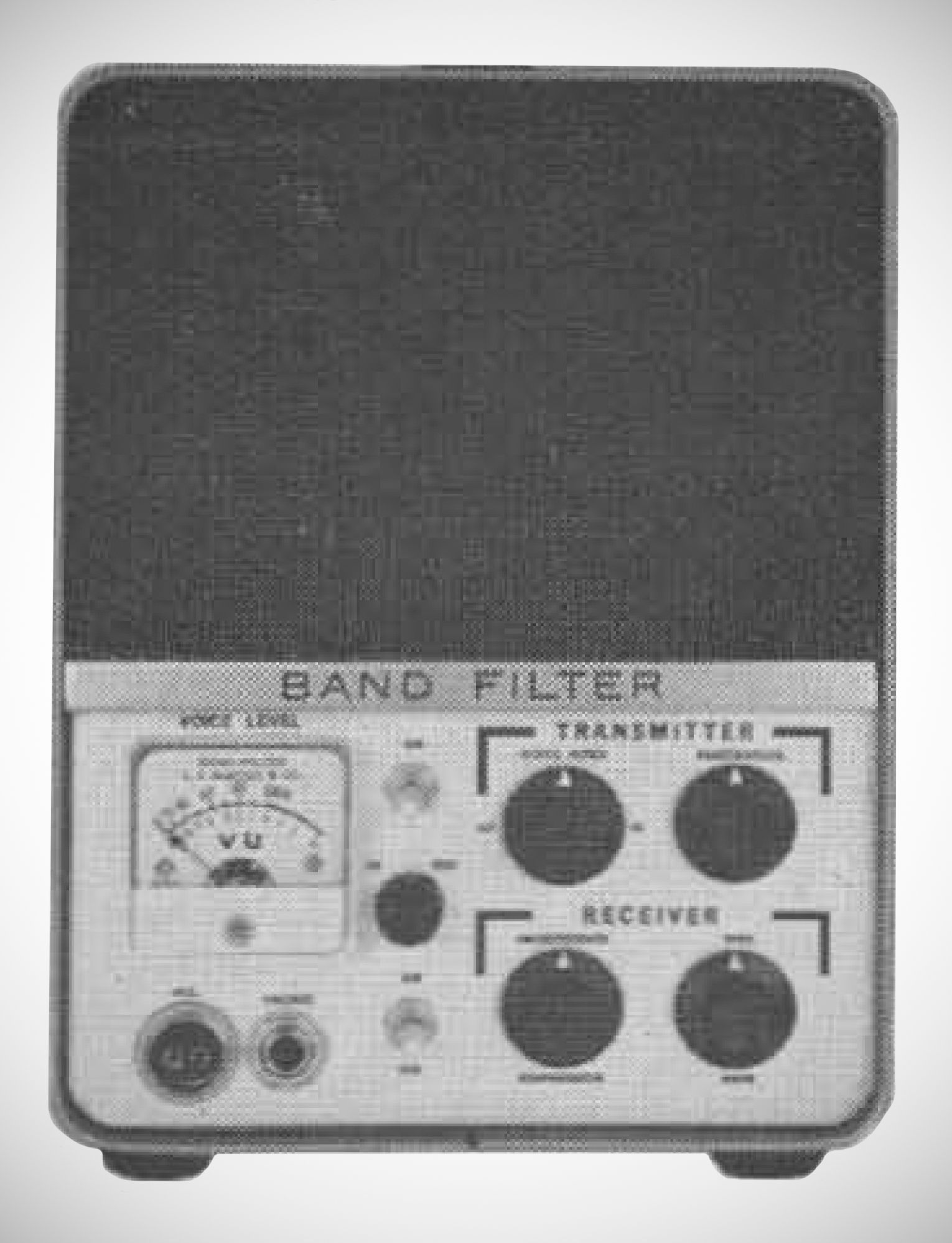
The L-1000A was an all-solid-state, outboard audio and RF processing unit designed to interface between an amateur radio transceiver or transmitter-receiver setup. It served two main functions:
– On Transmit: It operated as a speech processor/clipper ("Speech Penetration Control") and transmission bandwidth filter. By compressing/boosting average talk-power and tailoring the audio spectrum before modulation, it claimed to increase effective signal punch—making a 200-watt SSB signal sound like 1 kW. It could also optionally function as a basic SSB generator.
– On Receive: It provided a continuously adjustable variable-selectivity audio/IF bandpass filter (utilizing Collins-style mechanical filter characteristics with a 2:1 shape factor) offering 1 kHz, 2 kHz, and 3 kHz passbands. This allowed operators to notch out adjacent-channel QRM, heterodynes, and chatter on crowded bands.
Features
– Automatic T/R Switching: Switched its internal processing automatically between receive and transmit modes.
– Solid-State Construction: Uses printed circuit boards (referred to in the ad as "computer type circuit boards") with discrete transistors.
– Dual Power Supply: Featured an internal power supply capable of running on either 117 VAC fixed station power or 12 VDC for mobile operation.
– Auxiliary Connections: Included a tape jack for recording both sides of a QSO or phone patch, and required only three external connections to tie into an existing station layout.
The L-1000A was an expensive device. Adjusted for inflation, it would cost nearly $4500 in 2026.