Note
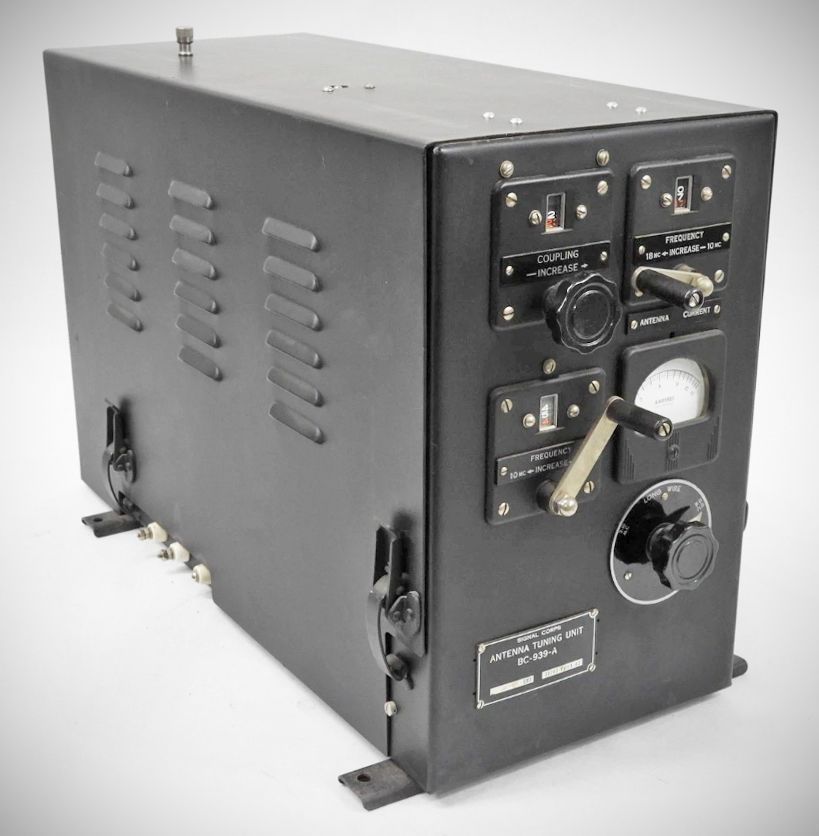
The BC-939A (part of the SCR-299 and SCR-399 mobile radio sets) is a high-power antenna tuning unit designed primarily for use with the BC-610 transmitter during WWII and the Korean War era. It was a rugged, manual tuner designed to match the transmitter's output to various antenna types, most commonly the 15-foot whip or long-wire antennas used in mobile signal operations. Most of these units were made by Hallicrafters.
The unit is housed in a heavy metal cabinet and was typically mounted on top of the BC-610 transmitter or on a bulkhead inside a communication van (like the HO-17).
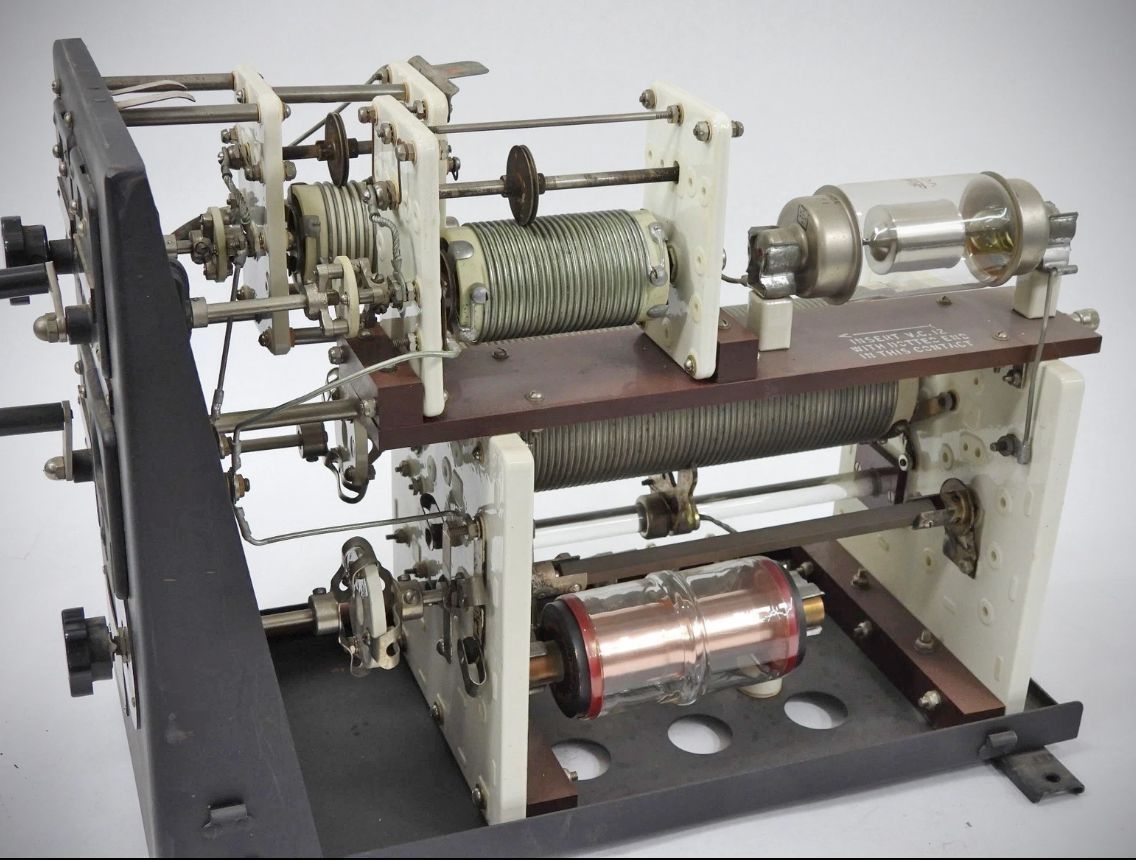
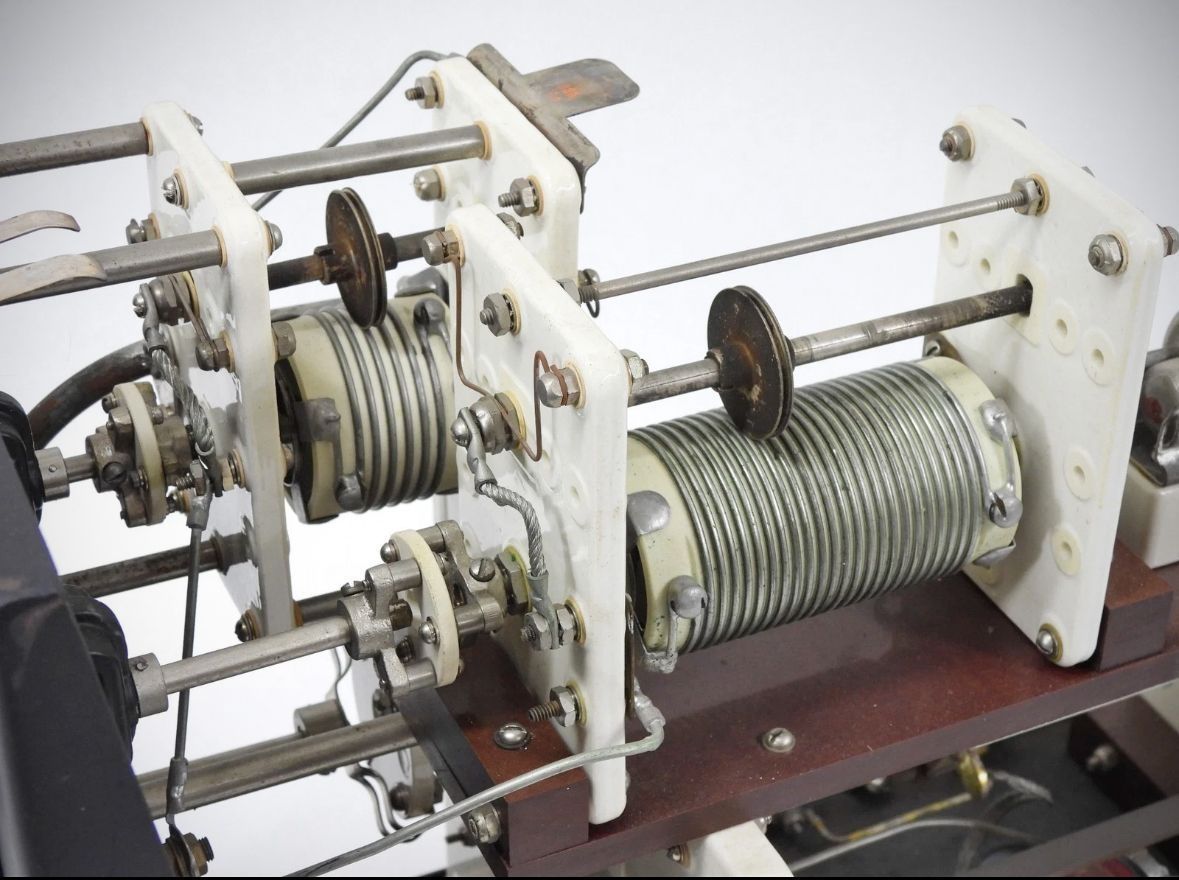
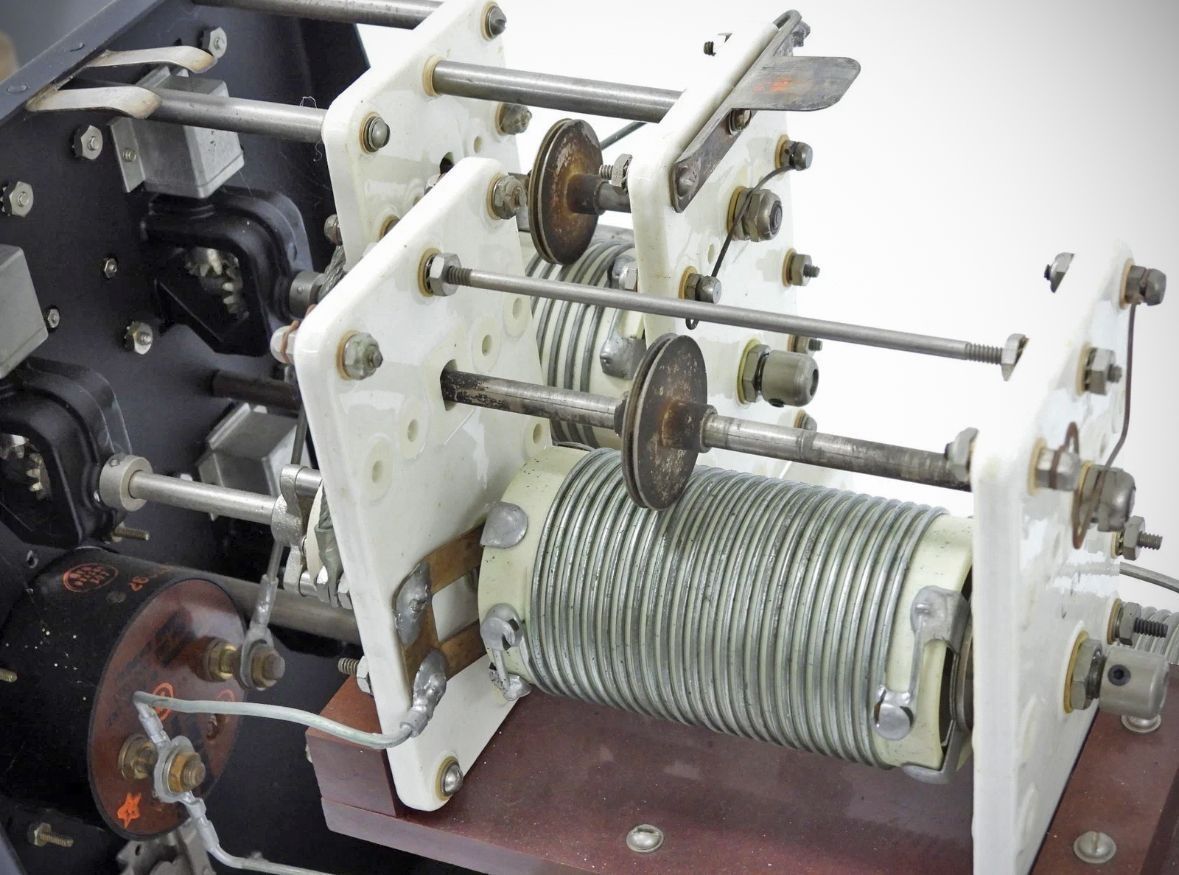
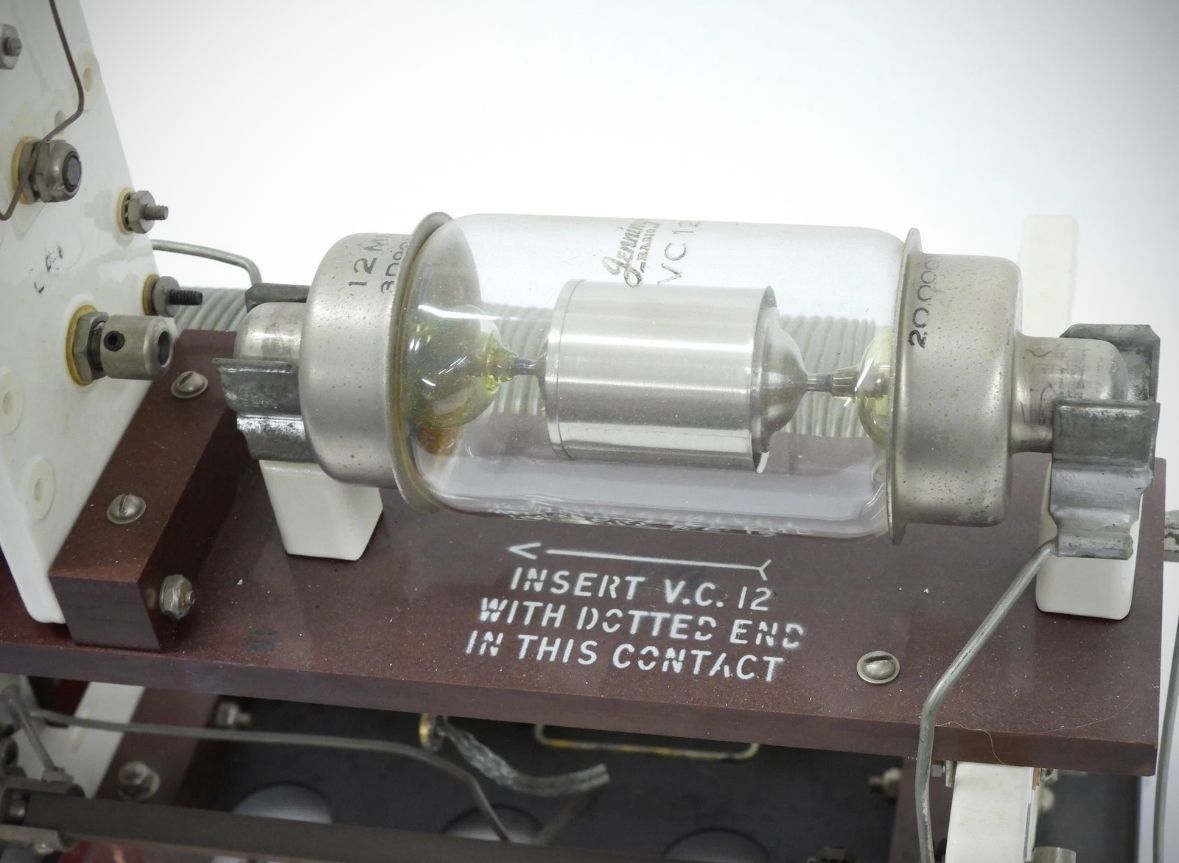
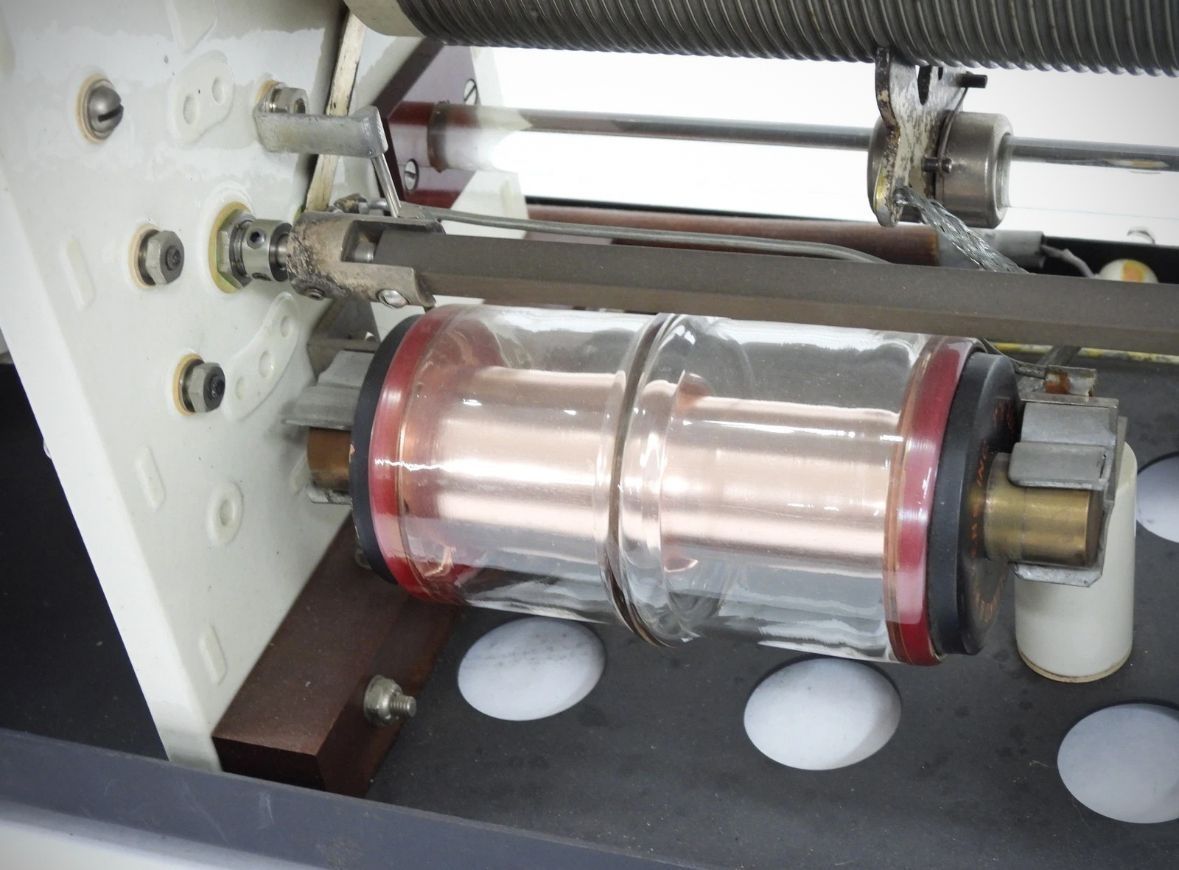
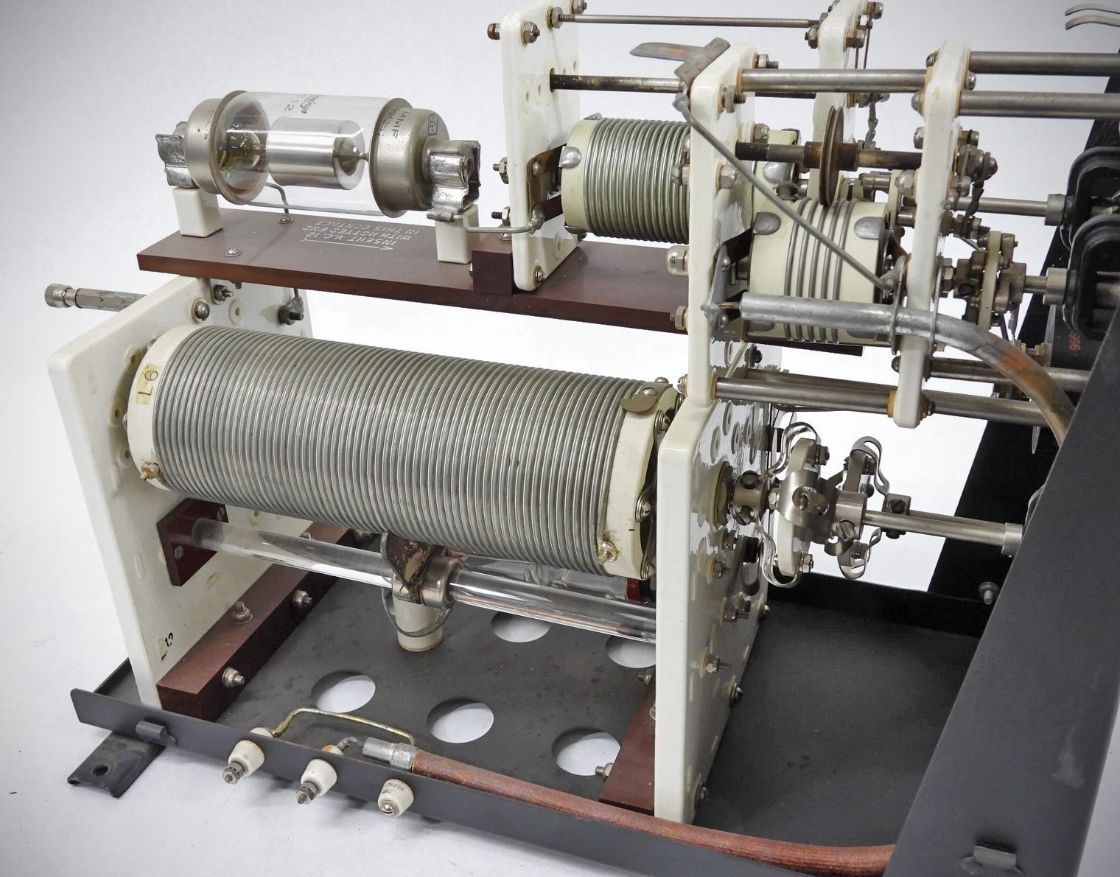
It utilizes a high-voltage rotary inductors and vacuum capacitors to achieve a wide impedance matching range.
Frequency Range: It covers approximately 2 MHz to 18 MHz, divided into several bands that correspond with the BC-610’s plug-in tuning units and tanks.
Power Handling: Designed to handle the full output of the BC-610, roughly 300 to 400 Watts (AM/CW).
Key Components and Controls
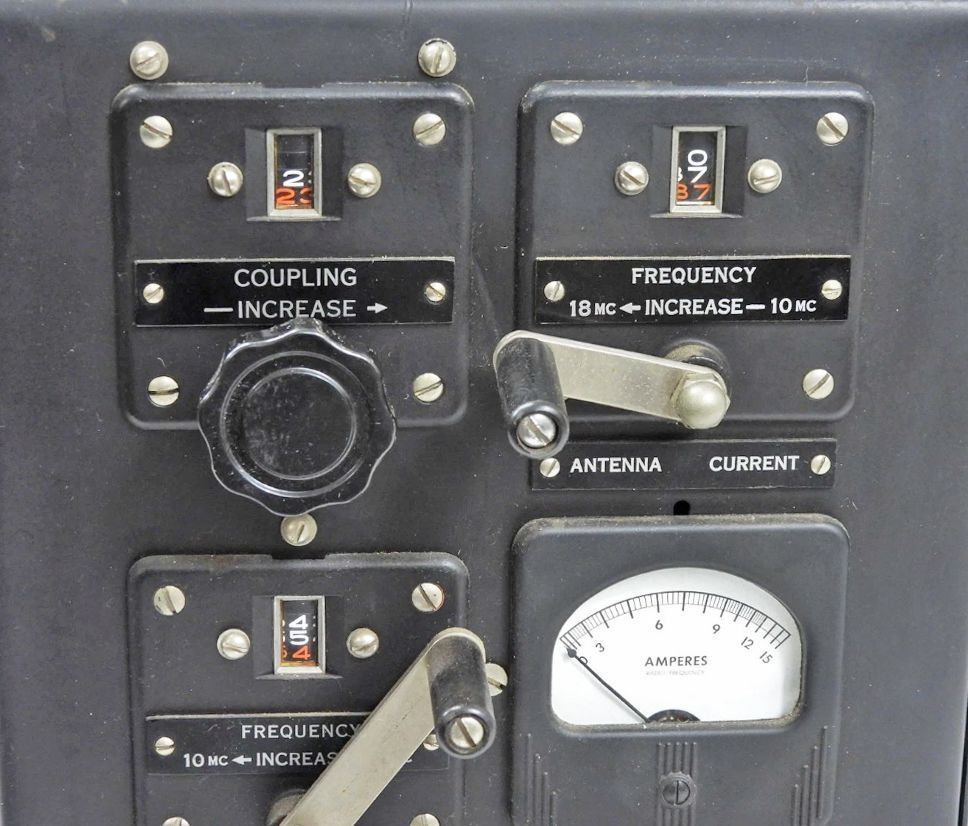
The front panel of the BC-939A is distinctive for its large, high-torque controls required to move the internal components.
Antenna Coupling: A large dial used to adjust the inductive coupling between the transmitter and the antenna system.
Antenna Tuning (Inductance): Controls a large, silver-plated rotary inductor. This allows for precise "dialing in" of the electrical length required to make the antenna resonant at the operating frequency.
Current Meter: An RF Ammeter is usually present on the panel to provide a visual indication of maximum current flow into the antenna, signaling that the system is properly tuned and resonant.
Impedance Matching: Short whip antennas at lower frequencies present a very low radiation resistance and high capacitive reactance. The BC-939A used its large internal coils to cancel out that reactance.
Because it was built for military vibration and shock environments, once a frequency was tuned and the dials were locked, it remained highly stable even while the vehicle was in motion.