Note
QST, Nov 1979, pp. 142–143.
QST, Jan 1980, p. 99.
QST, Apr 1981, p. 126.
QST, Jan 1982, p, 101.
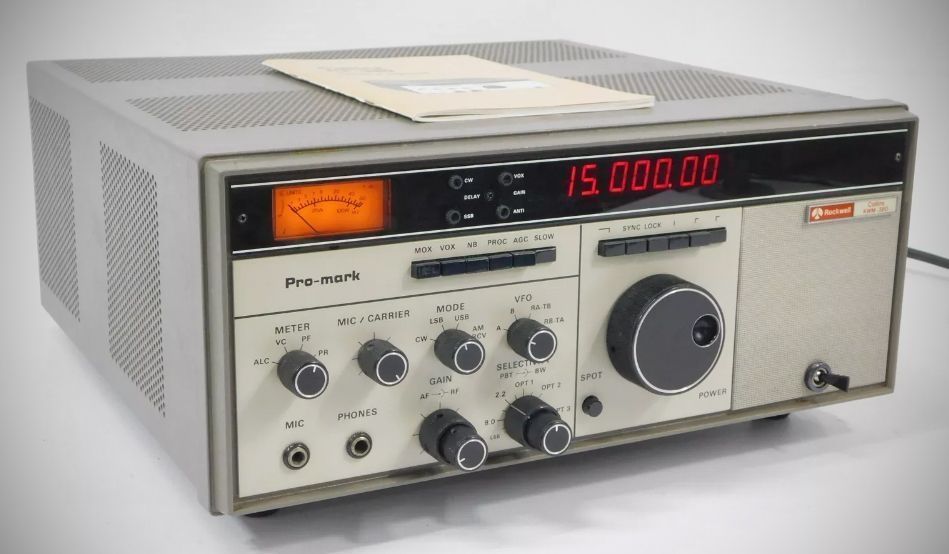
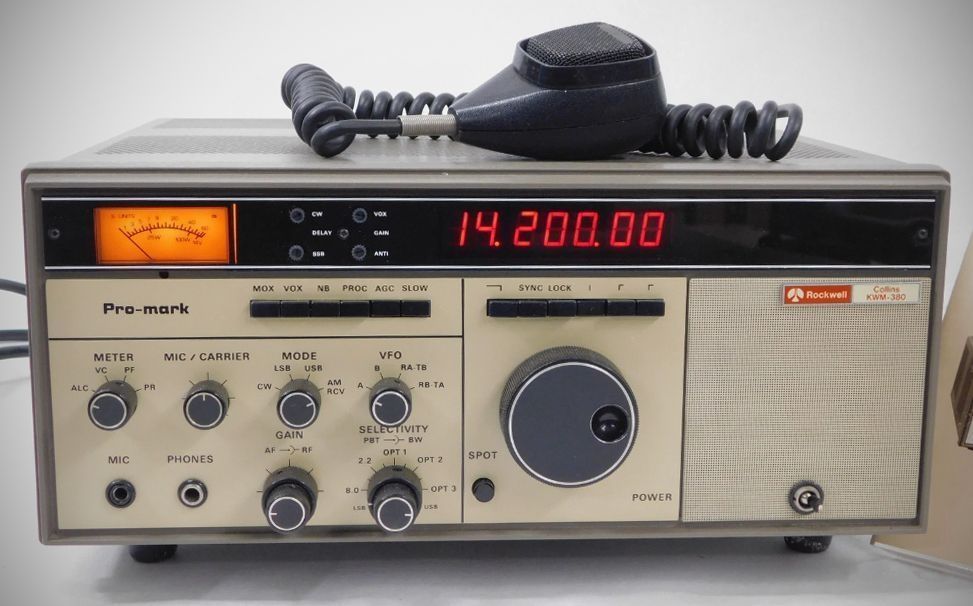
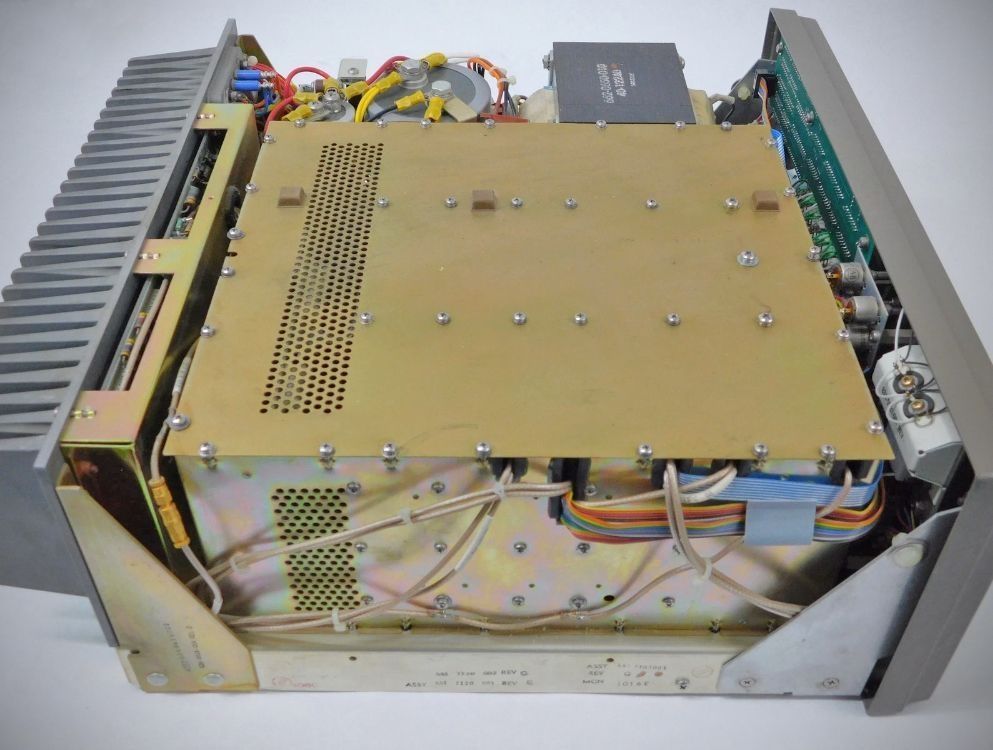
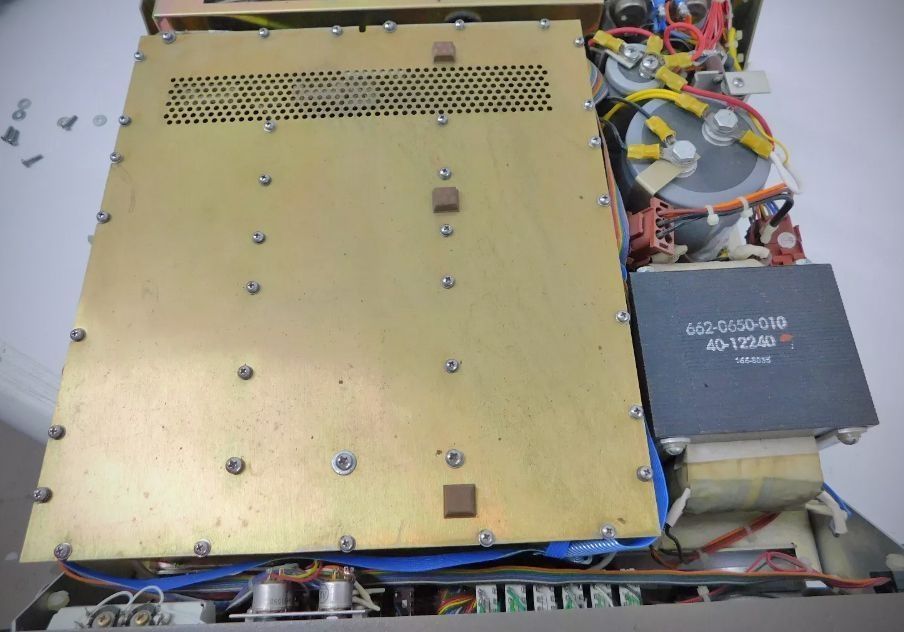
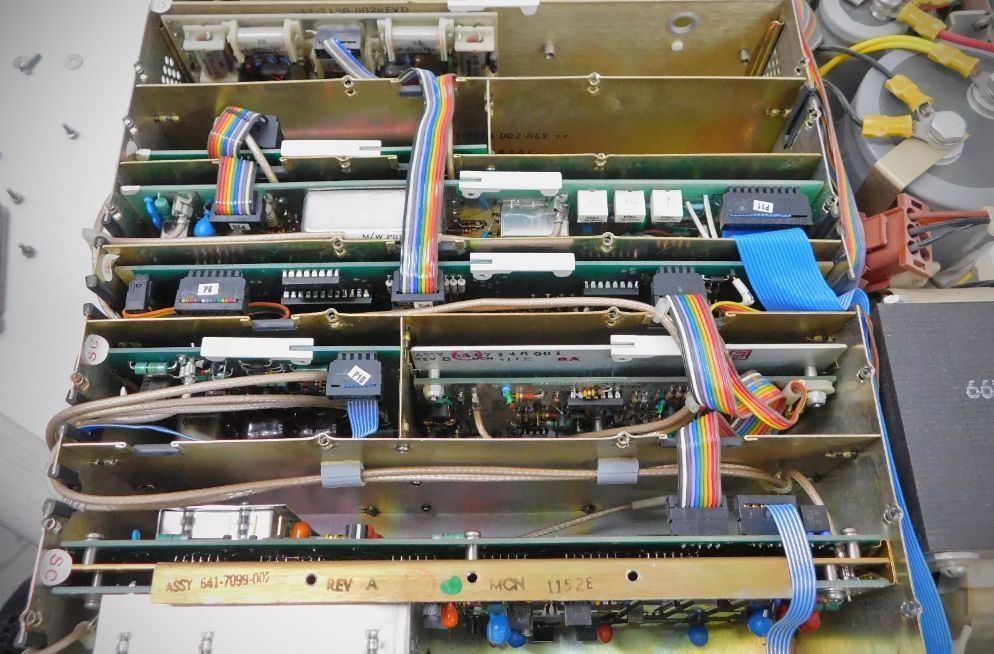
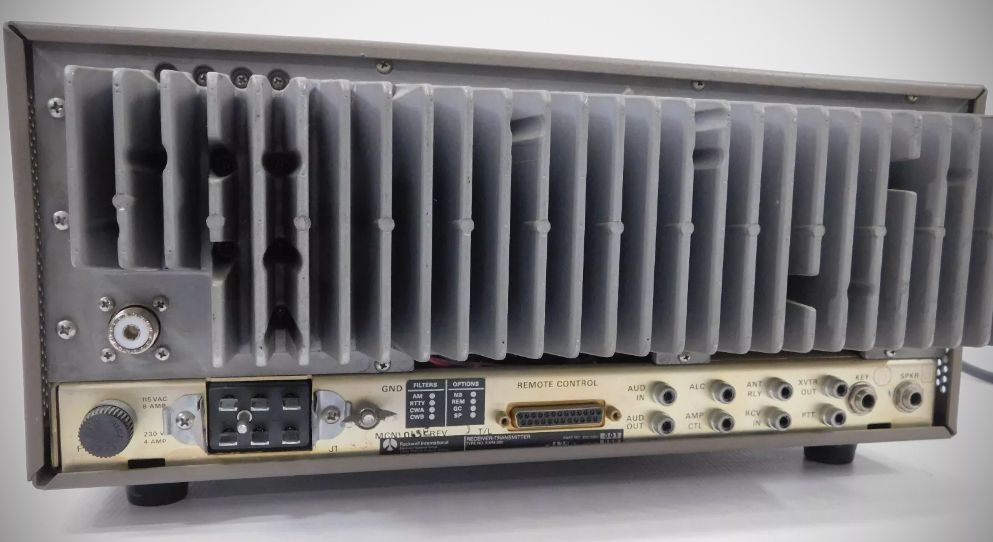
Collins took several interesting turns as they looked for a replacement for the S/Line and KWM-2. Manufacture of the KWM-2 continued more than 20 years after it was introduced. The transceiver that succeeded it was nothing like the KWM-2. In fact, the KWM-380 was unlike anything else. Collins introduced the amateur, military, and commercial markets to technology and construction that had much in common with computers. Art Collins had been gone from the company seven years when the KWM-380 was introduced, but it still represented the future as he envisioned it. The new transceiver was solid-state, synthesized, and ran on digital technology. It covered .5-30 MHz in 10Hz steps but had no band switch. The frequency range of interest was selected with the variable-rate main tuning knob. It was limited to the amateur bands on transmit. Output power was 100 watts on SSB and CW It received, but did not transmit, AM. The internal power supply could be strapped to work from 105-250 VAG or 12-15 VDC.
It worked well enough, but the magic of the S/Line was gone.