Note
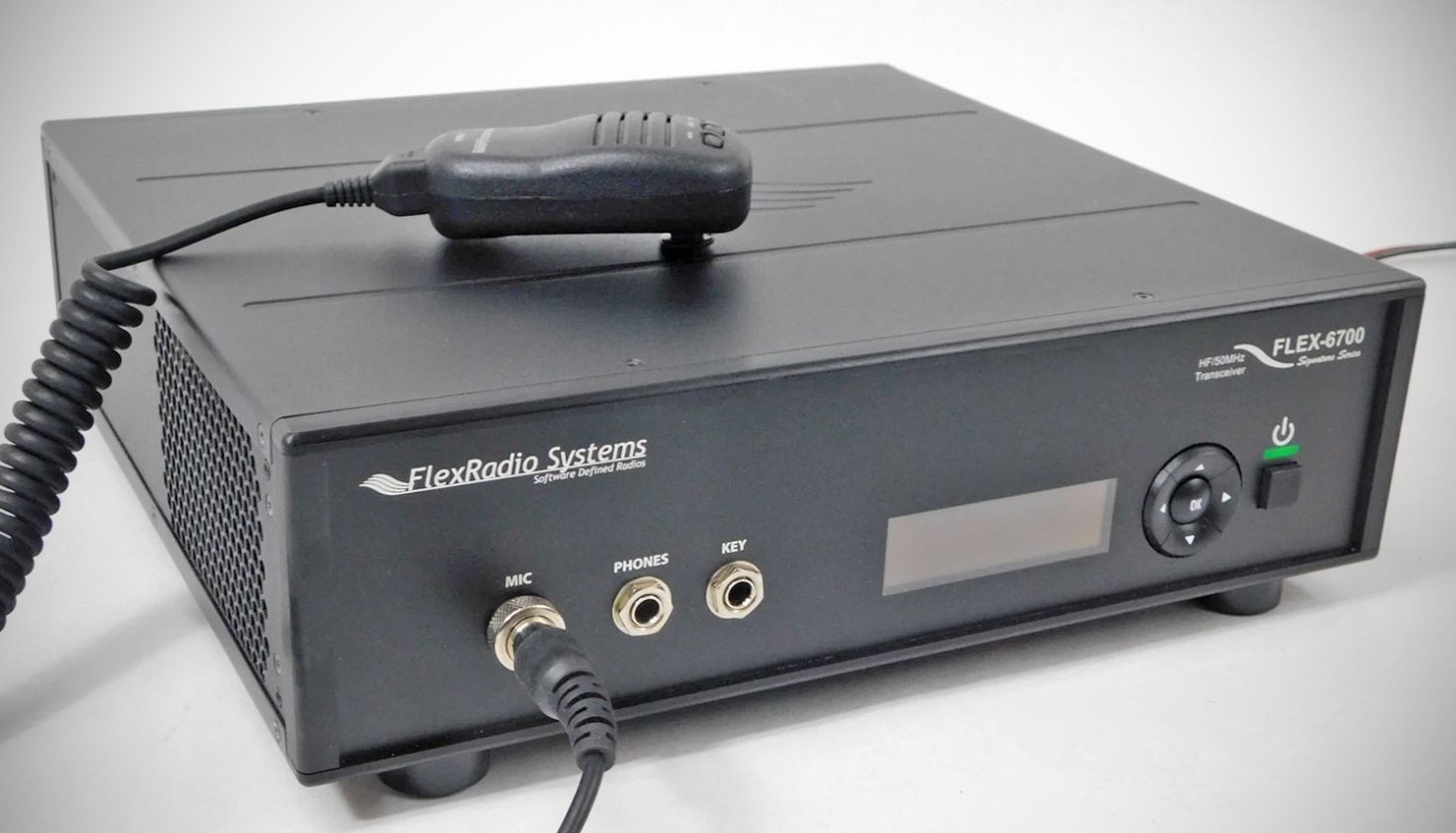
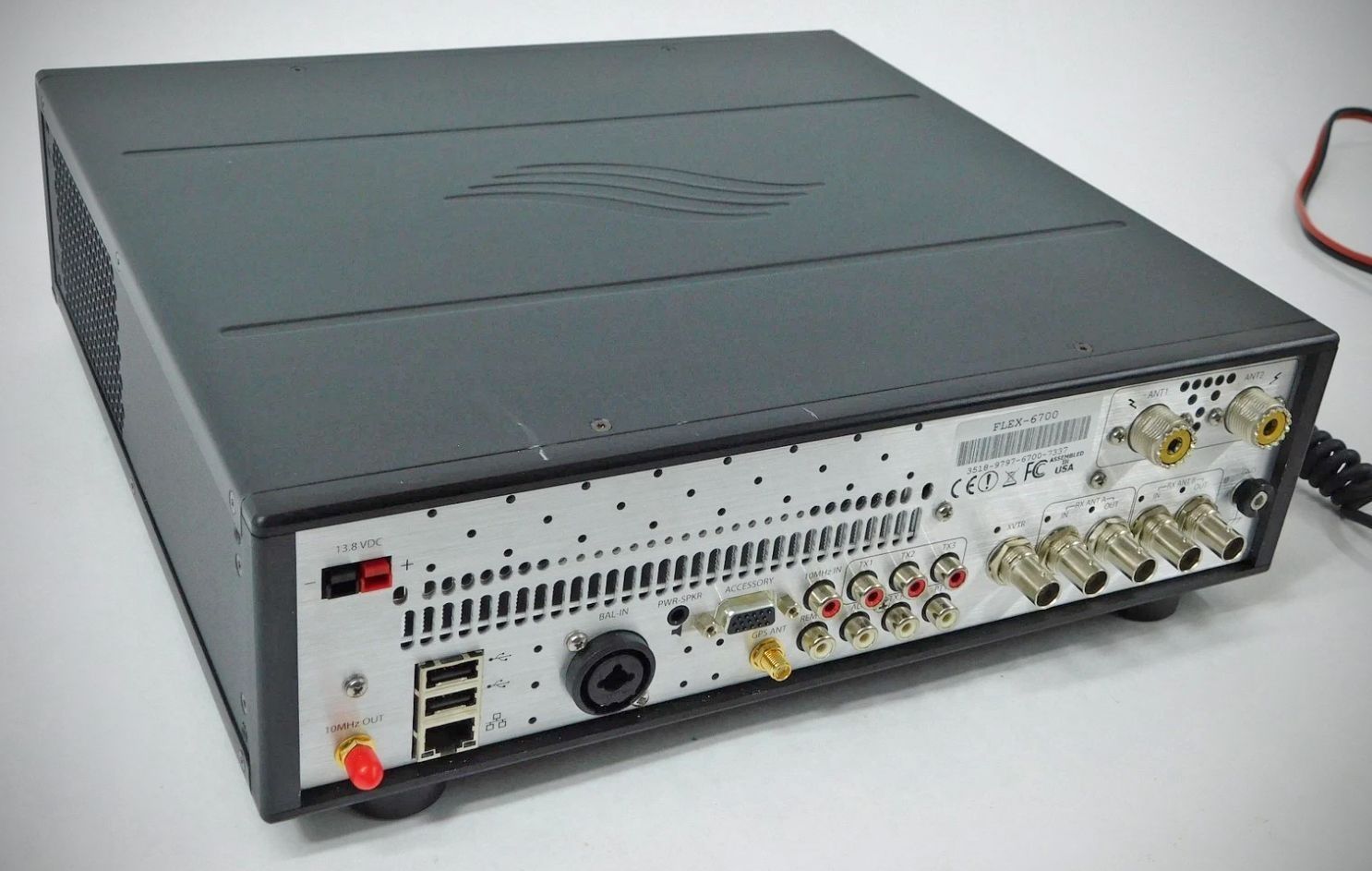
The FLEX-6700 is the high-end model of the FlexRadio Systems 6000 Signature Series. As a direct sampling software-defined transceiver, it is designed for maximum performance, versatility, and flexibility.
The transceiver is a highly integrated software-defined radio that utilizes the SmartSDR for Windows software. Unlike traditional gear, it performs analog-to-digital conversion as close to the antenna as possible to eliminate many analog components that can cause drift or noise. It features two identical major receiver channels known as Signal Capture Units (SCUs), allowing for independent antenna reception and high versatility across multiple bands.
The FLEX-6000 Signature Series scales in performance from the entry-level FLEX-6300 to the top-tier FLEX-6700, with the primary differences centered on receiver capacity, spectral visibility, and hardware integration. Here is a summary of the differences between the three models.
Receiver and Spectral Performance
The FLEX-6300 provides a foundational experience with two slice receivers and two panadapters, allowing for the monitoring of two bands simultaneously with a maximum panadapter bandwidth of 7 MHz. Stepping up to the FLEX-6500 doubles this capacity to four slice receivers and four panadapters, while also increasing the maximum panadapter bandwidth to 14 MHz. The FLEX-6700 represents the peak of the line, utilizing two independent Spectral Capture Units (SCUs) to support eight slice receivers and eight panadapters.
RF Handling and Filtering
A significant hardware distinction lies in how these radios handle busy RF environments. The FLEX-6300 lacks internal amateur band preselectors. In contrast, the FLEX-6500 includes integrated contest-grade preselectors covering 160m through 6m (excluding 60m). The **FLEX-6700** extends this protection even further, providing preselector coverage from 160m all the way through the 2m band. Additionally, the 6700 features a multi-stage pre-amp and increased spectral sensitivity through extra zoom levels.
Frequency Coverage and Accuracy
While all three models cover the standard 160m to 6m amateur bands at 100W, their wideband reception and extended frequency capabilities differ. The FLEX-6300 receives up to 54 MHz, while the FLEX-6500 and FLEX-6700 both reach 72 MHz. Only the FLEX-6700 includes native coverage for the 2m band (135–165 MHz). For frequency stability, both the 6500 and 6700 offer an optional GPSDO for ultimate accuracy, whereas the 6300 relies on its standard TCXO.
Hardware Integration and Connectivity
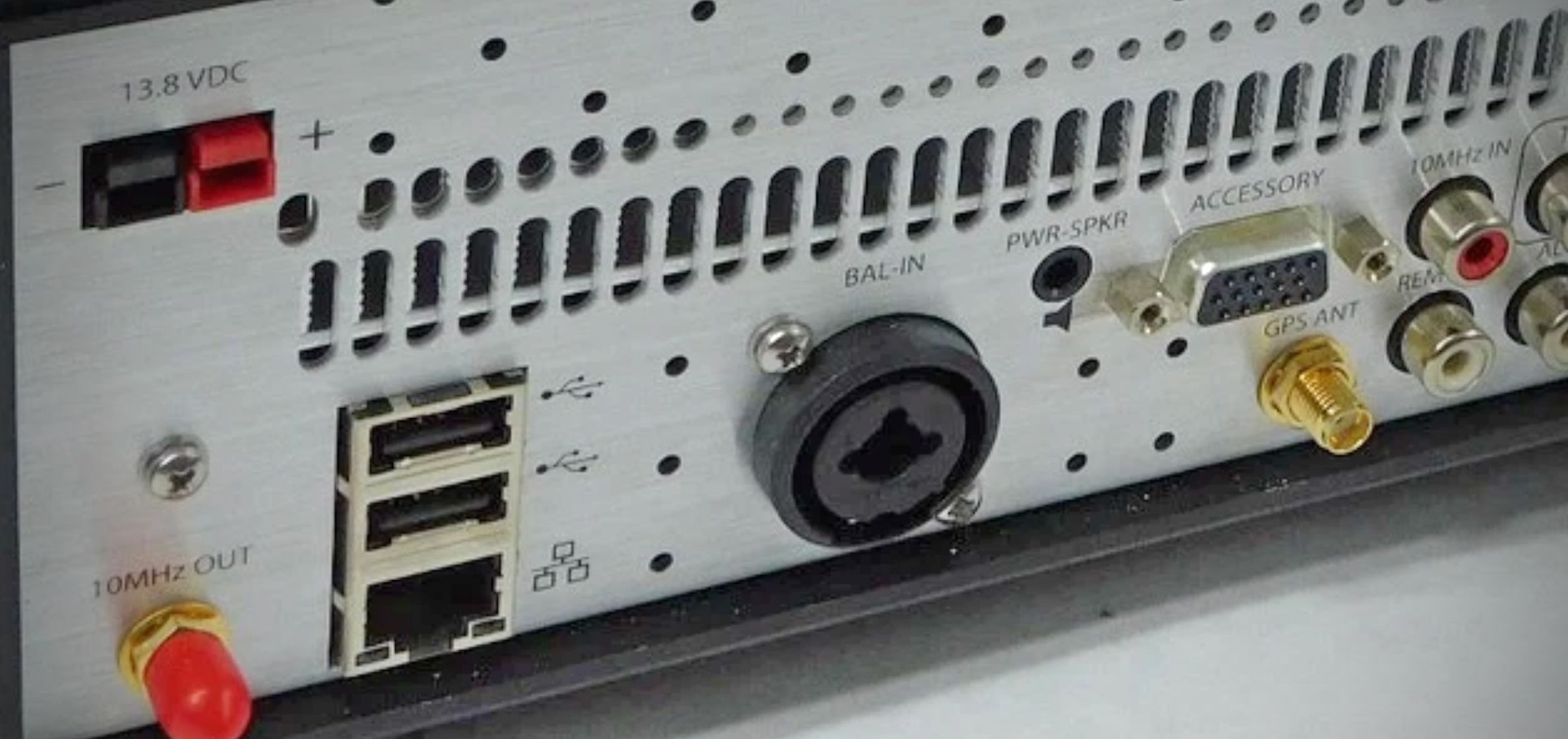
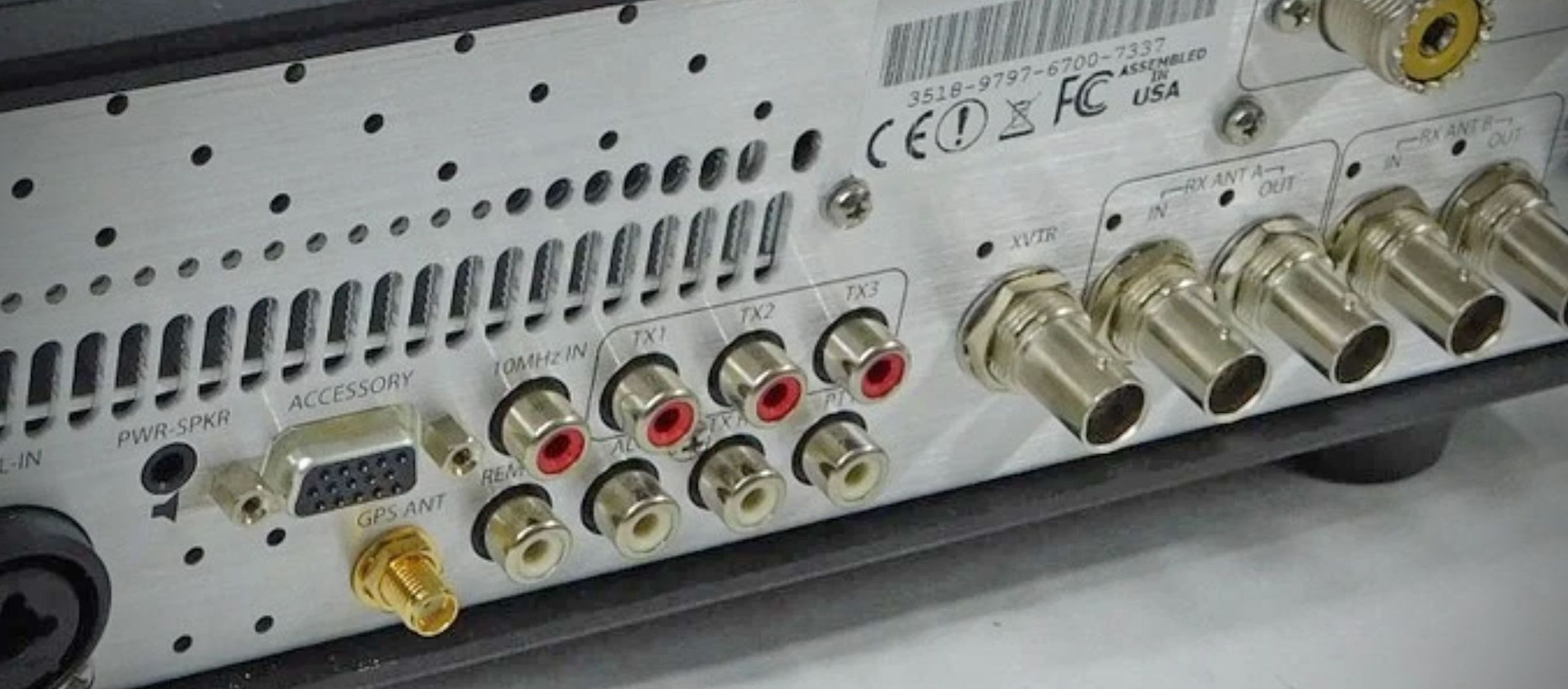
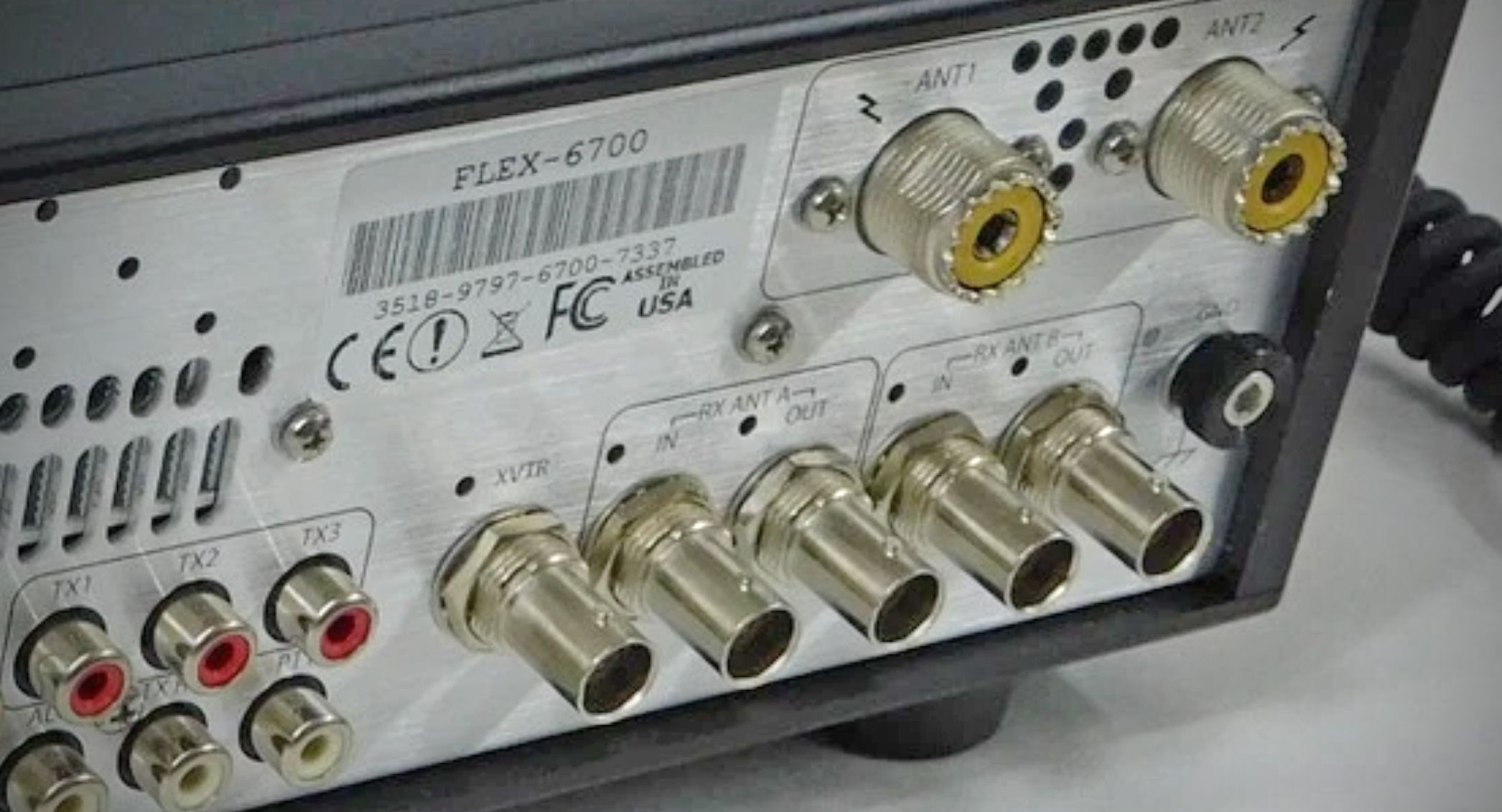
The physical build and connectivity also evolve across the family. The FLEX-6300 is the most compact unit and offers an optional antenna tuner (ATU), whereas the FLEX-6500 and FLEX-6700 are larger rack-mountable units with the ATU integrated as standard. The higher-end models also provide more robust audio options, including balanced XLR/TRS microphone connectors that are not present on the 6300.
6700 Features
– Dual Signal Capture Units (SCUs): Allows for optimum reception on two different bands with separate antennas simultaneously.
– Massive Slice Capacity: Supports up to eight independent "Slice Receivers" and eight parallel panadapter/waterfall displays.
– High-Speed Processing: Features a Xilinx Virtex-6 FPGA and an ADC that runs at 245 million samples per second (Msps).
– Broad Frequency Coverage: In addition to HF and 6 meters, it includes a 2-meter (VHF) support segment.
– Advanced Filtering: Includes switchable ham band preselector filters to prevent out-of-band interference.
– Diversity Reception: The dual SCUs enable advanced configurations like diversity reception and fast QSK.
Specifications
– Frequency Coverage: Receive: 0.03–77 MHz and 135–175 MHz; Transmit: 160–6 meter amateur bands
– Power Output** | 1–100W (CW/SSB/FSK/FM); 25W (AM)
– Modes: SSB, CW, AM, synchronous AM, RTTY, FM
–ADC Sampling Rate: 245 Msps
– Receiver Dynamic Range: 103 dB (2 kHz 3rd-order); 126 dB (2 kHz reciprocal mixing)
– Image Rejection: >100 dB
– Interface: Ethernet connection (min 100 Mb/s) to a Windows PC
– Power Requirements: Receive: 2 A (typical); Transmit: 23 A (maximum) at 13.8 V dc