Note
QST, Sep 1969, p. 145. (The first ad seen for HAL in QST)
QST, Dec 1969, p. 134. (311B)
QST, May 1970, p.124. (311BC, available wired or kit form)
QST, Feb 1971, p. 139.
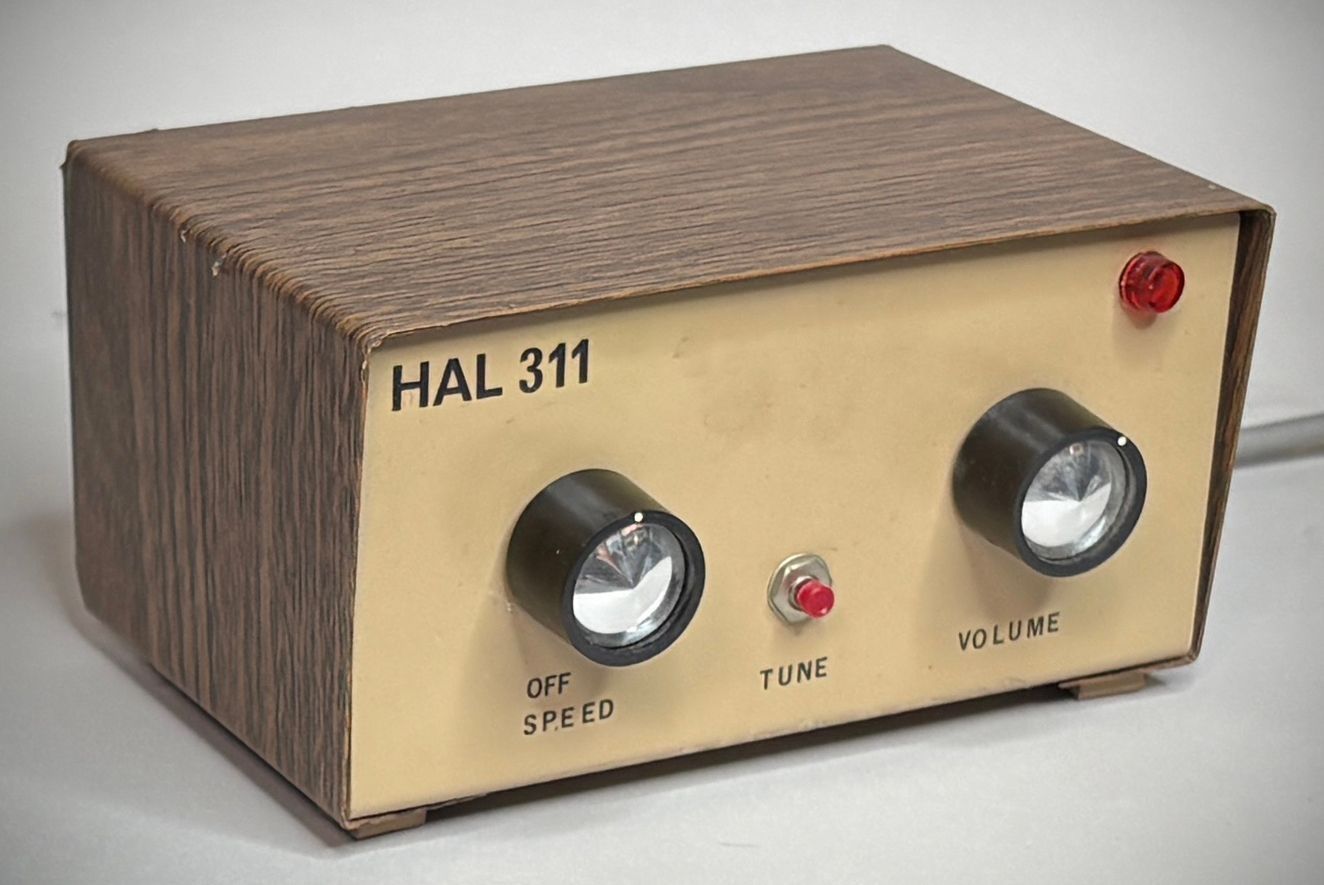
The HAL 311 Electronic Keyer is a foundational piece of solid-state amateur radio equipment released by HAL Devices (which later became HAL Communications) late in 1969.
While published reminiscences by company president Bill Henry, K9GWT, also refer to models 111 and 211, as of this writing (2026) neither of these models have been found in advertising. The only other products offered by HAL at this early date was the models 25 and 27 (see separate entries). The 311, the 25, and the 27 appear to be HAL's first products.
Before HAL transitioned into heavy-duty RTTY/ASCII video terminals like the ST-6 and DS-3000, the 311 established the company’s reputation for rugged, clean digital design.
Features
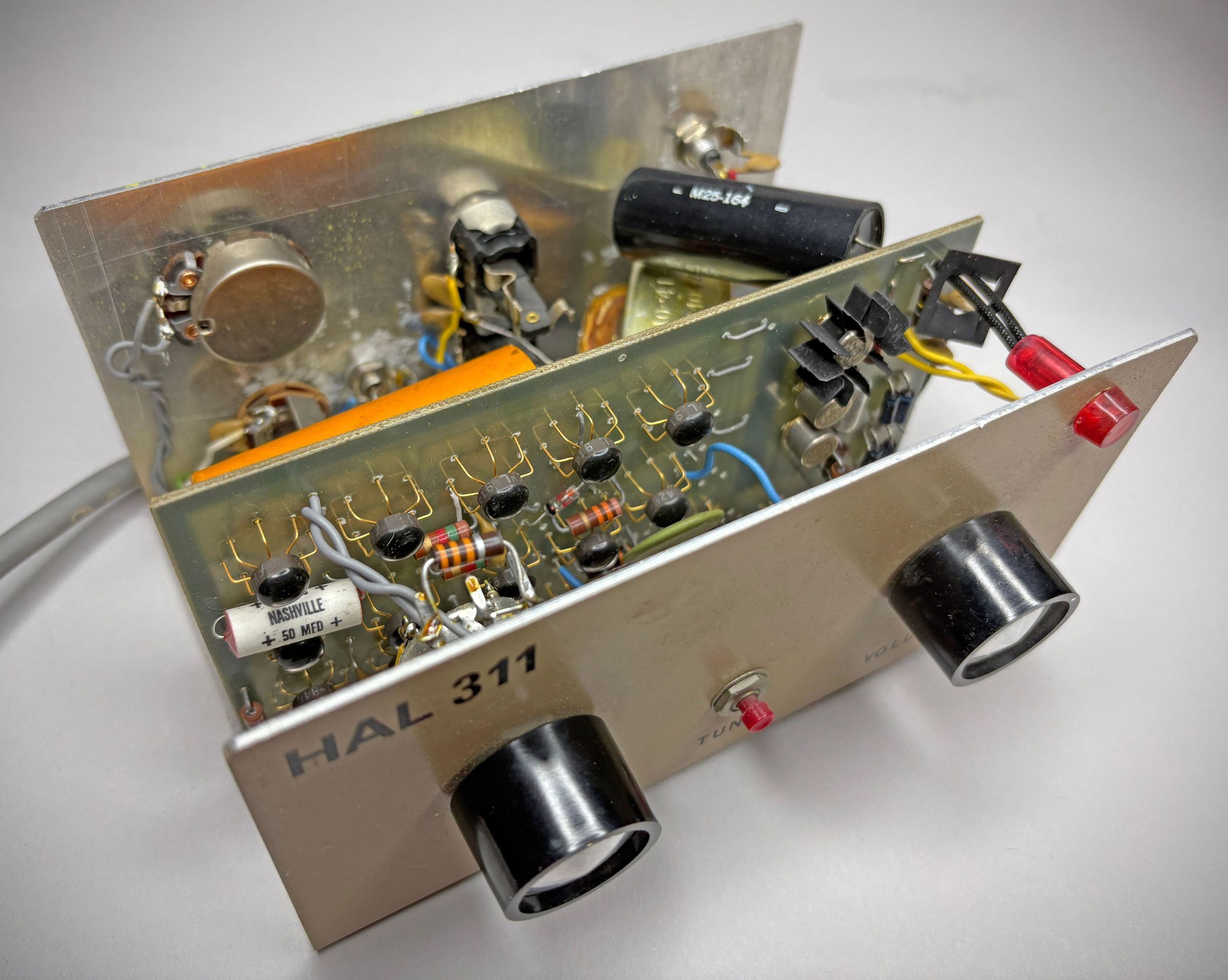
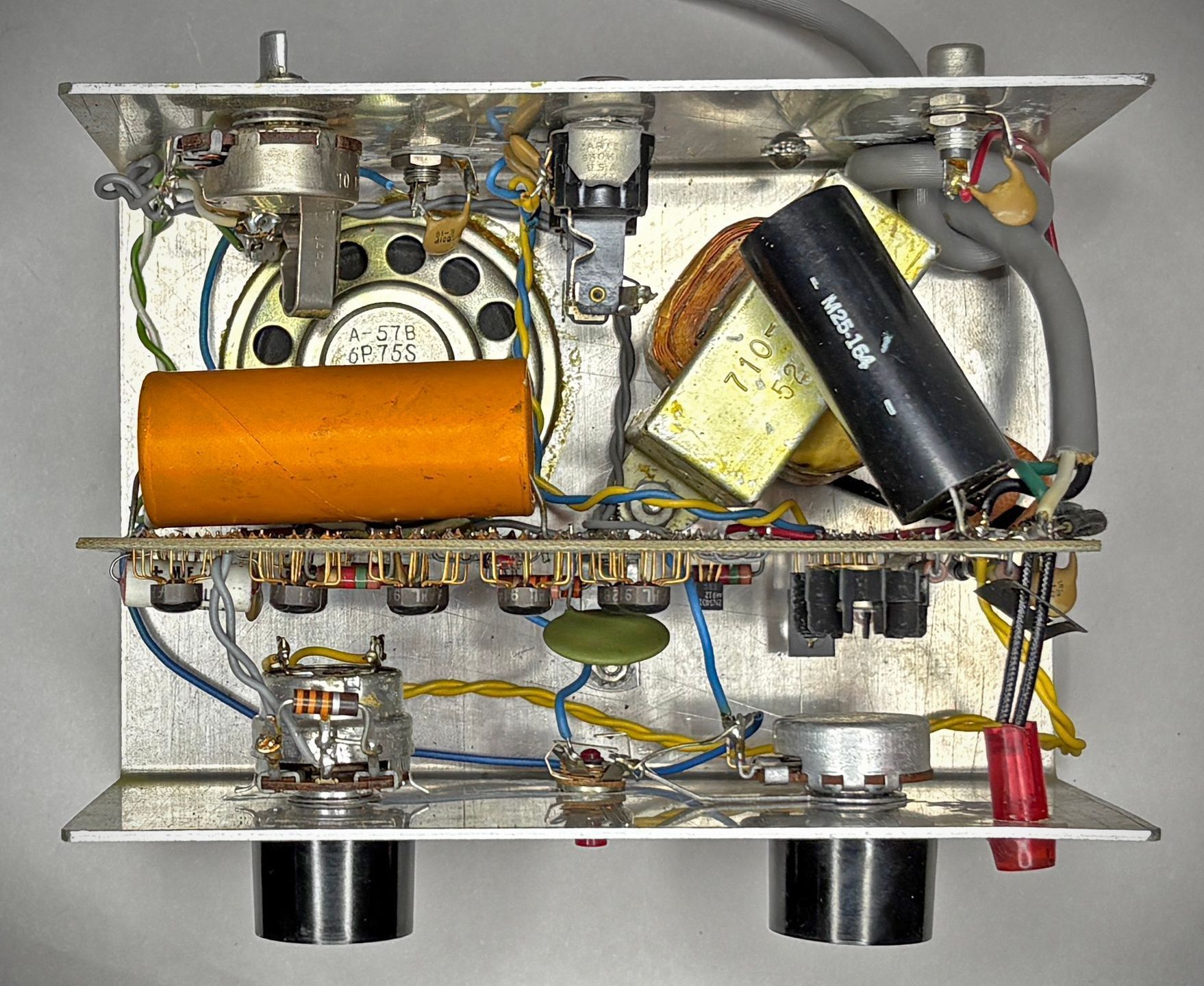
– Integrated Circuit Architecture: Uses Fairchild RTL integrated circuits.
– Keying Logic: It provided precise, self-completing dot and dash generation, eliminating character weight variations and ensuring a perfectly uniform code unit stream.
– Iambic "Squeeze" Operation: The 311 supported dual-lever iambic paddles, allowing operators to send alternate dot-dash sequences simply by squeezing the paddles—a massive ergonomic relief for high-speed traffic handling.
– Built-in Sidetone: It included an internal sidetone oscillator and speaker, allowing operators to monitor their sending off-the-air.
The unit was remarkably versatile for its era, designed to blend into evolving shacks:
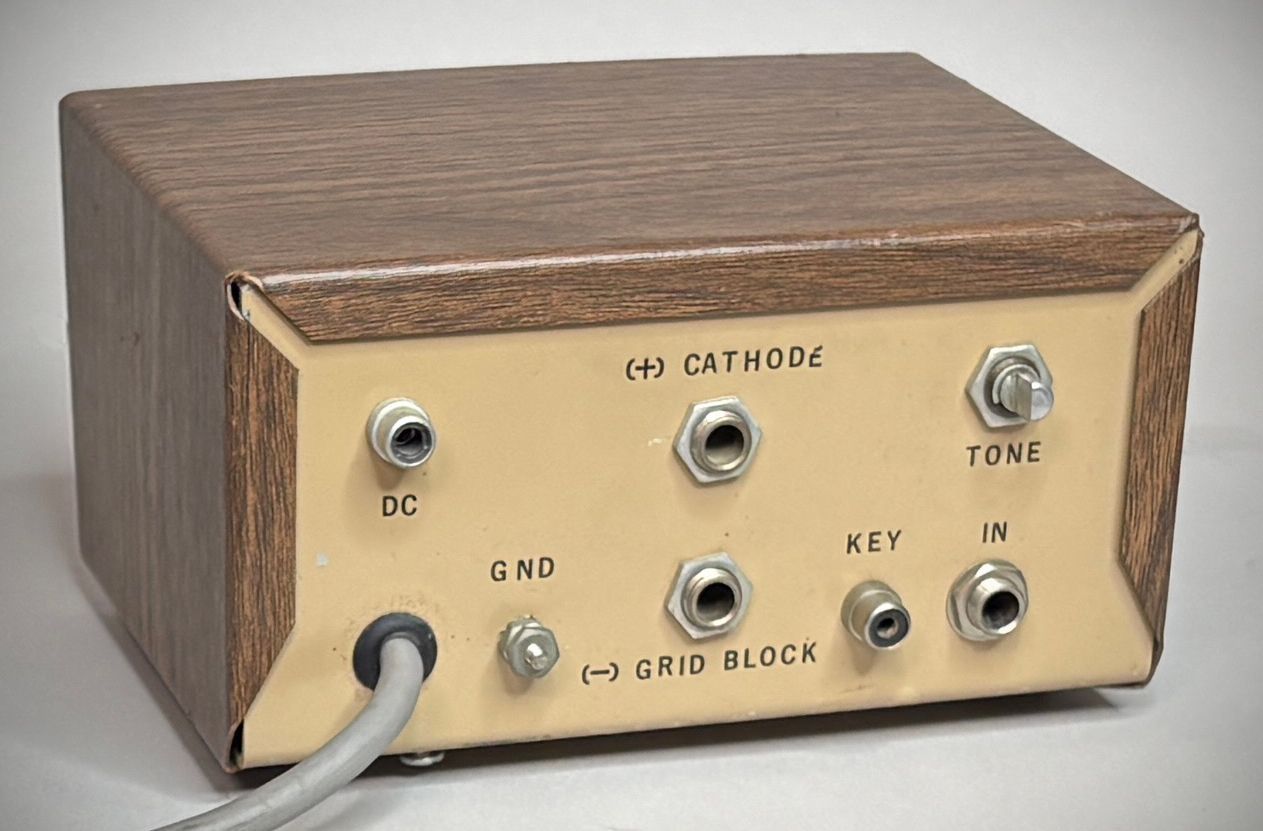
– Universal Transmitter Compatibility: It utilized a robust transistor switching circuit capable of handling both classic cathode keying and high-voltage grid-blocked keying configurations common in vintage tube transmitters.
– Power Flexibility: It featured an internally regulated power supply capable of running off standard 115/230 VAC grid power or 12 VDC for portable/emergency field use.
– Build Formats: Typical of HAL's early business model, the 311 was sold both as a complete, factory-wired unit and as a high-quality kit for self-taught builders who enjoyed soldering their own glass-epoxy circuit boards.
Model Variants
The 311 first appeared in September 1969. The "B" version ($45.50) appeared in December that same year. The difference appears to to the addition of automatic or semi-automatic operation. The "BC" version ($48.50) appeared in May 1970. Differences are not stated, but the ad mentions that the keyer is "now available in kit form..." so it is possible that is the only difference.
Though it was eventually succeeded by the microprogrammable HAL 1550 and the feature-rich HAL 2550 (which added advanced PROM-based message memories), the HAL 311 remains a highly regarded classic
accessory.