Note
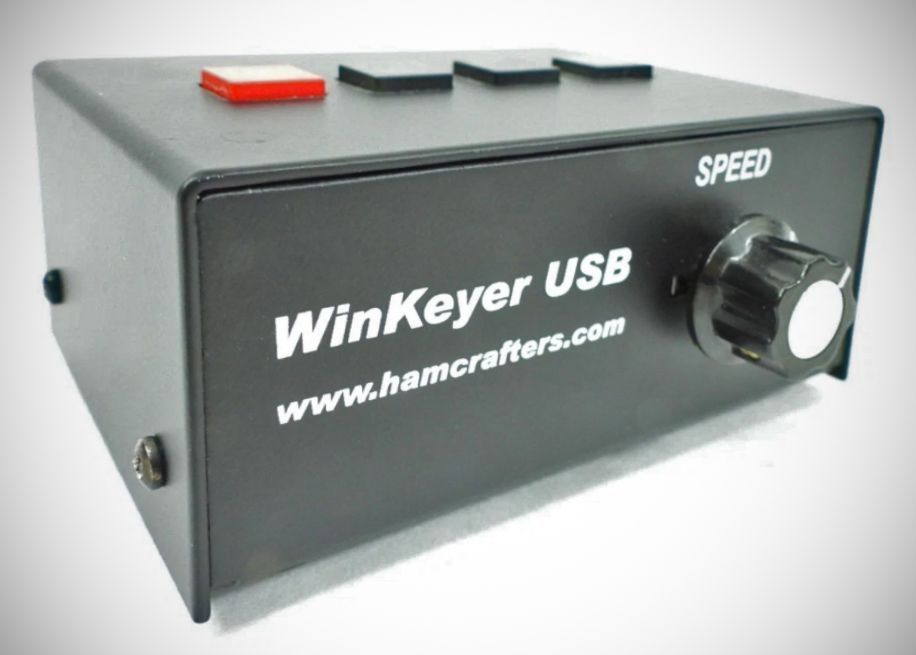
The WinKeyer USB is a high-performance electronic keyer designed to overcome timing latencies common in multi-threaded operating systems like Windows. While software-generated Morse can be inconsistently timed due to background system tasks, the WKUSB attaches to a PC's USB port and appears as a serial COM port, taking over the precise generation of Morse code letters sent by an application. It allows for full control over sending speed, weighting, spacing, and PTT generation. The device features a paddle interface for immediate break-in during contest situations and offers electrically isolated keying outputs to prevent ground loops and protect equipment.
The WinKeyer USB is highly configurable through software. It operates in two primary ways: Host Mode, where it is controlled by a PC application, and Standalone Mode, which uses internal memory and can be configured even without a computer connected.
Host Mode Software Interfaces
When connected to a PC via USB, the device appears as a serial COM port. You can use various applications to configure and control it:
– WKscan: A utility used to identify which COM port has been assigned to the WKUSB.
– WK3demo: A general-purpose test application provided by K1EL to exercise all of the device's capabilities. It features a "Setup" dialog box that allows you to modify:
– Keyer Settings: Speed (5–99 WPM), weighting, dit/dah ratio, and keying compensation.
– Hardware Config: PTT lead and tail delays, sidetone frequency, and speed pot range.
– Operational Modes: Iambic (A, B, or Ultimatic), autospacing, and SO2R (Single Op Two Radio) support.
– Third-Party Logging Software: The WKUSB is designed to work with major ham radio applications like N1MM+ Logger, HRD/DM780, N3FJP AC Log, and FLdigi. These programs have their own WinKeyer configuration tabs where you can set your preferred operating parameters directly within the logging interface.
Standalone Configuration
If you aren't using a PC, or want to save settings directly to the device's internal EEPROM, you can configure it through:
– WK3tools: A standalone utility used to write settings and 12 message slots into the device's permanent memory. This is also the tool used for firmware updates.
– Paddle Command Mode: By holding down the red command button on the device, you can enter commands directly using your CW paddles. The device will respond with "R" in sidetone to confirm it is ready for a Morse code command letter.
Internal Logic and Memory
– Settings Persistence: In Host Mode, settings are typically stored on the PC and loaded when you connect. In Standalone Mode, they reside in the device's EEPROM.
– Automatic Reversion: If you disconnect from a host application, the WKUSB automatically reverts to the standalone settings stored in its internal memory.
Features
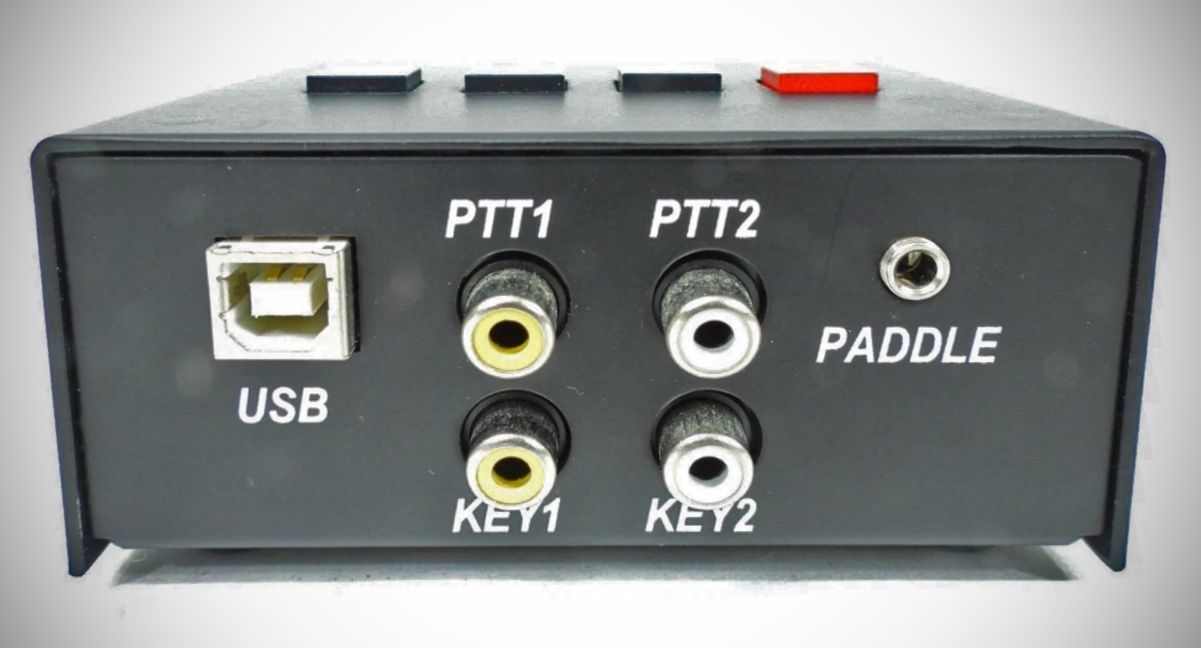
– Interfaces: Includes a USB 2.0 interface (Mini type B connector) and an iambic CW paddle interface.
– Operation Modes: Supports iambic A, B, Ultimatic, and "Bug" paddle modes, as well as standalone keyer and practice modes.
– Dual Outputs: Features two separate keying and PTT outputs, allowing the control of two different radios from a single keyer.
– Advanced Sending: Supports HSCW (High Speed CW), QRSS (Very Slow CW), and RTTY FSK transmit (with WK3.1).
– Customization: Offers adjustable speed (5–99 WPM), weighting, dit/dah ratio, keying compensation, and letter spacing.
– Memory & Automation: Includes 12 stackable memory slots and automatic beacon capability.
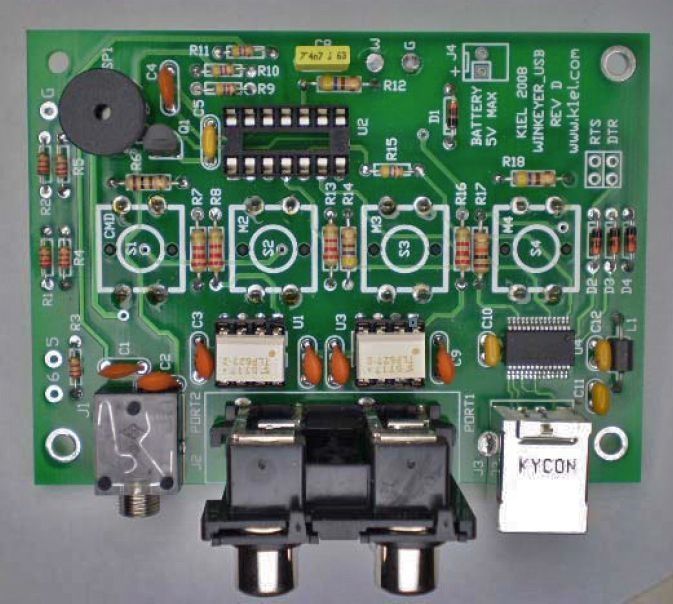
– Hardware: Encased in a metal enclosure with RFI filtering and utilizes a PIC CPU with an FTDI USB interface.
Specifications
– Speed Range: Adjustable from 5 to 99 WPM.
– Output Ratings: Solid-state relay outputs rated at +/- 350V @ 120 mA.
– Isolation: Provides 5000-volt isolation from internal WKUSB electronics.
– Buffer Size: Features a 160-byte FIFO (First In, First Out) buffer for Morse data.
– Baud Rate: Standard 1200 baud, with an alternate 9600 baud rate selectable by command.
– Compliance: Meets FCC Part 15 and CE emissions requirements.
– Connectivity: Uses standard RCA jacks for keying/PTT and a 1/8-inch stereo jack for paddle input.
Power: Runs off USB power or three internal AAA batteries.
Standby Power: Draws approximately 10 uA when in a locked low-power shutdown mode.