Note
QST, Oct 1975, p. 121. (Appears to be the first 2 meter all-mode)
QST, Jan 1976, p. 127. (referred to as TS-700 -- no "A," but probably is the A)
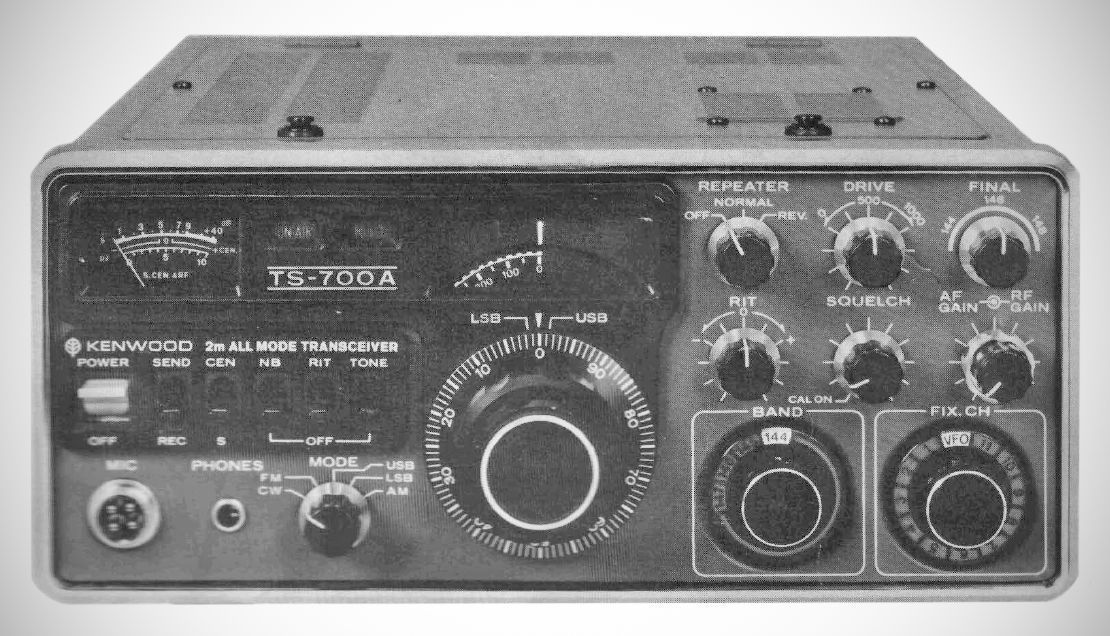
QST, Feb 1976, p. 6. ("A") (good photo)
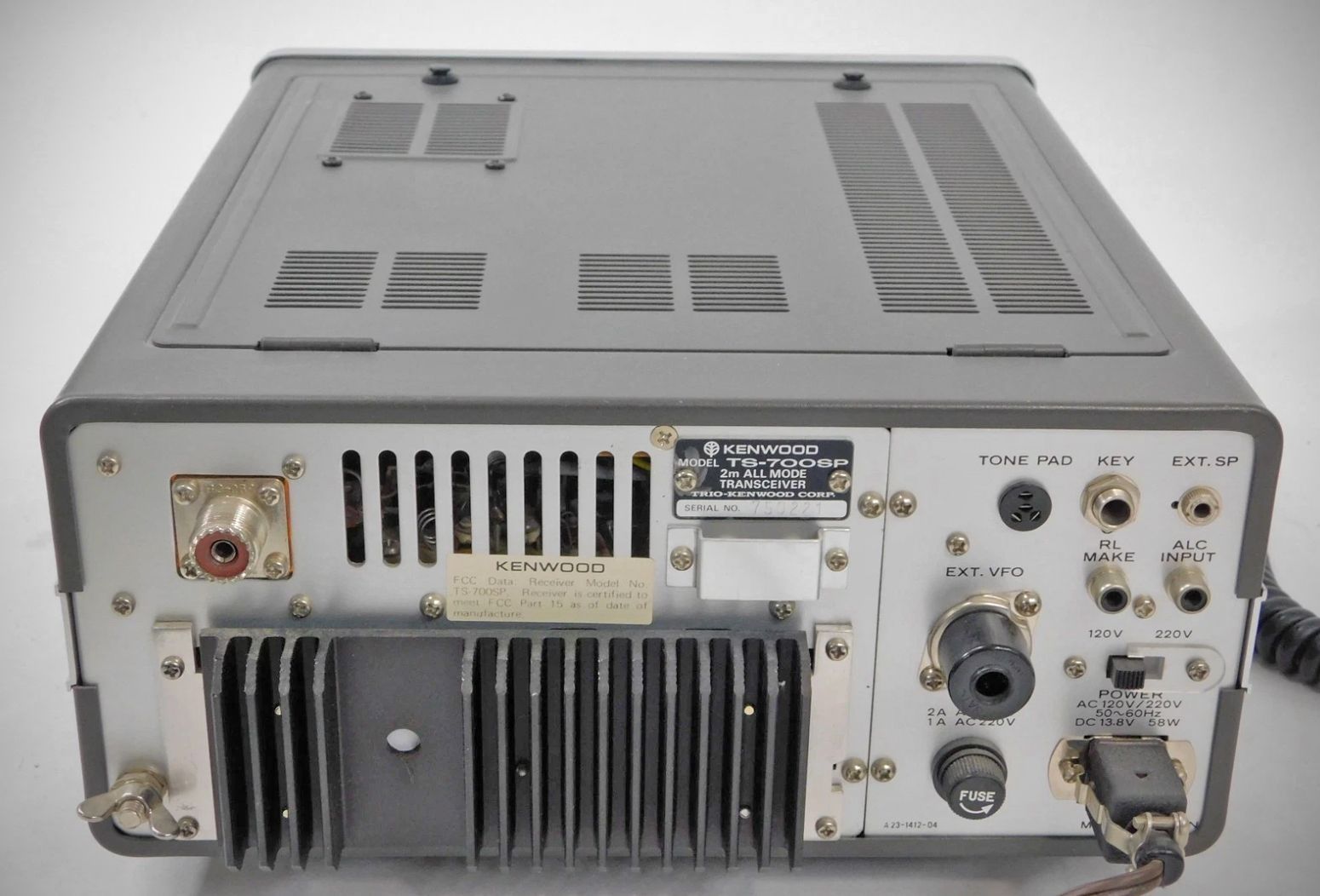
TS-700S
QST, Sep 1977, p. 6.
Adds digital display.
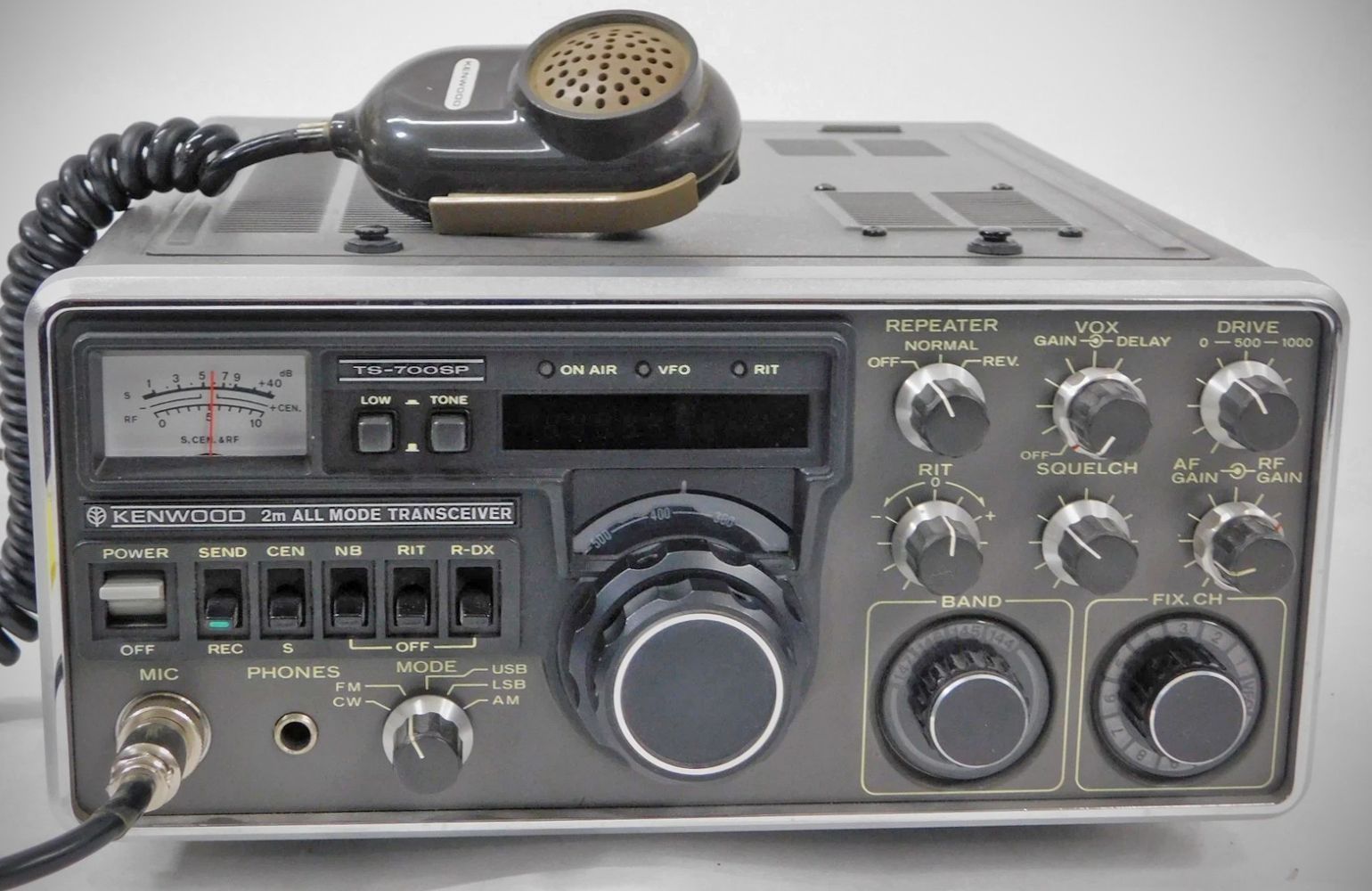
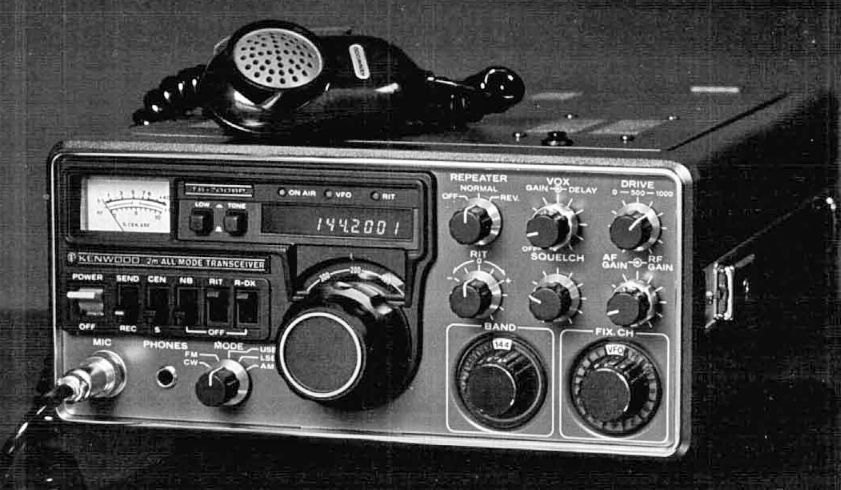
TS-700SP
QST, May 1978, back cover.
Provides for use of a plug-in crystal to use new repeater sub-band.
QST, Jan 1980, p. 203.
The Kenwood TS-700 series represents a milestone in amateur radio history. It was among the first series of fully solid-state, all-mode VHF transceivers designed for the 2-meter band, bridging the gap between traditional tube-based gear and the modern digital era.
The TS-700 was one of the premier all-mode 2-meter rigs available during the late 70s before being eventually superseded by the newer generation of synthesized multi-mode transceivers like the TR-9000 and the TS-711 series in the early 1980s.
Model Variations
TS-700A: The North American version (released in 1975). Frequency coverage from 144–148 MHz and included a dedicated repeater switch for ±600 kHz offsets.
TS-700S / TS-700SP: The "S" model (1977) was a significant upgrade that included a digital frequency display (using blue-green vacuum fluorescent tubes), and the addition of a receiver pre-amp, VOX, a one-watt low power switch, semi-break in and a CW sidetone. The "SP" version (1978) provides for use of a plug-in crystal to use a new repeater sub-band.
Features
– All-Mode Operation: Supports SSB (USB, LSB), FM, AM, and CW.
– Digital Frequency Counter: Features a seven-digit blue fluorescent display providing direct frequency readout precise to 100 Hz.
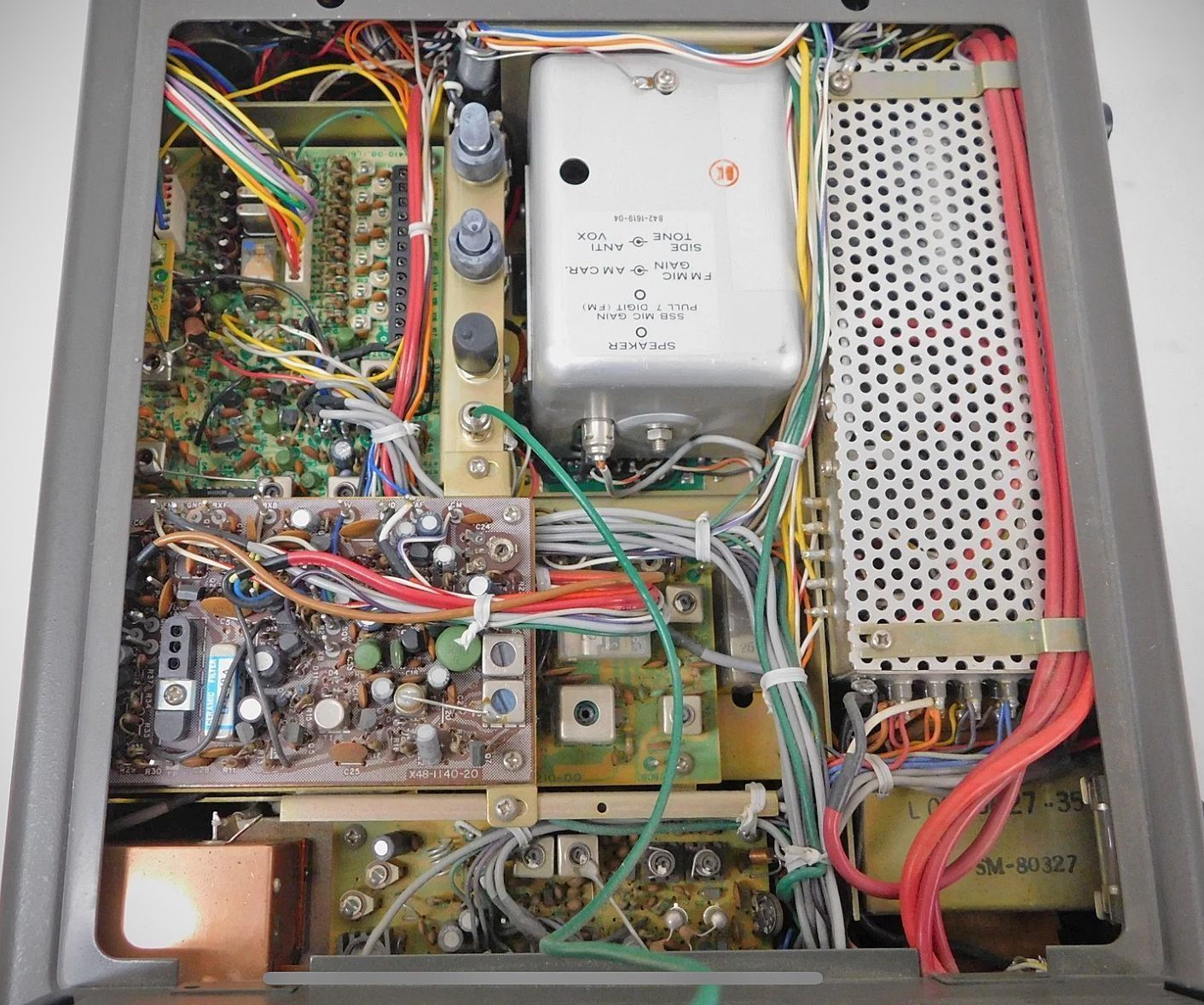
– Versatile Power Supply: Includes self-contained AC and DC power supplies, making it suitable for both fixed-station and mobile use.
– Advanced Tuning: Equipped with a dual vernier tuning control, offering both rapid tuning (100 kHz per turn) and fine bandspread tuning (25 kHz per turn).
– Repeater Capability: Supports repeater operation in the 145, 146, and 147 MHz bands with a ±600 kHz offset that can be inverted via control.
– Fixed Channel Support: Includes 11 crystal positions for a total of 44 fixed channels across four bands.
– Noise and Interference Rejection: Incorporates a noise blanker (NB) to eliminate pulse/ignition noise and uses Helical Resonators in the RF stage for excellent selectivity.
– Enhanced Receiver Performance: Features a switchable receiver pre-amp (R-DX), a threshold-type RF gain control, and an amplified AGC that automatically adjusts its time constant based on the mode.
– Additional Transmit Features: Includes a built-in VOX, semi-break-in CW operation with side tone, and an amplified ALC to reduce signal distortion.
Specifications
– Frequency Range: 144.0 to 148.0 MHz.
– Mode: SSB (USB, LSB), CW, AM, FM.
– Antenna Impedance: 50 Ohms.
– Frequency Stability: Within ±3 kHz during one hour after one minute – Warm-up, and within 150 Hz during any 30 minute period thereafter.
– Semiconductors: Transistors: 108, FETs: 19, ICs: 20, Diodes: 171.
– RF Power Output:
SSB, FM, CW: 10 Watts.
AM: 3 Watts.
FM Low: Approx. 1 Watt.
– Modulation:
SSB: Balanced modulation.
FM: Variable reactance frequency shift.
AM: Low power modulation.
– Maximum Frequency Deviation (FM): ±5 kHz.
– Carrier Suppression: Better than 40 dB.
– Sideband Suppression: Better than 40 dB.
– Spurious Radiation: Better than 60 dB.
– Microphone Impedance: Low impedance (500 Ohms).
– AF Response: 400 to 2,600 Hz.
– Repeater Offset: 600 kHz.
– Tone Burst Duration: 0.5 to 1.0 Sec.
– Sensitivity:
SSB and CW: 0.25 µV for 10 dB (S+N)/N.
AM: 1.0 µV for 10 dB (S+N)/N.
FM: 0.4 µV for 20 dB noise quieting; 1.0 µV for 30 dB (S+N)/N.
– Selectivity:
SSB, CW and AM: 2.4 kHz/-6 dB, 4.8 kHz/-60 dB.
FM: 12 kHz/-6 dB, 24 kHz/-60 dB.
– Intermediate Frequency: * SSB, CW and AM: 10.7 MHz.
FM: 1st 10.7 MHz, 2nd 455 kHz.
– Image Rejection: Better than 70 dB.
– IF Rejection: Better than 70 dB.
– Squelch Sensitivity: 0.25 µV.
– AF Output Power: 2 Watts/8 Ohm at less than 10% distortion.
– AF Output Impedance: 8 Ohms.
Voltage Requirements: 120/220V AC, 50/60 Hz; 12.0 to 16.0V DC (13.8V DC nominal).
Power Consumption:
Transmit: 98 Watts (120/220V AC), 4.0A (13.8V DC).
Receive (no signal): 48 Watts (120/220V AC), 1.2A (13.8V DC).