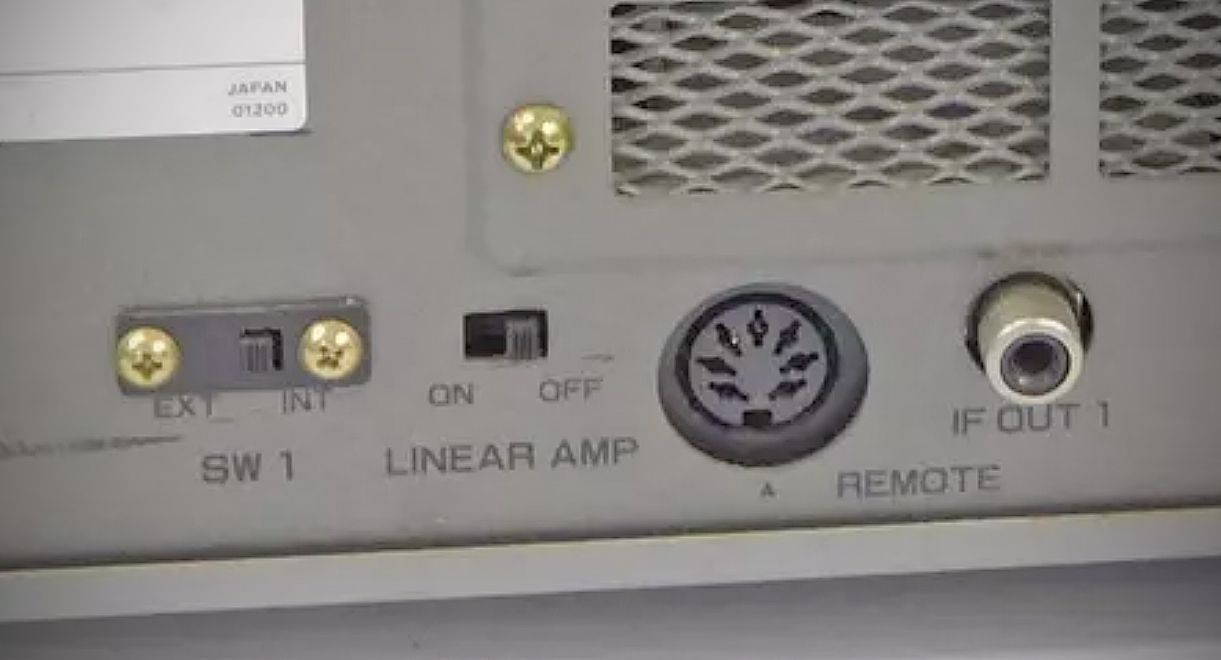
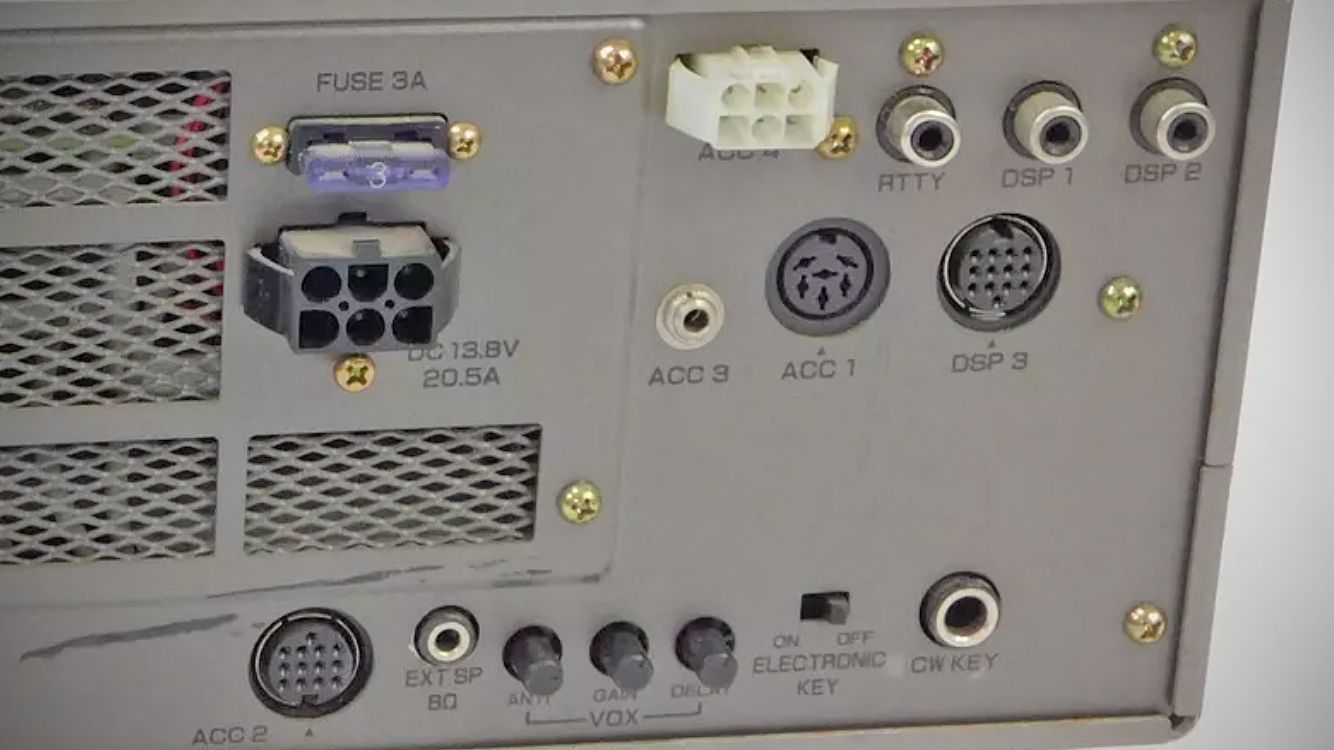
Note
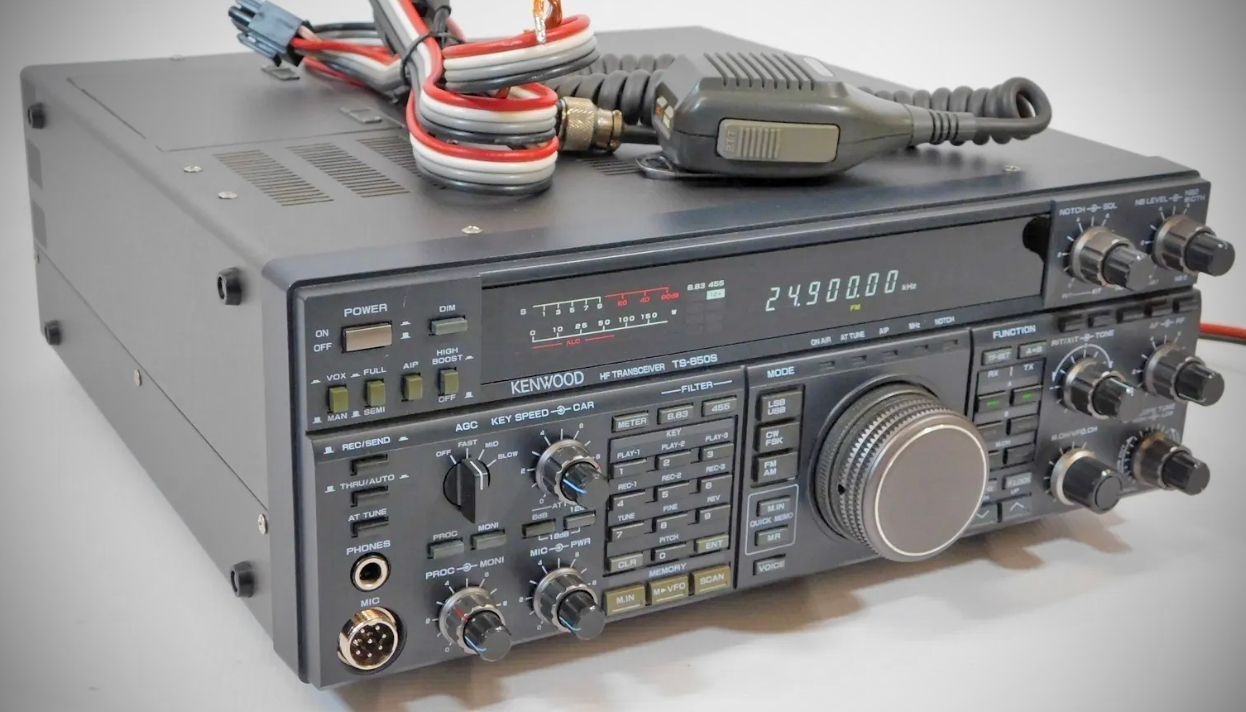
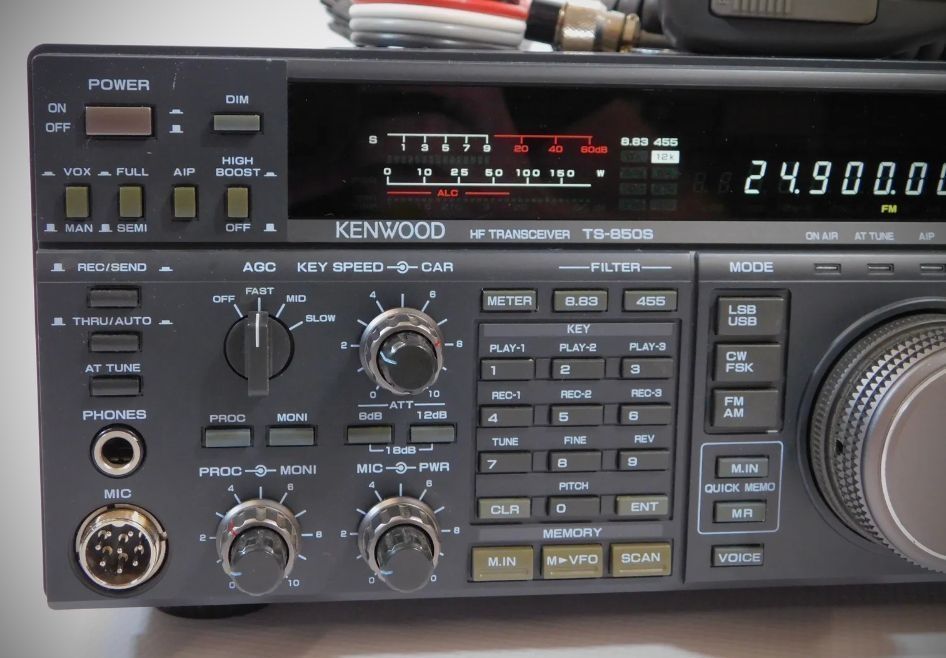
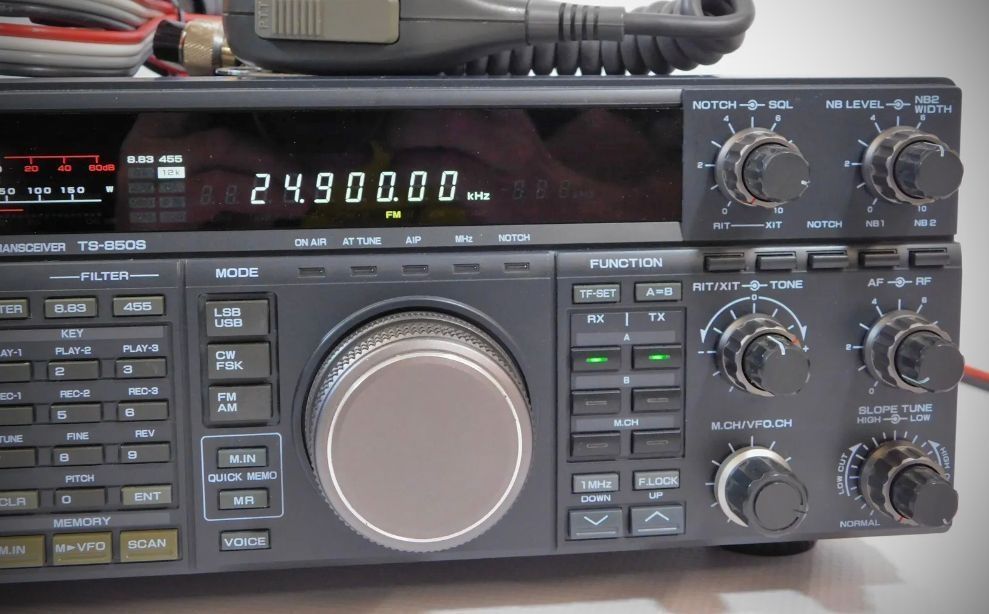
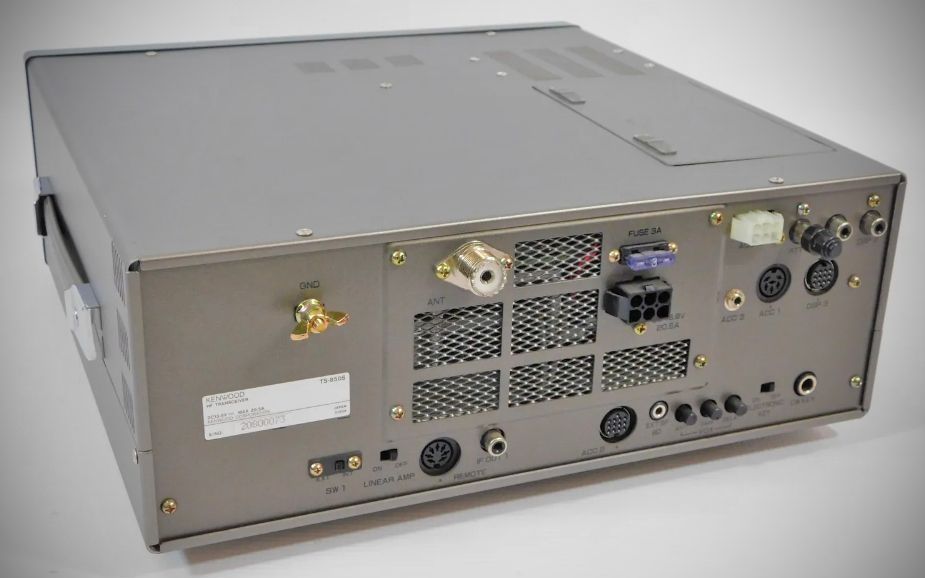
Released in 1990, the Kenwood TS-850 series is a high-performance HF transceiver that remains a favorite among amateur radio operators for its receiver performance and exceptional transmit audio. It was positioned in Kenwood's lineup as a "competition-class" rig, sitting just below the flagship TS-950SDX.
The series primarily consists of two versions, though they share the same internal architecture:
– TS-850S: The standard base model.
– TS-850SAT: The "S" model with the AT-850 internal automatic antenna tuner factory-installed.
The TS-850 is a triple-conversion superheterodyne transceiver covering all amateur bands from 160m to 10m (including WARC bands) with general coverage reception from 100 kHz to 30 MHz.
Features
– AIP (Advanced Intercept Point): A front-end system that allows the operator to switch out the first RF amplifier to significantly increase the intercept point and reduce intermodulation distortion.
– IF Slope Tuning: Allows independent adjustment of the high and low-frequency cuts of the IF passband, effectively acting as a variable bandwidth filter to "slice" away interference.
– DSP Compatibility: While it doesn't have internal IF-DSP, it is designed to work with the external DSP-100 unit, which provides digital modulation and demodulation.
– CW Features: Full and semi break-in (QSK) with a built-in electronic keyer.
Known Maintenance Issues
– Leaking Capacitors: The most common issue is leaking surface-mount electrolytic capacitors on the Carrier and Display boards. If not replaced, the electrolyte can corrode PCB traces.
– DDS Chips: Early production units used YM3812 and YM6631 chips that are prone to failure and have become difficult to source.
– Memory Battery: The lithium battery for memory retention typically requires replacement every 10–15 years.
Specifications
– Operating Modes: CW, AM, FM. LSB, USB, FSK.
– Memory Channels: 100 channels.
– Antenna Impedance: 50 ohms (20 to 150 ohms when using the AT-850 antenna tuner).
– Operating Temperature: -10°C to +50°C (+14°F to +122°F).
– Frequency Stability and Accuracy: Less than ±10 PPM.
– Frequency Range: 160m, 80m, 40m, 30m, 20m, 17m, 15m, 12m, and 10m amateur bands.
– Output Power:
SSB, CW, FSK, FM: Max 100W, Min 20W.
AM: Max 40W, Min 10W.
– Modulation Type:
SSB: Balanced modulation.
FM: Reactance modulation.
AM: Low-level modulation.
– Spurious Radiation: Less than -60 dB.
– Carrier Suppression: More than 40 dB (with 1.5 kHz reference).
– Unwanted Sideband Suppression: More than 40 dB (with 1.5 kHz reference).
– Maximum Frequency Deviation (FM): Less than ±5 kHz.
– Frequency Response: 400 to 2600 Hz (-6 dB).
– XIT Variable Range:
10 Hz step: More than ±1.2 kHz.=
20 Hz step: More than ±2.4 kHz.
– Microphone Impedance: 600 ohms.
– Receiver Circuitry: Triple conversion superheterodyne.
– Frequency Range: 100 kHz to 30 MHz.
– Intermediate Frequencies: 1st: 73.05 MHz, 2nd: 8.83 MHz, 3rd: 455 kHz.
– Sensitivity (at 10 dB S+N/N):
SSB, CW, FSK: Less than 0.2 µV (1.62 MHz to 24.5 MHz); less than 0.13 µV (24.5 MHz to 30 MHz).
AM: Less than 2 µV (1.62 MHz to 24.5 MHz); less than 1.3 µV (24.5 MHz to 30 MHz).
FM (at 12 dB SINAD): Less than 0.25 µV (28 MHz to 30 MHz).
– Selectivity:
SSB, CW, FSK: -6 dB at 2.4 kHz, -60 dB at 3.8 kHz.
AM: -6 dB at 6 kHz, -60 dB at 15 kHz.
FM: -6 dB at 12 kHz, -60 dB at 24 kHz.
– Image Ratio: More than 80 dB.
– 1st IF Rejection: More than 80 dB.
– Notch Filter Attenuation: More than 40 dB.
– RIT Variable Range:
10 Hz step: More than ±1.2 kHz.
20 Hz step: More than ±2.4 kHz.
– Squelch Sensitivity:
SSB, CW, FSK, AM: Less than 2 µV (1.62 MHz to 30 MHz).
FM: Less than 0.25 µV (28 MHz to 30 MHz).
– Audio Output: 1.5W across 8 ohms load (10% distortion).
– Output Load Impedance: 8 ohms.
Power Requirement: 12 to 16 VDC (13.8 VDC reference).
Current Drain:
Receive Mode (no signal): 2A.
Transmit Mode: 20.5A.
Accessories
– Power Supply: PS-52 DC power supply
– External Speaker: SP-31
– Headphones: HS-5 or HS-6 low-impedance headphones
– Microphones: MC-43S (handheld), and the MC-60A, MC-80, and MC-85 table-top models
Internal Units:
VS-2 Voice Synthesizer
DRU-2 Digital Recording Unit
SO-2 TCXO Unit (Temperature Compensated Crystal Oscillator)
AT-850 Automatic Antenna Tuner Unit