Note
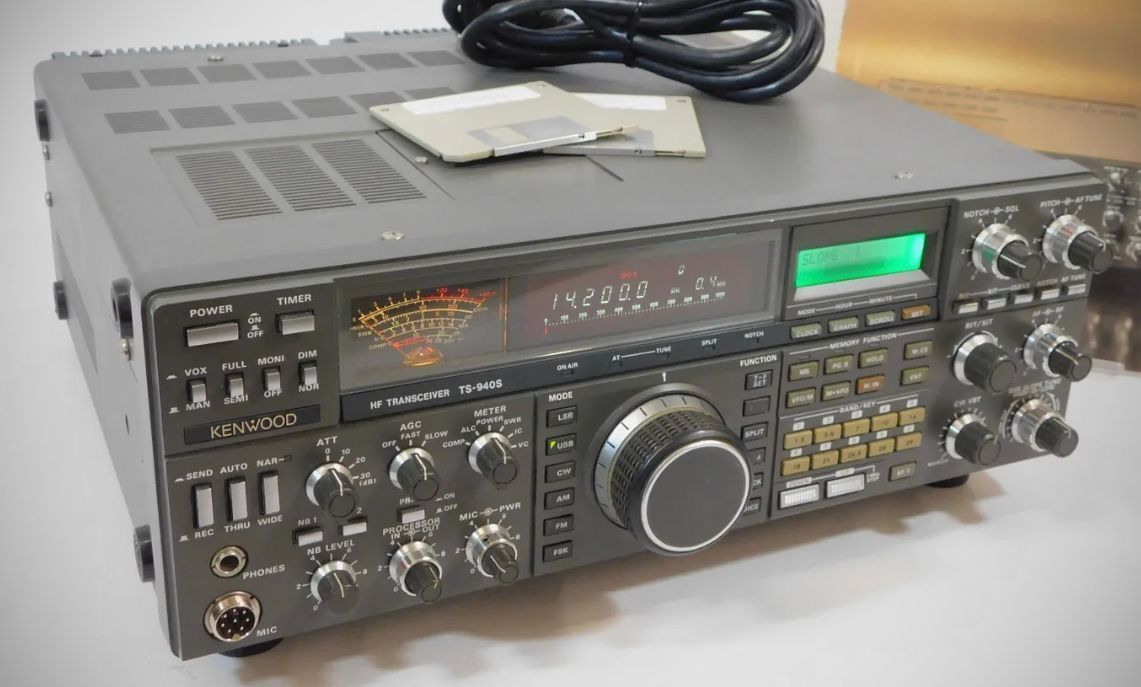
The Kenwood TS-940S is widely regarded as one of the premier HF transceivers of the 1980s. Released as Kenwood's flagship model, it was designed to offer top-tier performance for DXing and contesting, characterized by its robust build and high-quality receiver.
It was eventually repalced by the TS-950 series.
Core Features
– Frequency Range: General coverage receiver from 150 kHz to 30 MHz. It transmits on all amateur bands from 160 meters through 10 meters.
– Modes: SSB, CW, AM, FM, and FSK.
– Power Output: Approximately 100 Watts (adjustable down to 10W) with a heavy-duty internal power supply designed for high duty cycles.
– Receiver Architecture: A triple-conversion superheterodyne system known for its excellent dynamic range and ability to handle strong, nearby signals.
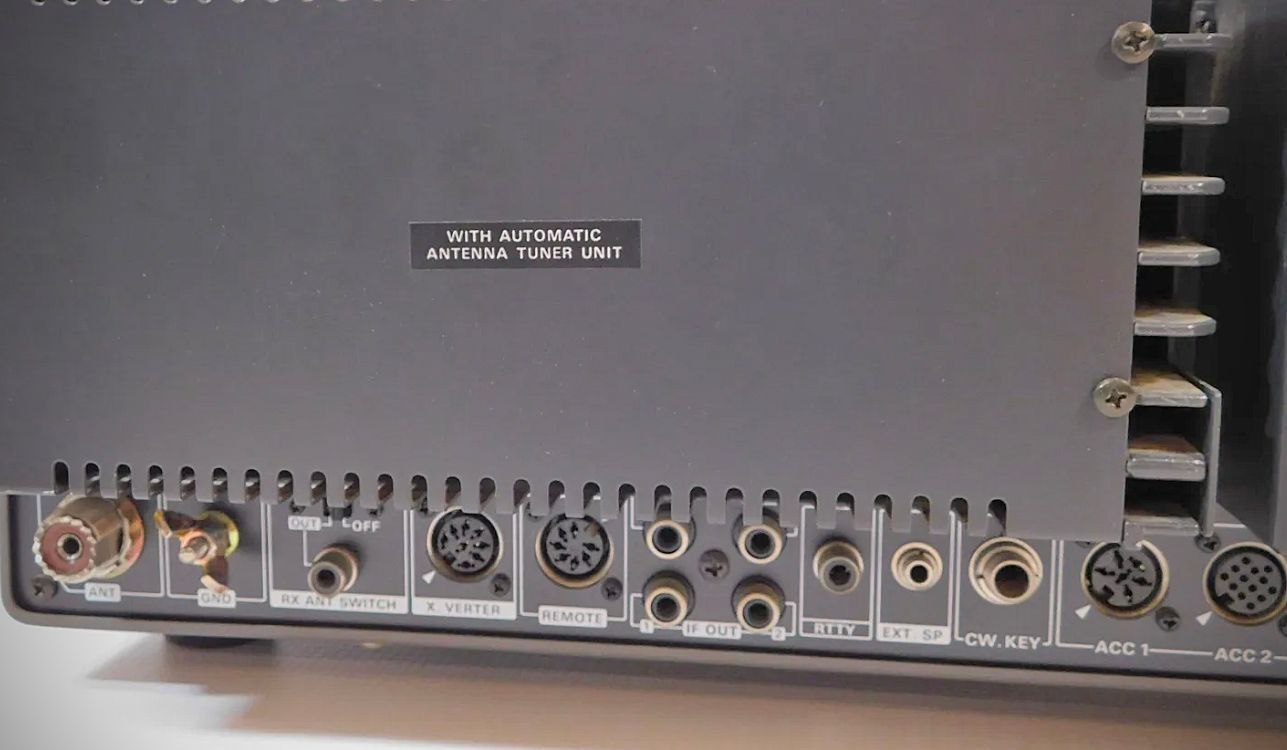
– Built-in Automatic Antenna Tuner: The "SAT” model includes the internal AT-450 tuner, which can rapidly match loads up to a 3:1 SWR.
– Dual VFOs: Allows for split-frequency operation, essential for working DX stations.
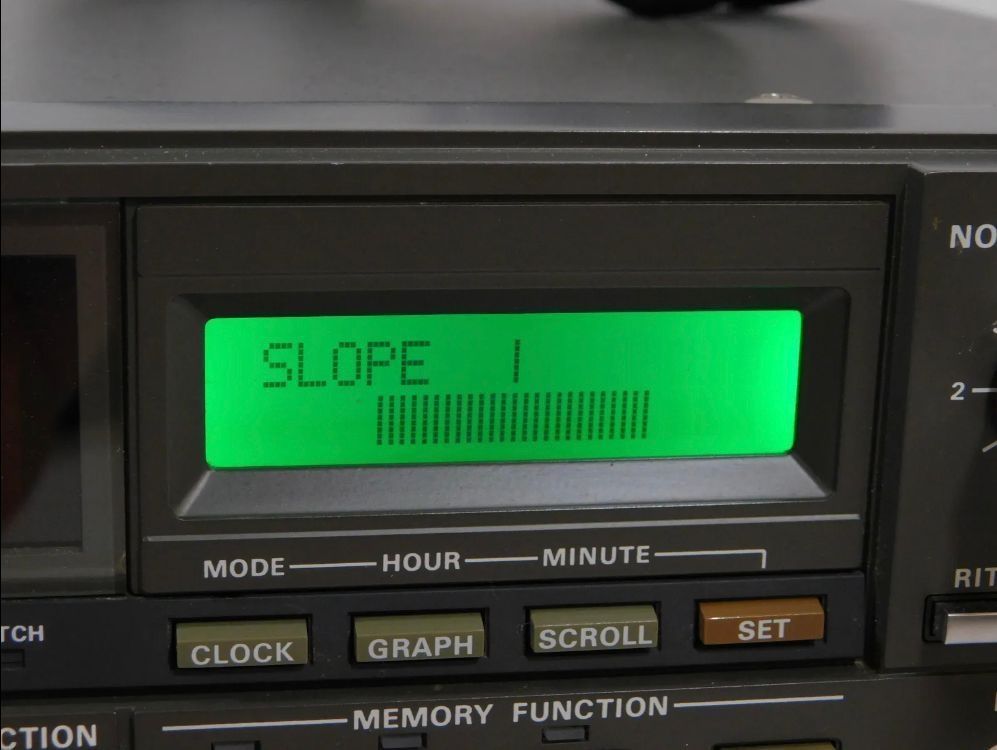
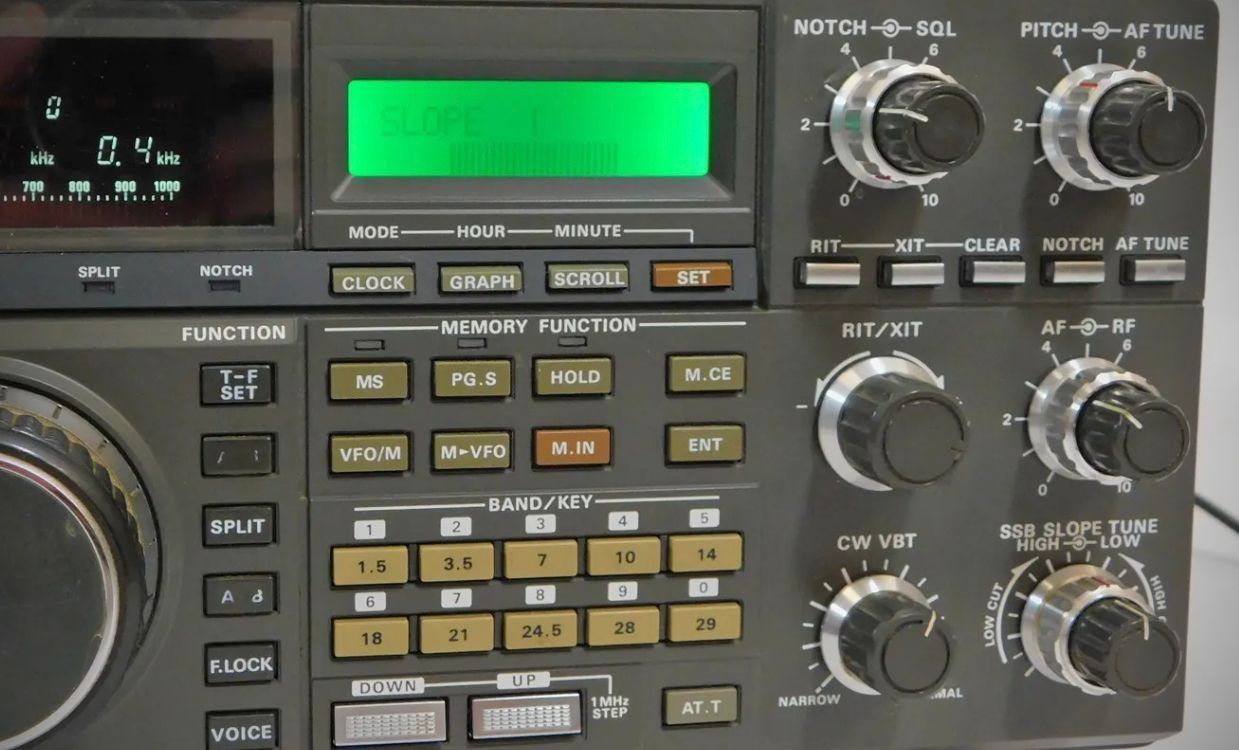
– IF Slope Tuning: Provides independent control of the high and low-frequency sides of the IF passband to eliminate interference.
– CW Performance: Includes a built-in electronic keyer, full break-in (QSK), and variable pitch control.
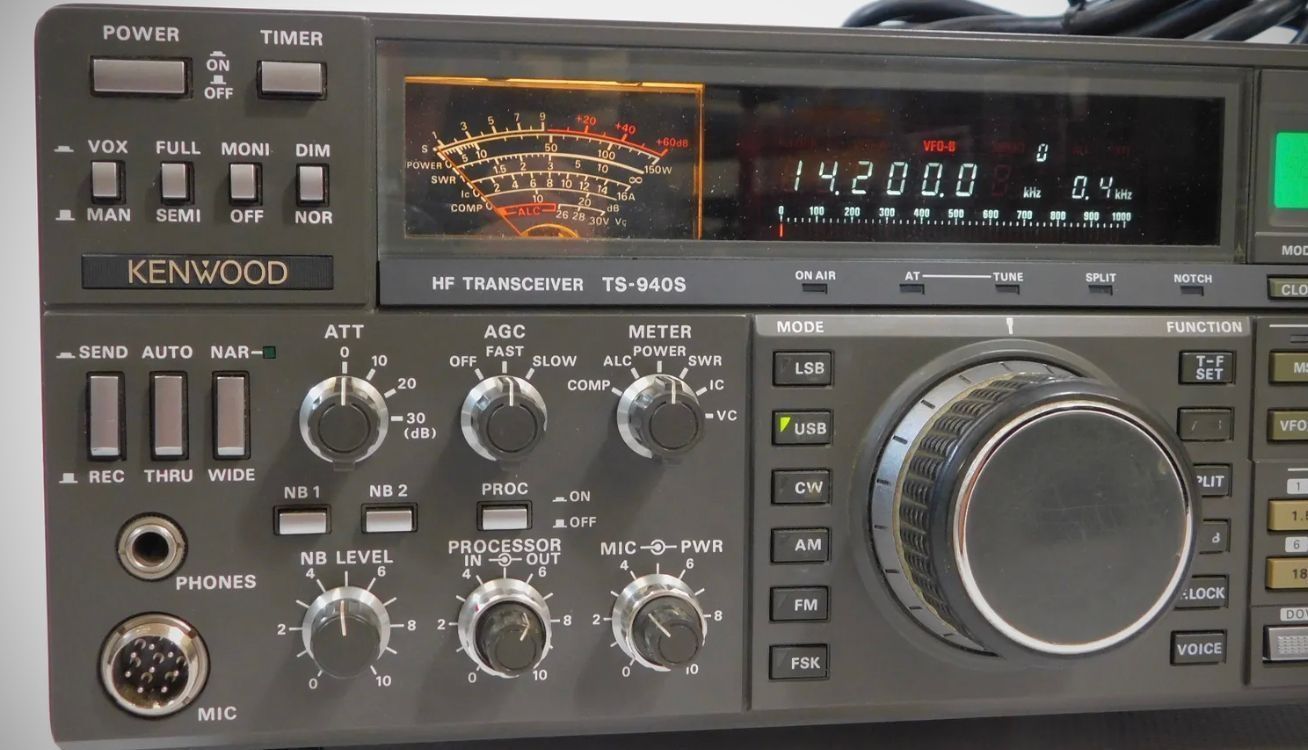
– Digital Display: Features a large, multi-function fluorescent display for frequency and status, along with an analog S-meter.
Technical & Restoration Considerations
Known Technical Issues
– AVR Board: The Automatic Voltage Regulator board runs quite hot; many owners install additional cooling or replace old electrolytic capacitors to prevent thermal failure.
– The "Dot" Issue: A common failure where the display shows only dots; this usually indicates a PLL (Phase-Locked Loop) unlock, often caused by aging components or conductive glue used in the original manufacturing.
– Memory Battery: The frequency memories and clock are maintained by a CR2032 or similar lithium cell which, after several decades, almost certainly requires replacement.
– Internal Trimmers: Over time, the trimmer capacitors in the PLL circuits can drift, requiring a steady hand and a high-quality frequency counter for realignment.
Specifications
General
– Frequency Range (Transmitter):
160m band: 1.8 – 2.0 MHz
80m band: 3.5 – 4.0 MHz
40m band: 7.0 – 7.3 MHz
30m band: 10.1 – 10.15 MHz
20m band: 14.0 – 14.35 MHz
17m band: 18.068 – 18.168 MHz
15m band: 21.0 – 21.45 MHz
12m band: 24.89 – 24.99 MHz
10m band: 28.0 – 29.7 MHz
– Frequency Range (Receiver): 150 kHz to 30 MHz
– Modes: SSB, CW, AM, FM, FSK)
– Antenna Impedance: 50 Ω
Transmitter
– Final Power Input:
SSB, CW, FSK, FM: 250W
AM: 80W
– Modulation:
SSB: Balanced modulation
AM: Low power modulation
FM: Variable reactance frequency shift
– Carrier Suppression: Better than 40 dB
– Unwanted Sideband Suppression: Better than 50 dB
– Spurious Radiation: Less than -40 dB (AM); Less than -50 dB (other modes)
– Maximum Frequency Deviation (FM): ±5 kHz
– Frequency Response: 400 to 2600 Hz (-6 dB)
– Frequency Stability: Within ±10 ppm (0 to 50∘C); within ±3 ppm with optional SO-1
Receiver
– Circuitry: Quadruple conversion superheterodyne
– Intermediate Frequencies:
1st IF: 45.05 MHz
2nd IF: 8.83 MHz
3rd IF: 455 kHz
4th IF: 100 kHz
– Sensitivity:
SSB, CW, FSK (10 dB S/N): < 0.2 μV (1.8-30 MHz)
AM (10 dB S/N): < 2.0 μV (1.8-30 MHz)
FM (12 dB SINAD): < 0.5 μV (1.8-30 MHz)
– Squelch Sensitivity:
SSB, CW, FSK, AM: < 2.0 μV (1.8-30 MHz)
FM: < 0.32 μV (1.8-30 MHz)
– Image Ratio: Better than 70 dB
– IF Rejection: Better than 80 dB
– Selectivity:
SSB, CW, FSK: 2.3 kHz (-6 dB), 4.0 kHz (-60 dB)
AM: 4.0 kHz (-6 dB), 14 kHz (-60 dB)
FM: 12 kHz (-6 dB), 25 kHz (-60 dB)
– Variable Range (RIT/XIT): ±9.99 kHz
– Audio Output Power: 1.5W into 8 Ω (10% distortion)
– Audio Load Impedance: 4 to 16 Ω
Power Requirement: 120, 220, 240V AC, 50/60 Hz
Power Consumption:
(Tx) Maximum 510 watts
(Rx) 80 watts
Accessories
– Headphones: Trio-Kenwood models HS-4, HS-5, HS-6, and HS-7.
– Microphones: MC-42S (handheld), MC-60A, MC-80, and MC-85 (table-top models).
Internal Options
– AT-940 Automatic Antenna Tuner: Can be built-in or added as an accessory.
– VS-1 Voice Synthesizer: An internal unit that provides audible frequency announcements.
– SO-1 Temperature Compensated Crystal Oscillator (TCXO): For improved frequency stability.