Note
QST, Oct 1931, p. 68.
QST, Jan 1932, p. 95.
The Radio Engineering Laboratories (REL) Model 278 is a rare short-wave communications receiver introduced in late 1931. Manufactured by REL of Long Island City, New York, it was marketed as a high-quality bandspread receiver for amateur radio operators and was introduced as direct competition to the National SW-3.
The receiver utilized a simple three-tube circuit consisting of an untuned screen-grid RF stage capacity-coupled to a regenerative detector, followed by a single-tube audio amplifier.
At a time when most contemporary radios relied on triodes, the 278 adopted newly introduced screen-grid tubes. It could be configured for battery operation using 36, 36, and 38 tubes, or for AC operation using 35, 35, and 27 tubes.
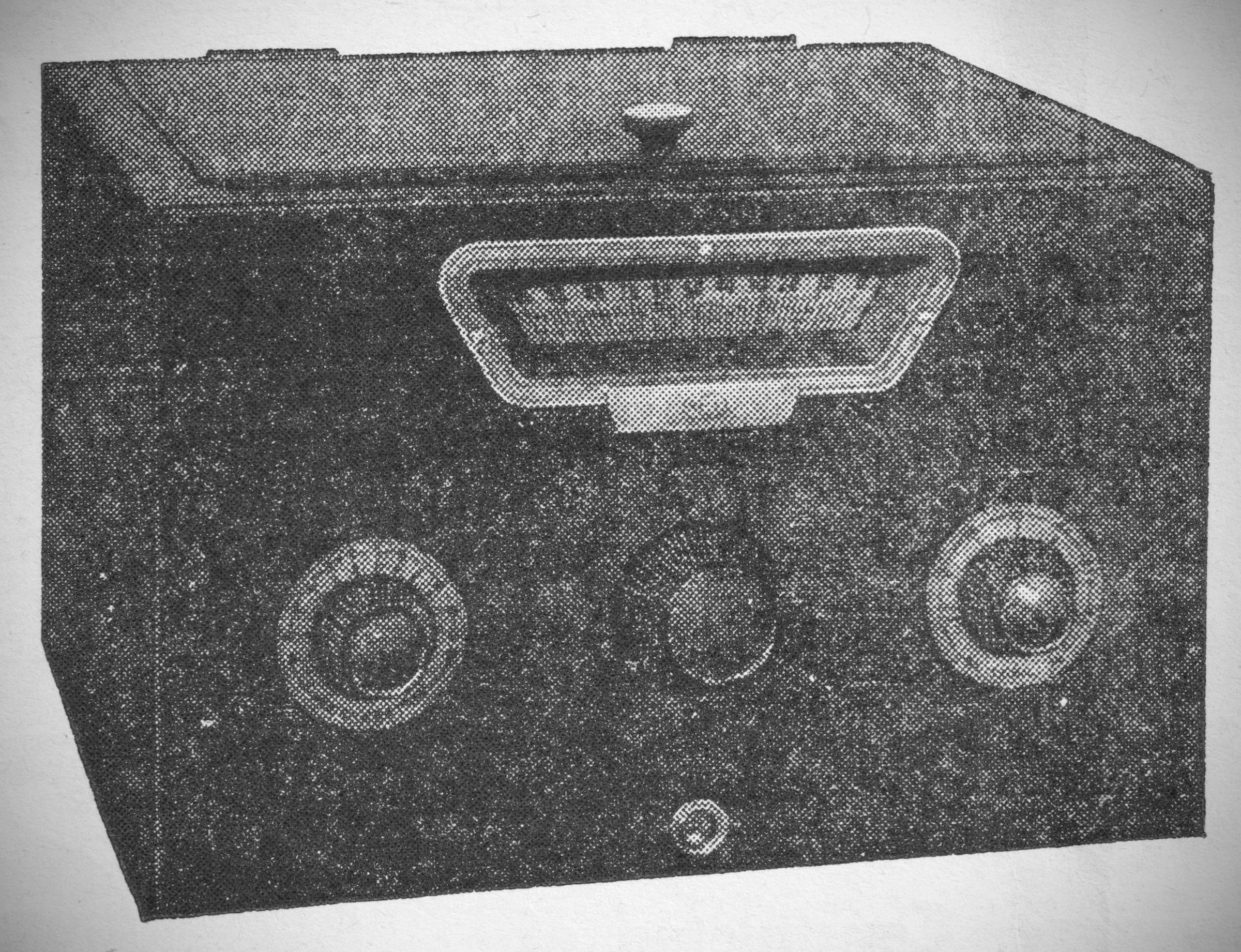
The receiver featured a specialized REL No. 187 tuning capacitor that combined band-set and band-spread functions into a single unit. A rear section was set for a specific band using a disc and ratchet mechanism, while a smaller front section acted as the main tuning control.
The radio achieved excellent frequency reproducibility using rugged, proprietary plug-in coils. These were wound on large, heavy, threaded, and ribbed Bakelite forms with heavy-duty studs that snapped into a molded base equipped with heavy phosphor-bronze contacts.
As shipped, it included coils for the 20, 40, and 80-meter amateur bands, each widely spread across the tuning dial. Separate coils for the 25 and 49-meter commercial short-wave bands could be purchased individually.
Moving away from the common wood-breadboard and Bakelite panel construction of the era, the Model 278 featured heavy-duty steel construction. It featured a plated steel chassis housed in a rugged steel cabinet with a hinged lid.
REL advertised the receiver as possessing 18 "necessary features" for modern amateur operation, which included highly advanced physical design elements for 1931, such as a built-in dial light. Also, it was advertised as a mate for the 271 "Globe Girdler" transmitter.
Despite its high-quality construction, the Model 278 is exceptionally scarce today. REL's promotion of the radio was weak and irregular compared to National's massive advertising campaigns. Furthermore, by early 1932, REL largely abandoned the amateur radio market to pursue lucrative government and commercial contracts in the emerging UHF communications sector alongside Major Edwin Armstrong, leaving very few Model 278 receivers in circulation.
References
Brief description. QST, Jan 1932, p. 48.