Note
QST, Sep 1968, p. 155. (teaser ad)
QST, Dec 1968, p. 145. (teaser ad)
QST, Jan 1969, p. 123. (teaser ad)
QST, Apr 1969, p. 133. (teaser ad)
CQ, Mar 1969, p. 11. (full page)
QST, May 1969, p. 117. (full page)
QST, Nov 1969, p. 113. (inside photo)
QST, May 1970, p. 144. (Good photo)
QST, Dec 1970, p. 170. ("now better than ever" -- An improved version with the same model number. The improvements seem to be mostly in quality control, and not improved performance or specifications.)
73, Feb 1973, p. 59.
QST, Dec 1973, p. 126. (moving to New Jersey under new ownership and with a "new standard of reliability")
QST, Sep 1971, p. 139. (CX7-A)
QST, Oct 1971, p. 137.
QST, Apr 1974, p. 124. (CX7-B will be shown at Dayton, taking advance orders)
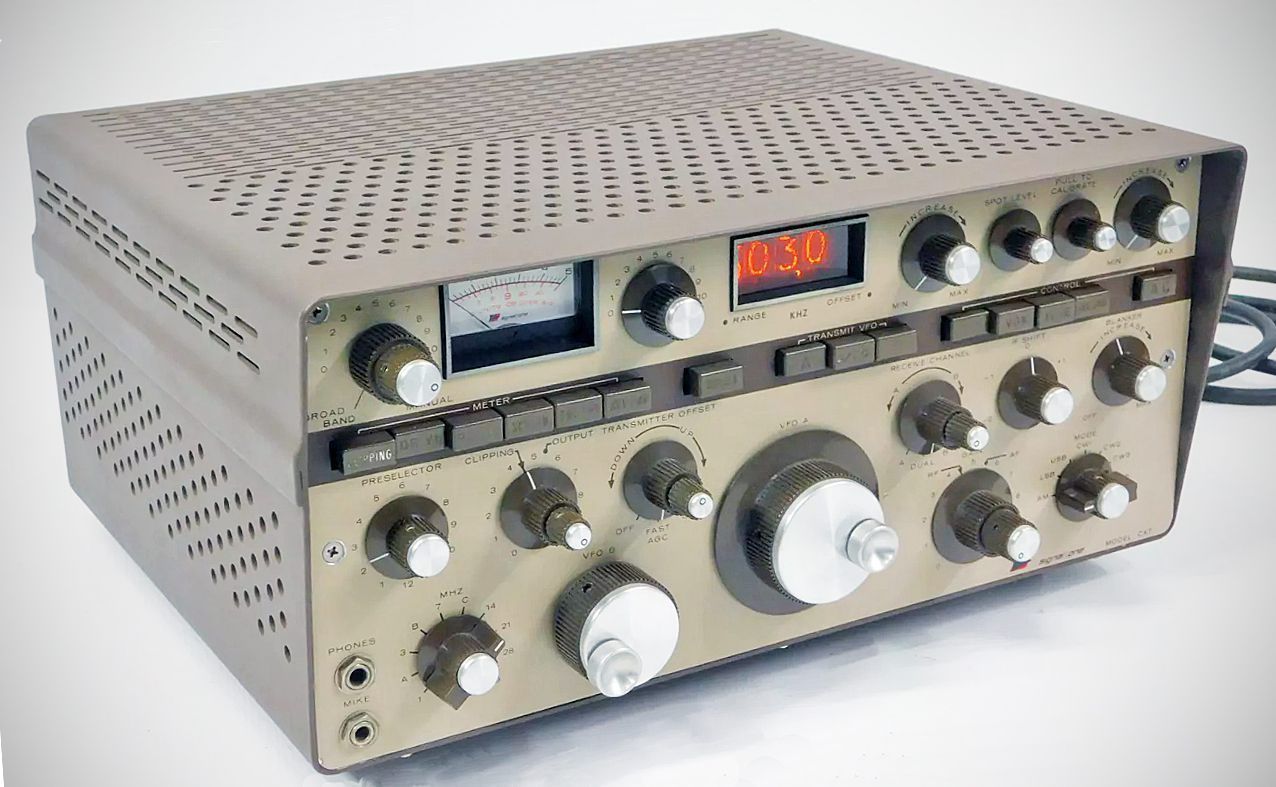
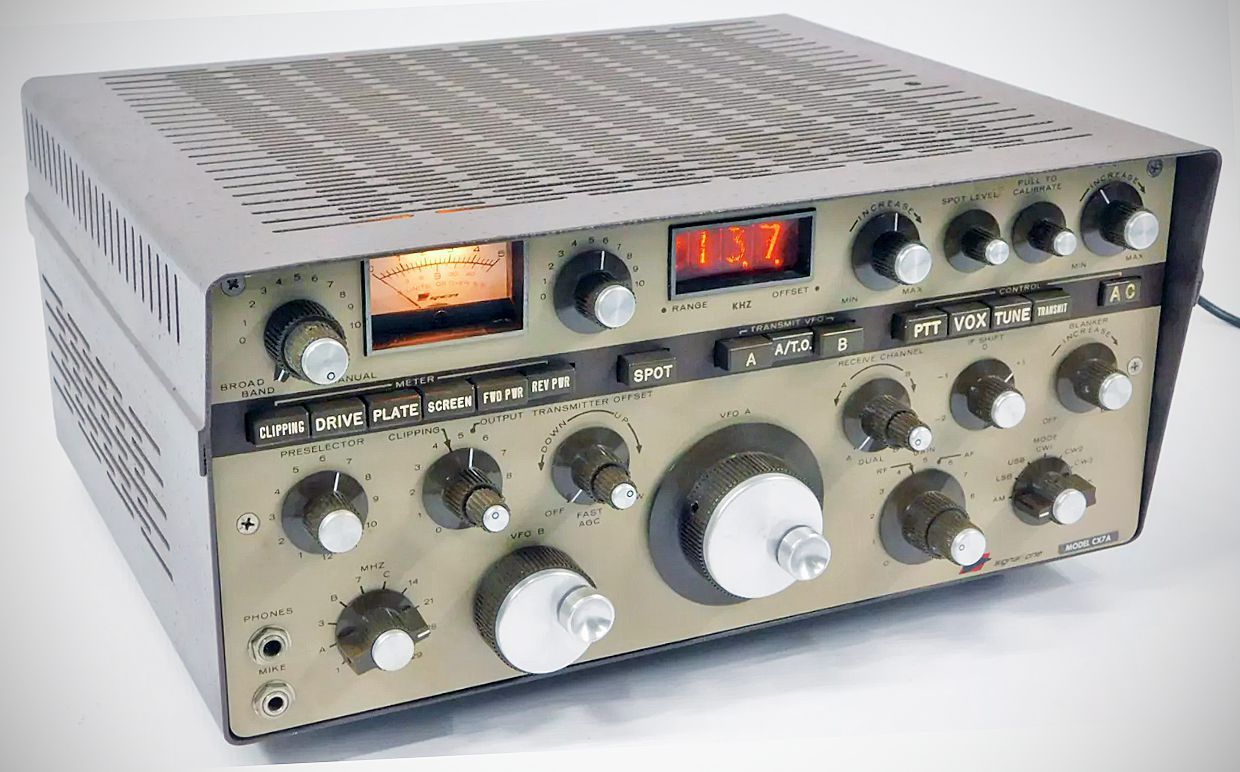
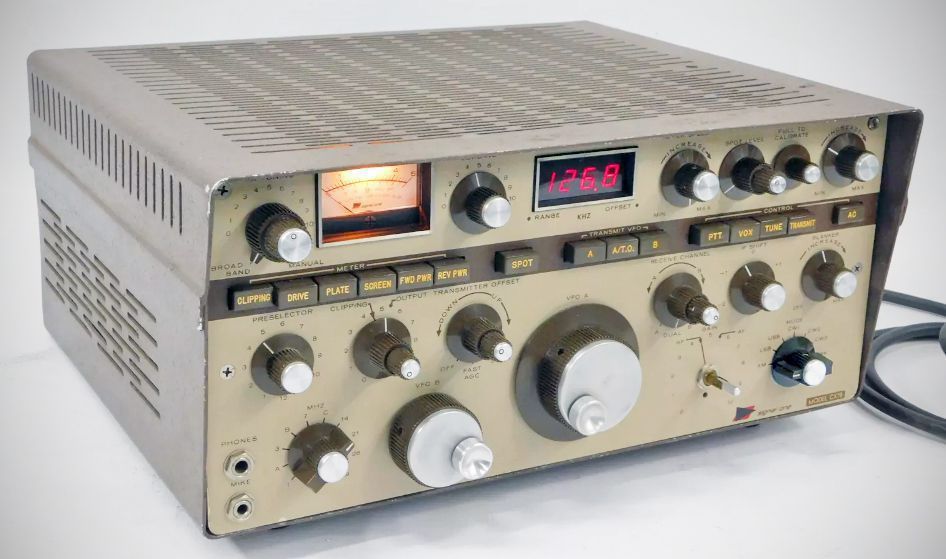
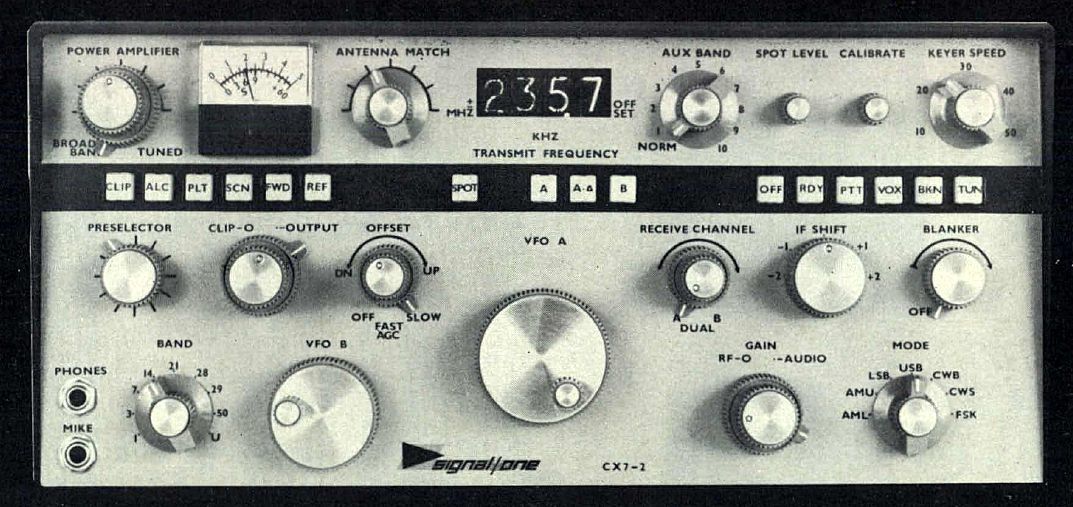
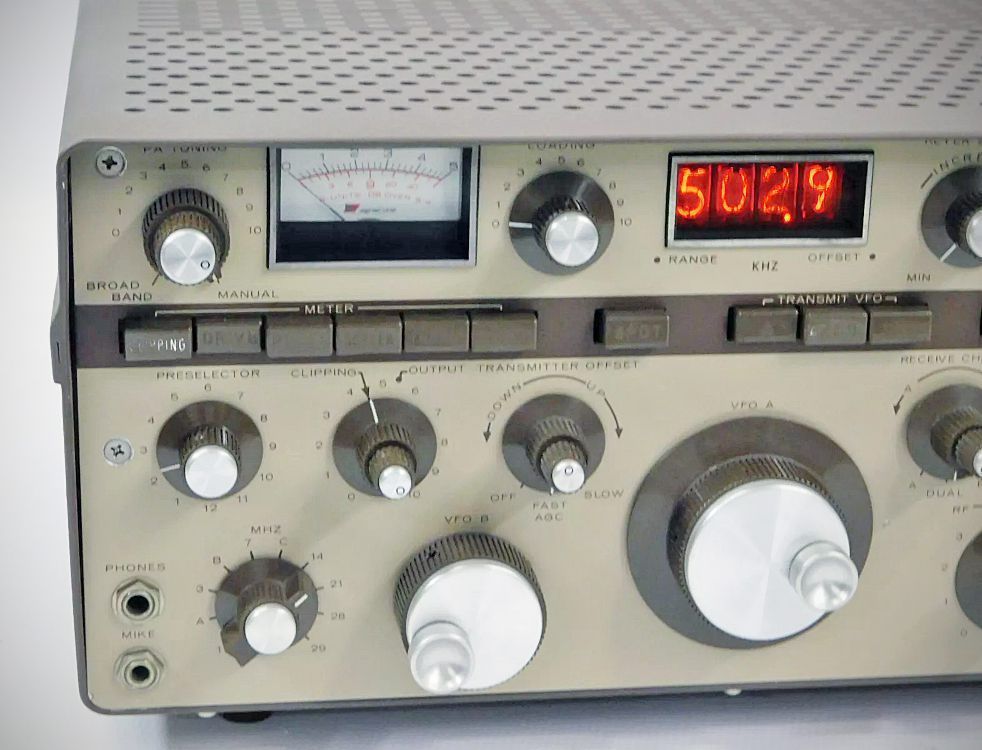
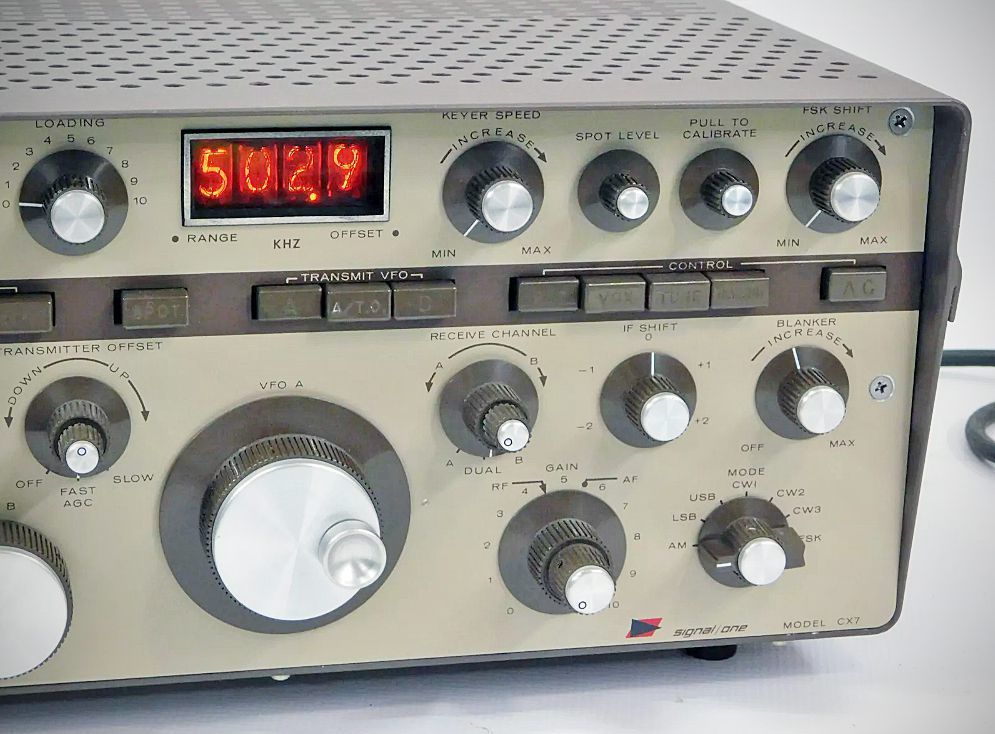
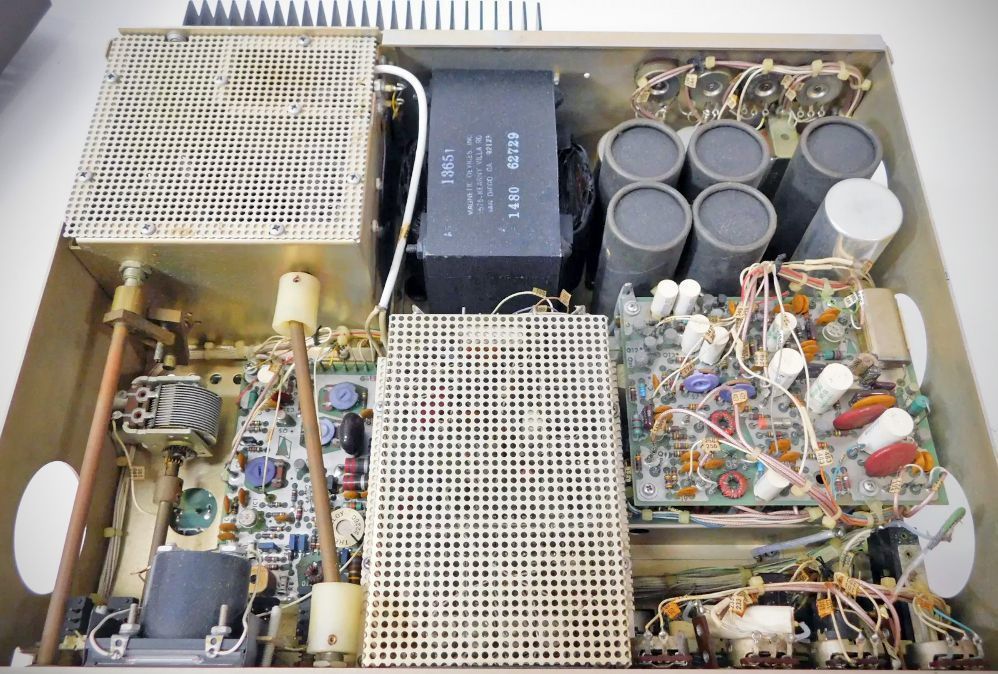
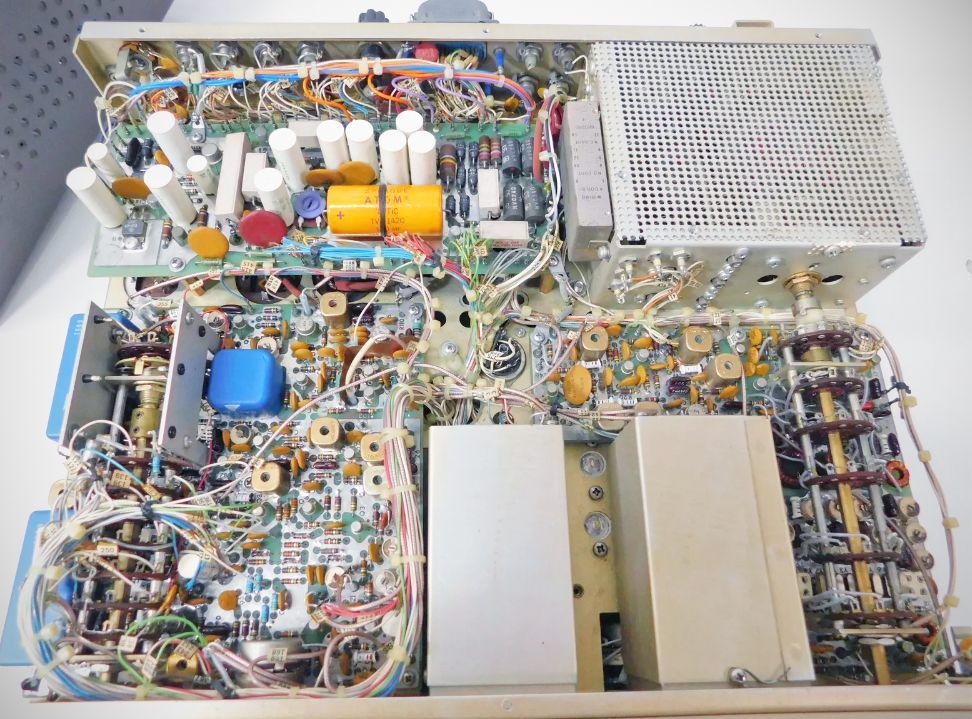
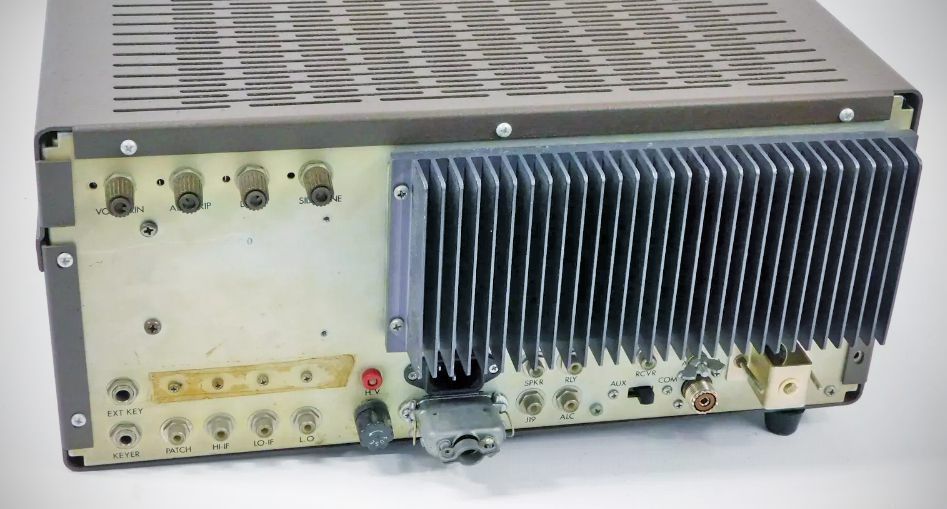
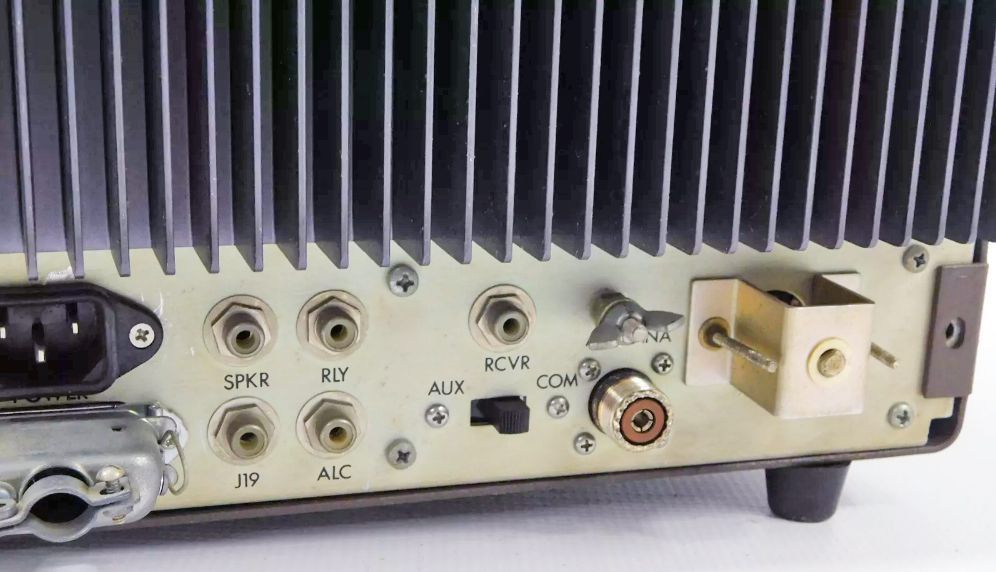
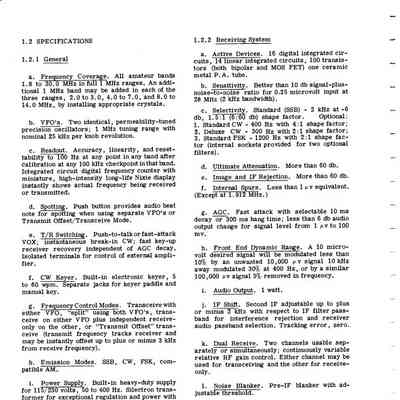
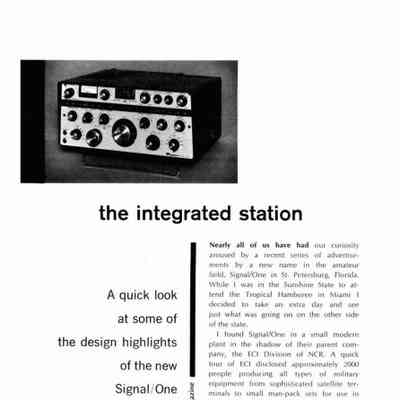
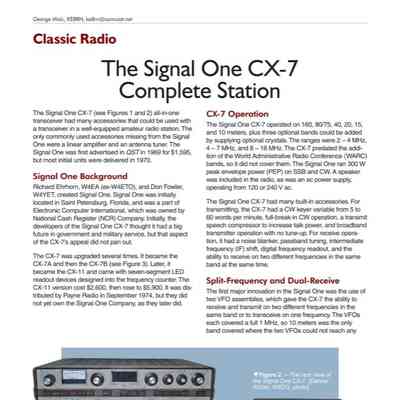
Signal/One introduced the concept of the high-performance, integrated station. It included two PTOs, an IC keyer, an RF clipper, a noise blanker, and a 115/230 VAC power supply. The CX-7 covered the amateur bands between 1.8-29.7 MHz and optional crystals permitted operation on three other 1 MHz segments. The Nixie tube digital readout displayed frequency down to 100 Hz. The transceiver was solid-state except for the RCA 8072 output tube. The final amplifier was rated at 300 watts peak input. The output was broad-banded and manual tuning was necessary only when the load's SWR exceeded 1.5:1. The receiver used a pair of sharp filters and electronic IF shift. Signal/One was owned by ECI of St. Petersburg, Florida, a division of NCR. By the time the CX-7A debuted (1971), Signal/One had become a division of Computer Measurements, Inc. of Gardena, California.
Major modifications in the CX-7A include power supply protection to eliminate transients and surge problems which could destroy sensitive solid-state circuitry in the CX7. The audio passband in both transmit and receive has been broadened to enhance the lower-frequency response. VOX turn-on has been changed to cure the syllable-clipping problems owners have complained about. TVI and spurious outputs have been reduced by changes to the RF driver circuitry.
Replaced by the CX11 in January 1975. (QST, Jan 1975, p. 128.)
References
Review. Ham Radio, Apr 1969, p. 72.
Review. Ham Radio, May 1969, p. 56.
Bried description (CX-7A). Ham Radio, Apr 1972, p. 74.