Note
QST, Jul 1955, p. 132, and others.
QST, Aug 1955, p. 82. Photo and Specs
QST, Sep 1955, p. 101. (specs)
QST, Nov 1955, p. 79. (specs)
QST, Mar 1956, 102. (price information)
CQ, Mar 1962, p. 128. (close out)
QST, Mar 1962, p. 160. (close out)
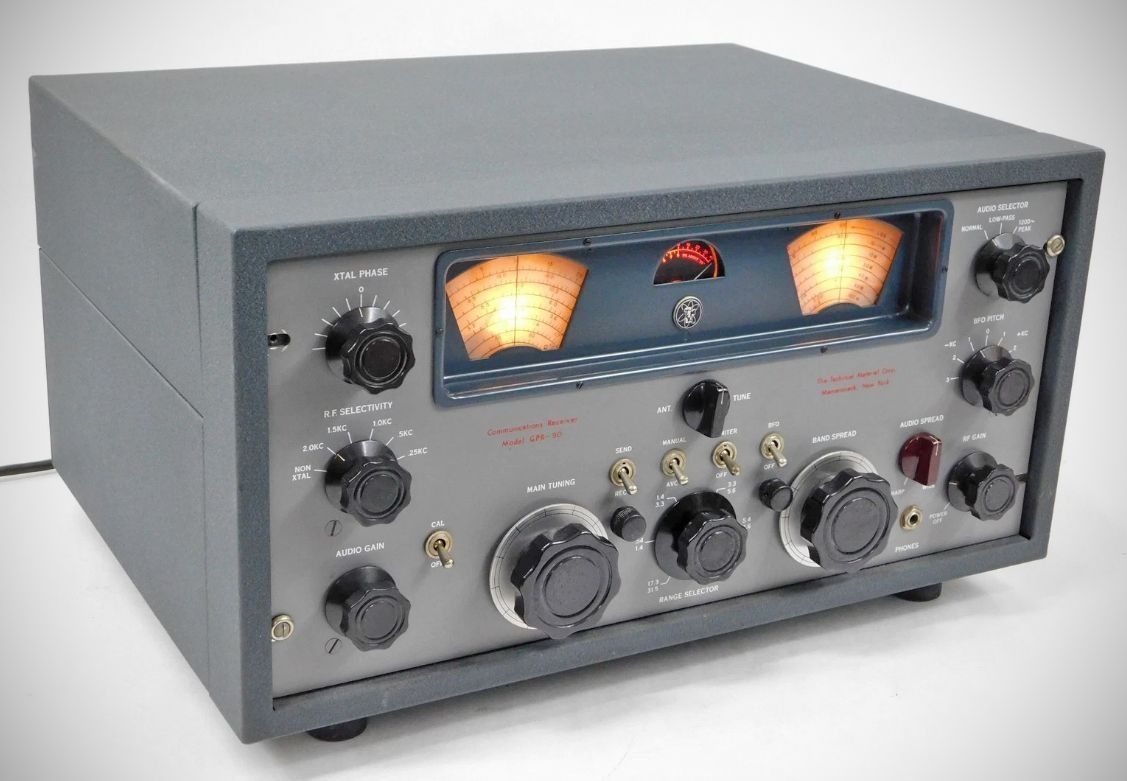
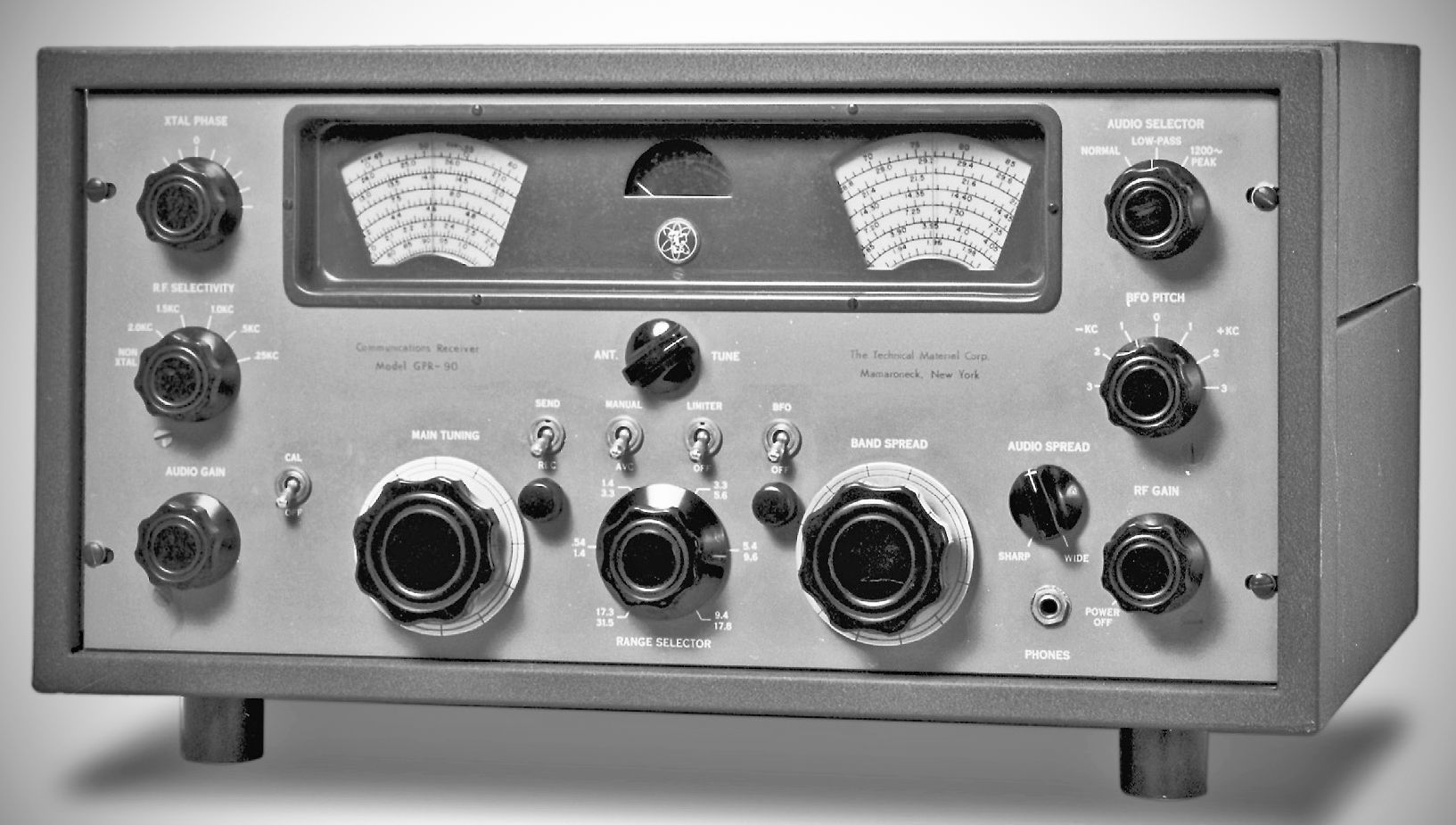
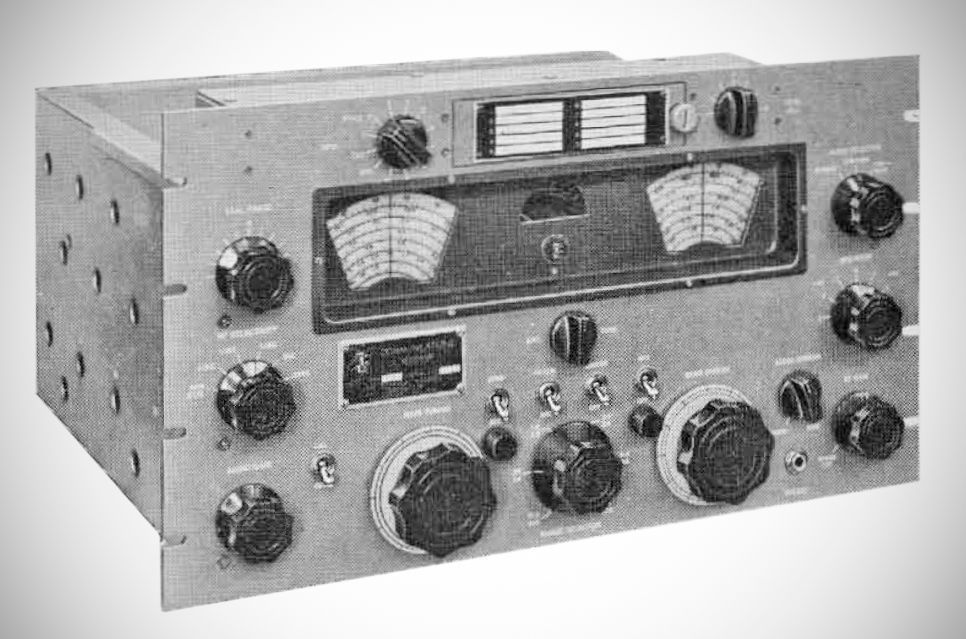
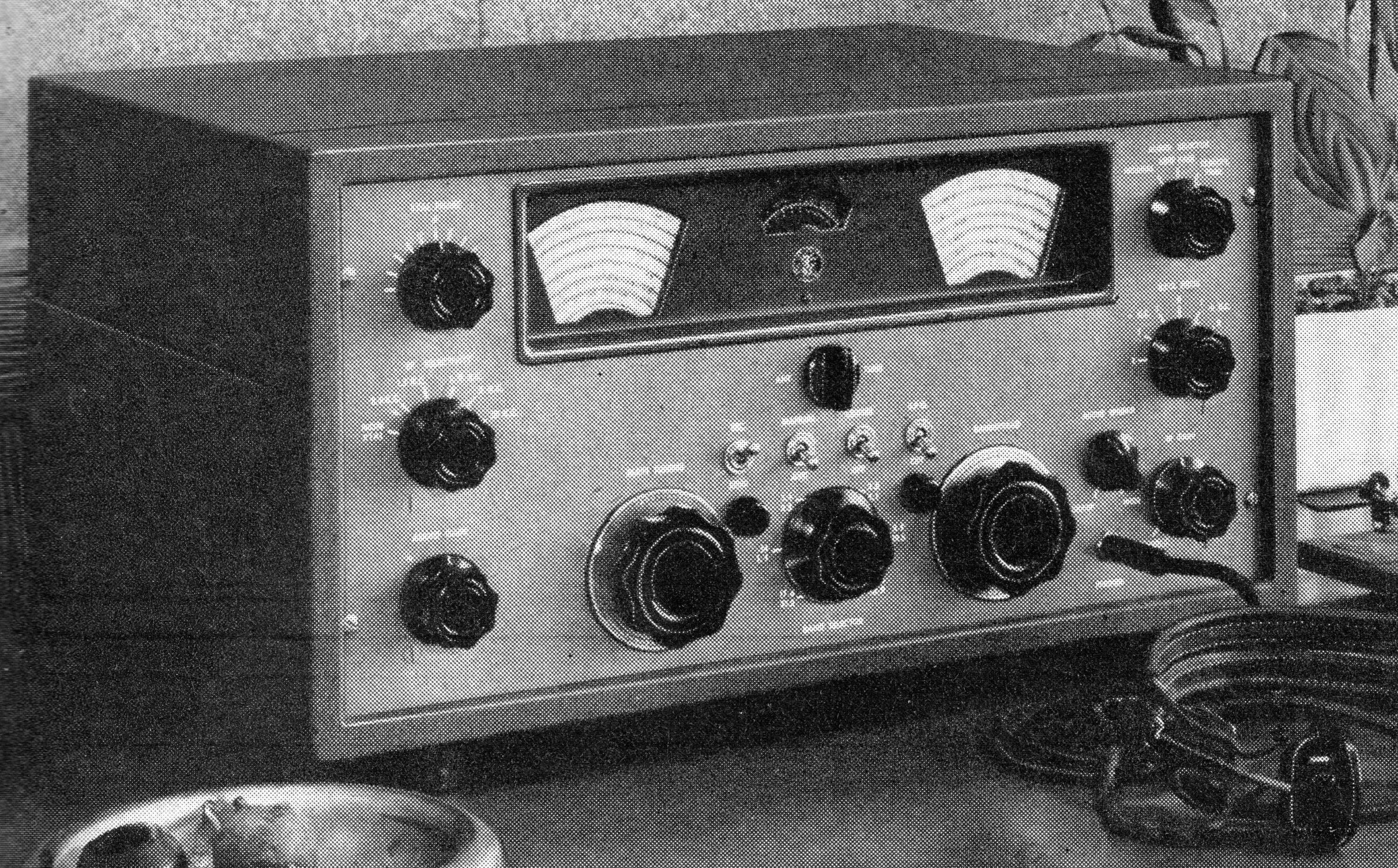
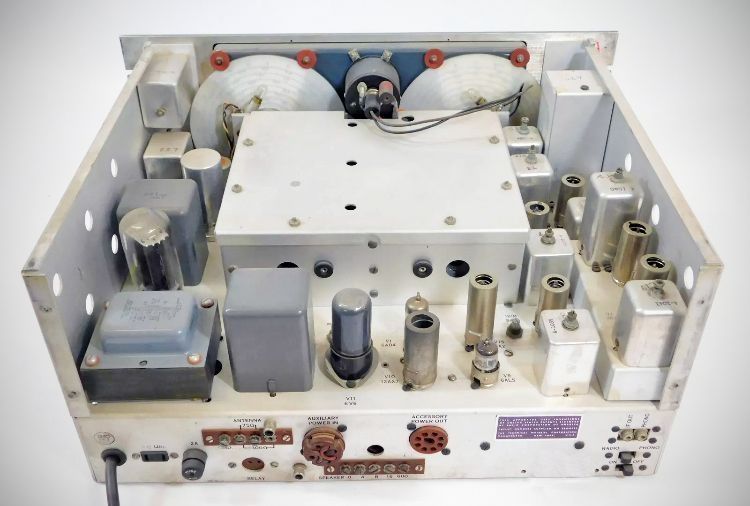
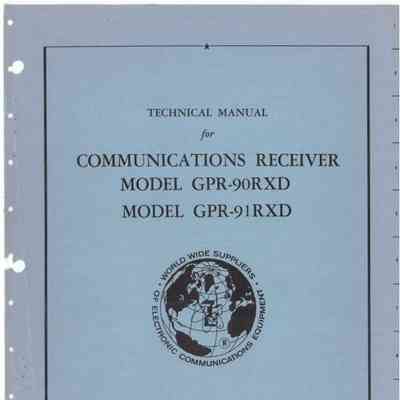
The GPR-90 receiver from the Technical Materiel Corporation also carried the R-825/URR military designator. The 16(17)-tube, double-conversion set was single-conversion below 3.2 MHz. It covered .54–31 MHz. It used a crystal filter and offered selectivity from 200 Hz to 5 kHz in six steps.
Note: See also the closely related GPR-91.
Primary Features and Architecture
Circuitry and Sensitivity: The receiver uses a (16)17-tube design that provides sensitivity averaging better than one microvolt for a 10 dB signal-to-noise ratio. It utilizes dual conversion on the top three bands (Bands 4, 5, and 6) to ensure high image rejection, averaging 85 dB.
GPR-91 Specific Bandwidth: While standard GPR-90 models offer IF selectivity up to 7 kHz, the GPR-91 expanded this to a wide 15 kHz non-crystal IF bandwidth. This design allows for Independent Sideband (ISB) reception of up to four discrete voice channels or up to 64 teletype channels when paired with an external converter like the TMC SBC-2.
Selectivity Control: IF selectivity is switchable across six steps, including five crystal-filter settings and one non-crystal position. The crystal filter range provides bandwidths from 250 Hz to 2 kHz. It also features a dedicated audio selectivity control with a variable bandwidth (using a 1200 Hz peak mode coupled with an Audio Spread control).
Oscillator and Frequency Stability: Tuning is managed via an accurately calibrated main tuning dial and a dedicated electrical bandspread dial. For stability, it includes 10 switchable front-panel crystal positions, a rear-deck connection for an external high-stability oscillator or synthesizer, and a built-in 100 kHz crystal calibrator providing markers across the entire tuning range.
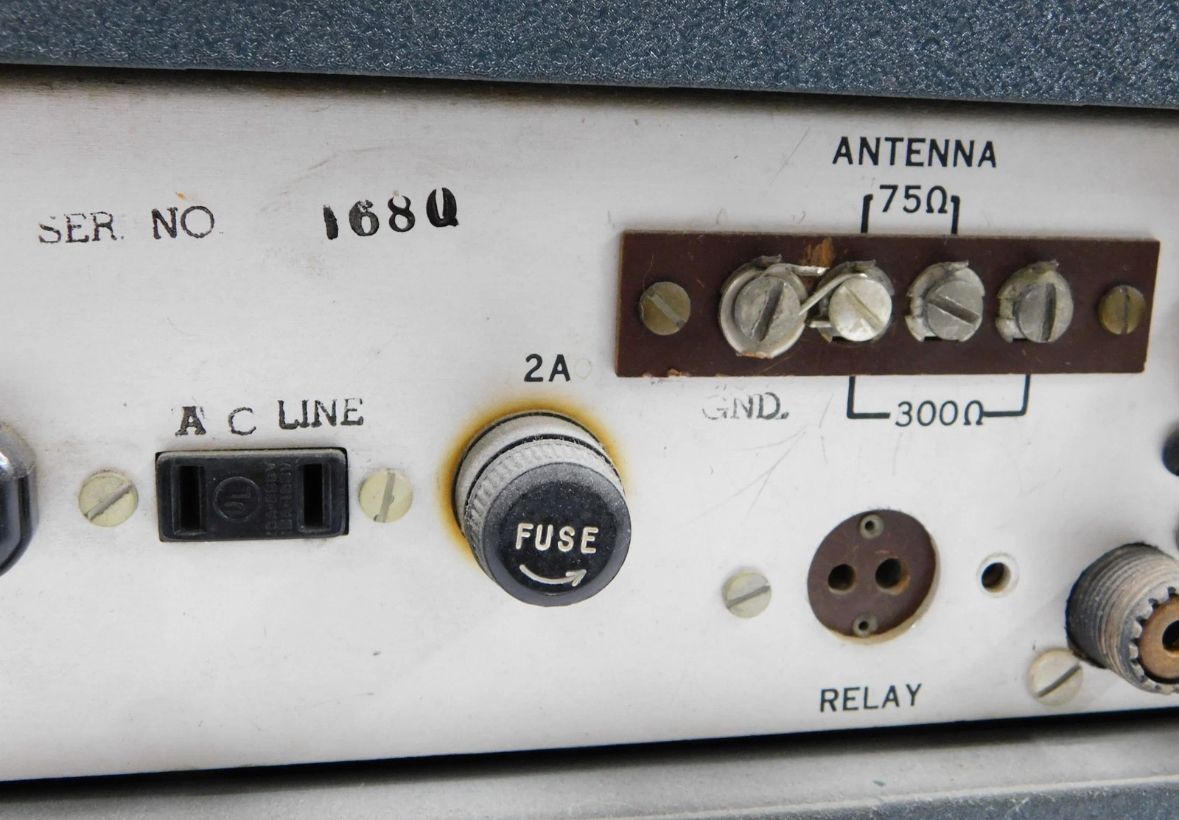
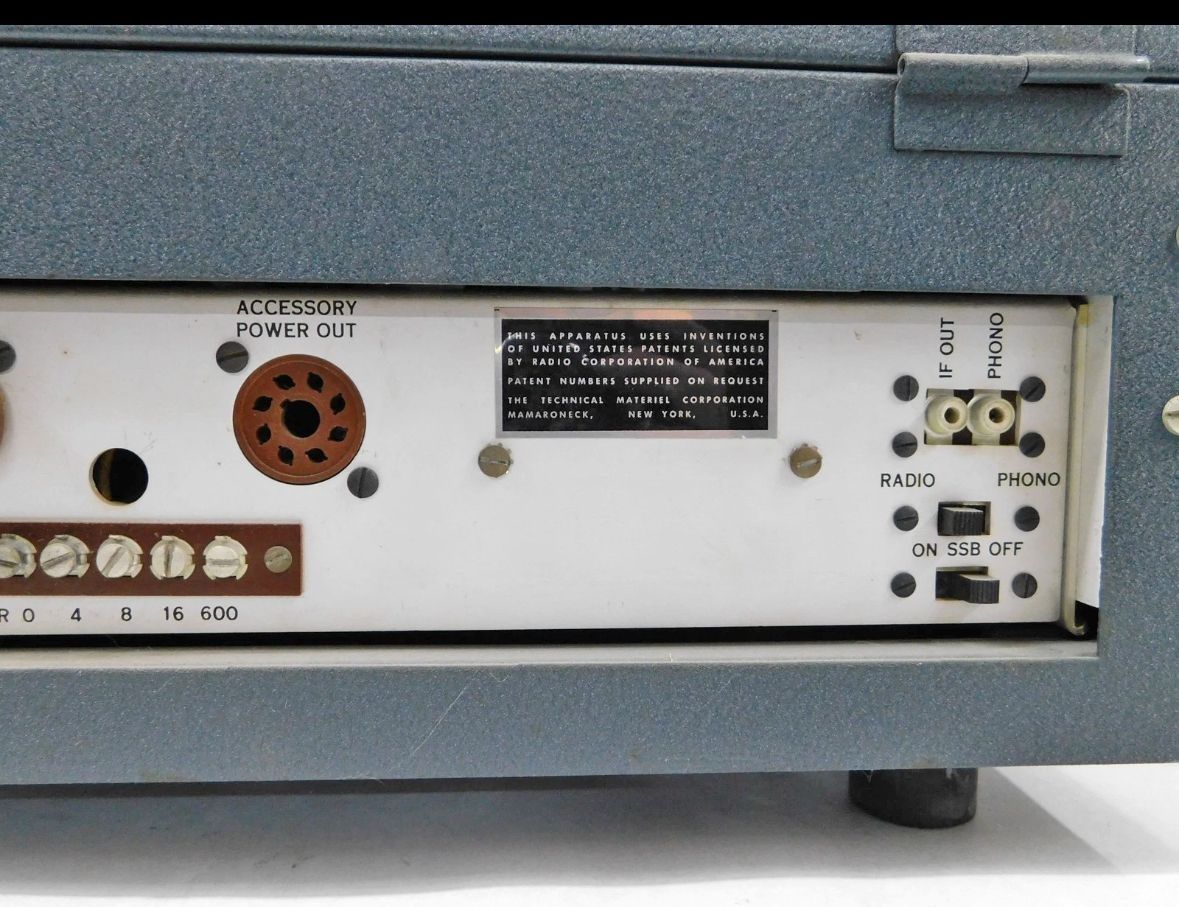
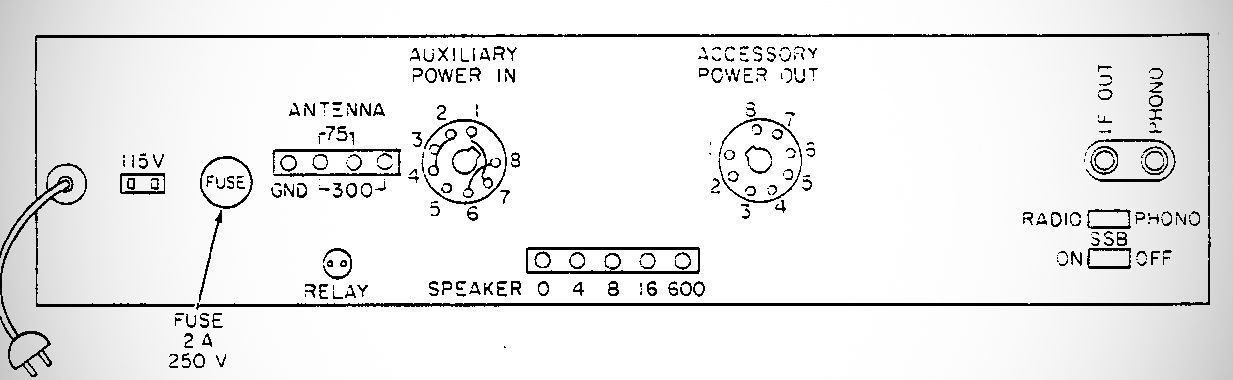
Audio and Connections: The receiver delivers a 2-watt audio output with selectable output impedances of 4, 8, 16, and 600 ohms, as well as a headphone jack. Antenna input impedance is set at 75 ohms unbalanced.
Specifications
– Frequency range: 0.54 to 31.5 mc in six bands.
– Type of reception: AM, CW, MCW, FSK, and SSB.
– Tuning system: Accurately calibrated main tuning dial plus full electrical bandspread.
– Input impedance: 75 ohms unbalanced.
– Output impedance: 4, 8, 16, and 600 ohms plus headphones.
– Output level: 2-watt high quality audio output.
– Sensitivity: Better than 1 microvolt for 10 db signal-to-noise ratio.
– Noise figure: Better than 6 db.
– Image ratio: Averages 85 db.
– Selectivity: Variable in six steps, 5 crystal and 1 noncrystal position.
For the GPR-90RXD, this is 250 Hz to 7 kHz.
For the GPR-91RXD, this is 250 Hz to 15 kHz.
– AVC characteristic: With an 80-db change in the input signal, the output remains constant within 12 db.
– Audio selectivity: Specially designed audio selectivity control with variable bandwidth.
– Noise limiter: A highly effective series type noise limiter is provided.
– Metering: Calibrated S-meter.
– VFO stability: Better than 0.002 percent on first three bands and 0.003 percent on three bands.
– Crystal stability: Dependent upon crystal being used.
– Crystal calibrator: Provides 100 kHz markers throughout tuning range.
– BFO circuit: Variable frequency BFO.
– Hum level: Better than 60 db.
Tube Lineup
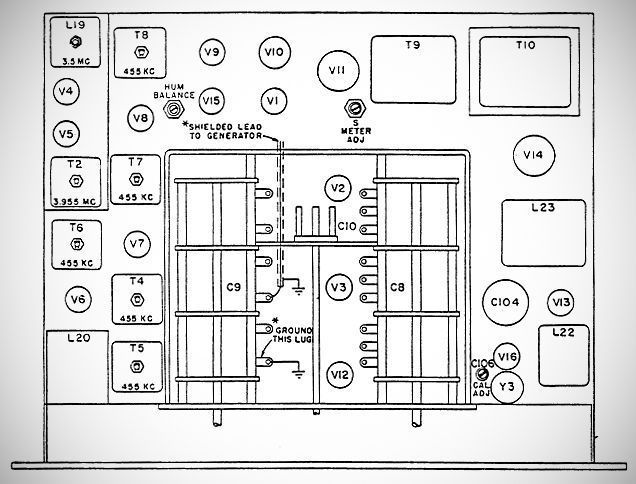
Note: The two manuals attached list slightly differents sets of tubes. The following list is from T.O. 31R2-4-155-1.
V1: 6AB4
V2: 6CB6
V3: 6AU6
V4: 6BE6
V5: 6BA6
V6: 6BA6
V7: 6BA6
V8: 6BA6
V9: 6AL5
V10: 12AX7
V11: 6V6
V12: 6AG5
V13: 6AG5
V14: 5U4-G
V15: 0A2
V16: 6CB6
V17: 6AG5 (used in model GPR-90RX only)