Note Type
General NotesNote
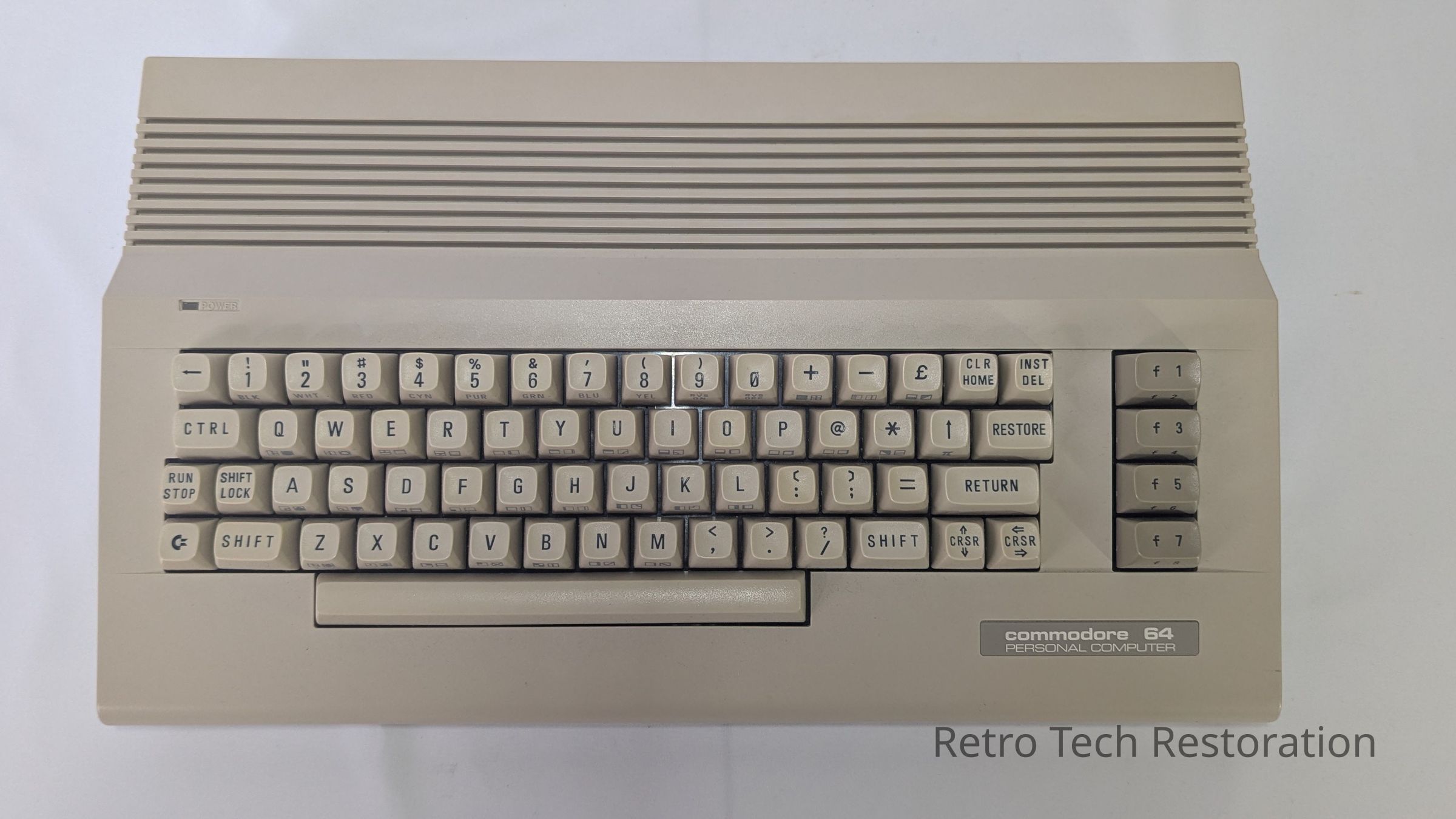
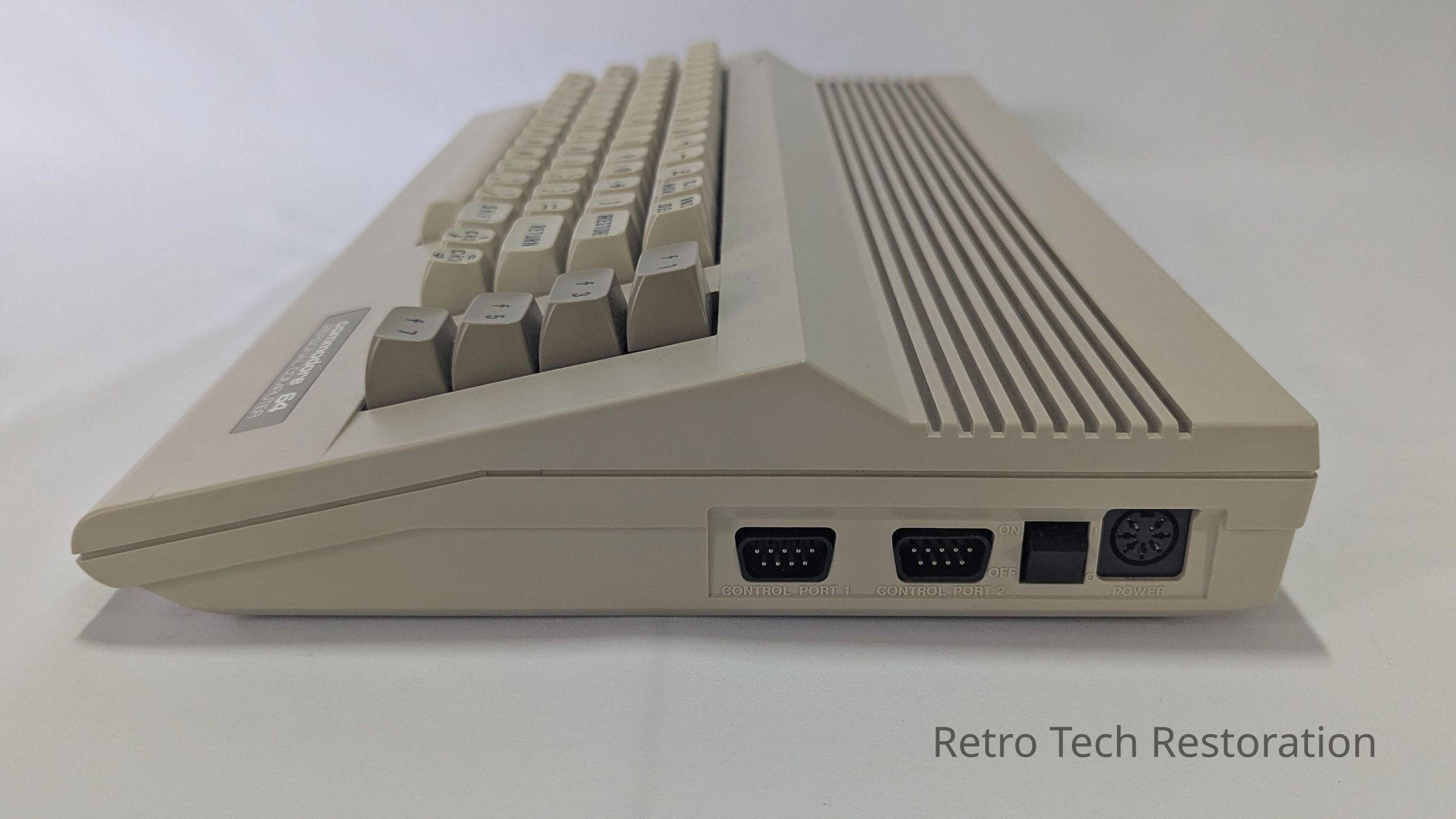
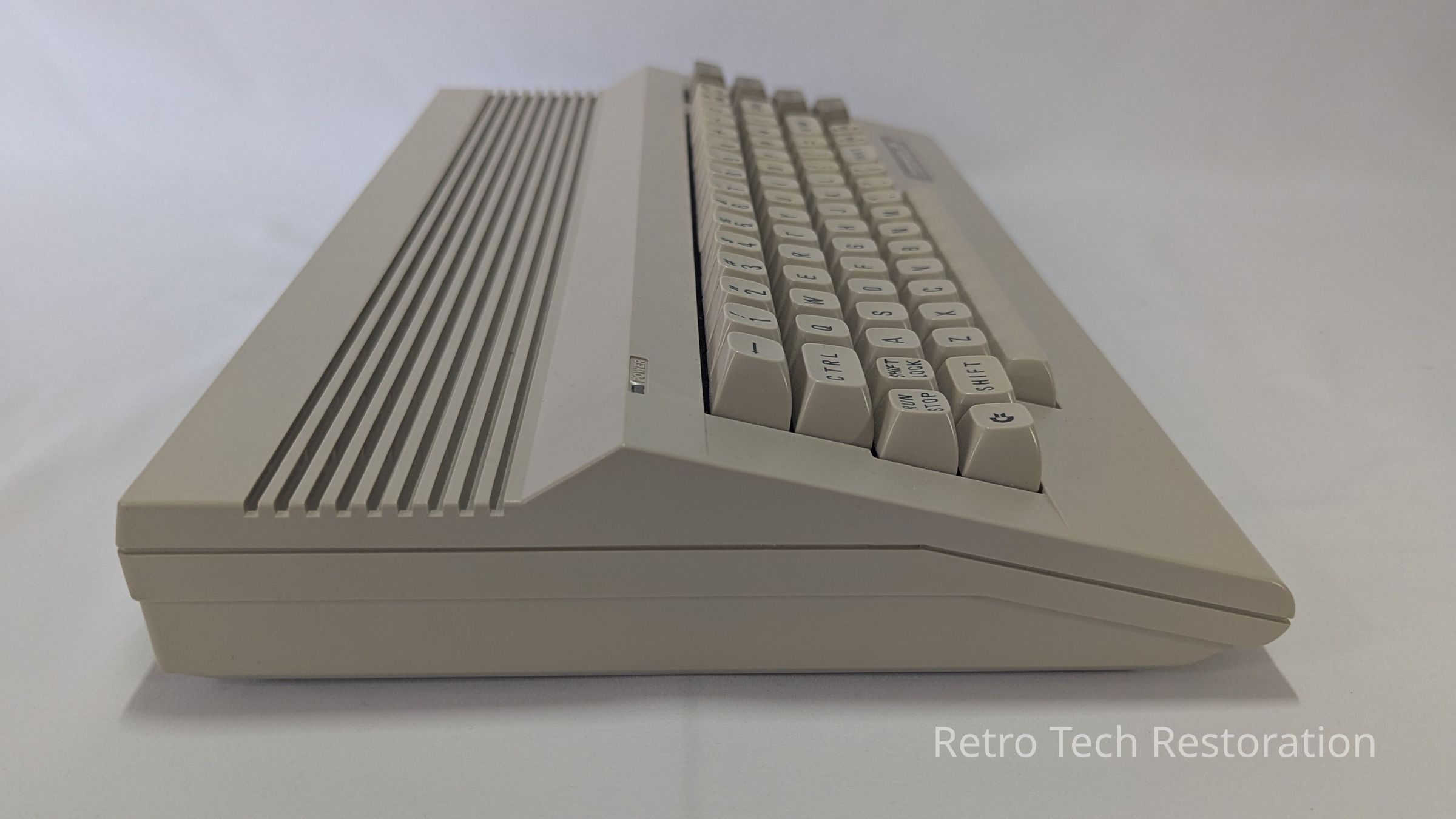
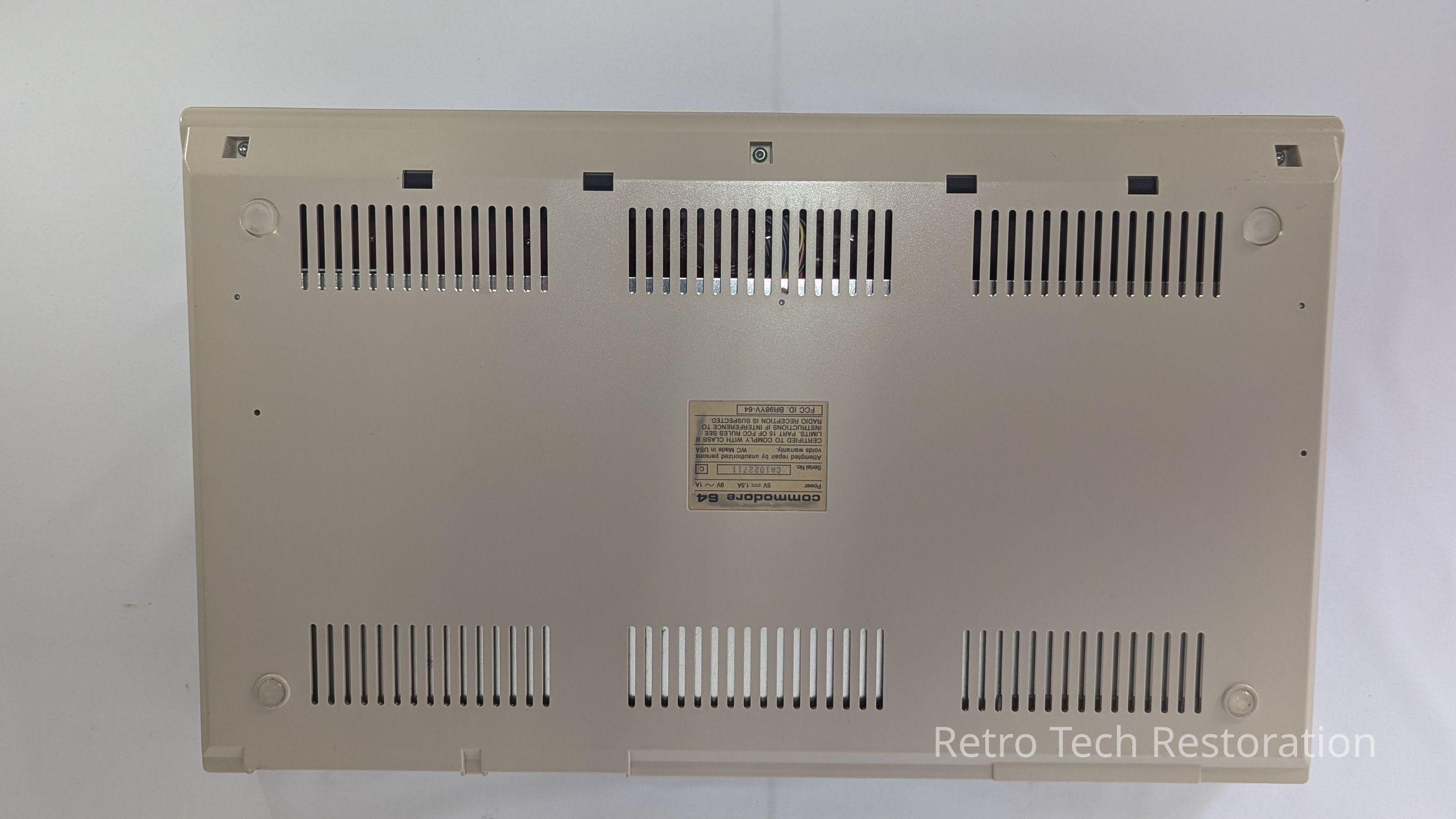
The C64's designers intended the computer to have a new, wedge-shaped case within a year of release, but the change did not occur. In 1986, Commodore released the 64C computer, which is functionally identical to the original, which was nicknamed the Breadbin 64 after the release of the 64C. The exterior design was remodeled in the sleeker style of the Commodore 128. The 64C uses new versions of the SID, VIC-II, and I/O chips being deployed. Models with the C64E board had the graphic symbols printed on the top of the keys, instead of the normal location on the front. The sound chip (SID) was changed to use the MOS 8580 chip, with the core voltage reduced from 12V to 9V. The most significant changes include different behavior in the filters and in the volume control, which result in some music/sound effects sounding differently than intended, and in digitally sampled audio being almost inaudible, respectively (though both of these can mostly be corrected-for in software). The 64 KB RAM memory went from eight chips to two chips. BASIC and the KERNAL went from two separate chips into one 16 KB ROM chip. The PLA chip and some TTL chips were integrated into a DIL 64-pin chip. The "252535-01" PLA integrated the color RAM as well into the same chip. The smaller physical space made it impossible to put in some internal expansions like a floppy-speeder.[78] In the United States, the 64C was often bundled with the third-party GEOS graphical user interface (GUI)-based operating system, as well as the software needed to access Quantum Link.
Manufacturer Commodore Business Machines (CBM)
Type Home computer
Release date August 1982; 43 years ago
Introductory price US$595 (equivalent to $1,940 in 2024)
Discontinued April 1994; 31 years ago
Units sold 12.5 – 17 million
Operating system Commodore KERNAL/BASIC 2.0
GEOS (optionally)
CPU MOS Technology 6510/8500
@ 1.023 MHz (NTSC version)
@ 0.985 MHz (PAL version)
Memory 64 KB RAM + 20 KB ROM
Graphics VIC-II (320×200, 16 colors, sprites, raster interrupt)
Sound SID 6581/8580 (3× osc, 4× wave, filter, ADSR, ring)
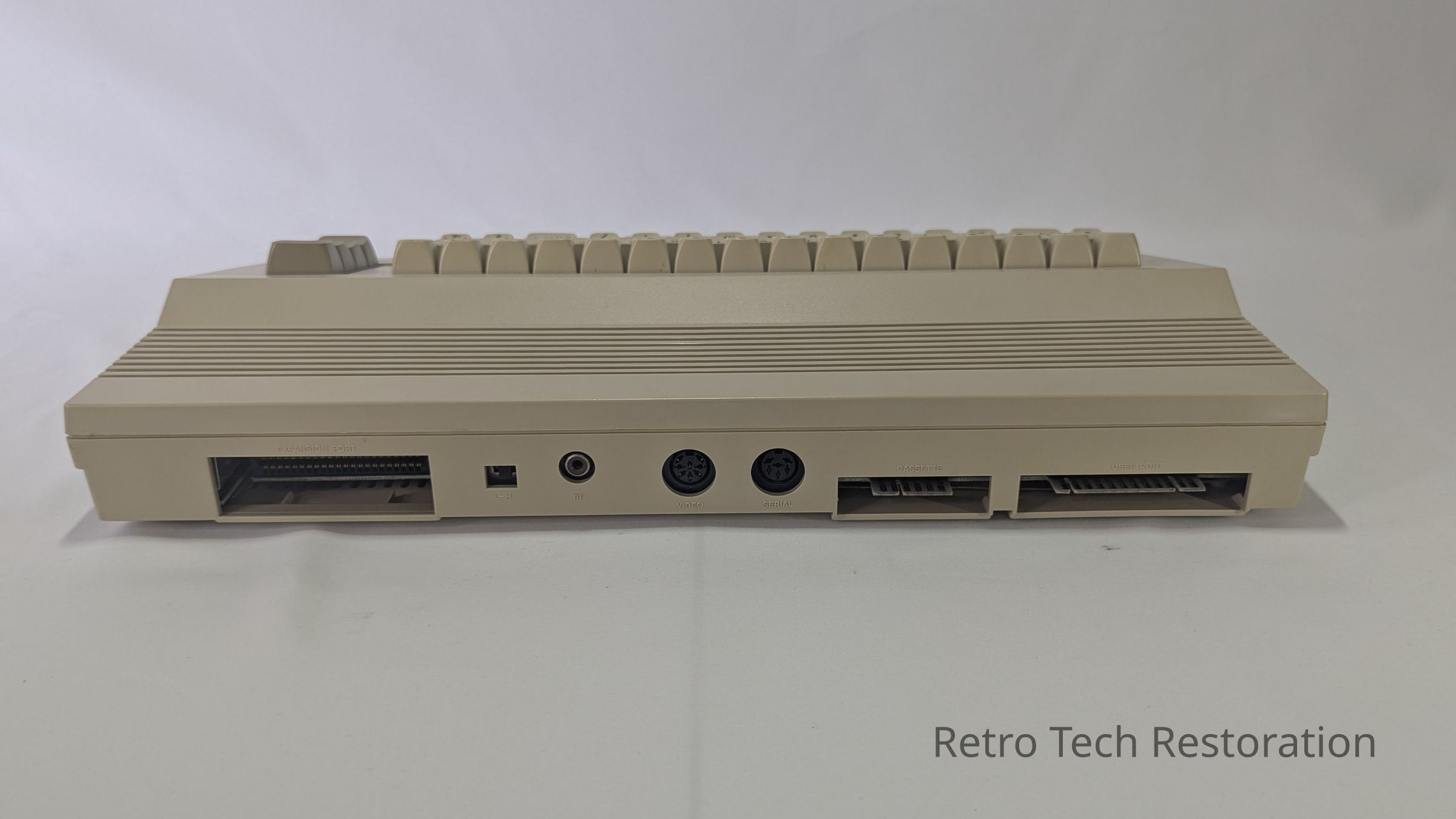
Connectivity 2× CIA 6526 (joystick, GPIO/RS-232/keyboard)
Power (+5V DC & 9V AC)
ROM cartridge
Video/audio (RF/A/V)
Serial IEEE 488 bus (floppy disk/printer)
Digital tape
Predecessor VIC-20, MAX Machine
Successor Commodore 128, AmigaNote Type
Object Specific InformationNote
This item has been tested and is fully functional.