Note Type
General NotesNote
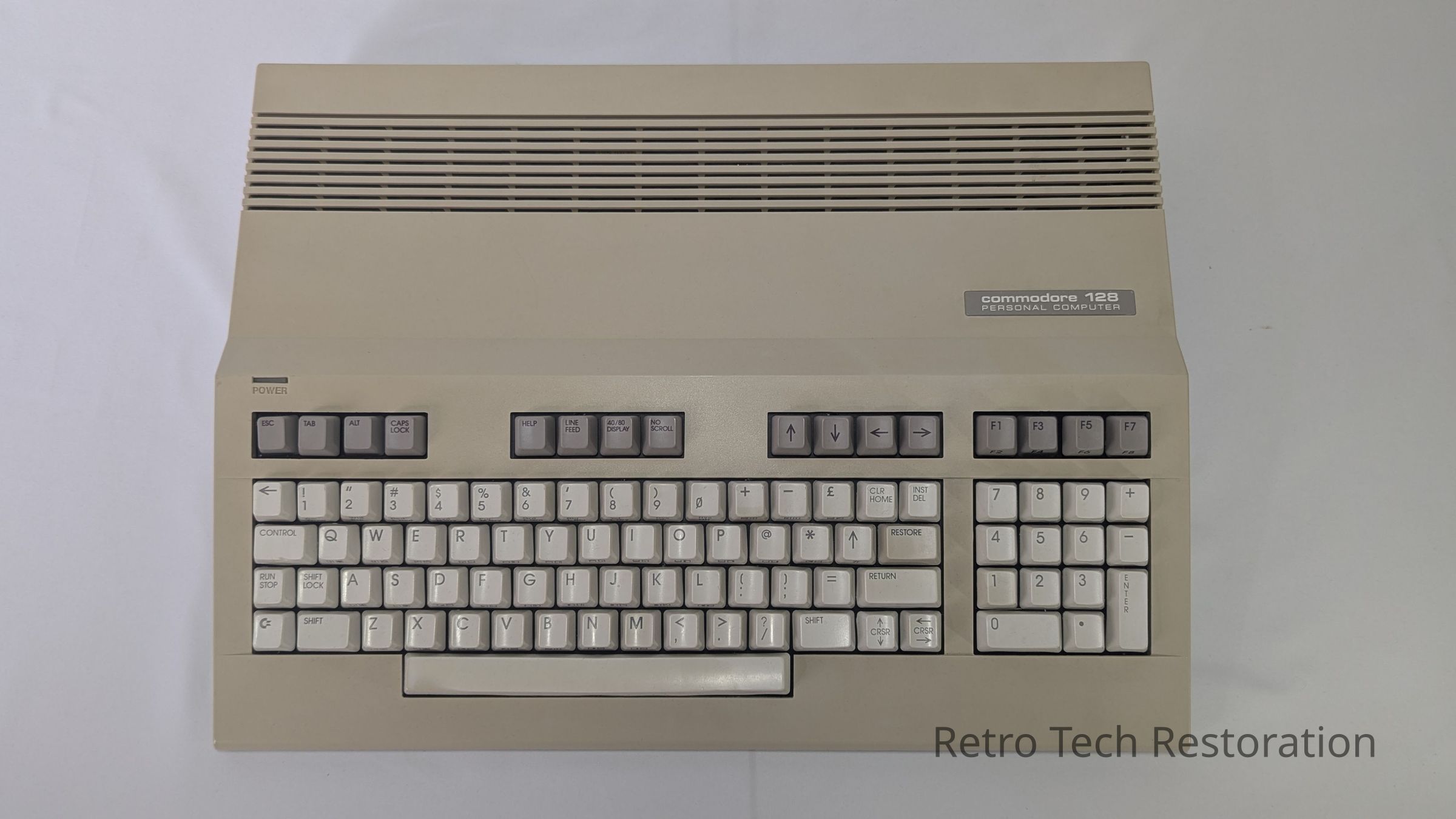
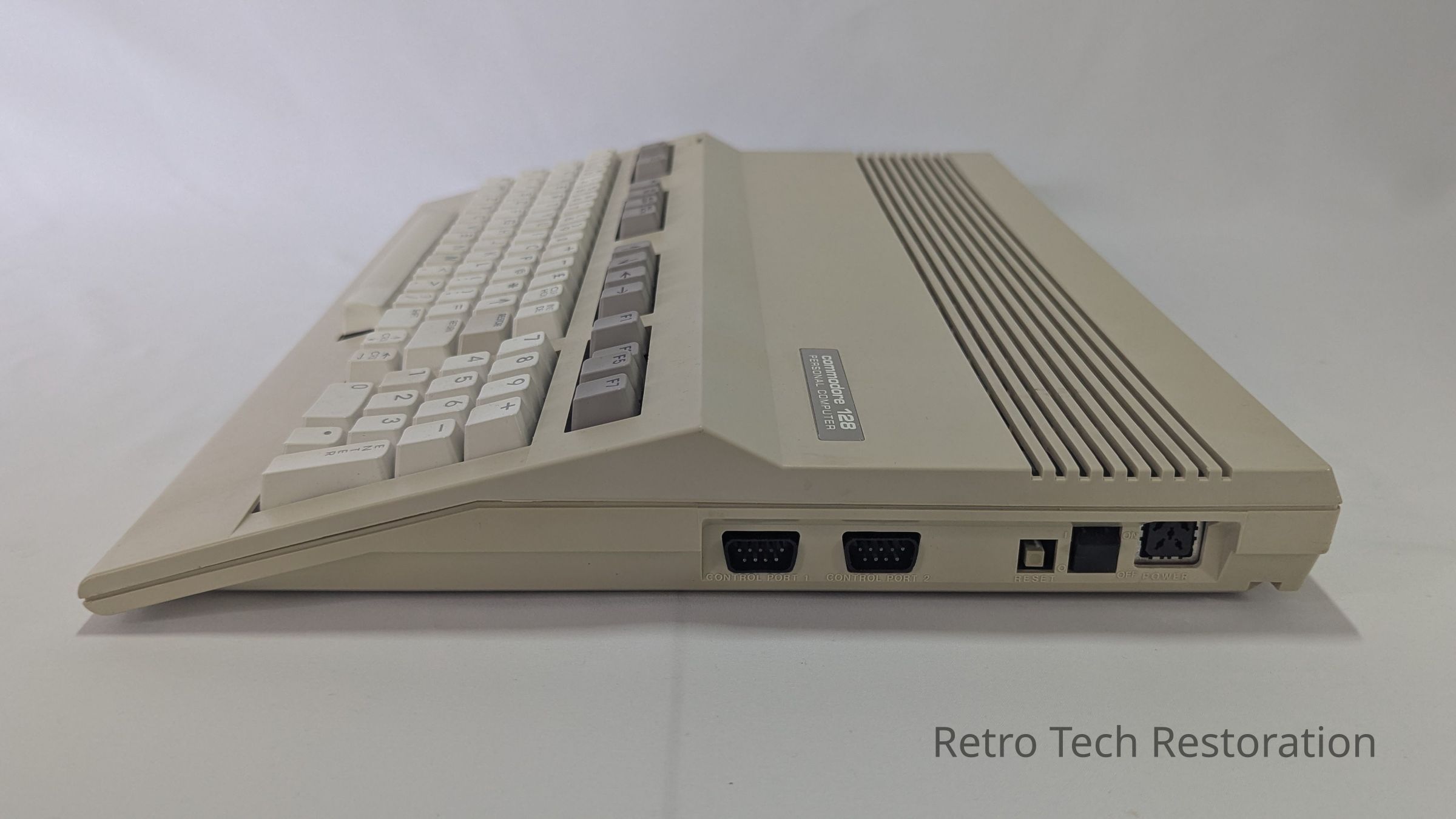
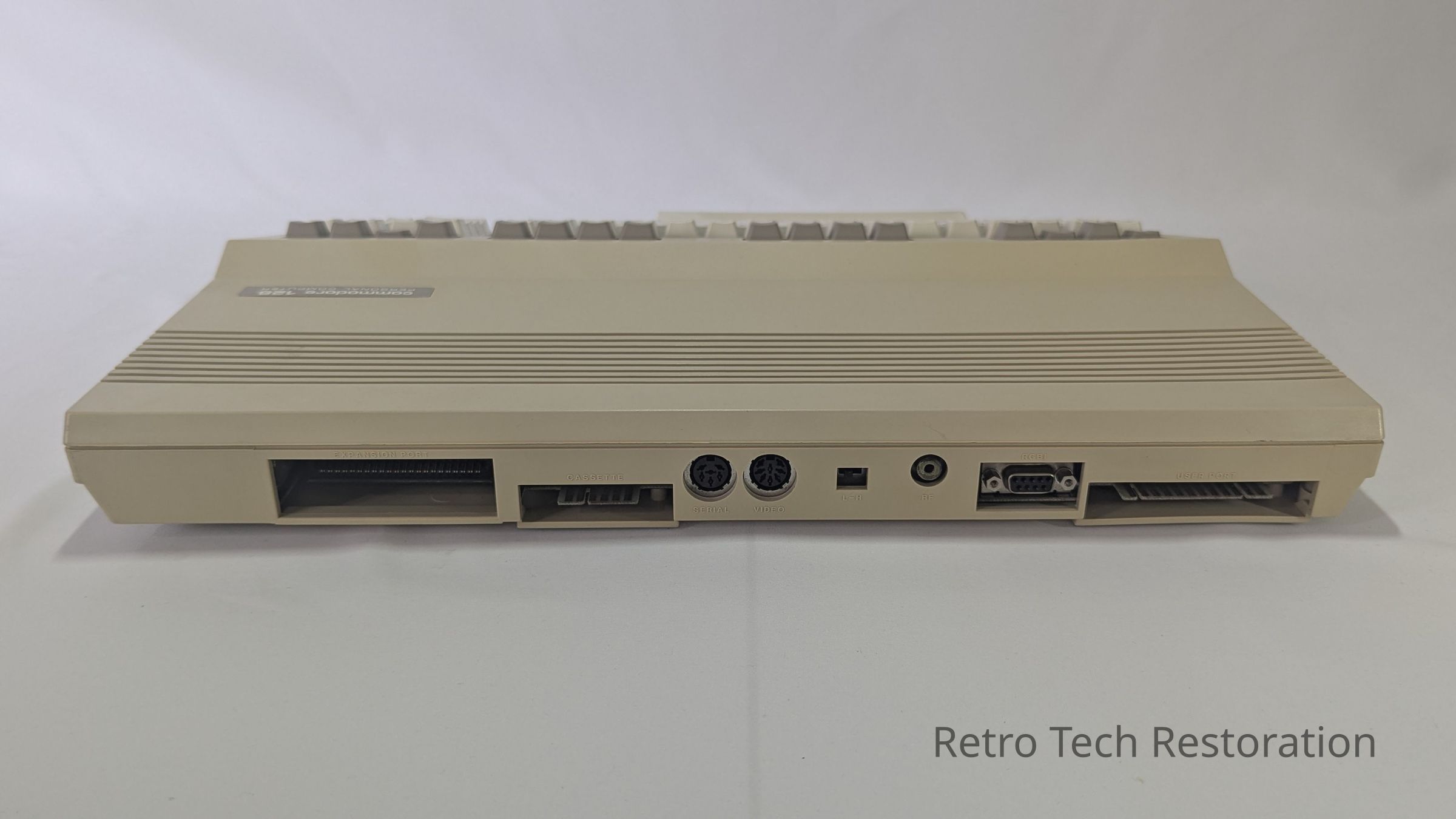
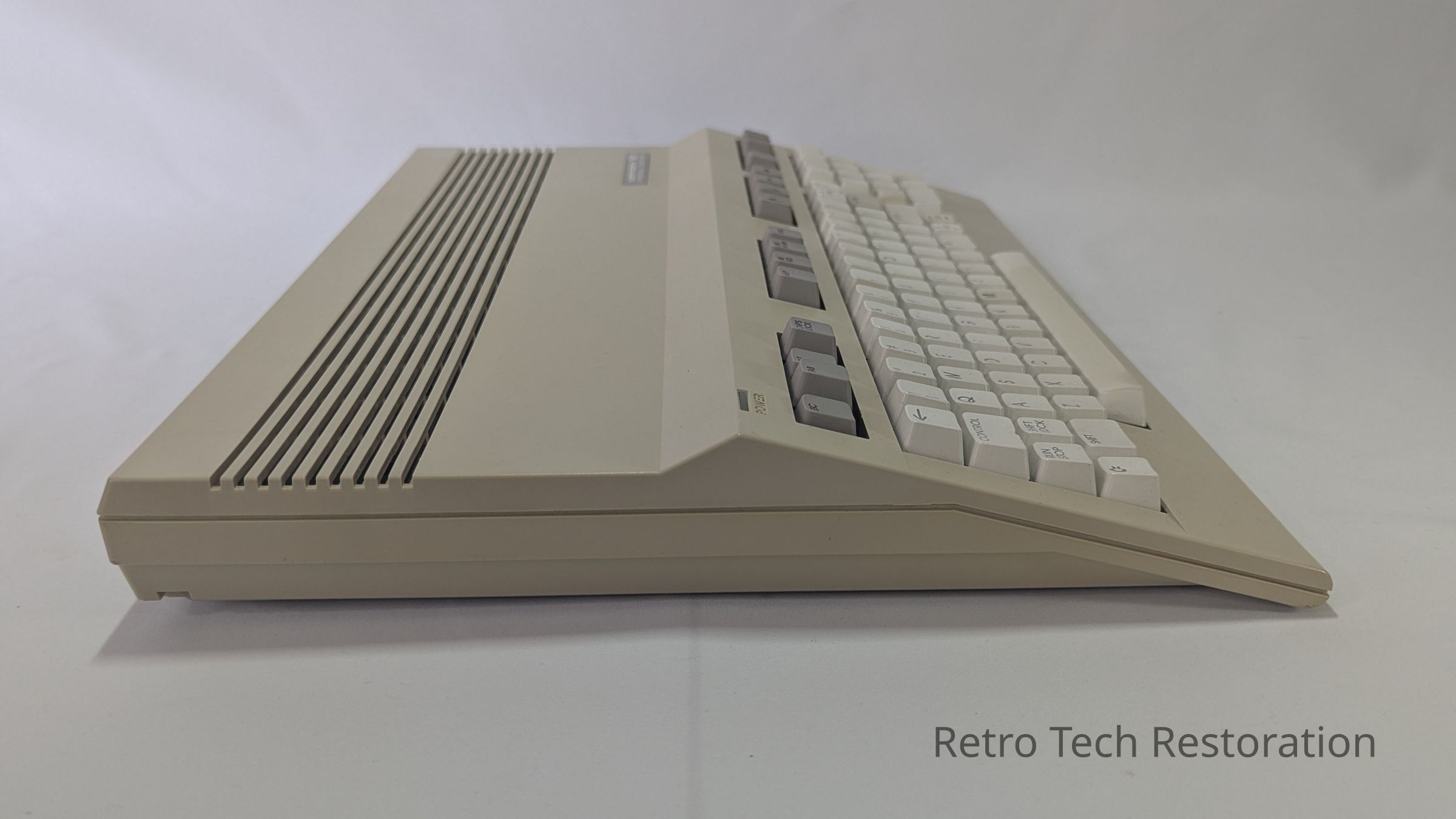
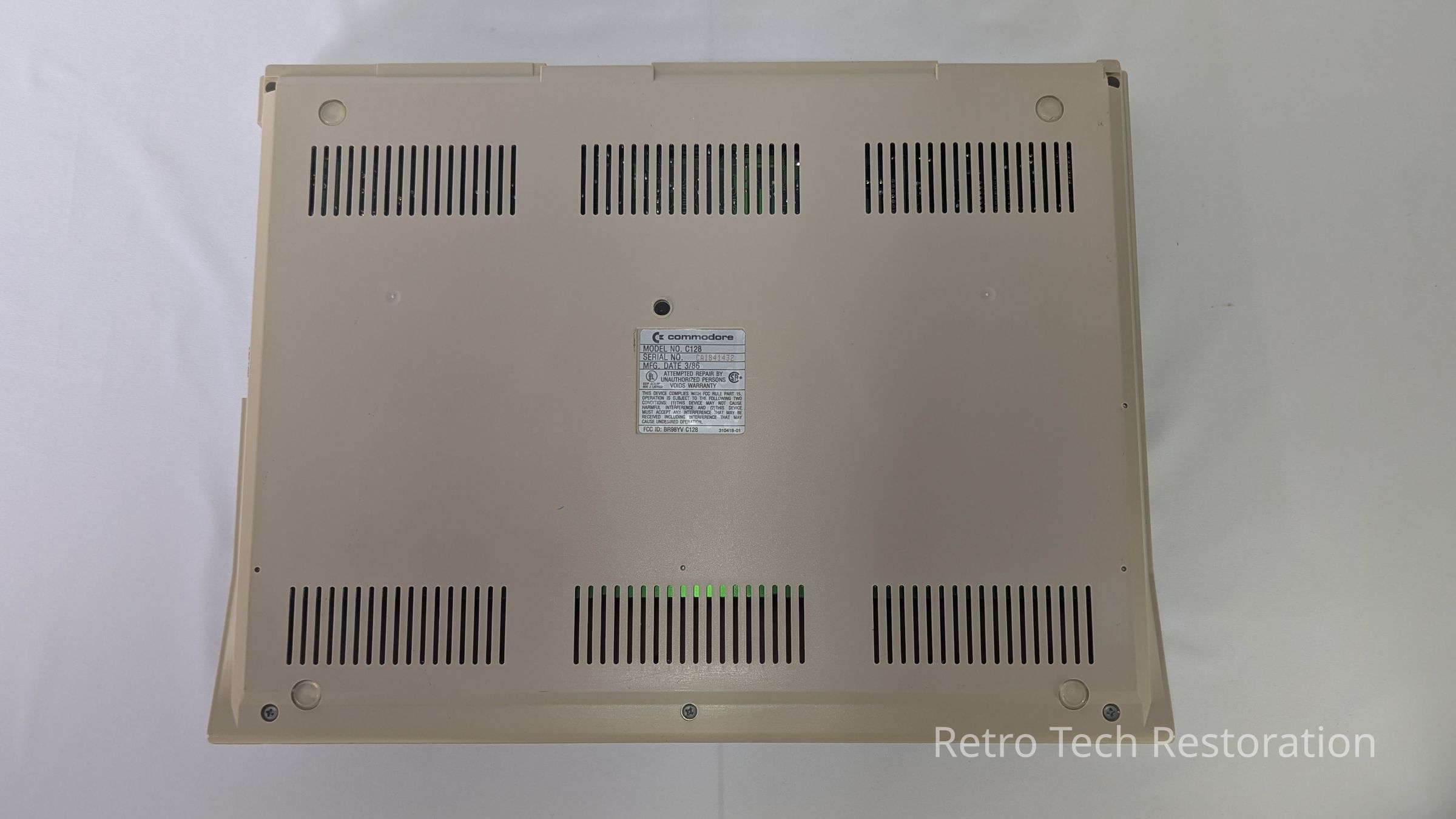
The Commodore 128, also known as the C128, is the last 8-bit home computer that was commercially released by Commodore Business Machines (CBM). Introduced in January 1985 at the CES in Las Vegas, it appeared three years after its predecessor, the Commodore 64, the bestselling computer of the 1980s. Approximately 2.5 million C128s were sold during its four-year production run.
The C128 is a significantly expanded successor to the C64, with nearly full compatibility. It is housed in a redesigned case with an improved keyboard including a numeric keypad and function keys. Memory was enlarged to 128 KB of RAM in two 64 KB banks. A separate graphics chip provided 80-column color video output in addition to the original C64 modes. It also included a Zilog Z80 CPU which allows the C128 to run CP/M, as an alternative to the usual Commodore BASIC environment. The huge CP/M software library, coupled with the C64's software library, gave the C128 one of the broadest ranges of available software among its competitors.
Manufacturer Commodore Business Machines (CBM)
Type Home computer
Release date 1985; 40 years ago
Introductory price US$299 (equivalent to $870 in 2024)[1]
Discontinued 1989; 36 years ago
Units sold 2.5 million worldwide
Operating system Commodore BASIC 7.0
Digital Research CP/M 3.0
GEOS
CPU MOS 8502 @ 1–2 MHz
Zilog Z80A, or Zilog Z80B @ 4 MHz
Memory 128 KB (standard), 640 KB (with 512 KB REU expansion RAM)
Graphics VIC-II E (320×200, 16 colors, sprites, raster interrupt), MOS 8563 (RGBI 640×200 16 colors, blitter)
Sound SID 6581/8580 (3× Osc, 4× Wave, Filter, ADSR, Ring)
Predecessor Commodore 64Note Type
Object Specific InformationNote
This item has been tested and is fully functional.