Note Type
General NotesNote
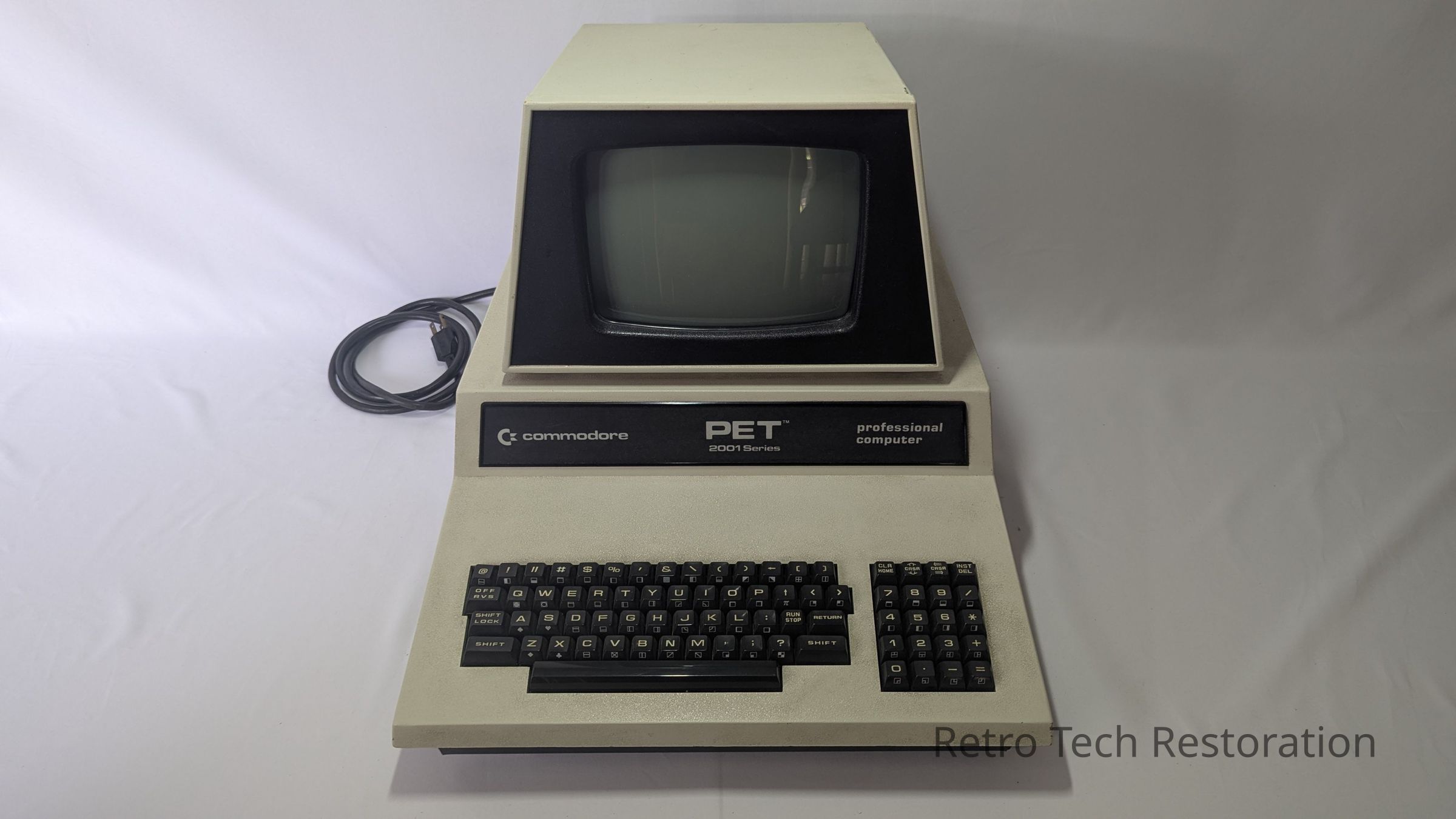
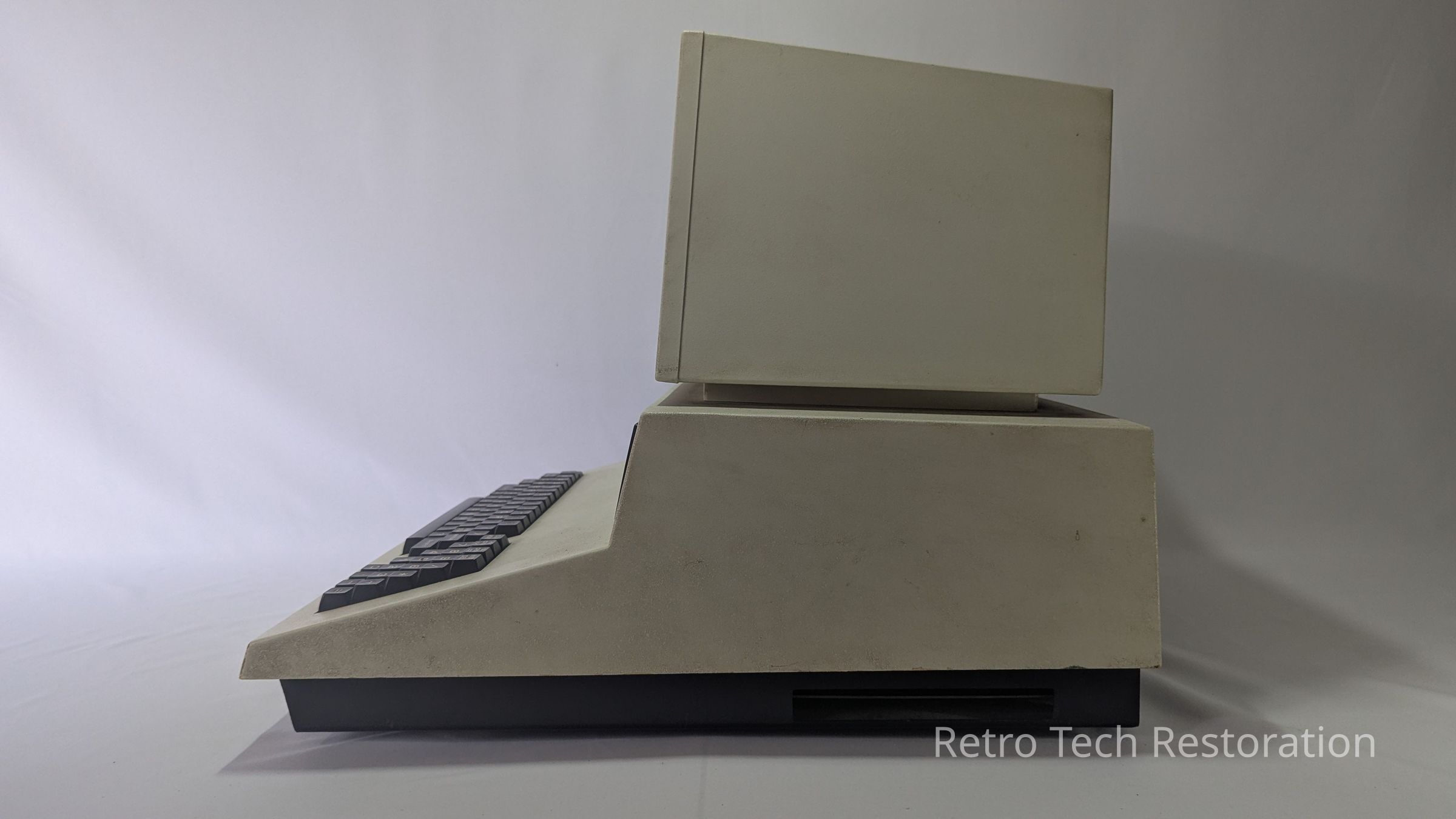
In 1979, Commodore replaced the original PET 2001 with an improved model known as the 2001-N (the N was short for "New"). The new machine used a standard green-phosphor monitor in place of the white in the original 2001.
It now had a conventional, full-sized keyboard and no longer sported the built-in cassette recorder. The kernel ROM was upgraded to add support for Commodore's newly introduced disk drive line.
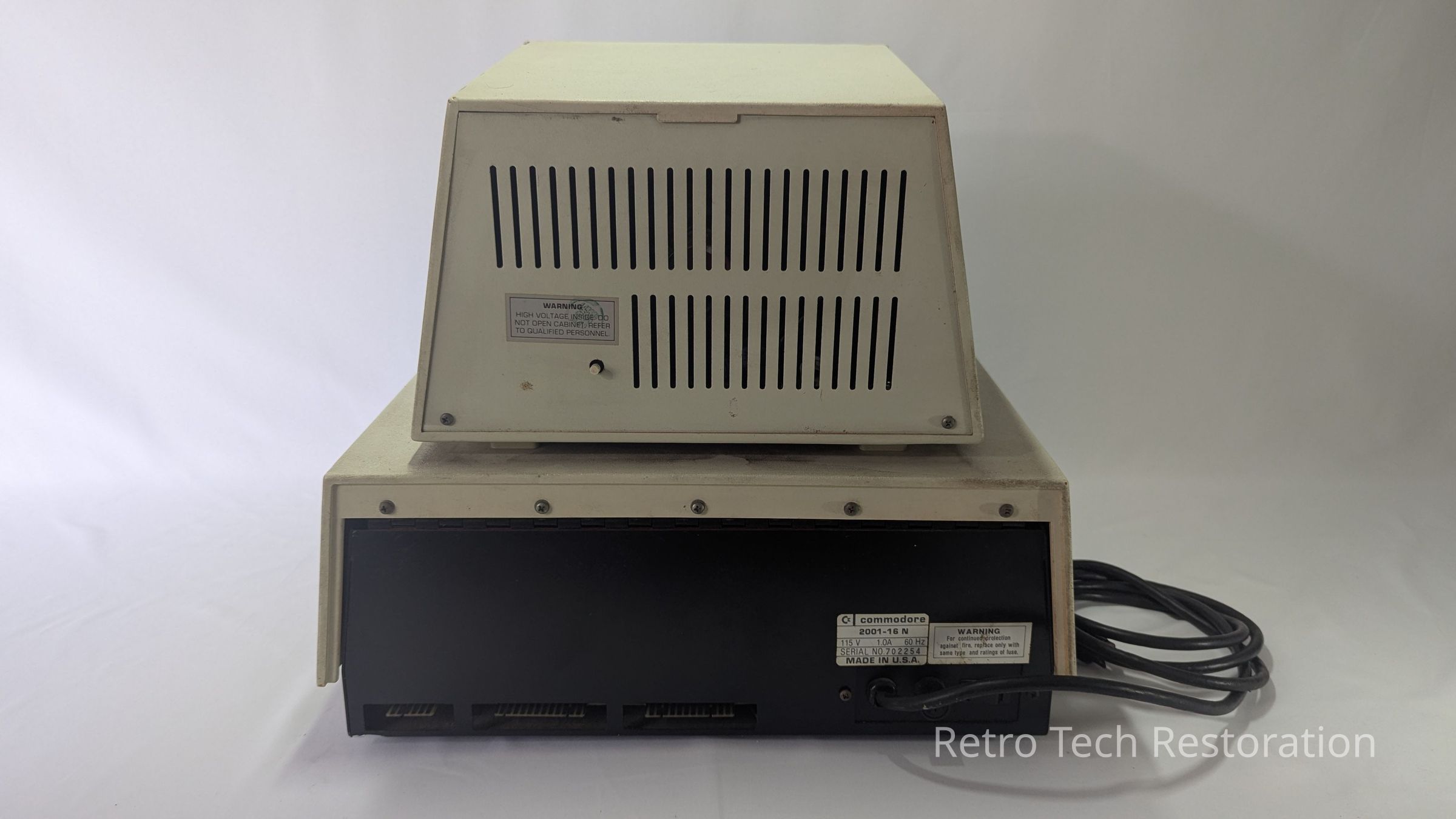
It was offered in 8 KB, 16 KB, or 32 KB models as the 2001-N8, 2001-N16, and 2001-N32 (the 8 KB models were dropped soon after introduction). The 2001-N switched to using conventional DRAM instead of the 6550 (1kx4) SRAM in the original model. PET 2001-8Ns had eight 2108 (8kx1) DRAMs and 2001-16Ns used sixteen 2108s. The PET 4016 used eight 4116 (16kx1) chips. All 32K PETs used sixteen 4116 chips. Finally, Commodore added a machine-language monitor to the kernel ROM that could be accessed by jumping to any memory location with a BRK instruction. It did not include a built-in assembler and required the user to enter hexadecimal numbers for coding.
Commodore contacted Microsoft to upgrade BASIC for the new machines; this resulted in the soon-to-be-familiar BASIC 2.0 which removed the 256 element array limitation and had a rearranged zero page.Note Type
Object Specific InformationNote
This machine has a functional video display, keyboard and power supply, but the motherboard does not properly load the kernel and edit ROMs. This motherboard likely has internal damage and cannot be repaired.