Label Type
Cultural/Historical ContextLabel
Solomon Hopkins (1757-1843)
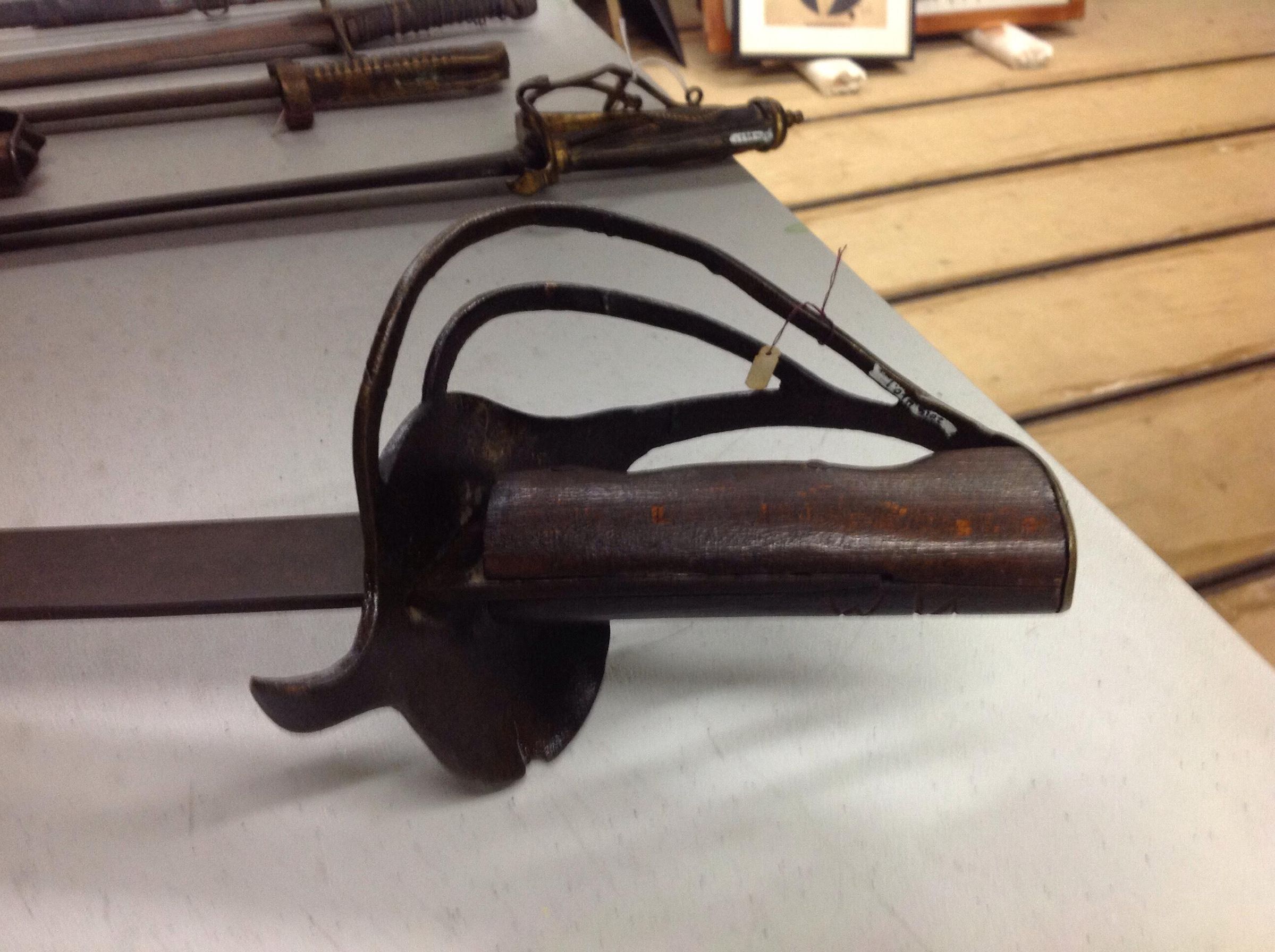
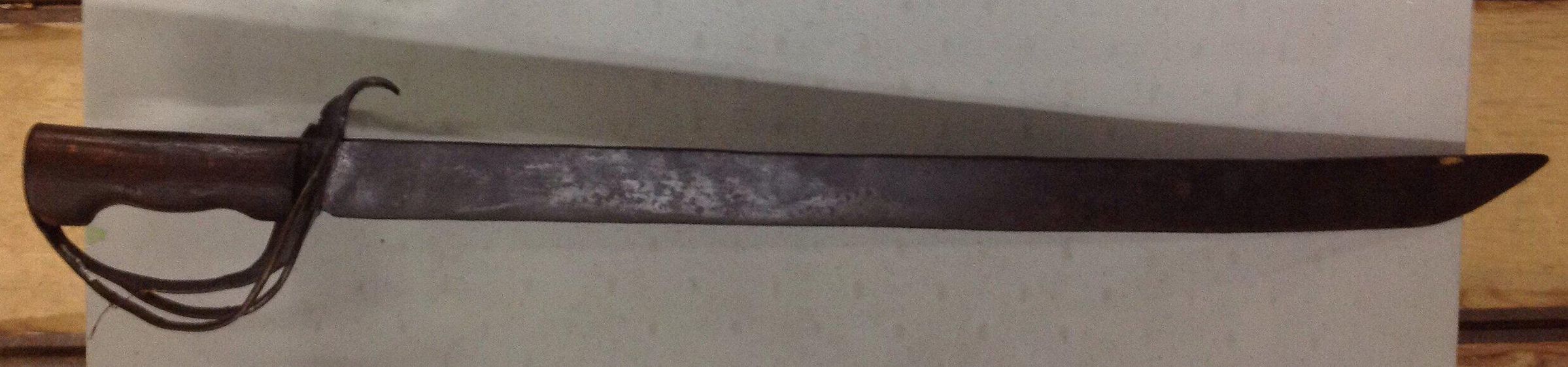
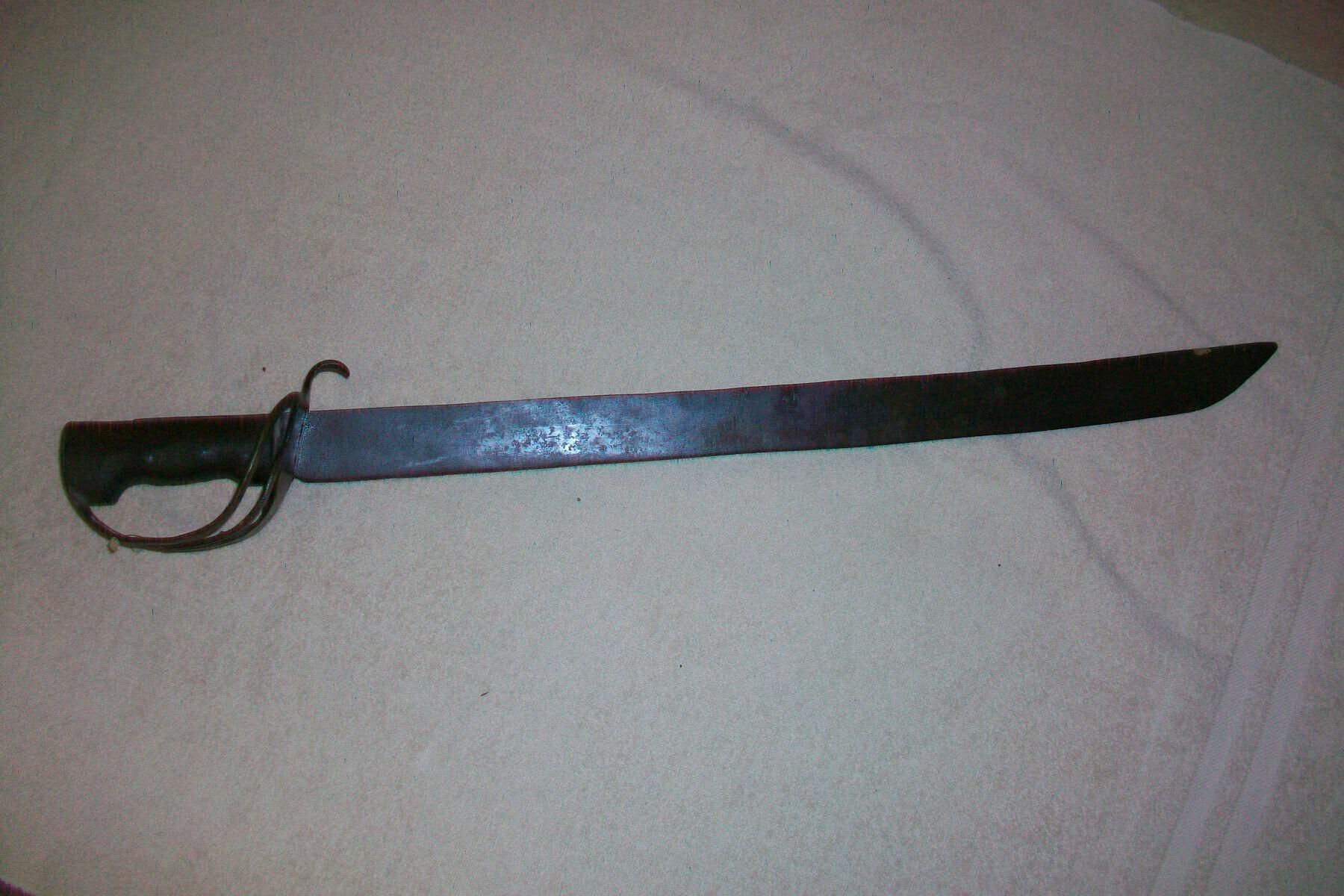
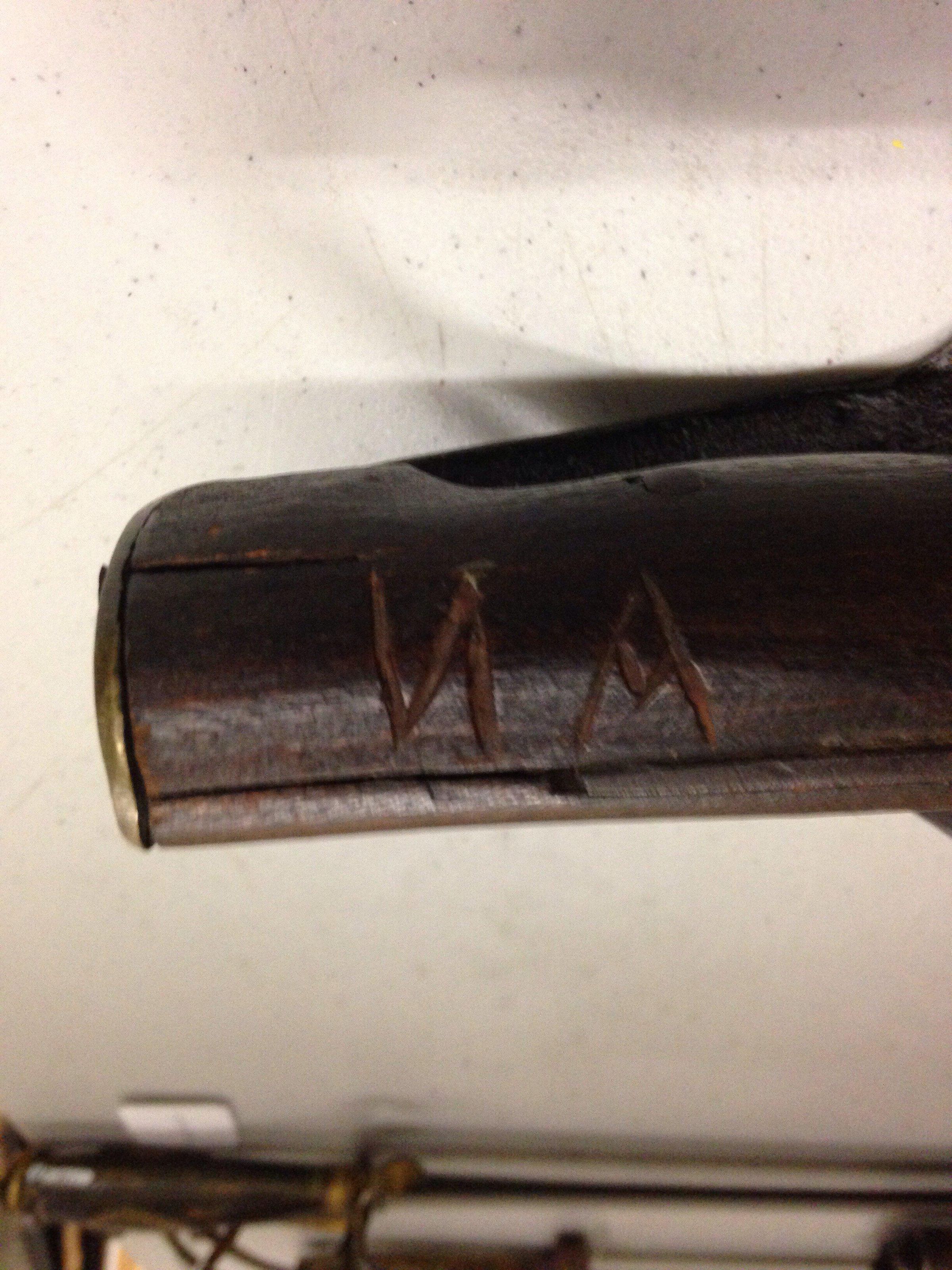
Solomon Hopkins of Saco served aboard the Continental ship-sloop Ranger from July 1778 until May 1780. He joined the ship’s crew in Brest, France, then under the leadership of the ship’s second commander, Captain Thomas Simpson. Hopkins served as quartermaster, responsible for supervising the physical navigation and steering of the ship. Under Captain Simpson’s leadership, the Ranger concentrated on disrupting British supply lines. In the summer of 1779, the Ranger, along with two other vessels, intercepted a massive British fleet off the Grand Banks. They captured eleven heavily laden merchant ships, making it one of the most financially successful naval operations of the war. In late 1779, the ship was ordered to Charleston to bolster the city’s defenses against an impending British invasion. When Charleston fell to the British fleet in May 1780, the Ranger and its crew were captured. Hopkins managed to escape and made his way first to North Carolina, and eventually home to Maine. After the war, Hopkins sailed as master of many merchant vessels owned by Saco residents, including those belonging to Thomas Cutts.