Label Type
Object LabelLabel
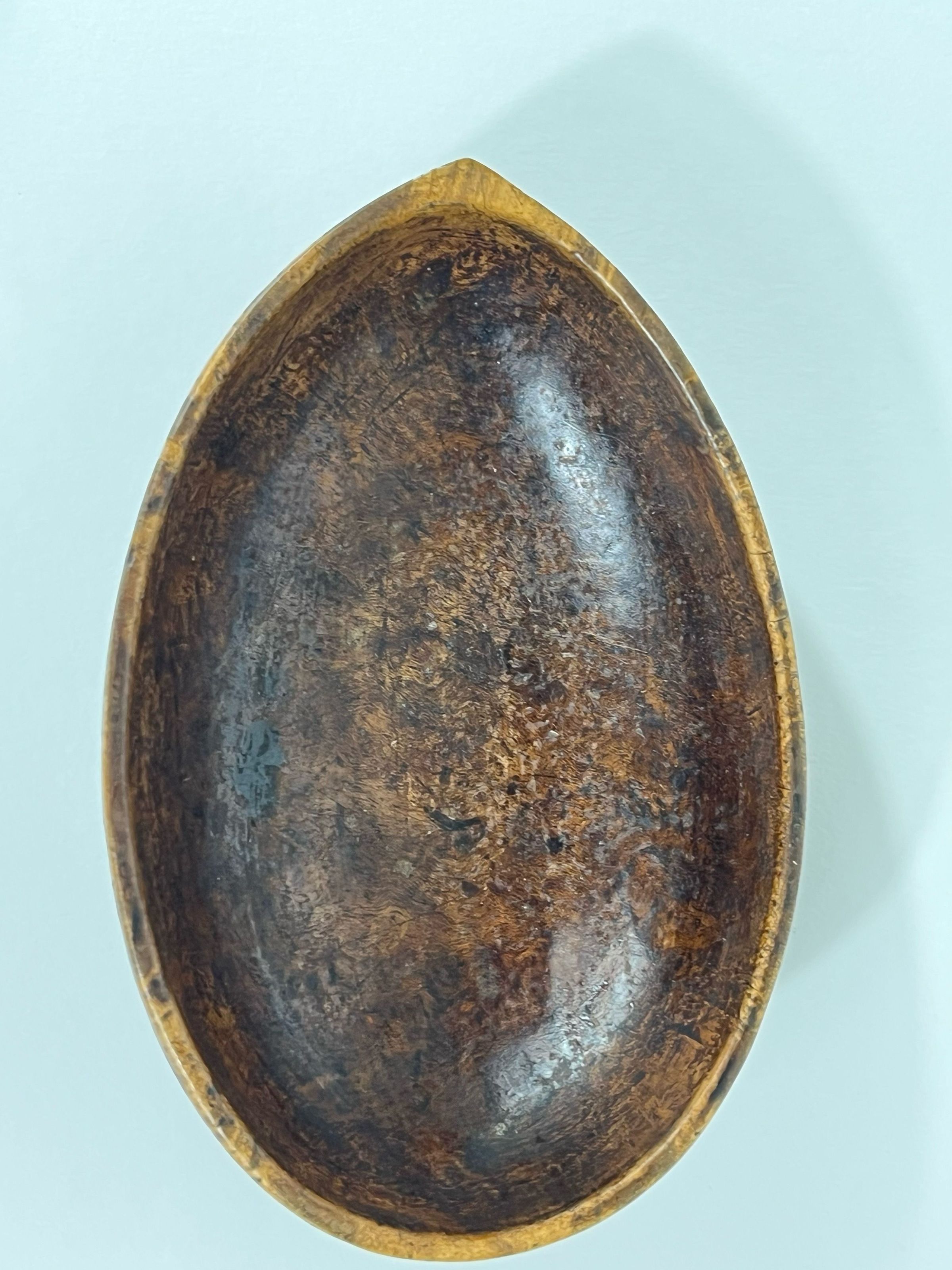
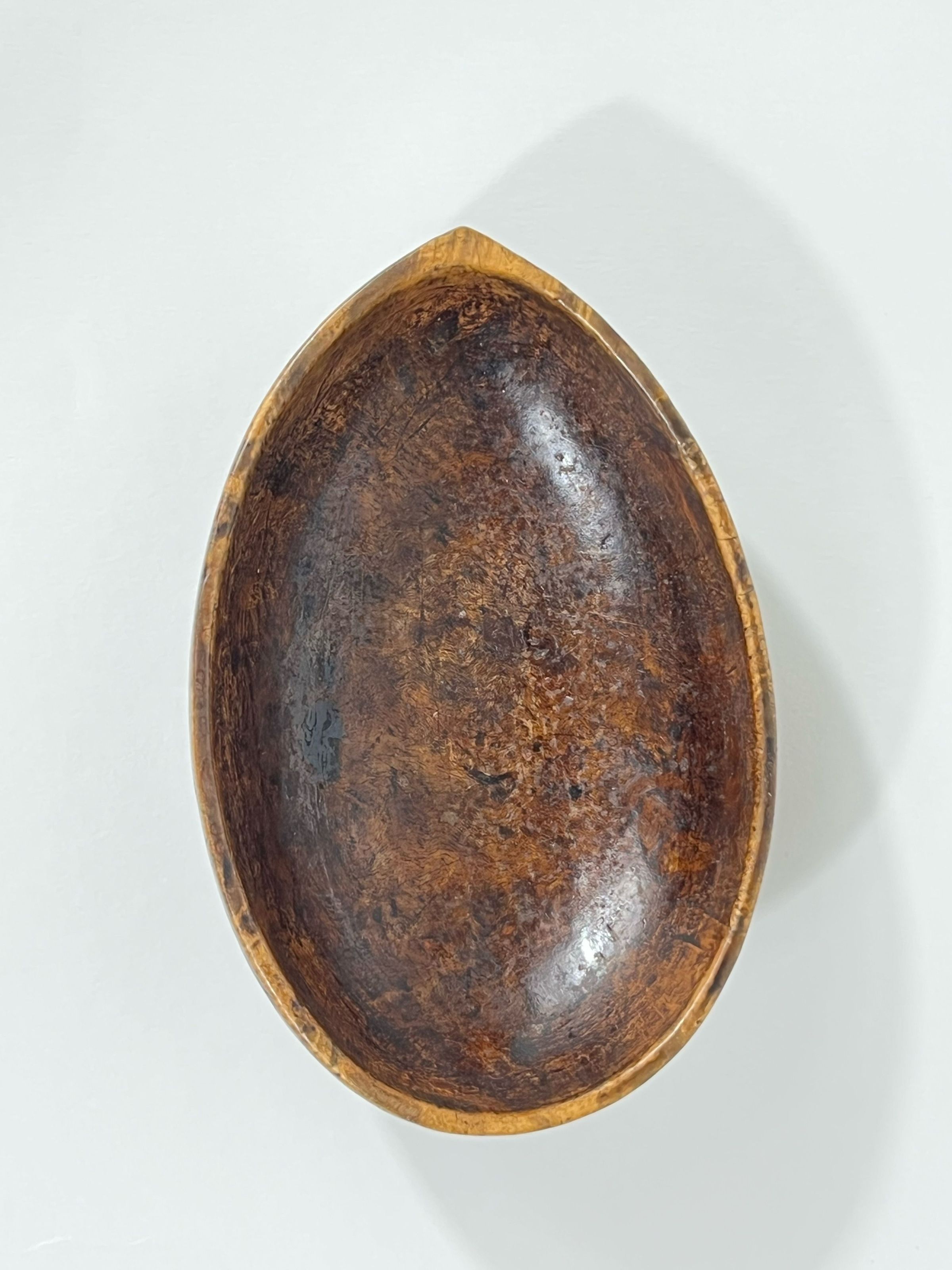
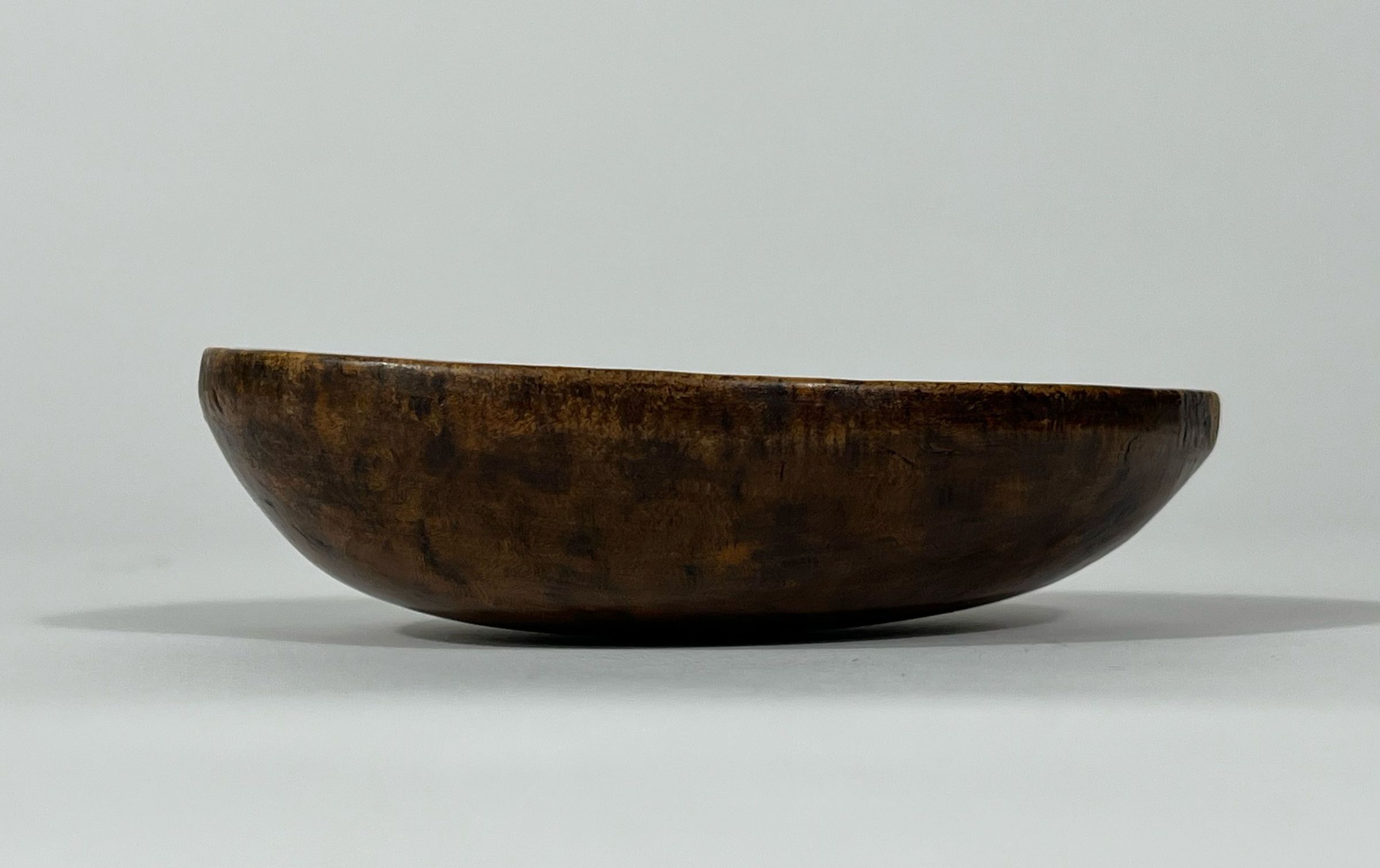
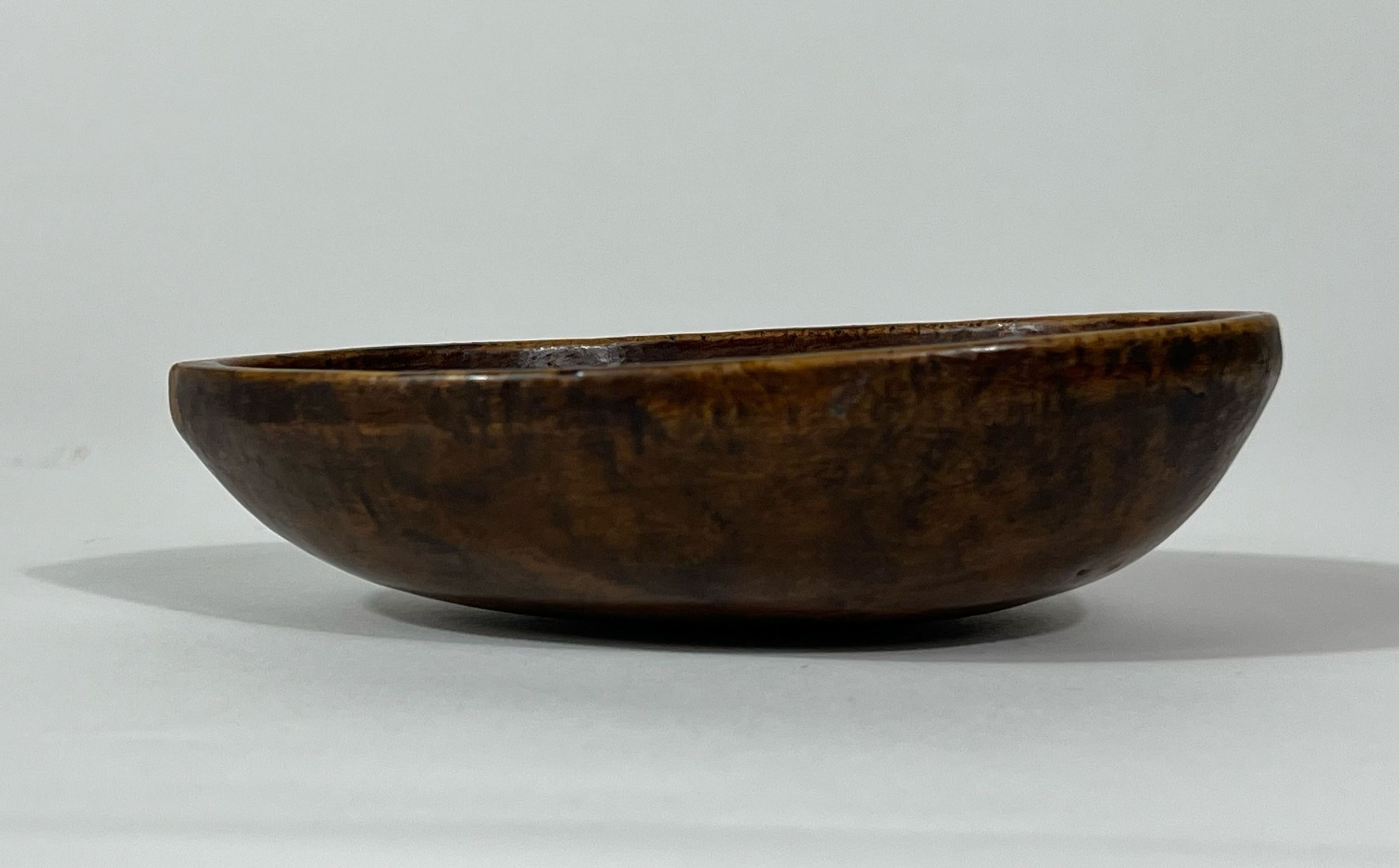
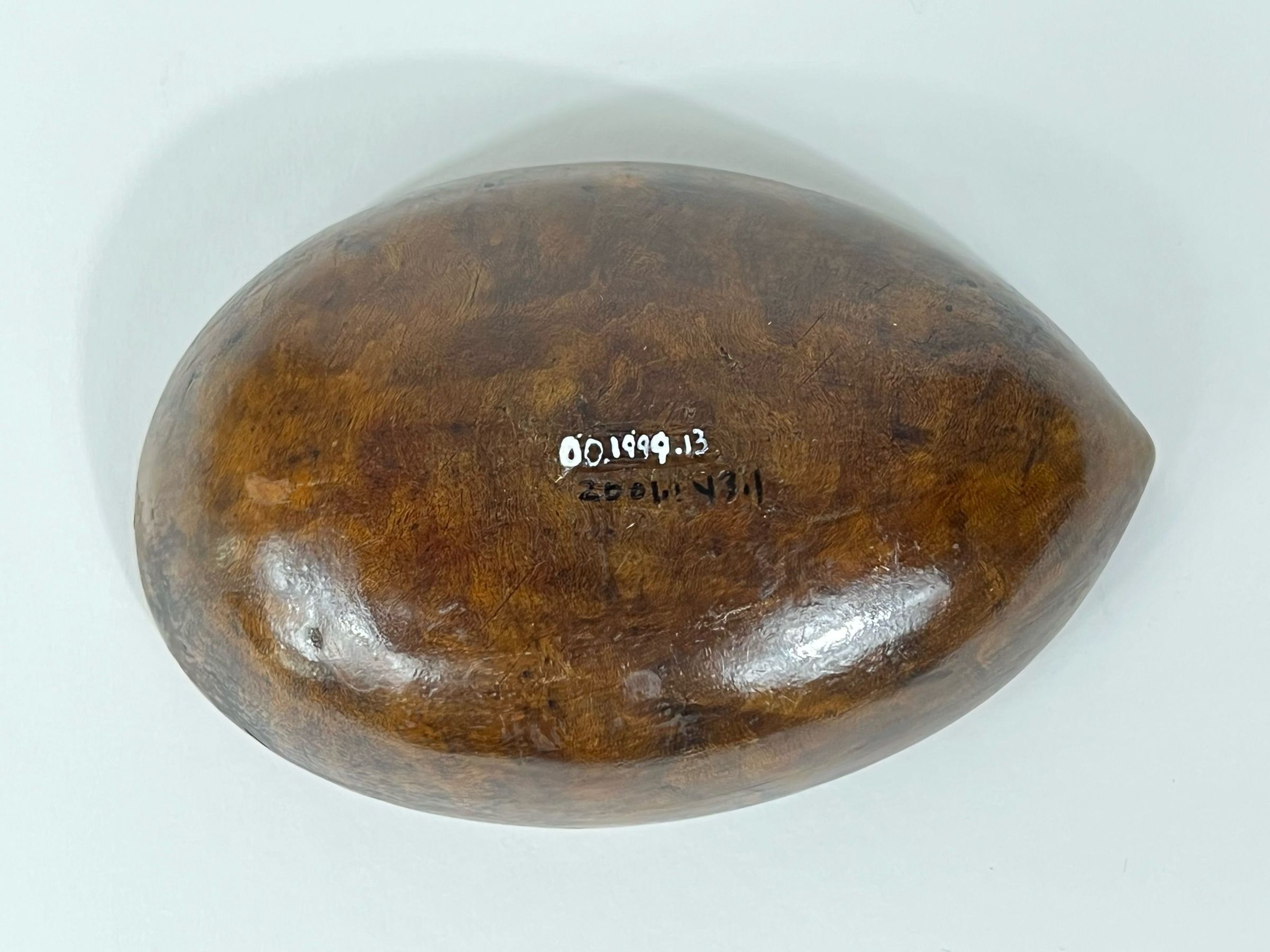
This Penobscot carved wooden dram cup was given by Chief Orono to Captain John Lane III in thanks for his role in the 1775 treaty with Massachusetts.Label Type
Cultural/Historical ContextLabel
The 1775 Treaty of Friendship with the Penobscot
In the spring of 1775, Captain John Lane III (1734-1822) was appointed as Commissioner to the Penobscots with instructions to secure their friendship or neutrality. Traveling deep into the Maine wilderness, Lane negotiated with Chief Orono and tribal leaders, successfully countering British influence from Canada. His mission culminated in a historic journey to Cambridge, where he accompanied a delegation of Penobscot leaders to meet with colonial officials. The resulting alliance was crucial in helping secure the eastern frontier for the Americans. The Penobscot, along with other Wabanaki tribes, made important contributions to the American war effort in the Northeast. Warriors served as scouts and navigators, helping to secure the boundary area between Maine and British Nova Scotia. They also participated in the defense of Machias in 1777 and relayed intelligence about British movements throughout the conflict.
The Penobscot had agreed to the alliance in exchange for promises that their lands, natural resources, and traditional ways of life would be protected by the new government. Despite their service, many of the land protection promises made by the agreement of 1775 and later treaties were never fully ratified or were later ignored. The Wabanaki grievances over unratified and coerced land transfers were not addressed until 1980, when the Maine Indian Claims Settlement Act was signed by President Jimmy Carter. Initially seen as a victory, the law still allows the state of Maine significant legal and regulatory authority of tribal lands. Today the issue remains unresolved, with many Wabanaki leaders continuing to lobby the Maine Legislature and Congress to restore their full tribal sovereignty.