Label Type
Cultural/Historical ContextLabel
Captain Daniel Lane (1740-1811)
Daniel Lane was one of the Lane family of Buxton. He primarily served in the 6th Massachusetts Regiment under Colonel Alden. Lane was promoted several times during the early years of the war, finally being commissioned as Captain on New Year’s Day 1777. He led the 5th Company, which was largely composed of men from Buxton, Falmouth, and neighboring towns. Lane’s regiment fought in several major campaigns in New York, including the Battle of Saratoga and the Sullivan Campaign. On July 21, 1777, during the campaign against General Burgoyne in New York, Lane was captured by the British. He regained his freedom several weeks later after Burgoyne’s surrender at Saratoga on October 17. The following year, his regiment was involved in the defense of Cherry Valley against the Iroquois. His commander, Colonel Alden, was killed in November 1778 during a notorious raid. During the summer and fall of 1779, Lane’s regiment was part of the Sullivan Expedition–a massive military offensive aimed at breaking the power of the Iroquois Confederacy (Haudenosaunee). Lane resigned his commission on October 18, 1779, at the end of the Sullivan Campaign.
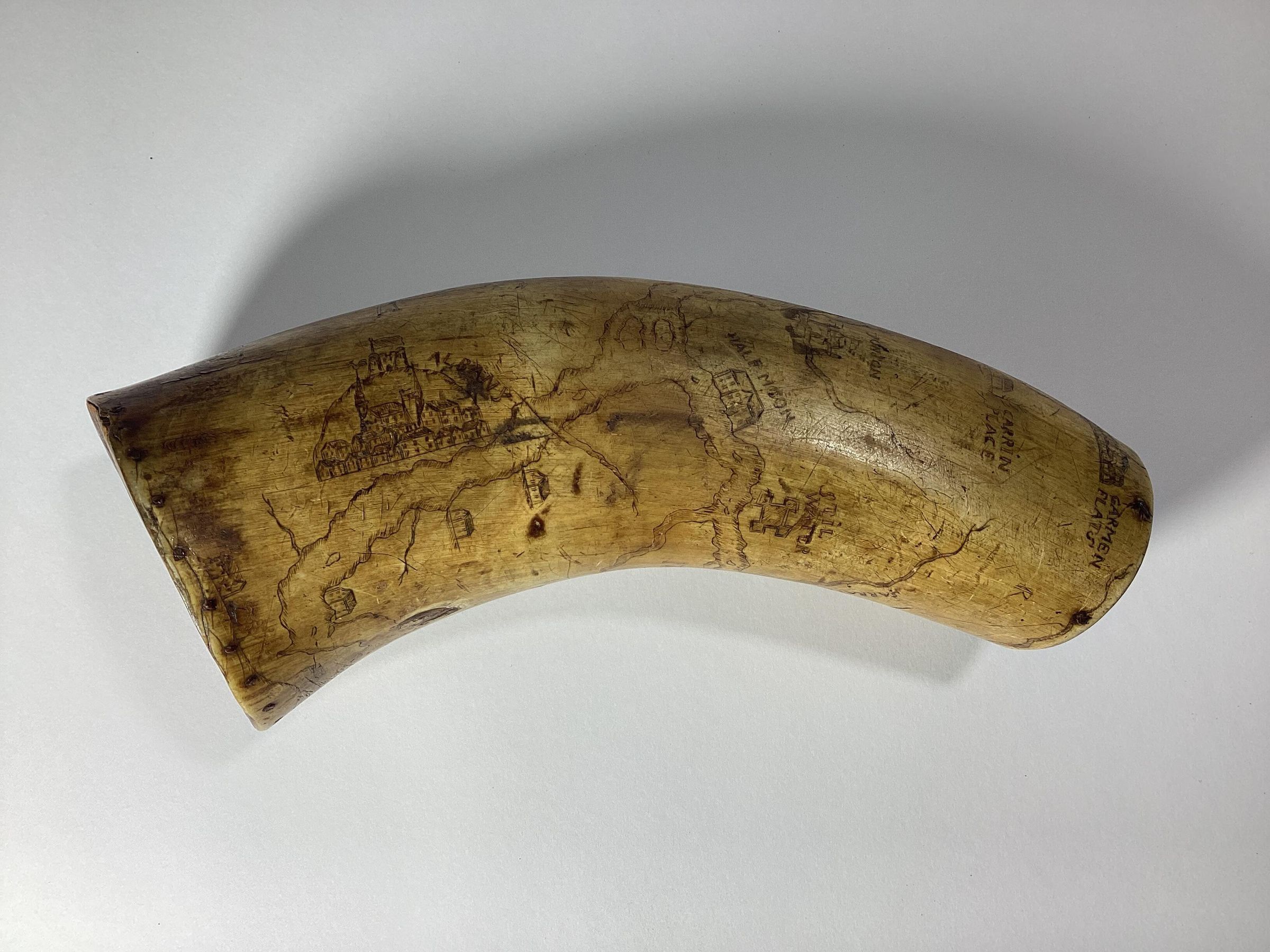
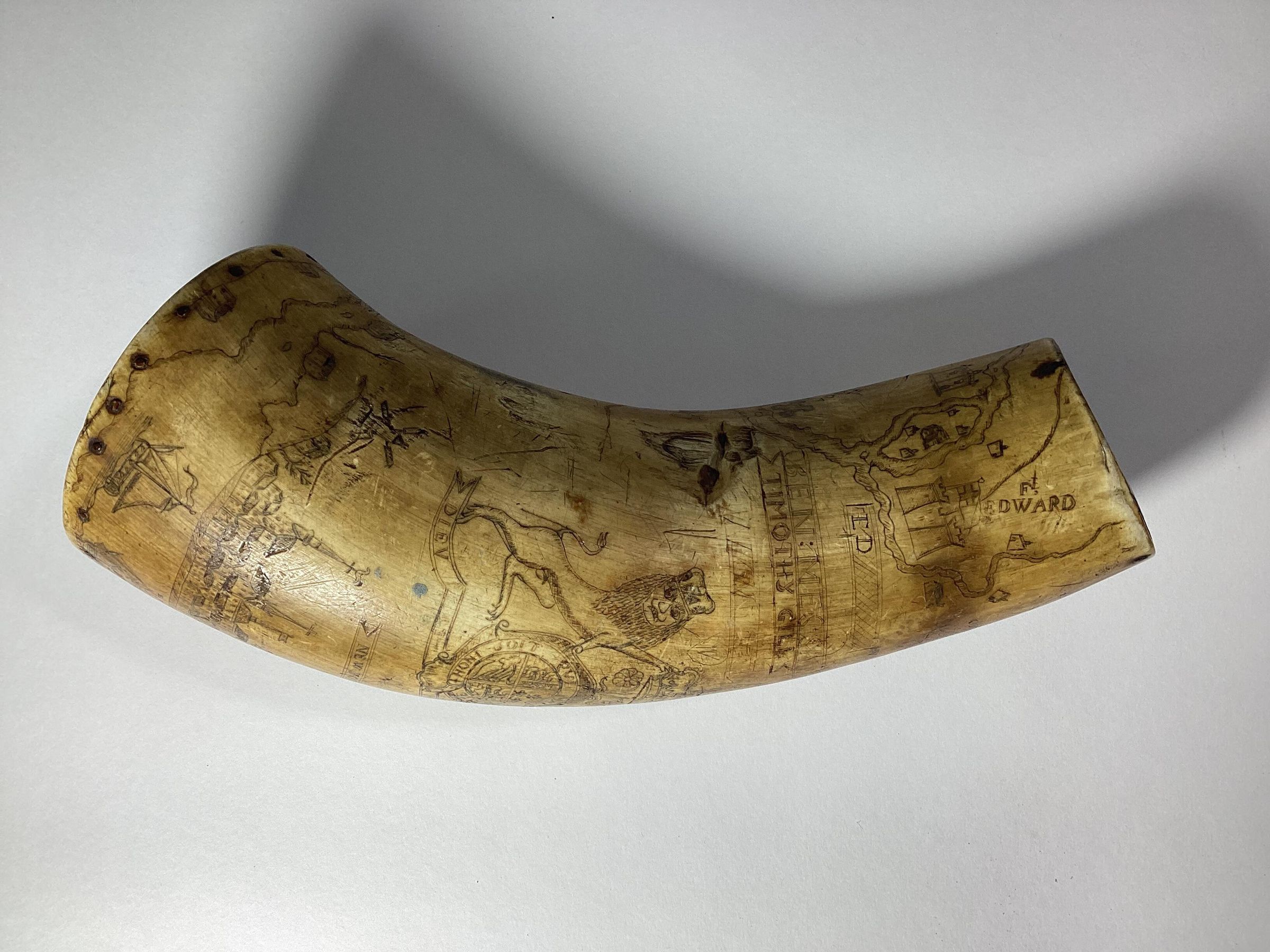
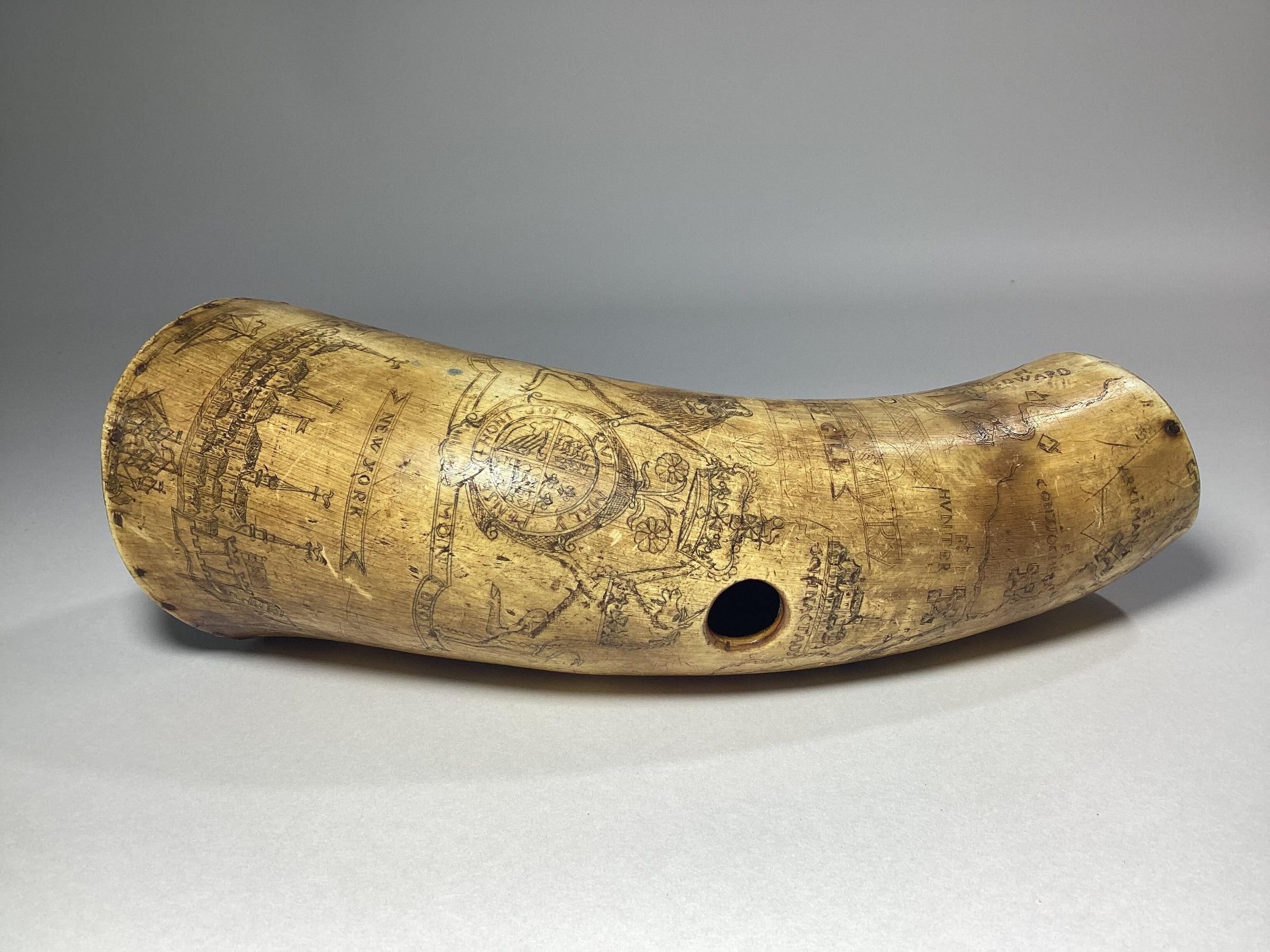
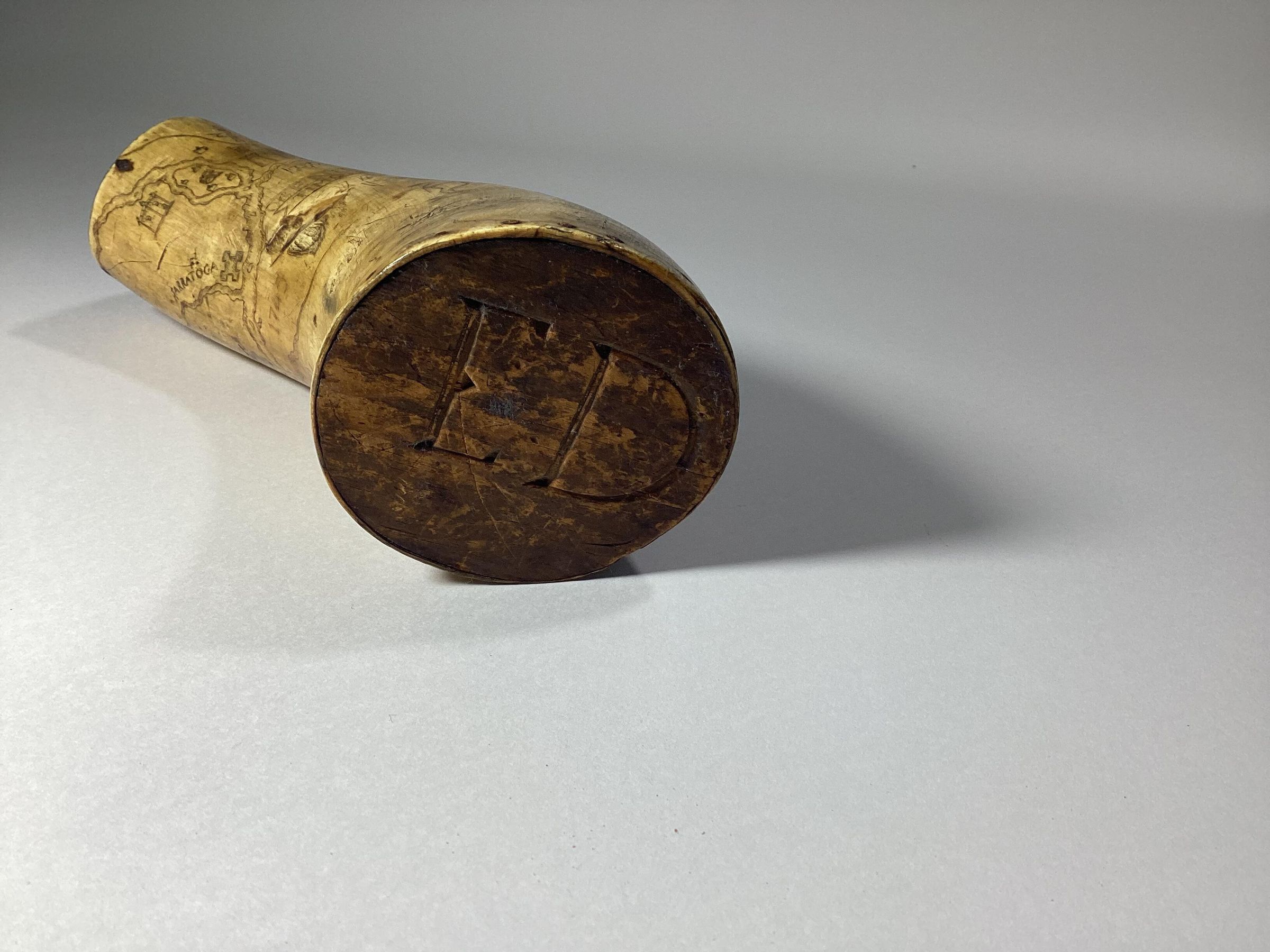
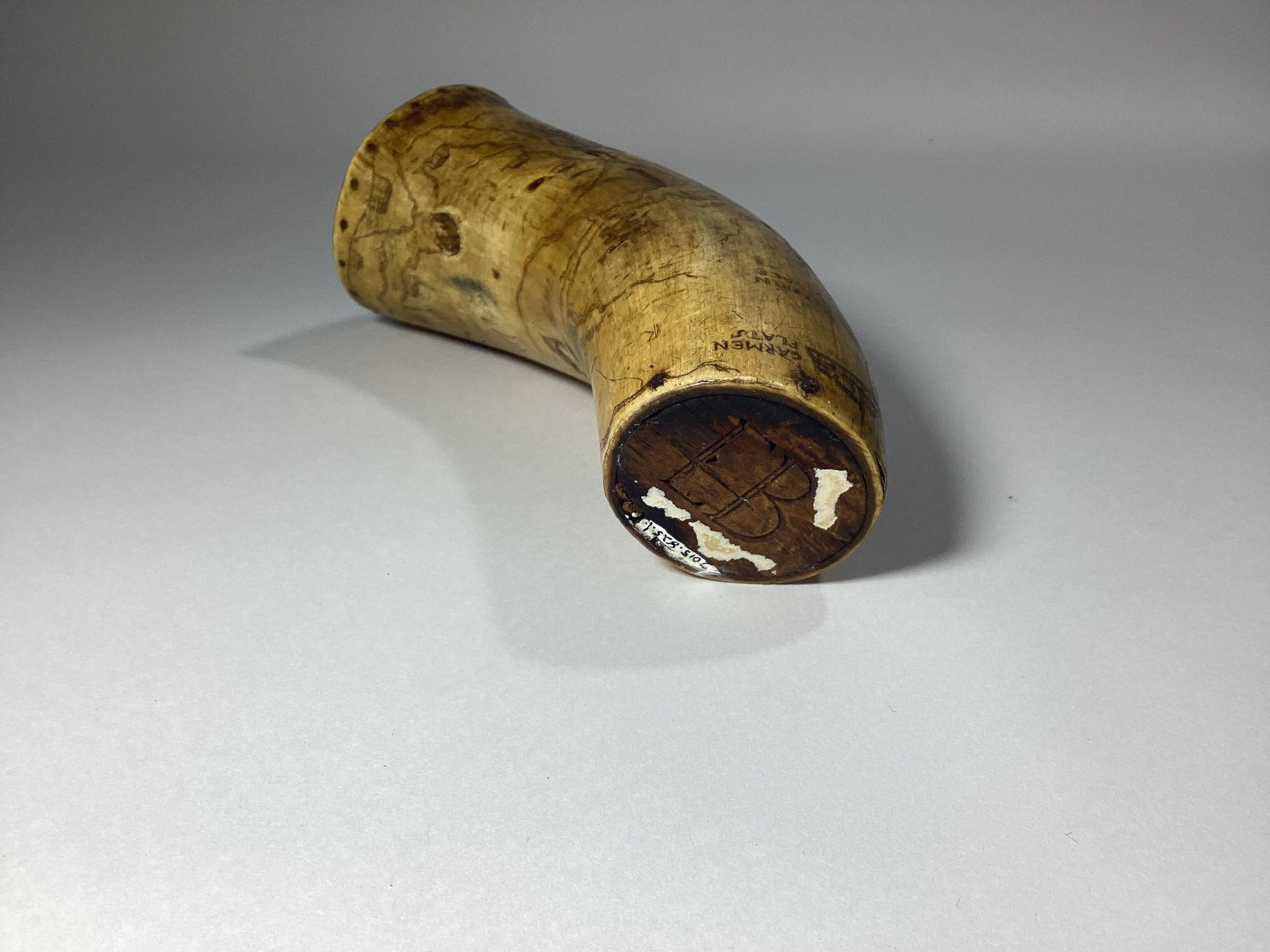
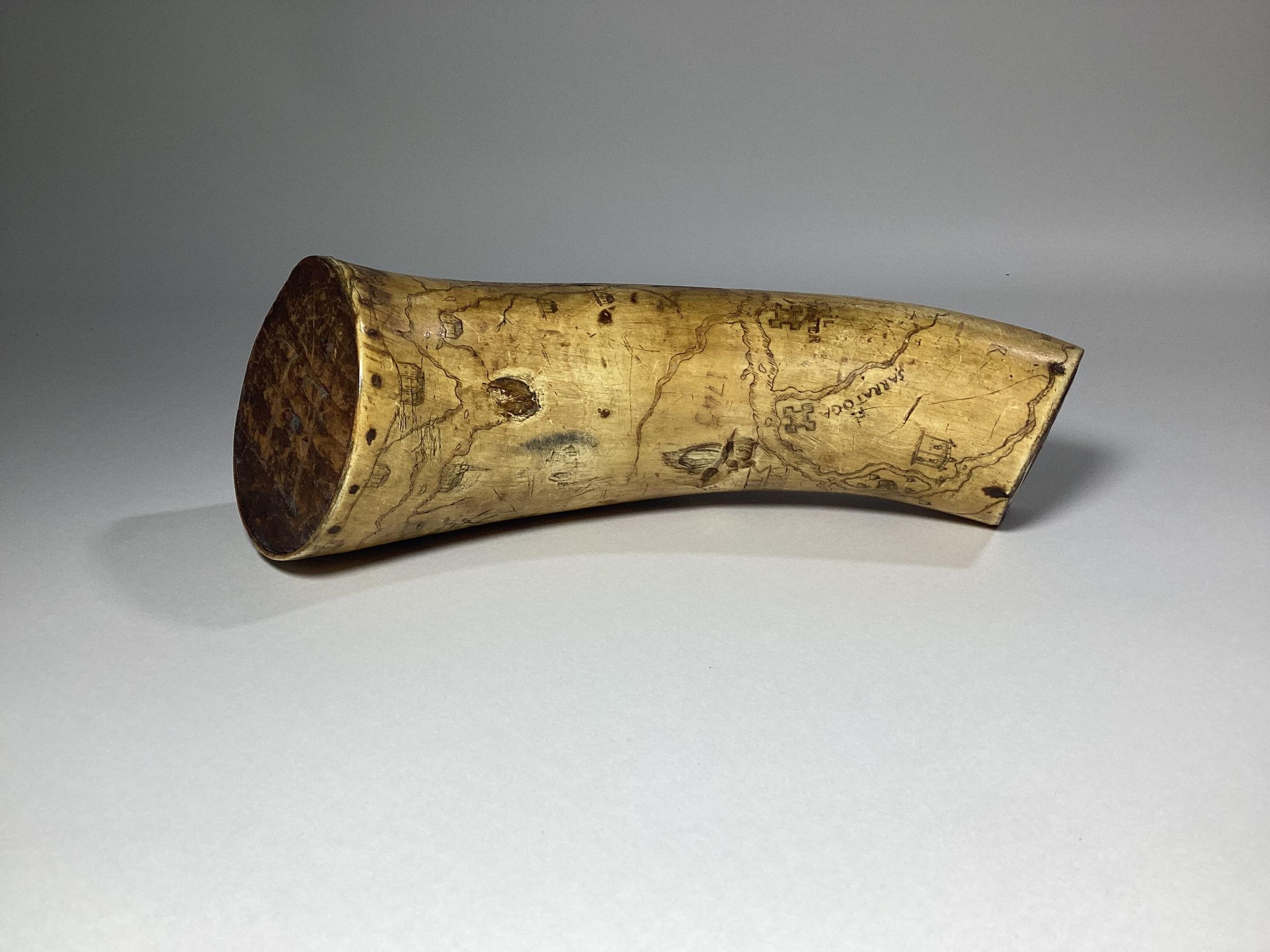
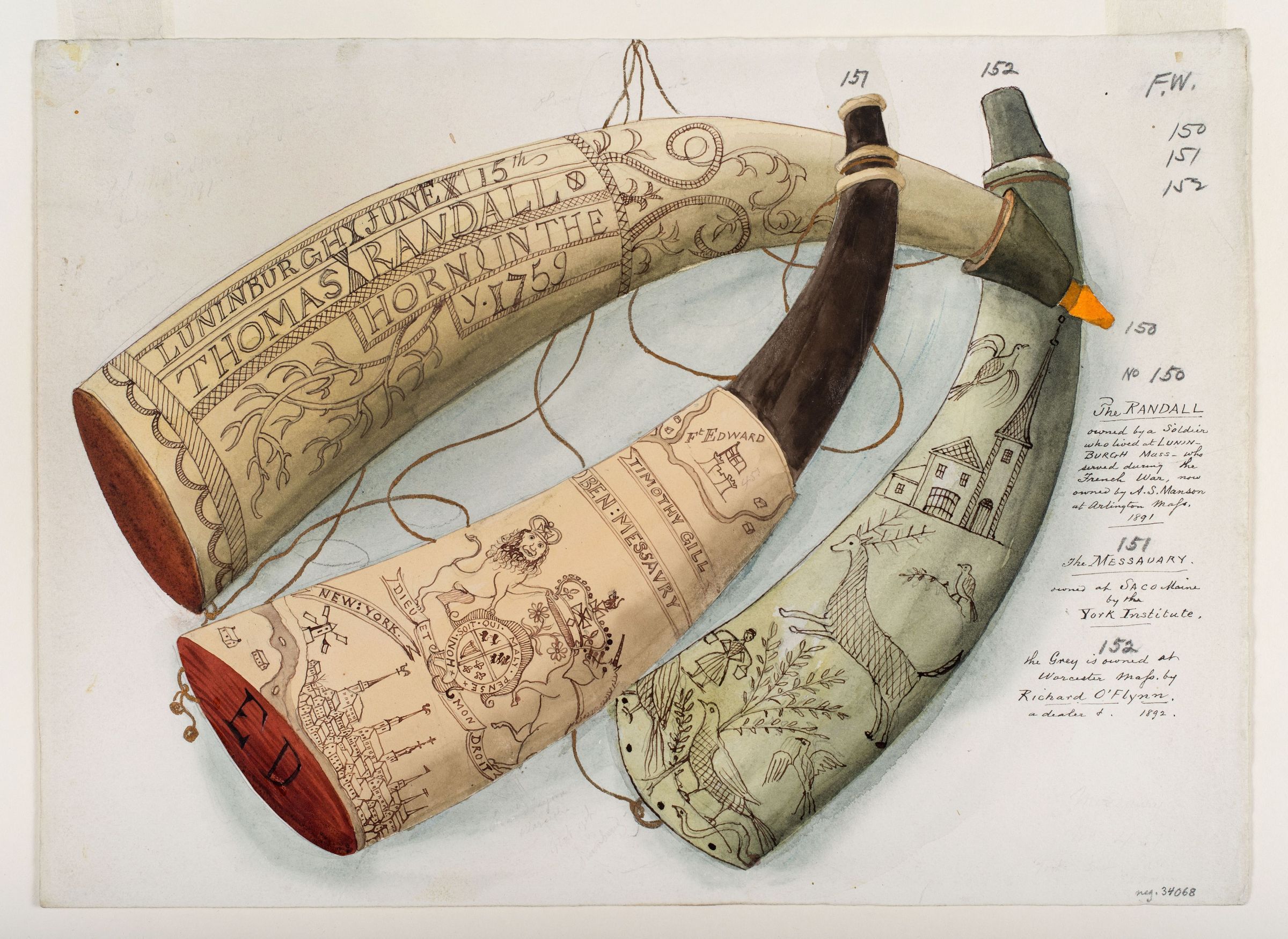
This carved powder horn features the British Coat of Arms and a map of New York that indicates the fortifications that lined the Hudson and Mohawk Rivers during the French and Indian War (1754-1763). It was probably carved by Timothy Gill of Wrentham, Massachusetts, during the Crown Point Expedition of 1755-1756. Like his older brother, John Lane III, Daniel Lane’s first military experience occurred during the French and Indian War. This horn has been in the museum’s collection since at least 1888, although the original donor is now unknown.