Research Type
CuratorNotes
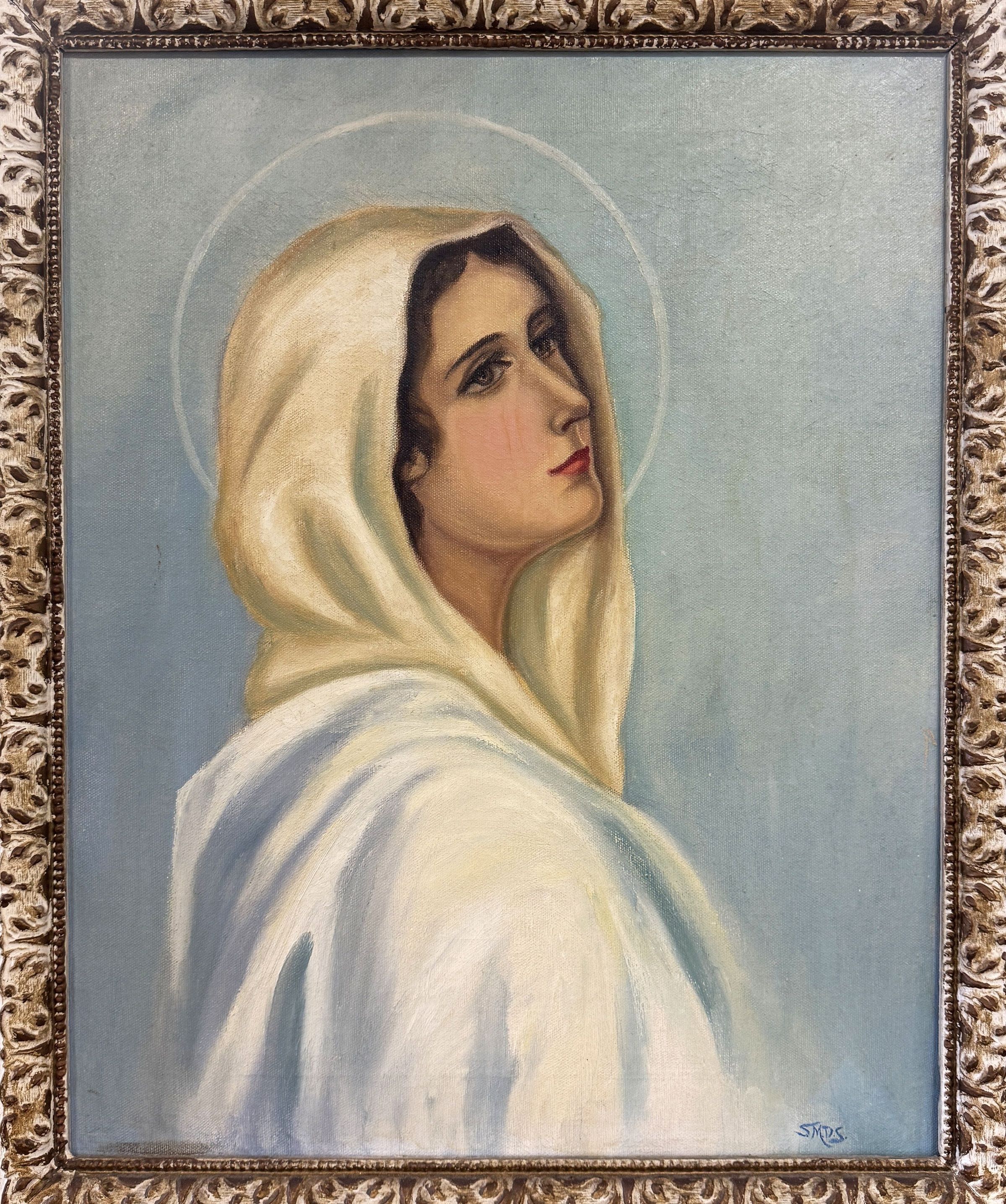
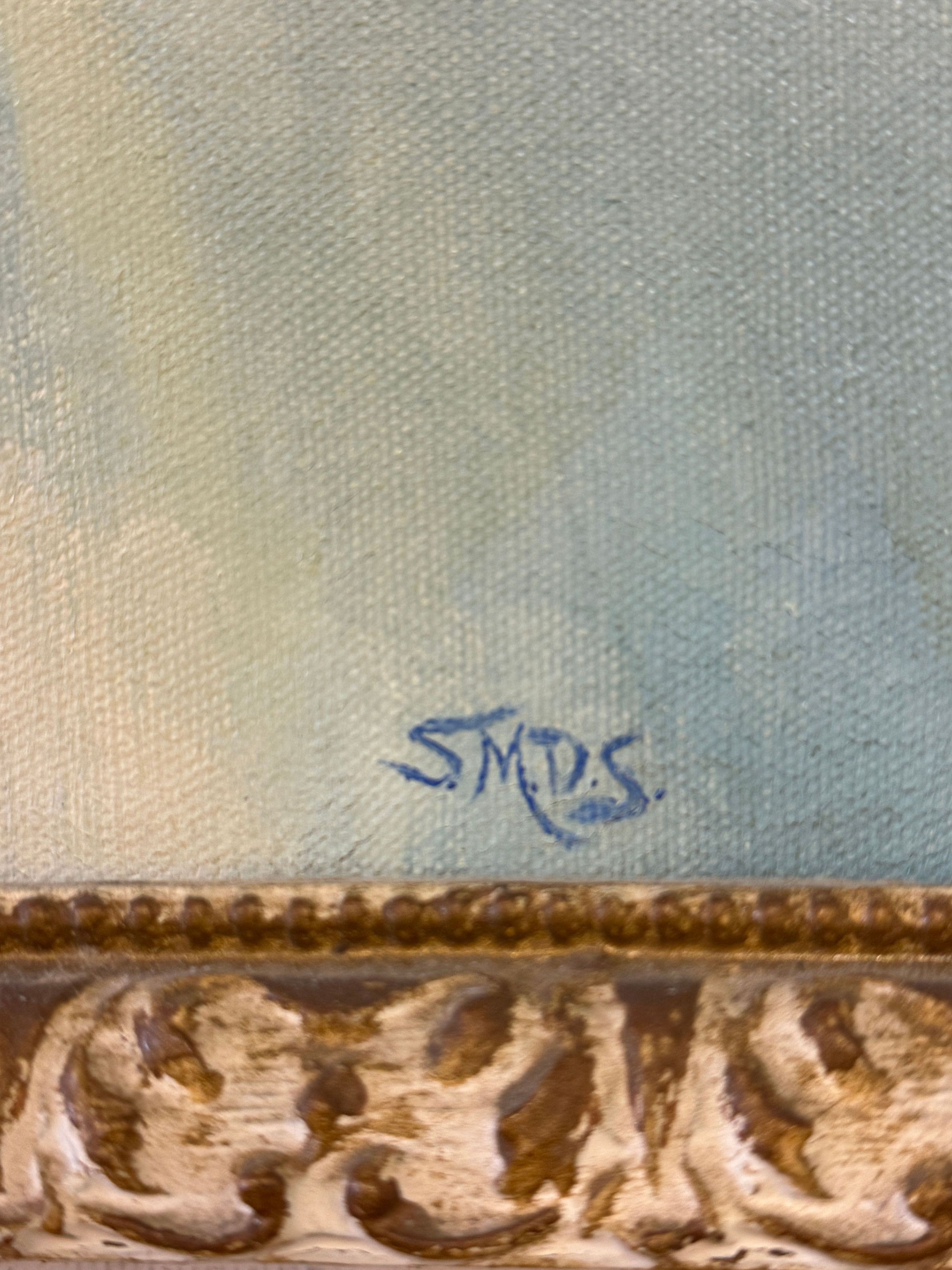
Sister María del Socorro Lazo was born in Chihuahua, Mexico in 1893. She entered the Congregation in 1914 and took final vows in 1921. In her early years as a Sister, Sister Maria del Socorro missioned in Kerrville and San Antonio, and taught art at St. Mary’s School in Amarillo. In 1941, she received an MA from Peabody College at Vanderbilt University.
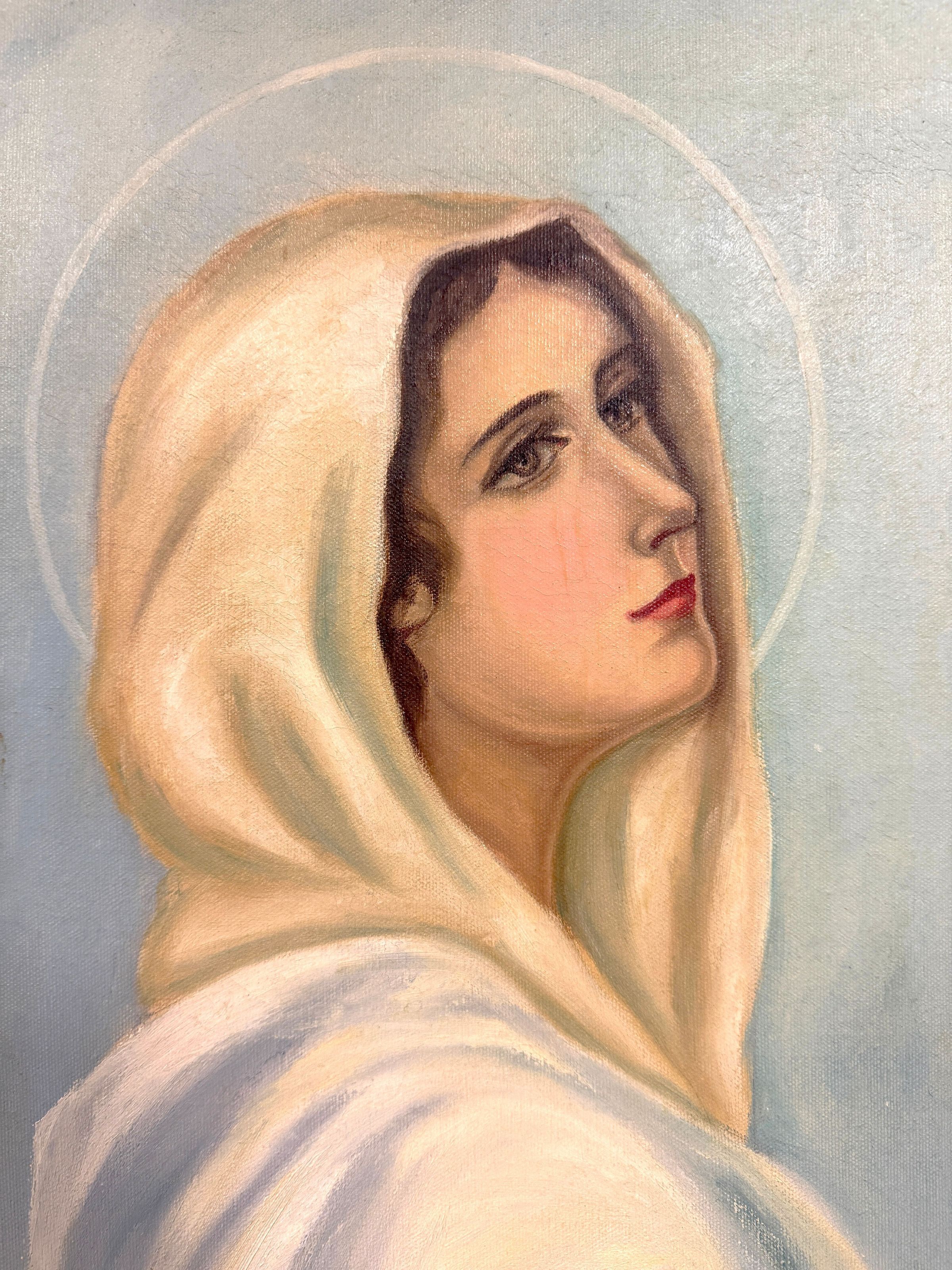
Sister María del Socorro was perhaps the most prolific visual artist in CCVI history. An artist from a young age, she received an abundance of formal training throughout her life. Sister María del Socorro first studied at Incarnate Word College (IWC) under Sister Alphonsine Seiwert (1884 – 1956), to whom she attributed much of her artistic knowledge. She traveled to Chicago with Sister Alphonsine to study at the Art Institute of Chicago twice: once during the summer of 1926, and again for the academic year of 1930 – 1931. She traveled far and wide in pursuit of artistic training and studied under the tutelage of several esteemed artists, including Frank Reaugh (1860 – 1945) in Dallas, Texas, Jacob Getlar Smith (1898 – 1958) in Saltillo, Mexico, and Frederic Taubes (1900 – 1981) in Taos, New Mexico.
As a member of the San Antonio Art League, The Water Color Society, the River Art Group, and the National Art Education Association, Sister María del Socorro befriended many local artists in San Antonio. These relationships aided Sister in her endeavors at IWC, where she worked as an instructor in the Art Department from 1938 to 1941 before serving as Department Chair from 1941 to 1956. Ceramicists Harding Black (1912 – 2004) and Arthur Calder, watercolorist and fiber artist Janet Shook LaCoste (1912 – 1984), and painter Amy Freeman Lee (1914 – 2004) helped Sister establish a ceramics department at IWC. Additionally, Sister opened an art gallery at IWC to showcase the works of local artists. One of her first exhibitions showcased artworks by Amy Freeman Lee.
Sister María del Socorro passed away on January 28, 1956 at St. Joseph’s Convent in San Antonio, Texas. In 2025, her art still adorns the walls of the CCVI administrative offices as well as the Bennack Concert Hall at the University of the Incarnate Word. Her prolific career is best summarized in her own words: “Most of the artists I know think that painters develop best when they have complete freedom. But for me the serenity of religious life, and the opportunity it offers for contemplation and study—these spell a kind of freedom for the artist too.” (San Antonio Express News, August 30, 1953).