Research Type
CuratorNotes
Sor Rosa María Montiel y Castellanos, CCVI (1931 - 2025) was born on February 19, 1931 in Puebla, Mexico. She entered the Congregation of the Sisters of Charity of the Incarnate Word (CCVI) in 1947, took her first vows in 1950, and made her final profession in 1955. She spent most of her career serving as a teacher; she began in primary education and spent the latter half of her career teaching art history, art, and design at schools across Mexico.
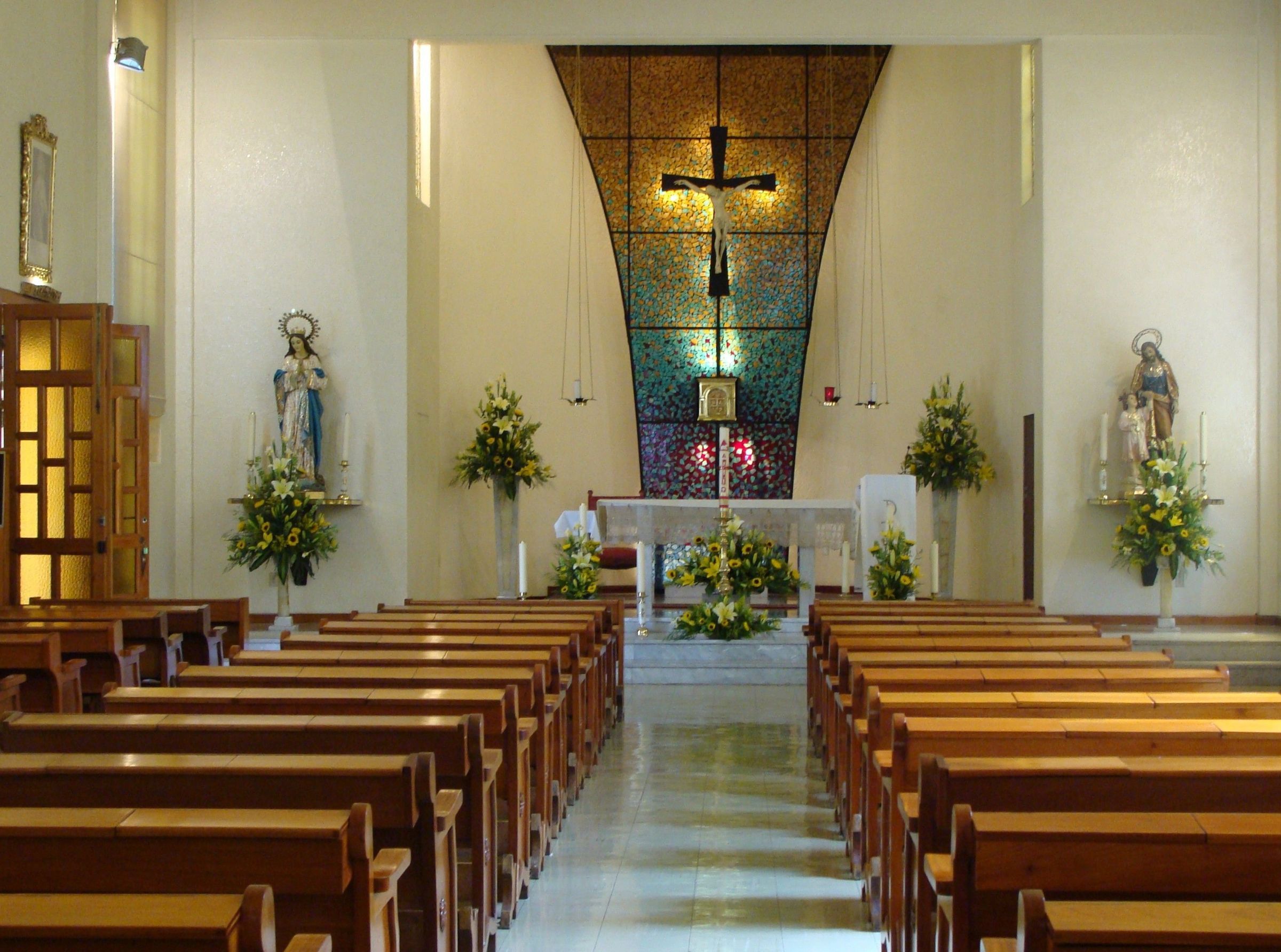
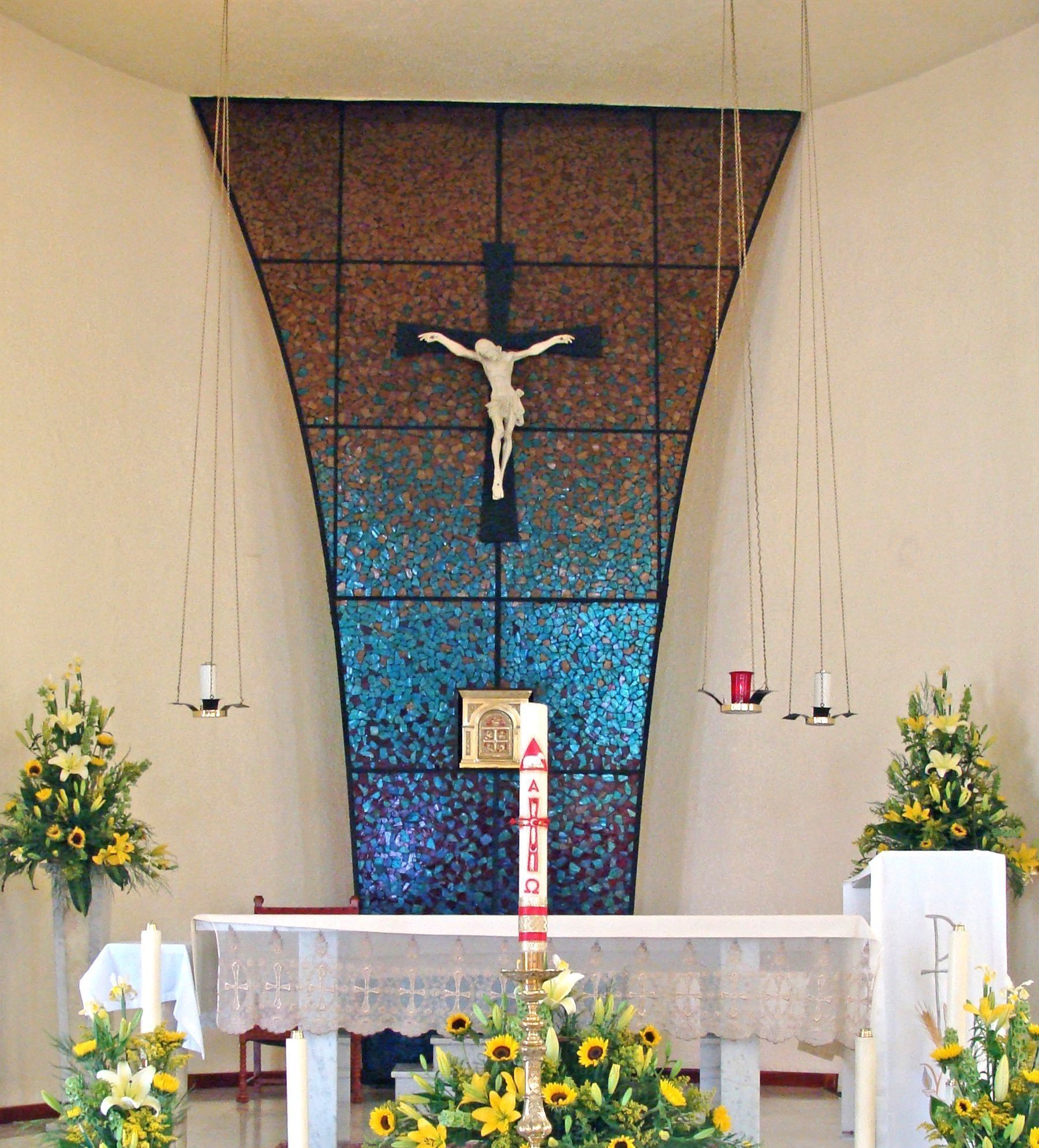
Sor Rosa María studied Interior Design at Instituto Miguel Ángel in Mexico City from 1956 to 1959. Following the completion of her degree, she served as the director of the Interior Decoration Department from 1959 to 1980. She carried out numerous design projects during this time, including designing chapels for the Colegio Saltillense, Colegio Mier y Pesado, Colegio Central de Puebla, and Casa Betania. She also redecorated the Provincial House chapel, dining room, kitchen, and living room in Mexico City.
In 1969, Sor was commissioned to create an artwork for the Congregation’s Centennial celebration. With the help of Sor Guadalupe Moreno Flores, CCVI (1939 - ) and Sister Yolanda Tarango, CCVI (1948 - ), she painted a mural entitled, “One Hundred Years, Hearts and Hands Serving Humanity” to commemorate 100 years of CCVI Sisters living their mission. In an exhibition map for a Centennial Open House on July 20, 1969, the mural is described as a “large colorful mural in oils depicting symbolically the hundred years of service, through charitable works, of the Sisters of Charity of the Incarnate Word to the people of the century.” During this Open House, the mural was on display in the Incarnate Word College Fine Arts Center in an exhibition space designed by Sister Rosa María. It was later moved to the CCVI Centennial Hall, where it remained until the demolition of the building in 1986.
In 1971, Rev. Mother Calixta Garvey, CCVI (1905 – 1992) provided Sor Rosa María with the opportunity to study art history and sculpture at the University of Texas, El Paso. In 1976, Sor Rosa María studied Italian Renaissance and Etruscan art in Rome as part of an exchange program.
Sor Rosa María claimed that she made around 60 paintings during her life, but gave most of them away as gifts. While reflecting on her artistic career, Sor remarked, “My career was a wonderful because it allowed me to fulfill myself as a religious and as someone steeped in art, where I see God through my art. I am grateful to my Congregation for allowing me to develop my studies in different ways, teaching painting and other subjects such as Sacred Scripture.” Research Type
CuratorNotes
Sor Rosa María Montiel y Castellanos, CCVI (1931 - 2025) nació el 19 de febrero de 1931 en Puebla, México. Ingresó en la Congregación de las Hermanas de la Caridad del Verbo Encarnado (CCVI) en 1947, emitió sus primeros votos en 1950 e hizo su profesión perpetua en 1955. Pasó la mayor parte de su carrera sirviendo como maestra; comenzó en la educación primaria y pasó la segunda mitad de su carrera enseñando historia del arte, arte y diseño en escuelas de todo México.
Sor Rosa María estudió Diseño de Interiores en el Instituto Miguel Ángel de Ciudad de México de 1956 a 1959. Tras finalizar sus estudios, fue directora del Departamento de Decoración de Interiores de 1959 a 1980. Realizó numerosos proyectos, entre ellos las capillas del Colegio Saltillense, el Colegio Mier y Pesado, el Colegio Central de Puebla y la Casa Betania. También redecoró la capilla, el comedor, la cocina y el salón de la Casa Provincial de México D.F.
En 1969, Sor recibió el encargo de crear una obra de arte para la celebración del Centenario de la Congregación. Con la ayuda de Sor Guadalupe Moreno Flores, CCVI (1939 - ) y Sor Yolanda Tarango, CCVI (1948 - ), pintó un mural titulado, «Cien Años, Corazones y Manos Sirviendo a la Humanidad» para conmemorar los 100 años de las Hermanas CCVI viviendo su misión. En un mapa de exhibición para una Casa Abierta del Centenario el 20 de julio de 1969, el mural se describe como un «gran mural colorido al óleo que representa simbólicamente los cien años de servicio, a través de obras de caridad, de las Hermanas de la Caridad del Verbo Encarnado a la gente del siglo». Durante esta Casa Abierta, el mural se exhibió en el Centro de Bellas Artes del Colegio del Verbo Encarnado en un espacio de exposición diseñado por Sor Rosa María. Posteriormente se trasladó al CCVI Centennial Hall, donde permaneció hasta la demolición del edificio en 1986.
En 1971, la Rev. Madre Calixta Garvey, CCVI (1905 - 1992) brindó a Sor Rosa María la oportunidad de estudiar historia del arte y escultura en la Universidad de Texas, El Paso. En 1976, Sor Rosa María estudió el Renacimiento Italiano y el arte Etrusco en Roma como parte de un programa de intercambio.
Sor Rosa María afirma que pintó unos 60 cuadros a lo largo de su vida, pero que la mayoría los regaló. Al reflexionar sobre su carrera artística, Sor Rosa María comentó: "Mi carrera fue maravillosa porque me permitió realizarme como religiosa y como persona empapada de arte, donde veo a Dios a través de mi arte. Estoy agradecida a mi Congregación por permitirme desarrollar mis estudios de diferentes maneras, enseñando pintura y otras materias como Sagrada Escritura."