Research Type
CuratorNotes
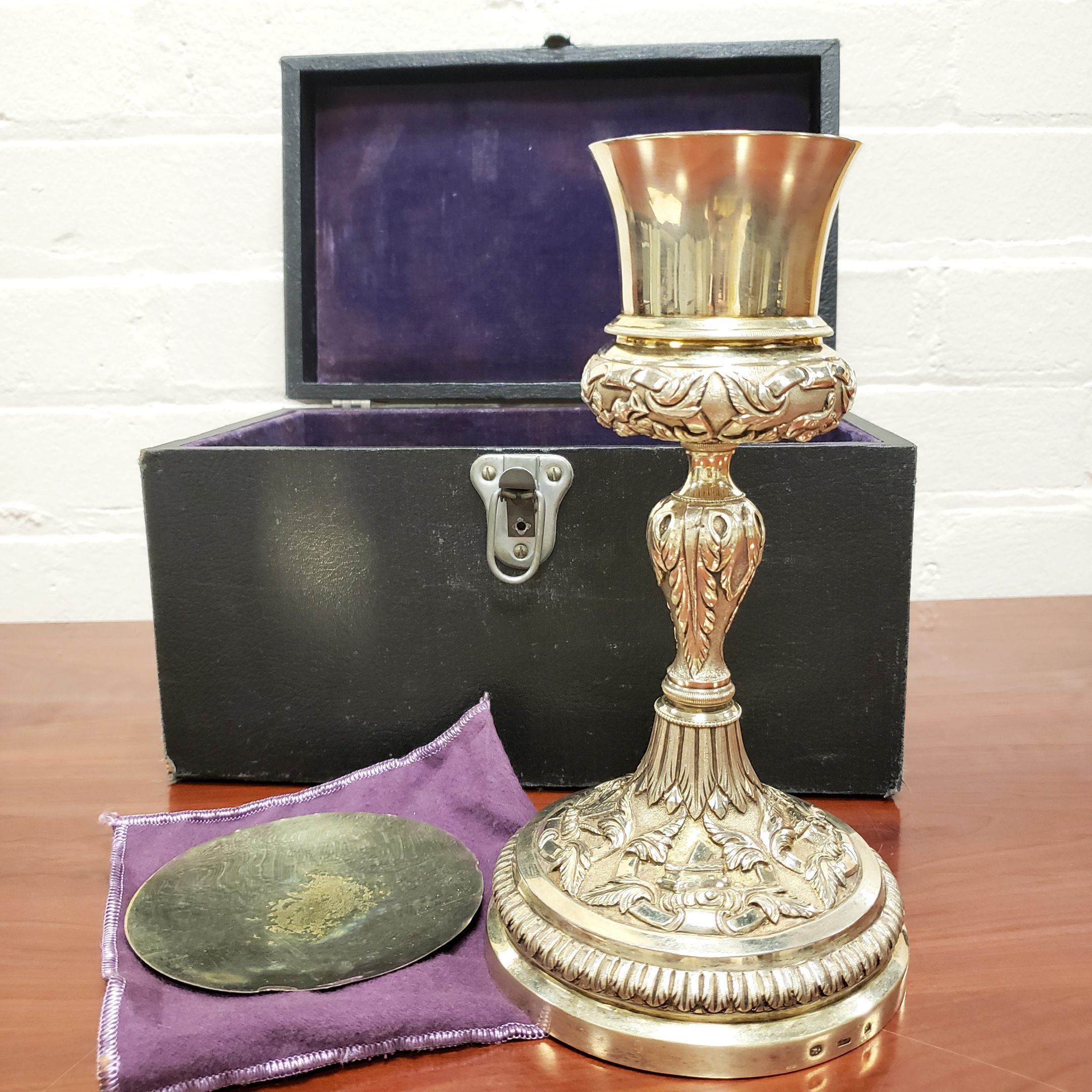
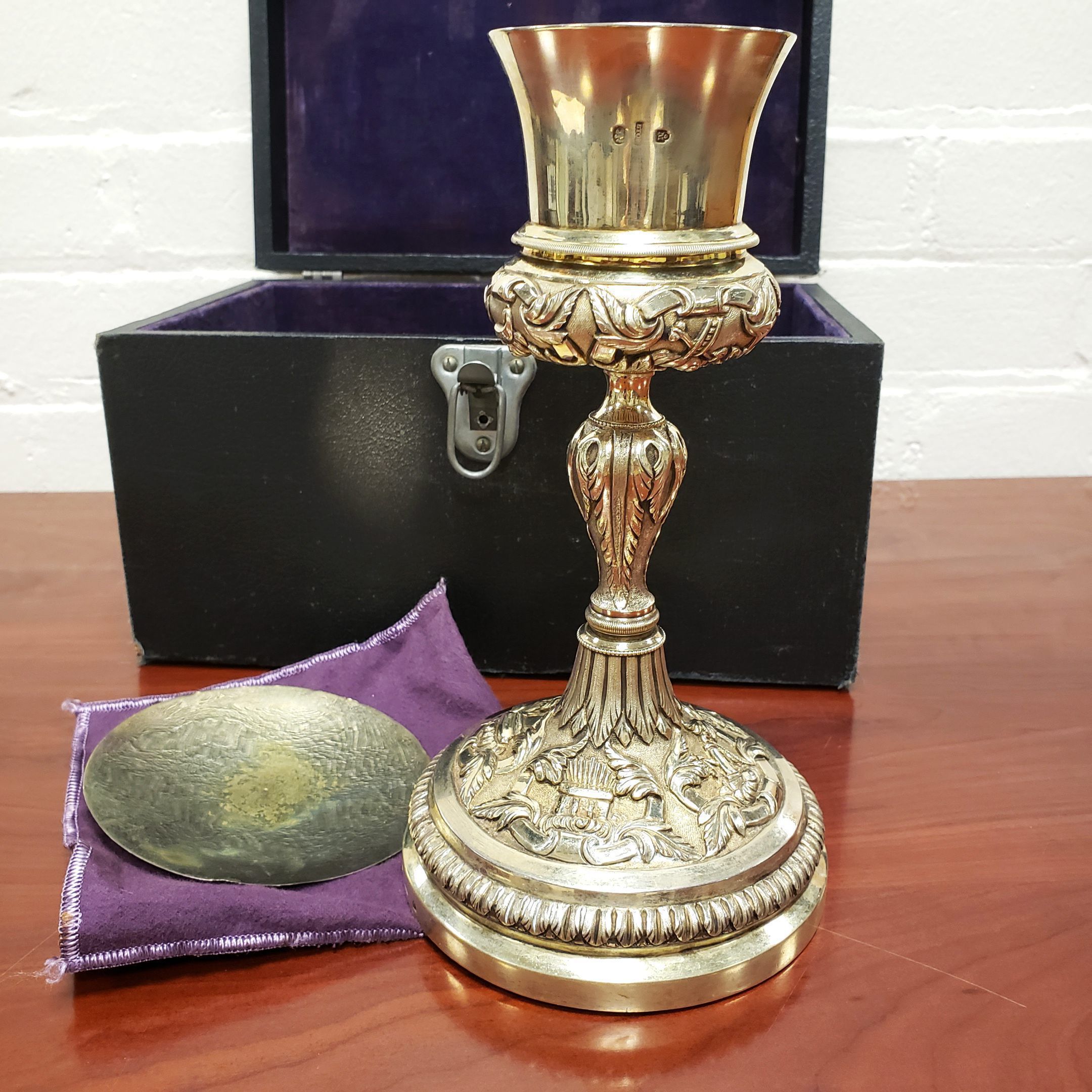
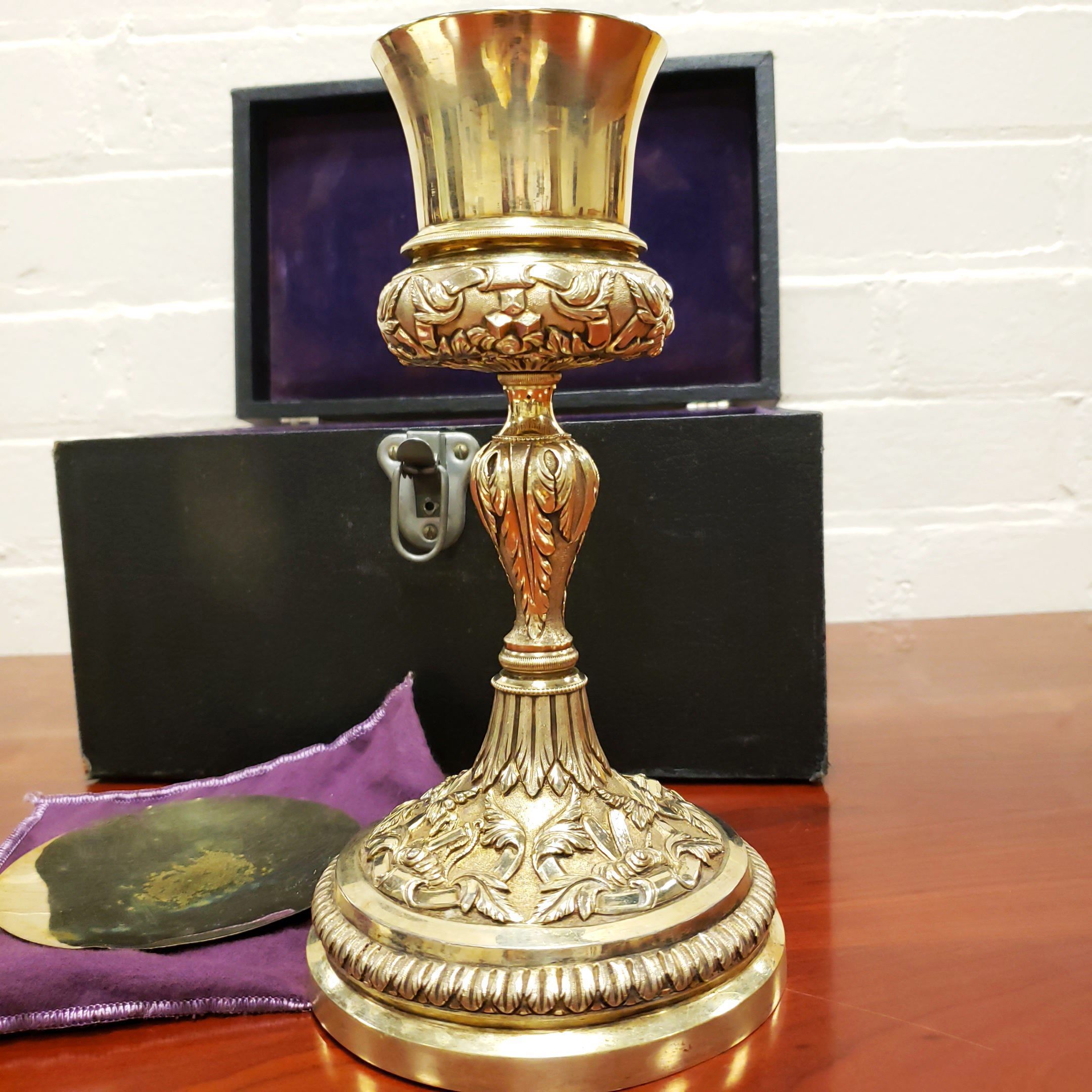
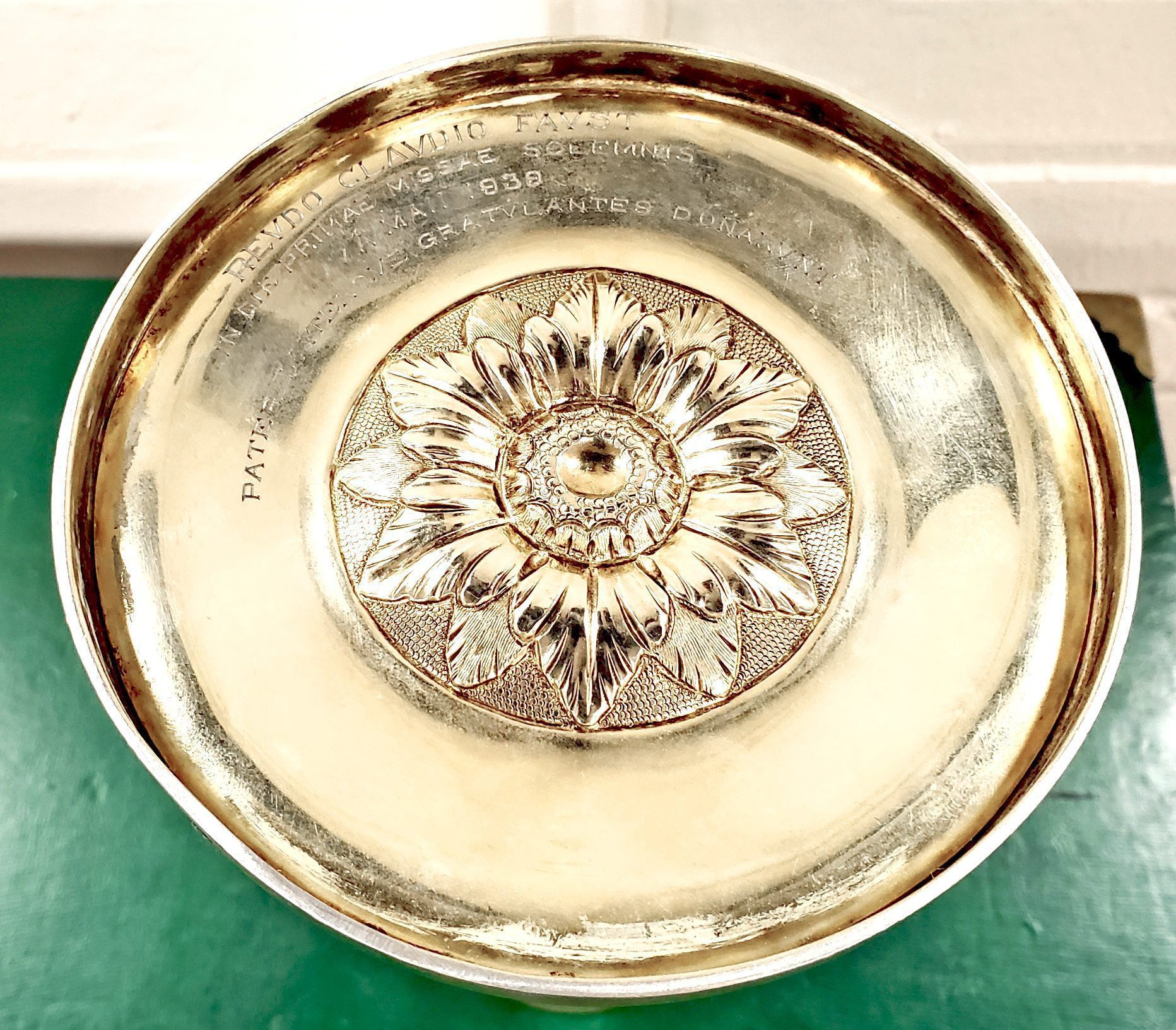
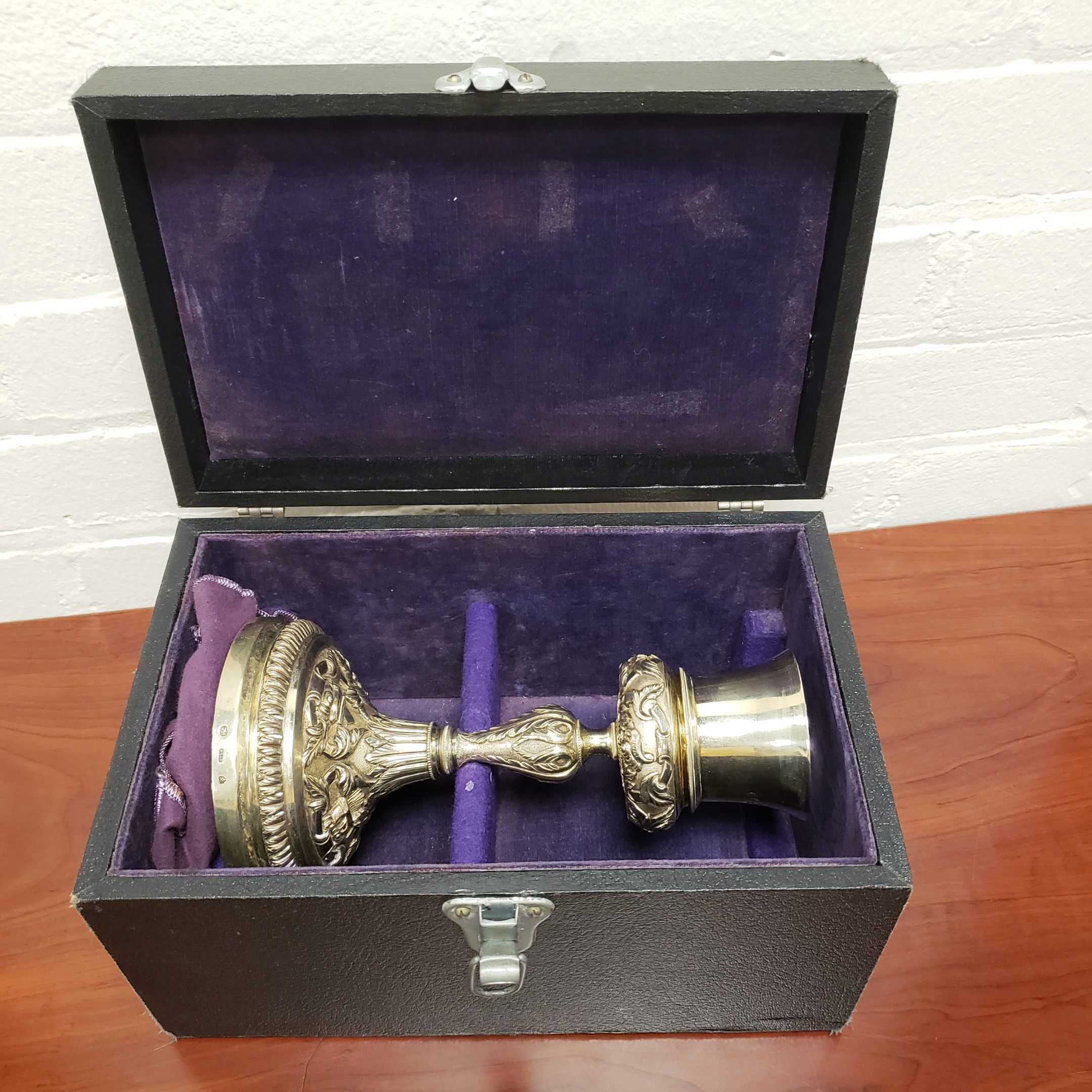
In 1972, this chalice was bequeathed to Sister Claude Marie Faust, CCVI, by her brother Reverend Claude A. Faust as a memorial gift to the Congregation of the Sisters of Charity of the Incarnate Word. It originally belonged to an unnamed congregation of women religious in Mexico who used it in their convent chapel and is estimated to have been crafted in the 1600s in Spain from solid, hand-hammered silver. During the period of religious persecution in the 1920s under the regime Plutarco Calles, the chalice was hidden along with other sanctuary vessels between the walls of the convent to prevent possible confiscation and desecration. After the persecution, the congregation was disbanded and forced to liquidate their properties, and the chalice was acquired by an unnamed priest in Texas. The family of Reverend Faust made a donation through which they acquired the chalice as a gift for his ordination in 1939.Notes
En 1972, el Rvdo. Claude A. Faust, dio este cáliz a su hermana, Sor Claude Marie Faust, CCVI, como regalo conmemorativo a la Congregación de las Hermanas de la Caridad del Verbo Encarnado. Perteneció a una congregación de religiosas sin nombre en México que lo utilizaba en la capilla de su convento. Se calcula que se fabricó en el siglo XVII en España con plata maciza que se martilló a mano. Durante el periodo de las persecuciones del régimen de Plutarco Calles, se ocultó el cáliz junto con otros vasos sagrados entre los muros del convento para evitar posibles confiscaciones y profanaciones. Después de la persecución, se disolvió la congregación y se vio obligada a vender sus propiedades, y el cáliz cayó en manos de un sacerdote anónimo de Texas. La familia del Rvdo. Faust hizo una donación con la que lo adquirió como regalo para su ordenación en 1939.