Research Type
CuratorNotes
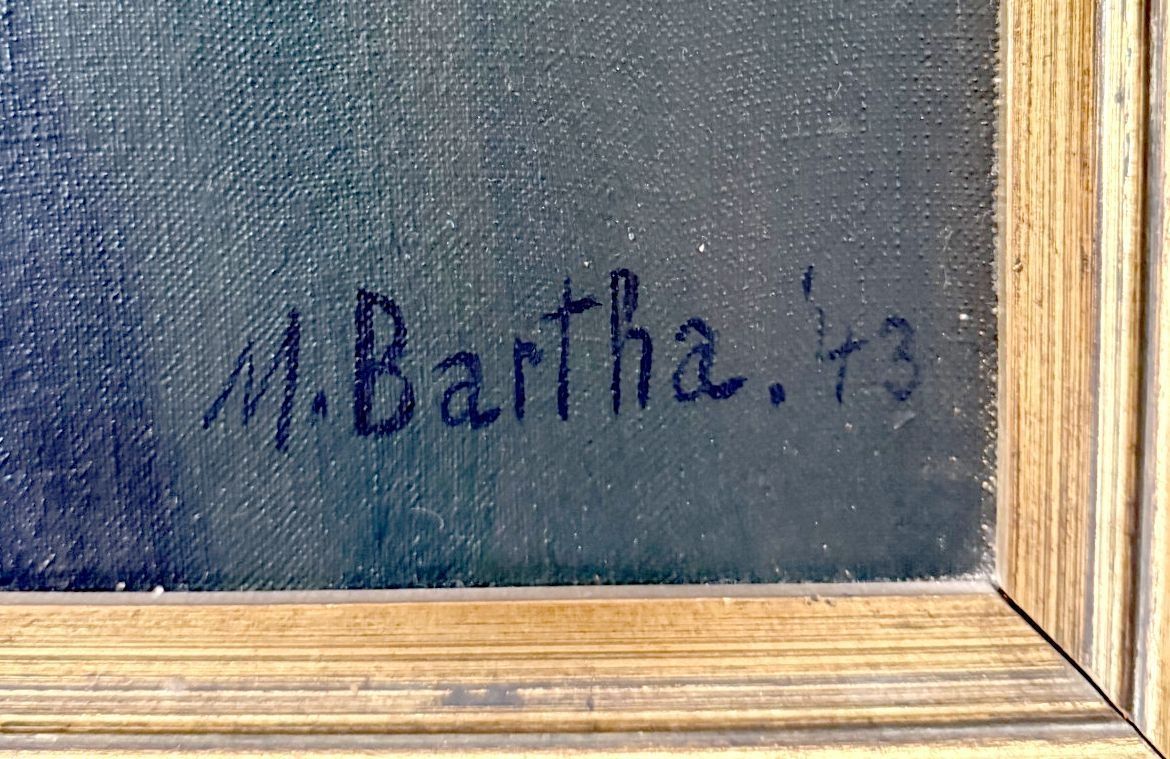
Madame Maria Bartha (1885 – 1973) was born Alice Maria Blau on January 12 or 13, 1885 in Nagykanizsa, Nagykanizsai, (Nagy-Knizsa) Zala County, Hungary. Though the dates are unknown, she claimed to have received degrees from the University of Paris and the Sorbonne, studied at the Academy Julien in Paris, studied with Philip de László in Vienna and Paris, and with a Professor Marino in Italy.
Bartha arrived in New York City on May 1, 1939 on the S.S. Normandie, originally intending to stay in the United States for six months. As reported in the Duluth News Tribune on September 29, 1946, “Coming to this country before World War II broke out for a visit with friends, the artist was captivated with America and decided to remain here. ‘It would be too sad to return now,’ she said.” Bartha, whose birth surname was Blau before marrying Maxmilian Stein in 1907, was of Jewish Hungarian descent. Indeed, her move to America and name change served to keep her safe from persecution during WWII.
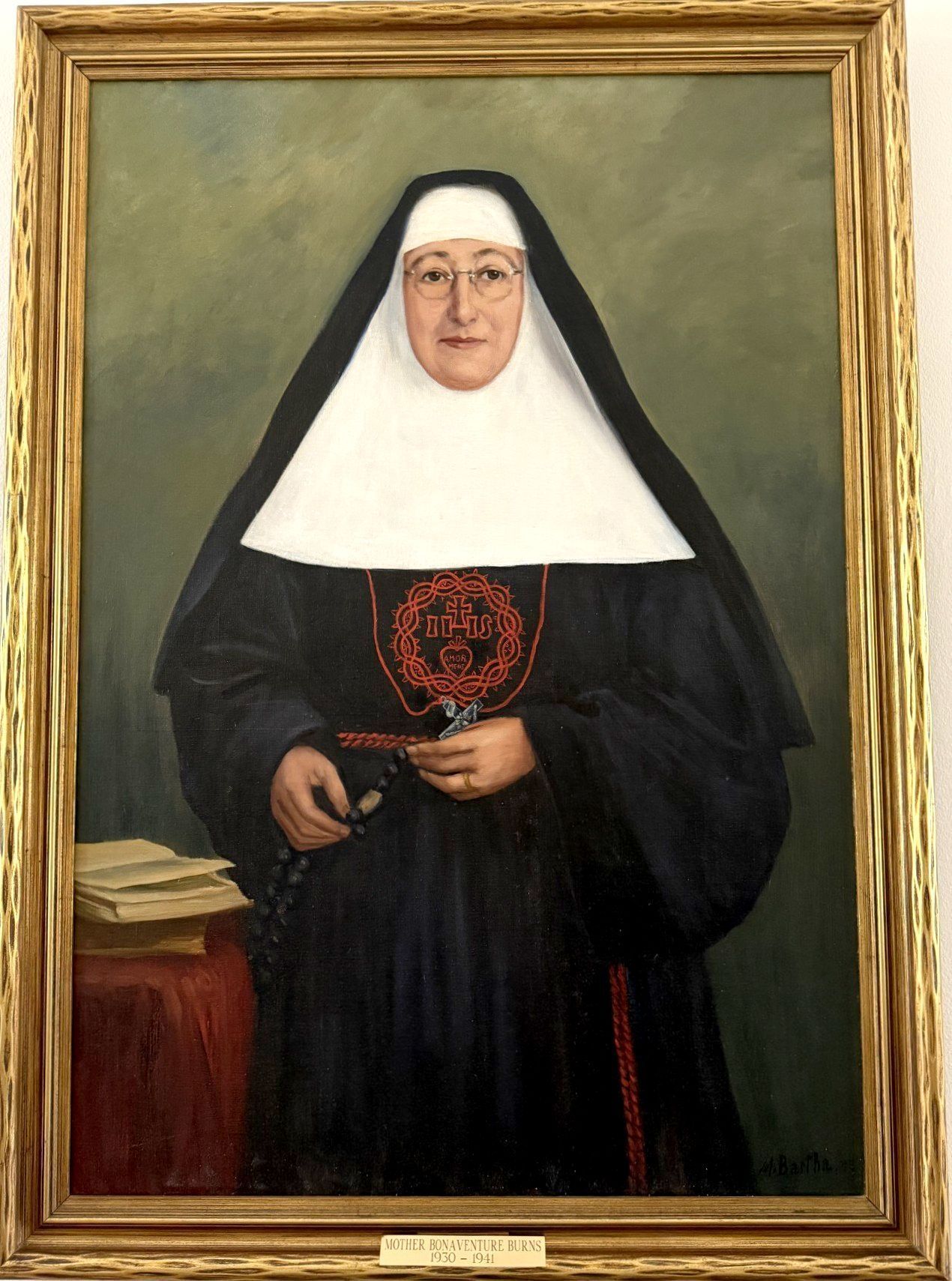
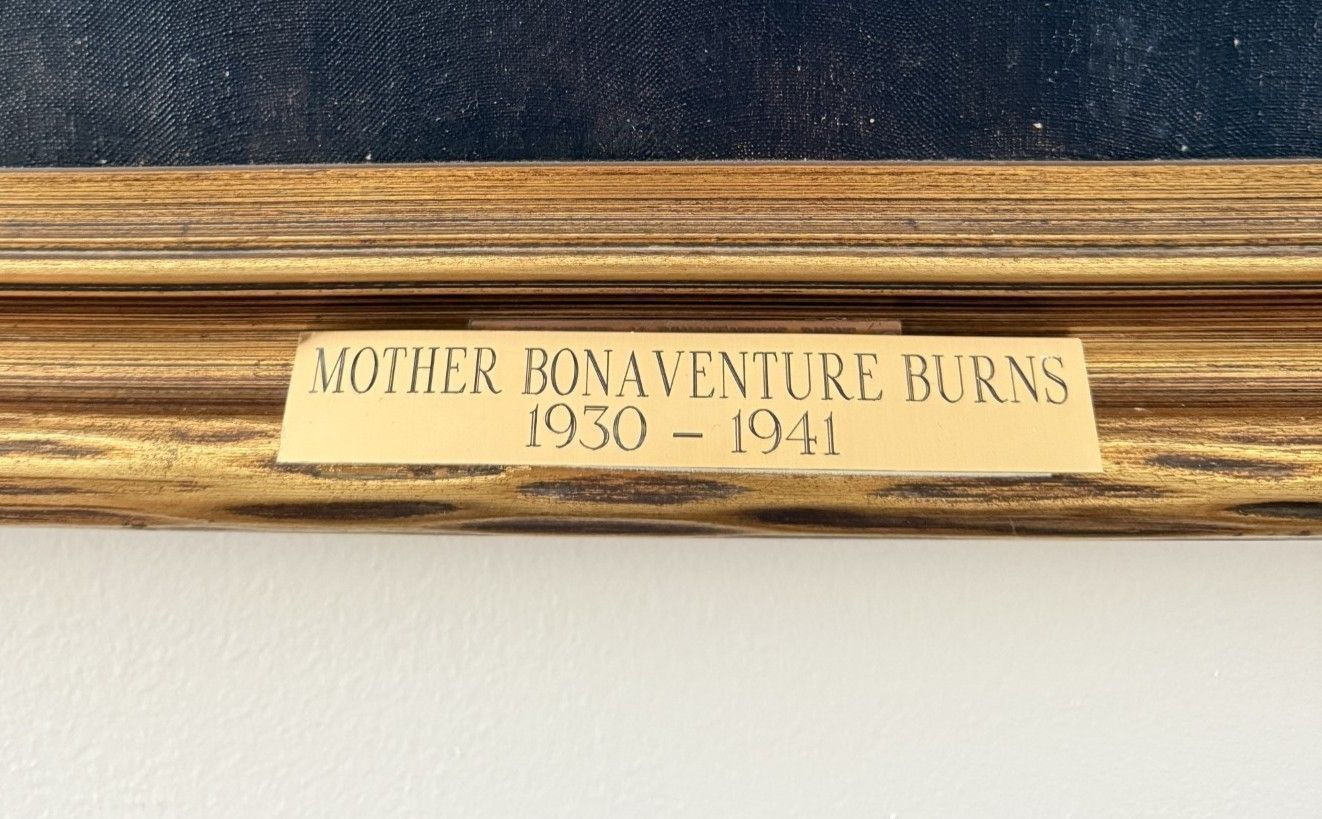
Upon her arrival, Bartha quickly became part of the New York City art scene. She completed numerous commissioned portraits and showed her work in several exhibitions, including shows at the Alma Reed Gallery and Bonestell Gallery. In 1942, the US Department of War commissioned Bartha to paint a portrait of General Douglas MacArthur for the Texas Military Institute in San Antonio, Texas, MacArthur’s alma mater. In the fall of 1942, Bartha joined the teaching staff of the Incarnate Word College Art Department. In 1943, she completed seven painting for the Sisters of Charity of the Incarnate Word of their founders and the Congregation’s General Superiors until 1941.
In 1946, Bartha joined the teaching staff of the College of St. Scholastica in Duluth, Minnesota. She painted a mural for the College’s library from 1948 to 1949 that depicted Benedictine Sisters and their activities. She left St. Scholastica at the end of the 1950-51 academic year for Houston, Texas, where she would spend the rest of her life.
Bartha was a highly sought-after portrait painter in Houston. She operated a studio out of her home, where she painted on commission for numerous members of Houston high society. She was also a member of the Art League of Houston and exhibited her work at the Art League, Museum of Fine Arts Houston, and the Junior League of Houston. Bartha traveled frequently throughout her life and spent nearly every summer in Europe. She died on February 22, 1973 in Houston from complications of pneumonia following a stroke.Research Type
CuratorNotes
Madame Maria Bartha (1885 - 1973) nació como Alice Maria Blau el 12 o 13 de enero de 1885 en Nagykanizsa, Nagykanizsai, (Nagy-Knizsa) Condado de Zala, Hungría. Aunque se desconocen las fechas, afirmó haberse licenciado en la Universidad de París y en la Sorbona, estudió en la Academia Julien de París, estudió con Philip de László en Viena y París, y con un profesor Marino en Italia.
Bartha llegó a Nueva York el 1 de mayo de 1939 en el S.S. Normandie, con la intención inicial de permanecer en Estados Unidos seis meses. Como informó el Duluth News Tribune el 29 de septiembre de 1946, "Cuando llegó a este país antes de que estallara la Segunda Guerra Mundial para visitar a unos amigos, el artista quedó cautivado por América y decidió quedarse aquí. Sería demasiado triste volver ahora', dijo". Bartha, cuyo apellido de nacimiento era Blau antes de casarse con Maxmilian Stein en 1907, era de ascendencia judía húngara. De hecho, su traslado a Estados Unidos y el cambio de nombre sirvieron para mantenerla a salvo de la persecución durante la Segunda Guerra Mundial.
A su llegada, Bartha se integró rápidamente en la escena artística de Nueva York. Realizó numerosos retratos por encargo y participó en varias exposiciones, entre ellas las de la Alma Reed Gallery y la Bonestell Gallery. En 1942, el Departamento de Guerra de Estados Unidos encargó a Bartha un retrato del general Douglas MacArthur para el Texas Military Institute de San Antonio, Texas, alma mater de MacArthur. En otoño de 1942, Bartha entró a formar parte del profesorado del Departamento de Arte del Incarnate Word College. En 1943, pintó siete cuadros para las Hermanas de la Caridad del Verbo Encarnado de sus fundadoras y de las Superioras Generales de la Congregación hasta 1941.
En 1946, Bartha se incorporó al profesorado del College of St. Scholastica de Duluth, Minnesota. Entre 1948 y 1949 pintó un mural para la biblioteca del colegio que representaba a las Hermanas Benedictinas y sus actividades. Scholastica al final del curso académico 1950-51 para trasladarse a Houston, Texas, donde pasaría el resto de su vida.
Bartha era una retratista muy solicitada en Houston. Tenía un estudio en su casa, donde pintaba por encargo para numerosos miembros de la alta sociedad de Houston. También fue miembro de la Liga de Arte de Houston y expuso sus obras en la Liga de Arte, el Museo de Bellas Artes de Houston y la Junior League de Houston. Bartha viajó con frecuencia durante toda su vida y pasó casi todos los veranos en Europa. Murió el 22 de febrero de 1973 en Houston a causa de una neumonía provocada por un derrame cerebral.