Research Type
CuratorNotes
Sister Joseph Alphonsus (Jo) Dederichs, CCVI (1923 – 2017) was born on October 3, 1923 in Alvin, Texas. She entered the Congregation of the Sisters of Charity of the Incarnate Word (CCVI) in 1938, took her first vows in 1941, and made her final profession in 1946. She began her career in elementary education in Missouri and Marfa, Texas before receiving her B.A. in Speech from St. Louis University. She received her M.A. in Speech from the same University in 1958.
Sister Jo dedicated 40 years of her life to teaching English, speech, and drama in the Congregation’s schools in Louisiana, Missouri, and Texas. Sister published a compilation of historical information on Catholic schools in Texas, entitled, “Catholic Schools: Dawn of Education in Texas,” in November 1986. Sister Jo also served as Director of Vocations for the U.S. Province from 1975 to 1977 and was the director of Hesed Community in San Antonio from 1977 to 1978.
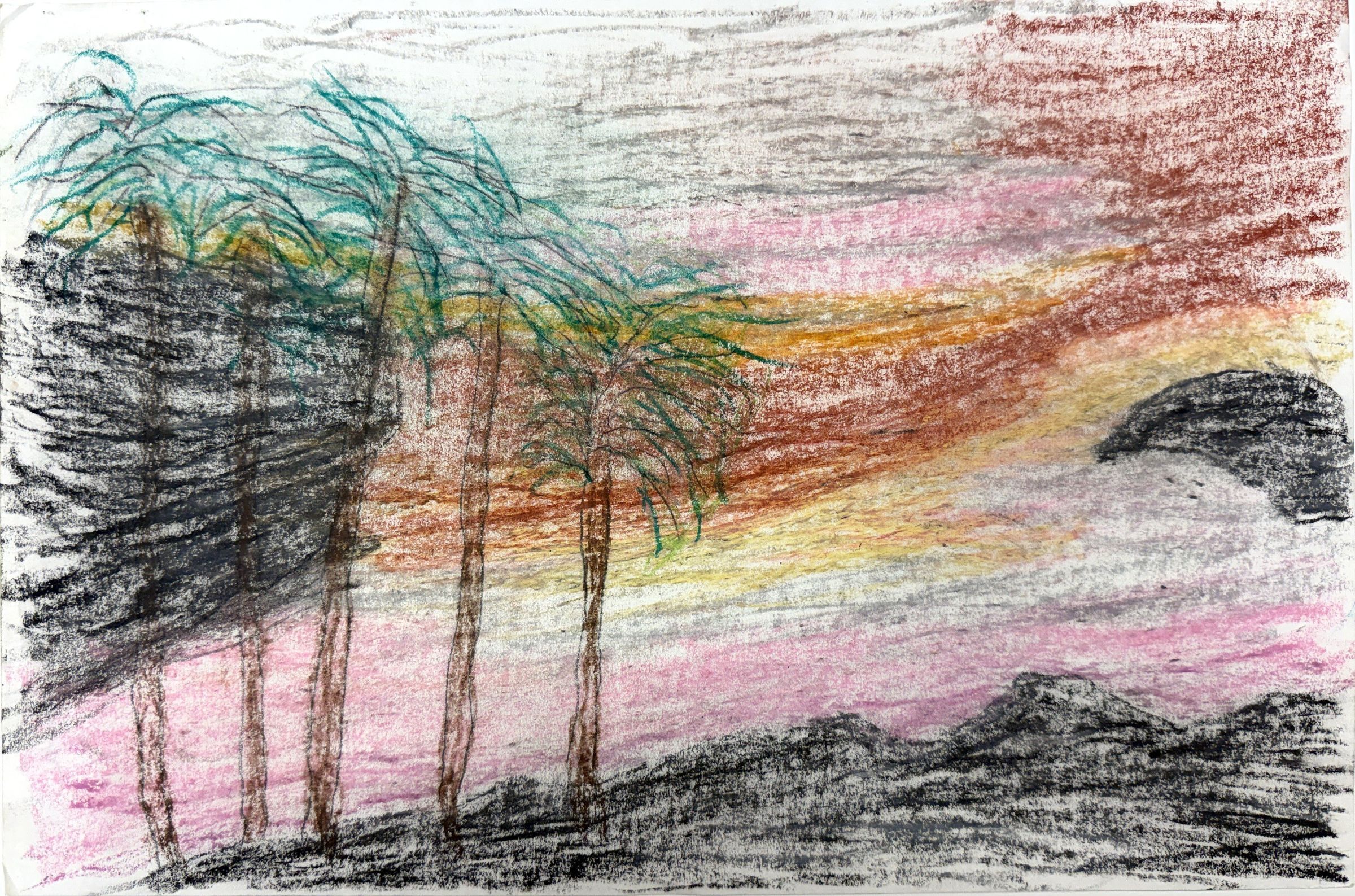
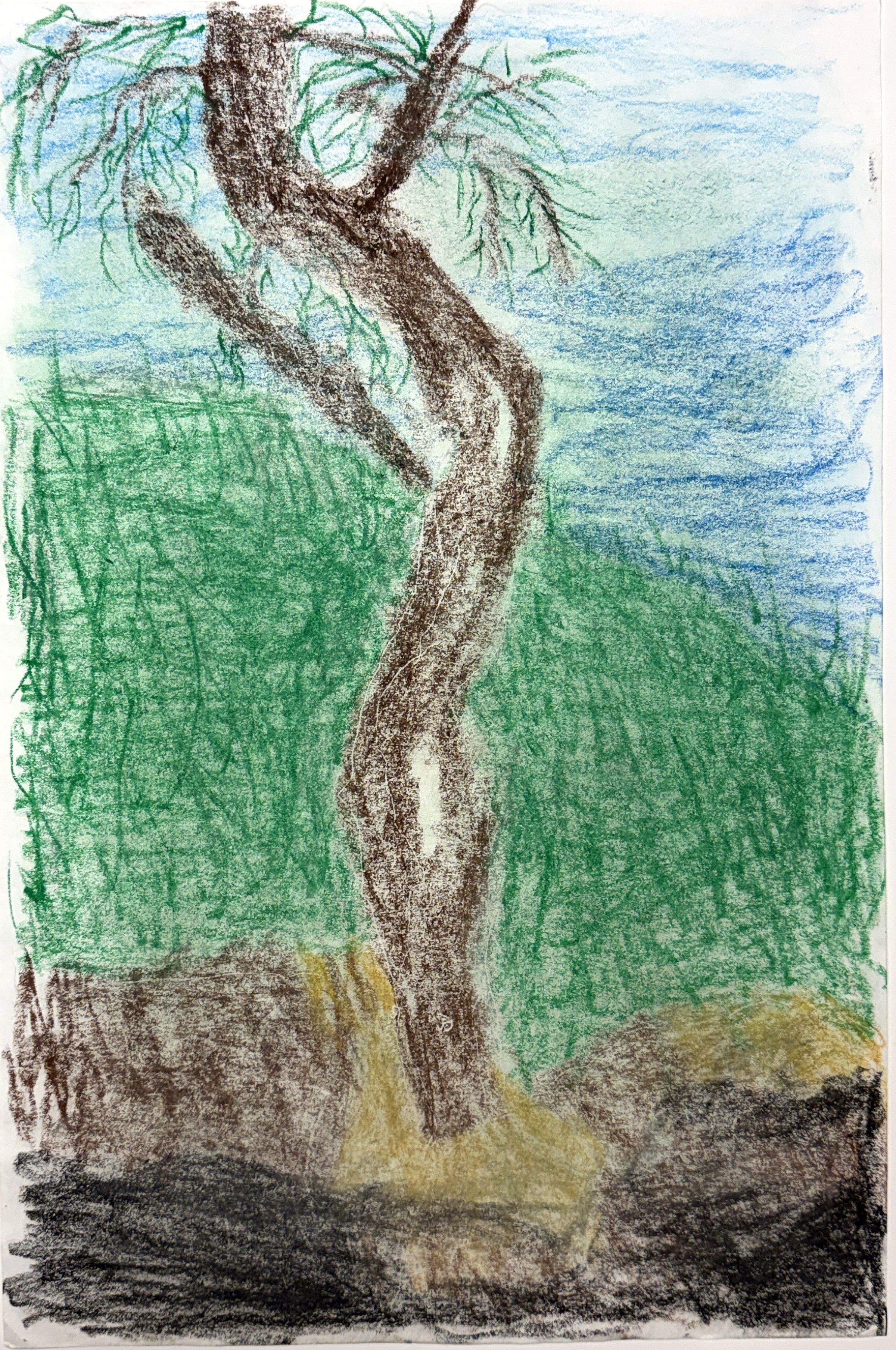
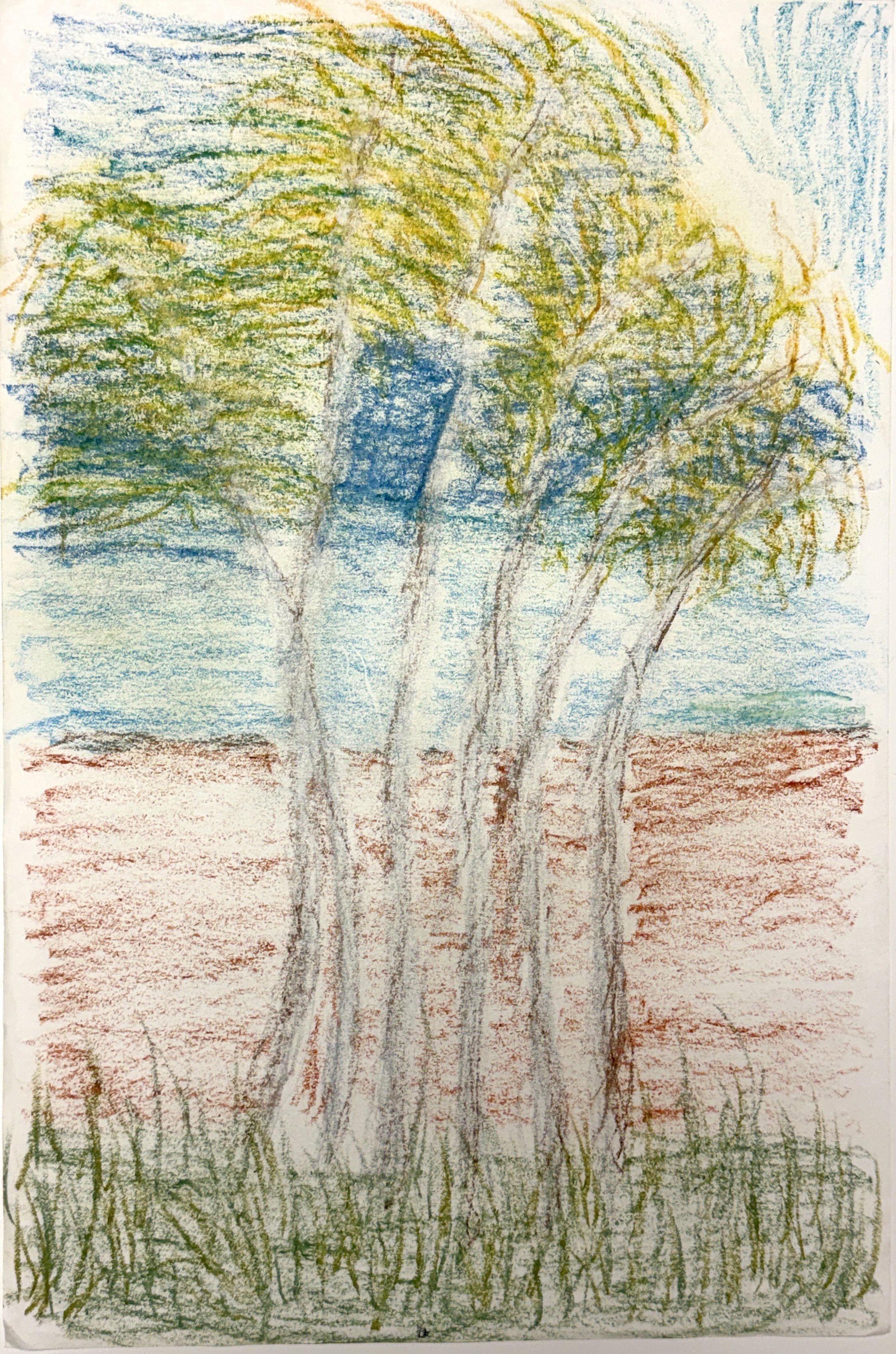
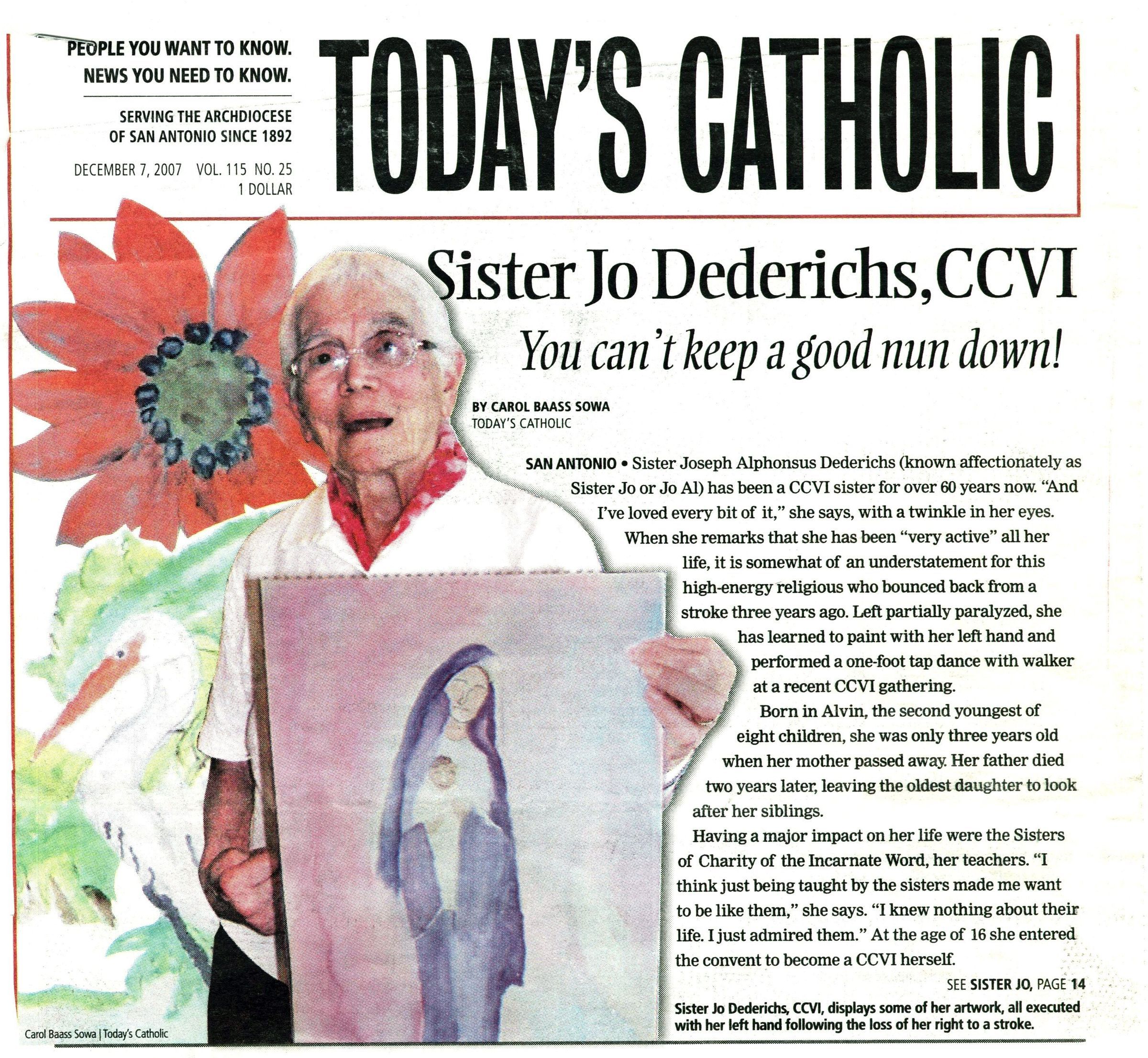
Sister Jo maintained a love for dance and theatre throughout her life. She tap danced often at the CCVI Motherhouse with musical accompaniment from Sister Maria Goretti Zehr, CCVI (1931-2001). Her passion for visual art emerged in her mid-20s, after she joined the Congregation. According to an article written by Carol Baass Sowa for Today’s Catholic on December 7, 2007:
Sister Jo “decided to visit the school art teacher’s studio to ‘just try things out’ and wound up enrolling in an off-campus art class. The instructor was non-too-happy when her new student brought with her an already-completed sketch of a New Orleans riverfront scene on a large canvas and promptly set about painting it. Walking around the room to check the students’ work, the teacher remarked that there was no giving directions to her new student. ‘You’re going to do it the way you want to,’ observed the teacher, and let her, which sat well with the budding artist. ‘And since then I’ve been doing it the way I want to!’ says Sister Jo emphatically.
Starting with oils and later working in watercolors, her paintings hang in numerous convents today. She remembers one of her first works, a mystical abstract-like oil painting in which the shape of a monk became apparent. An art critic in the convent was so impressed with its spirituality that the mother superior later chose it to be sent to a priest in Chicago, where it hangs today.
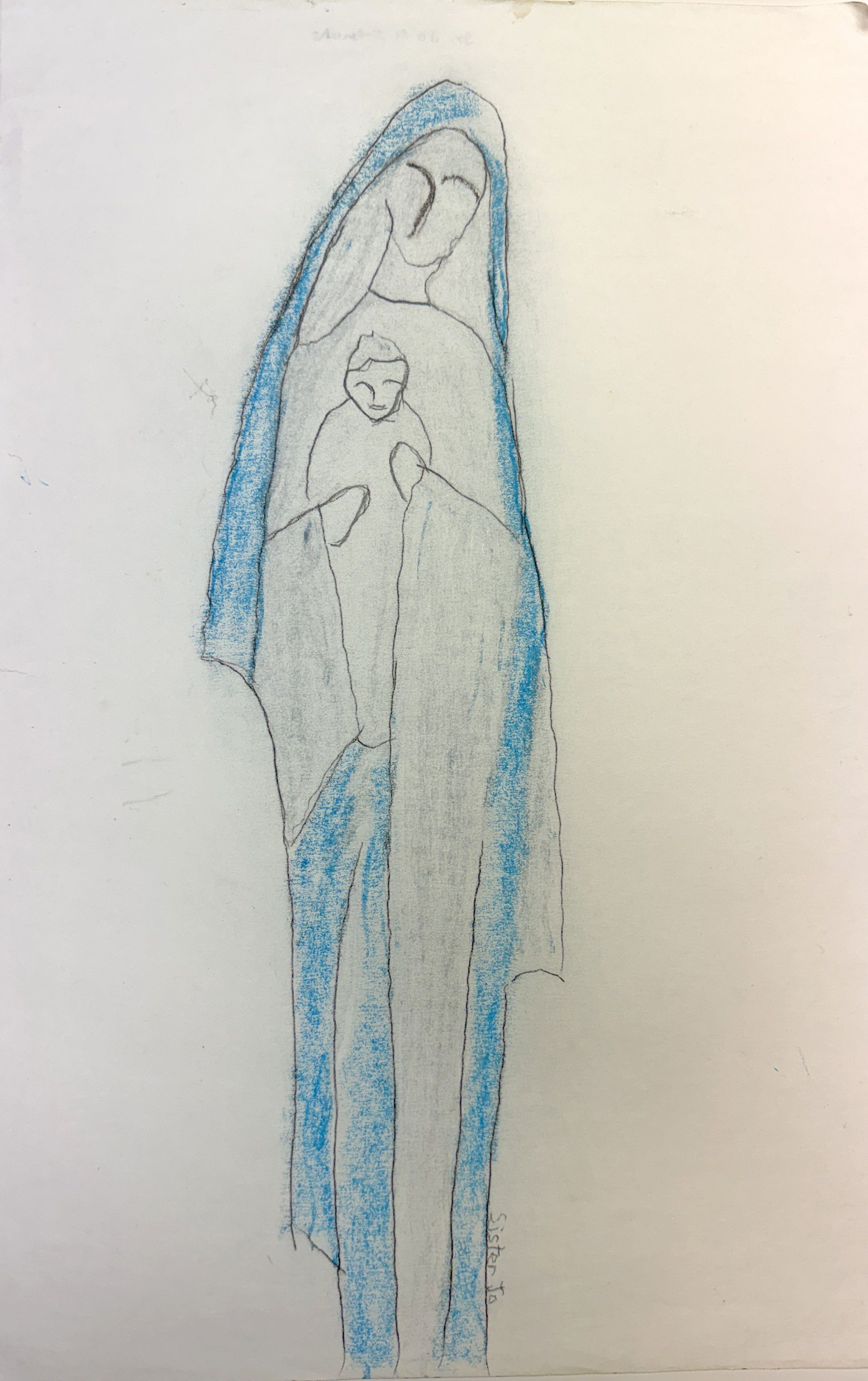
An occasional painting of hers still portrays a somber tone, expressing a feeling or mood she says she is not aware of on the conscious level — stark trees without leaves or the unintentionally sorrowful face of a slender, blue Madonna. The majority of her works, though, are as vibrant and as full of joy as Sister Jo herself, depicting colorful flowers, birds and butterflies.
All of her paintings for the past few years, however, have another distinction — one the viewer would not be aware of, admiring the art displayed on the walls of her cheerful room at the Incarnate Word Retirement Center. Those painted within the last few years were executed with the artist’s left hand — a necessity when Sister Jo lost the use of her right hand to a stroke nearly three years ago [in 2005].”
After her stroke, “Her therapist at the hospital encouraged her to take up art again, but Sister Jo would have none of it, at first. Then one day she decided to just see what was going on in the arts room [at CHRISTUS Santa Rosa Hospital]. A table was set with pencils, paper and watercolors and, as she looked out the window, the lines and colors of El Mercado across the street caught her eye and she began attempting to capture that in watercolors.
She hung the resulting picture in her room, where it attracted many compliments and she wound up giving it to one of its admirers and painting another. She eventually painted seven versions of that scene, giving away to fans of her painting all but the one that now hangs in her room. And she hasn’t stopped painting since, her medium now being exclusively watercolors.”
Sister spoke of her passion for creating art, stating, “You don’t know how happy it makes me to do this. I just love to do it.” Sister Jo lived a full life after her stroke and passed away on November 6, 2017 in San Antonio, Texas.
Research Type
CuratorNotes
Sor Joseph Alphonsus (Jo) Dederichs, CCVI (1923-2017), nació el 3 de octubre de 1923 en Alvin, Texas. Ingresó en la Congregación de las Hermanas de la Caridad del Verbo Encarnado (CCVI) en 1938, emitió sus primeros votos en 1941 e hizo su profesión perpetua en 1946. Comenzó su carrera en educación primaria en Misuri y Marfa, Texas, antes de obtener su licenciatura en Oratoria por la Universidad de San Luis. Obtuvo su maestría en Oratoria por la misma universidad en 1958.
Sor Jo dedicó 40 años de su vida a la enseñanza del inglés, la oratoria y el teatro en las escuelas de la Congregación en Luisiana, Misuri y Texas. La Hermana publicó una recopilación de información histórica sobre las escuelas católicas en Texas, titulada "Escuelas Católicas: El Amanecer de la Educación en Texas", en noviembre de 1986. Sor Jo también fue Directora de Vocaciones de la Provincia de Estados Unidos de 1975 a 1977 y directora de la Comunidad Hesed en San Antonio de 1977 a 1978.
Sor Jo mantuvo su amor por la danza y el teatro a lo largo de su vida. Bailaba claqué con frecuencia en la Casa Madre de la Iglesia Católica de Jesucristo de los Santos de los Últimos Días, con el acompañamiento musical de la Hermana María Goretti Zehr. Su pasión por las artes visuales surgió a mediados de sus veintes, tras unirse a la Congregación. Según un artículo escrito por Carol Baass Sowa para Today's Catholic el 7 de diciembre de 2007:
Sor Jo “decidió visitar el estudio de la profesora de arte de la escuela para ‘probar cosas’ y terminó matriculándose en una clase de arte fuera del campus. La profesora no se puso muy contenta cuando su nueva alumna trajo consigo un boceto ya terminado de una escena de la ribera del río de Nueva Orleans en un lienzo grande y se puso a pintarlo de inmediato. Caminando por el aula para revisar el trabajo de las alumnas, la profesora comentó que no había forma de darle instrucciones a su nueva alumna. ‘Lo harás como quieras’, observó la profesora, y la dejó, lo cual le sentó bien a la artista en ciernes. ‘¡Y desde entonces lo he estado haciendo como quiero!’, dice la Hermana Jo con énfasis.
Empezando con óleos y luego trabajando con acuarelas, sus pinturas cuelgan hoy en día en numerosos conventos. Recuerda una de sus primeras obras, una pintura al óleo mística de aspecto abstracto en la que la figura de un monje se convertía Es evidente. Un crítico de arte del convento quedó tan impresionado con su espiritualidad que la madre superiora posteriormente decidió enviarla a un sacerdote en Chicago, donde se exhibe hoy.
Algún cuadro suyo ocasional aún retrata un tono sombrío, expresando un sentimiento o estado de ánimo del que dice no ser consciente: árboles desolados sin hojas o el rostro involuntariamente triste de una esbelta Virgen azul. La mayoría de sus obras, sin embargo, son tan vibrantes y llenas de alegría como la propia Hermana Jo, representando flores, pájaros y mariposas de colores.
Sin embargo, todas sus pinturas de los últimos años tienen otra distinción, una que el espectador no percibiría al admirar el arte expuesto en las paredes de su alegre habitación en el Centro de Retiro del Verbo Encarnado. Las pinturas de los últimos años fueron realizadas con la mano izquierda de la artista, una necesidad cuando Sor Jo perdió el uso de la mano derecha a causa de un derrame cerebral hace casi tres años [en 2005]. Después de su derrame cerebral, su terapeuta en el hospital la animó a retomar el arte, pero al principio la Hermana Jo no quiso saber nada. Un día, decidió simplemente observar qué ocurría en la sala de arte [del Hospital CHRISTUS Santa Rosa]. Había una mesa preparada con lápices, papel y acuarelas y, al mirar por la ventana, las líneas y los colores de El Mercado al otro lado de la calle le llamaron la atención y comenzó a intentar plasmarlos en acuarelas.
Colgó el cuadro resultante en su habitación, donde recibió muchos elogios, y terminó regalándoselo a uno de sus admiradores y pintando otro. Finalmente, pintó siete versiones de esa escena, regalando a sus seguidores todas menos la que ahora cuelga en su habitación. Y desde entonces no ha dejado de pintar, su técnica ahora son exclusivamente acuarelas.
La Hermana habló de su pasión por crear arte, afirmando: "No saben lo feliz que me hace hacer esto. Me encanta hacerlo". Sor Jo vivió una vida plena después de su derrame cerebral y falleció el 6 de noviembre de 2017 en San Antonio, Texas.