Research Type
CuratorNotes
Sister Margaret Snyder, CCVI was born on December 17,1941 in Little Rock, Arkansas. She entered the Congregation of the Sisters of Charity of the Incarnate Word (CCVI) in 1961, took first vows in 1964, and made her final profession in 1969. Sister Margaret spent her early years as a Sister in elementary education. She later worked in vocations and campus ministry.
Alongside Sisters Marianne Kramer, CCVI and Peggy Bonnot, CCVI, Sister Margaret founded El Puente Hispanic Ministry in Jefferson City Missouri. El Puente provides pastoral ministry, direct service, education, and family life enrichment to Catholic Hispanic families in mid-Missouri. Sister Margaret served as the Director of El Puente from 1999 to 2002 and Co-Director from 2002 to 2010.
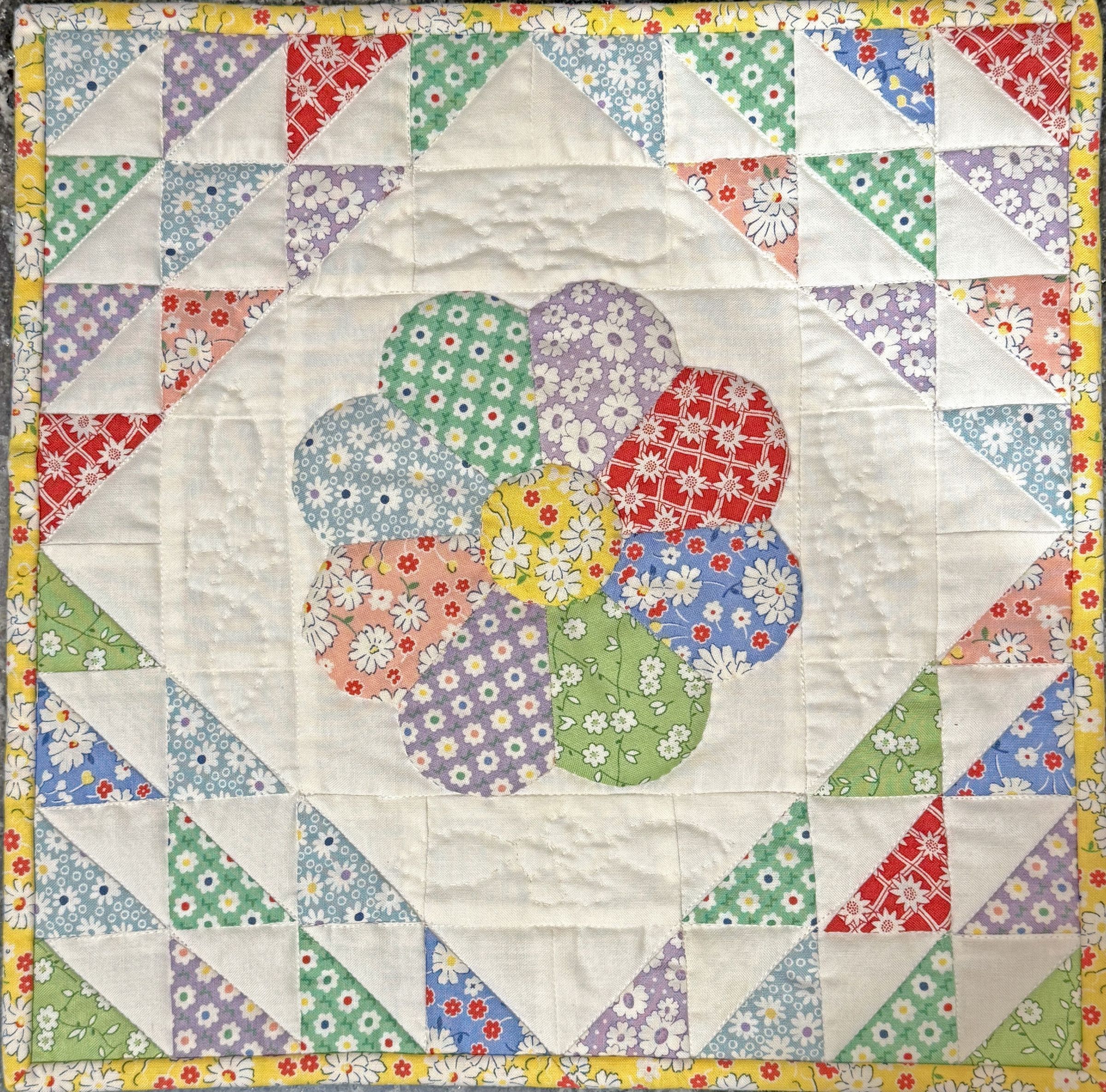
On her needlework and quilting, Sister wrote: “My mother and maternal grandmother were seamstresses so my interest in working with fabric and thread began early in my life. I learned to embroider from my grandmother and how to use the sewing machine from my mother. I made my own clothes from middle school through college. I majored in Home Economics and took tailoring classes along the way. I even modeled some of those garments in fashion shows.
During the Novitiate, I worked in Sr. Mary of the Angel’s clothes room helping her with sewing and repairing clothing items. At our recreation time, I once again embroidered items for “Mother’s table”.
When we were transitioning out of the traditional habit, I again started making clothes for myself and for others.
Sr. Mary Kay McKenzie taught me how to knit but I was so slow at it a skein of yarn would last nearly a year!!!
I decided to start counted cross stitch when I was living in Grapevine, TX with the provincial council. It was portable so that I could take it with me when traveling. This continued until last year. It was always fun seeing how an actual picture emerged out of so many stitches!
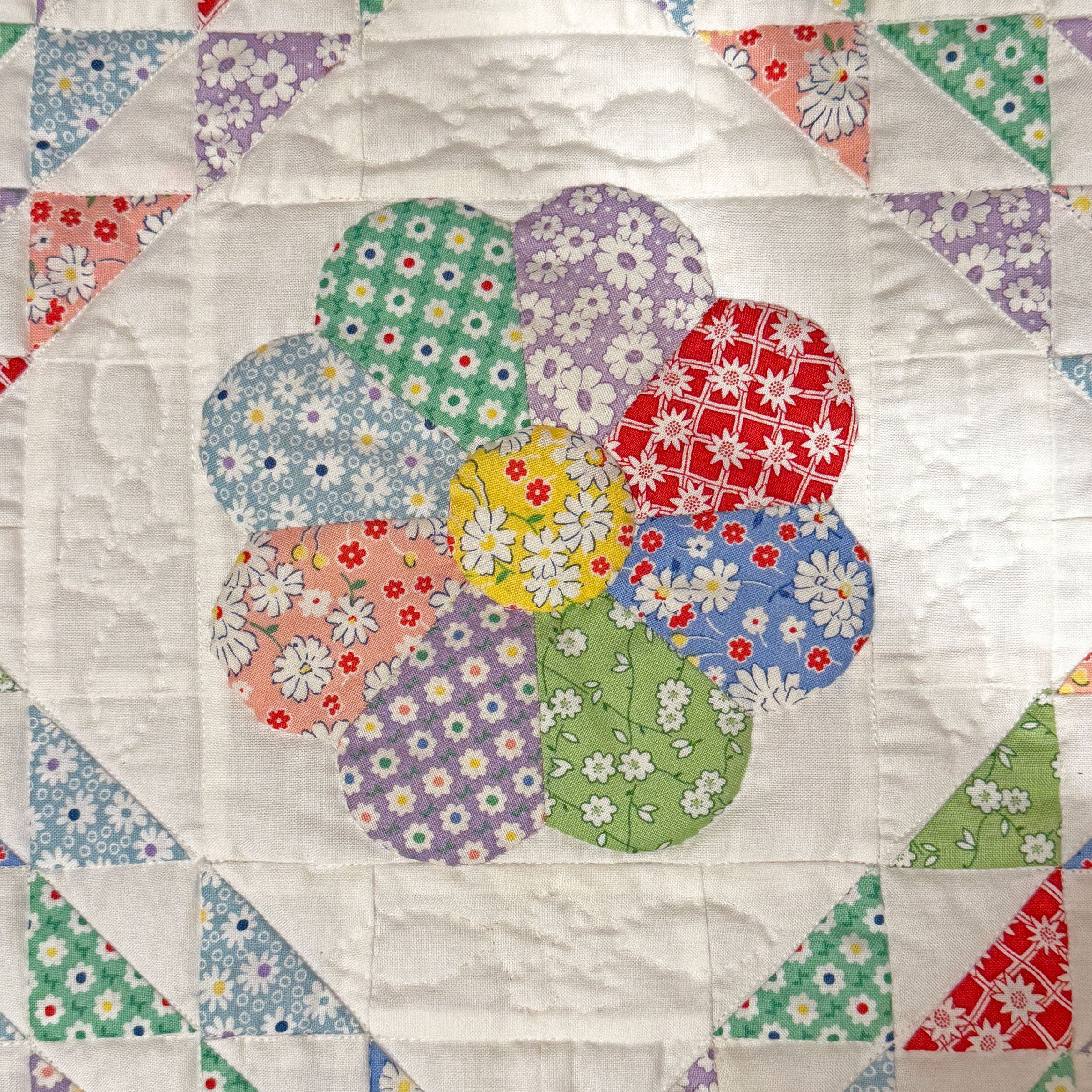
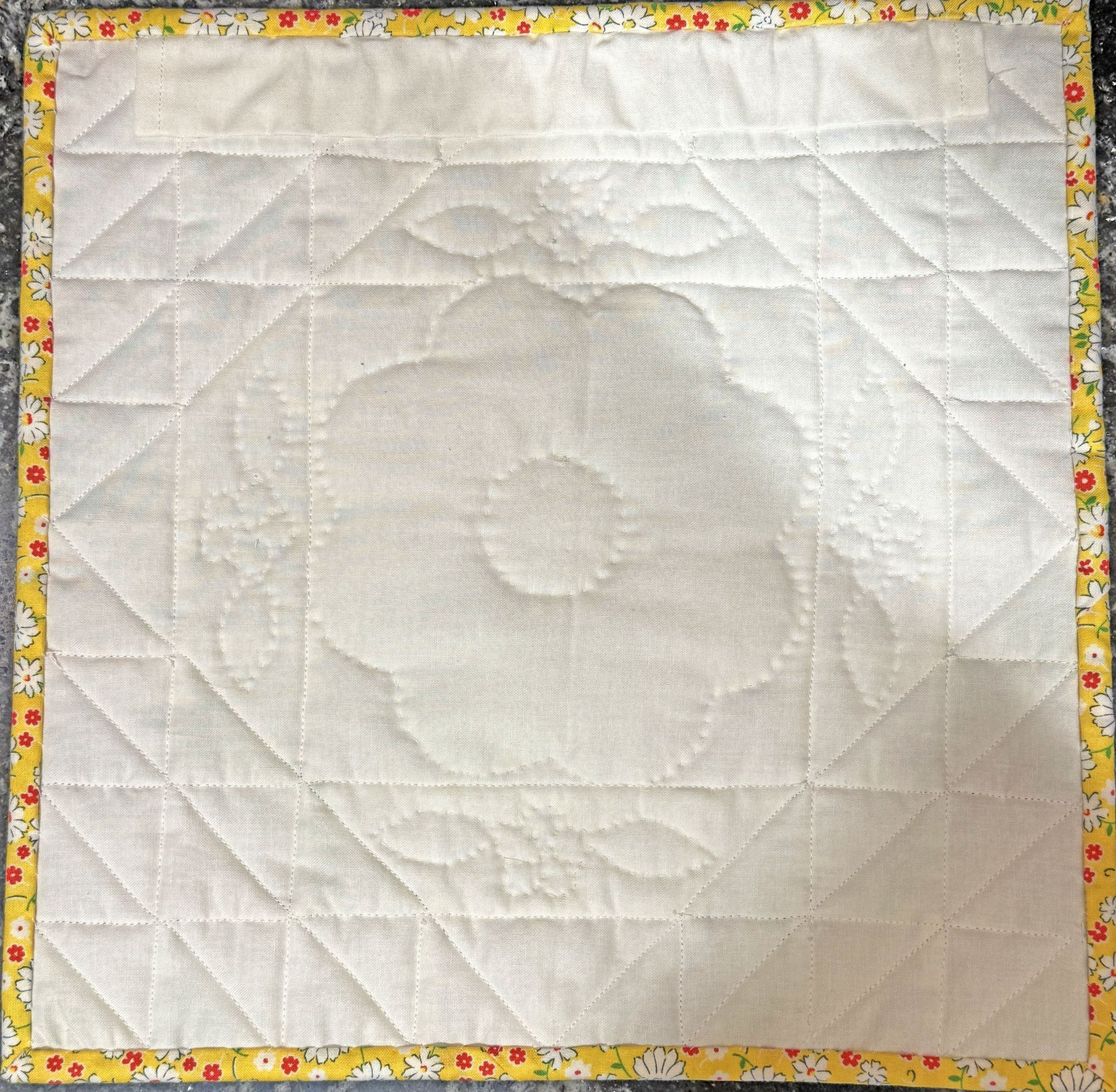
In 2000 I took my first quilting class in Jefferson City, MO which yielded a quilt that I still have. It’s made up of a variety of blocks that were used to teach us techniques that we needed. I became hooked on quilting and have made lots of wall hangings and smaller quilts to give as gifts or to decorate with in order to enjoy the four seasons. My favorite quilts tend toward the more traditional fabrics and designs that my mother and grandmother would have used. I like to do hand quilting as well as machine quilting but in recent years I have had others do the quilting on their long arm quilting machines for a few of my quilts.
Quilting (and cross stitching) are ways to return to a less commercialized world and to enjoy some of the simpler things of life that create beauty.”
Research Type
CuratorNotes
La hermana Margaret Snyder, CCVI, nació el 17 de diciembre de 1941 en Little Rock, Arkansas. Ingresó en la Congregación de las Hermanas de la Caridad del Verbo Encarnado (CCVI) en 1961, hizo sus primeros votos en 1964 y profesó sus votos perpetuos en 1969. La hermana Margaret dedicó sus primeros años como religiosa a la enseñanza primaria. Más tarde trabajó en el ámbito vocacional y en la pastoral universitaria.
Junto con las hermanas Marianne Kramer, CCVI, y Peggy Bonnot, CCVI, la hermana Margaret fundó El Puente Hispanic Ministry en Jefferson City, Misuri. El Puente ofrece ministerio pastoral, servicio directo, educación y enriquecimiento de la vida familiar a las familias católicas hispanas del centro de Misuri. La hermana Margaret fue directora de El Puente de 1999 a 2002 y codirectora de 2002 a 2010.
Sobre su costura y sus colchas, la hermana escribió: «Mi madre y mi abuela materna eran costureras, por lo que mi interés por trabajar con telas e hilos comenzó muy temprano en mi vida. Aprendí a bordar de mi abuela y a usar la máquina de coser de mi madre. Me hice mi propia ropa desde la escuela secundaria hasta la universidad. Me especialicé en Economía Doméstica y tomé clases de costura durante ese tiempo. Incluso desfilé con algunas de esas prendas en desfiles de moda.
Durante el noviciado, trabajé en el cuarto de ropa de la hermana Mary of the Angel, ayudándola a coser y reparar prendas. En nuestro tiempo de recreo, volví a bordar artículos para la «mesa de la madre».
Cuando estábamos dejando atrás los hábitos tradicionales, volví a empezar a hacer ropa para mí y para otras personas.
La hermana Mary Kay McKenzie me enseñó a tejer, pero era tan lenta que una madeja de lana me duraba casi un año.
Decidí empezar a hacer punto de cruz cuando vivía en Grapevine, Texas, con el consejo provincial. Era fácil de transportar, así que podía llevármelo cuando viajaba. Esto continuó hasta el año pasado. ¡Siempre era divertido ver cómo surgía una imagen real de entre tantos puntos!
En 2000, tomé mi primera clase de acolchado en Jefferson City, Misuri, y el resultado fue una colcha que todavía conservo. Está compuesta por una variedad de bloques que se utilizaron para enseñarnos las técnicas que necesitábamos. Me enganché al acolchado y he hecho muchos tapices y colchas más pequeñas para regalar o decorar y disfrutar de las cuatro estaciones. Mis colchas favoritas tienden a ser las de telas y diseños más tradicionales que habrían utilizado mi madre y mi abuela. Me gusta hacer acolchados a mano y a máquina, pero en los últimos años he pedido a otras personas que hagan el acolchado en sus máquinas de acolchado de brazo largo para algunos de mis edredones.
El acolchado (y el punto de cruz) son formas de volver a un mundo menos comercializado y disfrutar de algunas de las cosas más sencillas de la vida que crean belleza».