IHS Reliquary

Name/Title

IHS Reliquary

Entry/Object ID

2026.12.2

Description

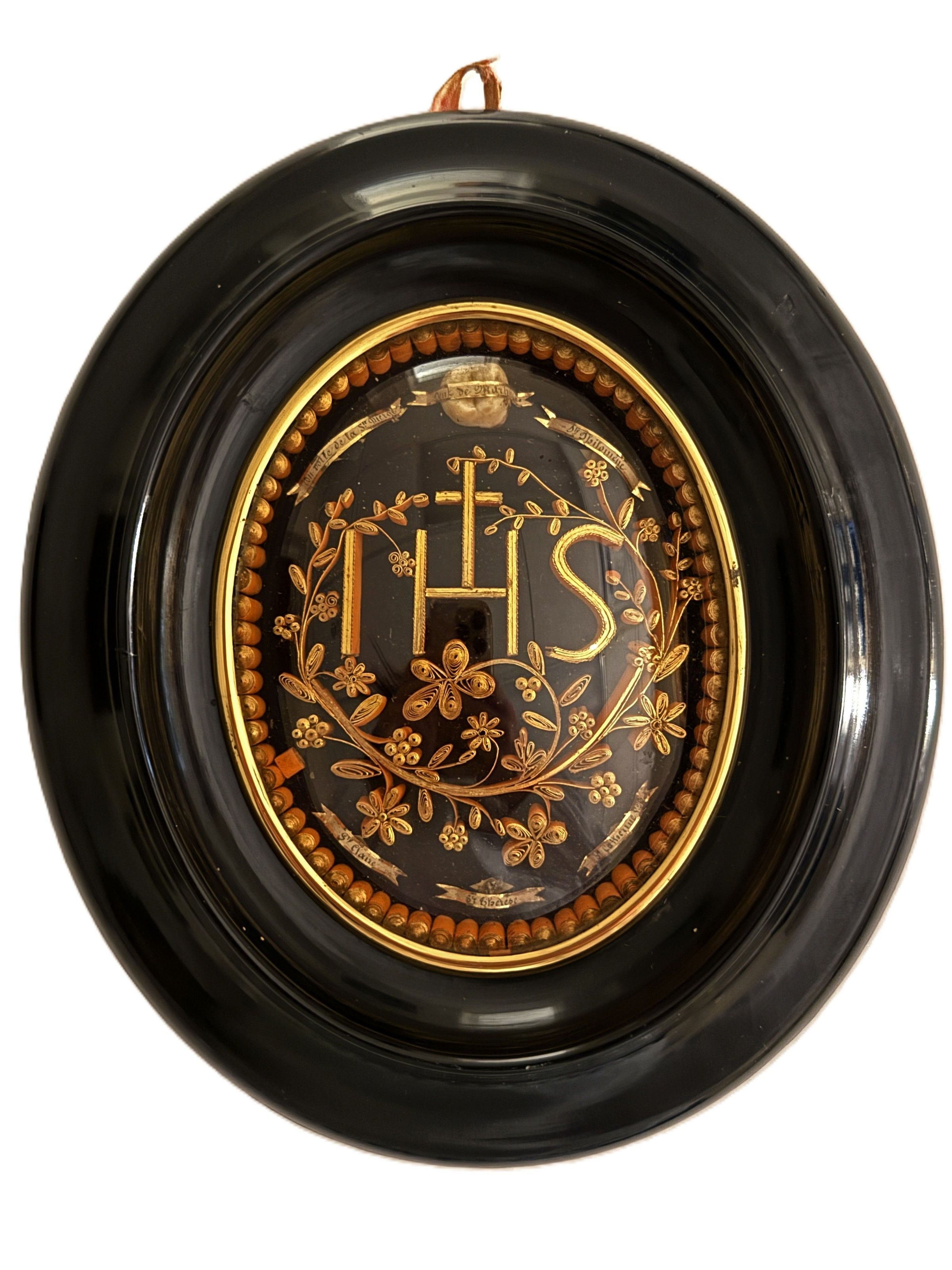
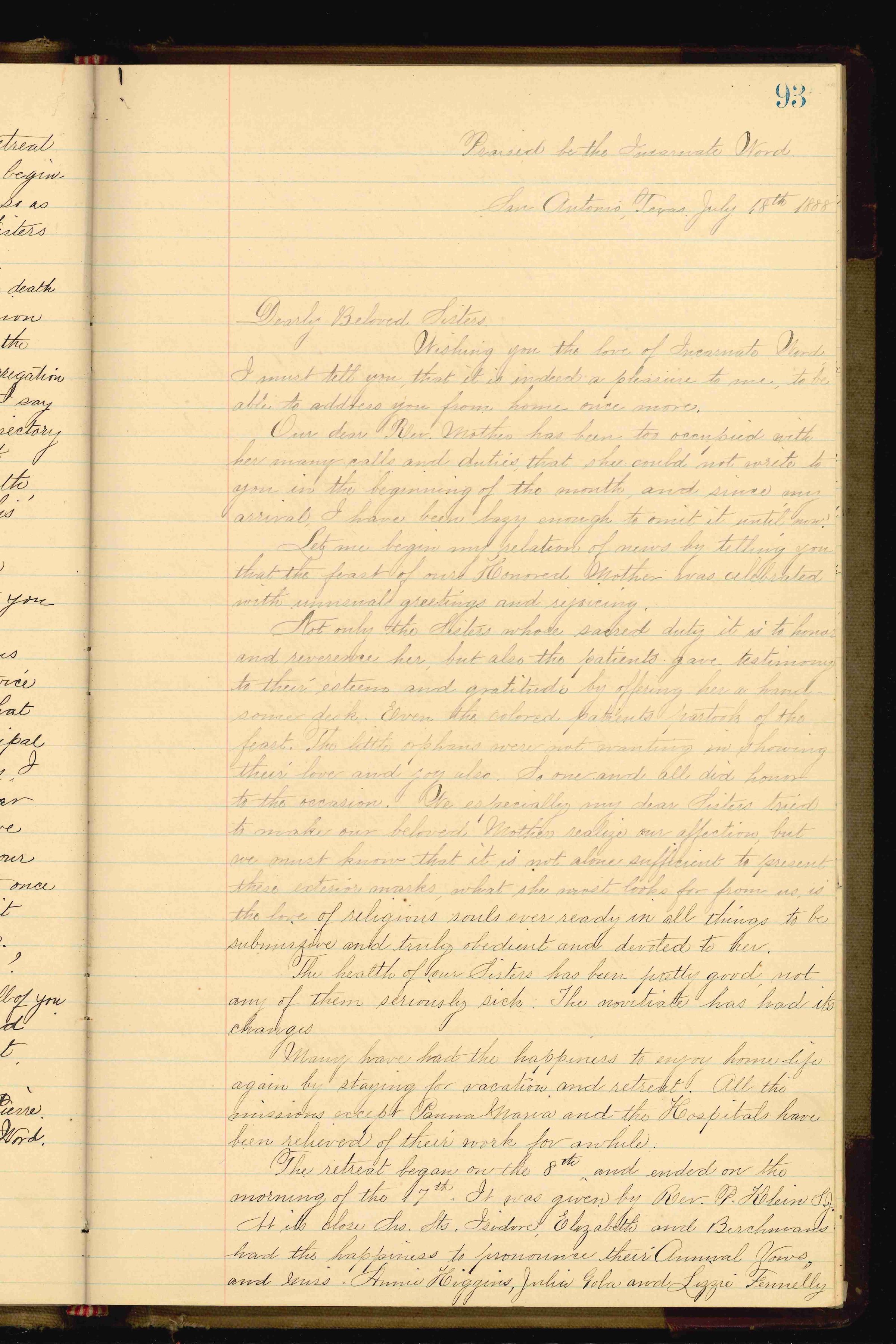
Title of artwork [assigned by archives]: IHS Reliquary Sister Ignatius Saar, CCVI (1858 – 1894) made this “paperole,” or ornamental paper, reliquary for Mother St. Pierre Cinquin (1845 – 1891) as a gift for her feast day on June 29, 1888. The reliquary contains the following relics: the veil of the Blessed Virgin, a Martyr's tooth, and relics of St. Philomena, St. Catherine S.M., St. Thérèse [likely de Avila], and St. Clare [likely of Assisi]. Each relic is covered with a small handwritten label. The relics encircle the central “paperole” design of the letters “IHS,” which is surrounded by floral filigree. IHS is a Christogram, a combination of letters that represent the name of Jesus Christ. These letters are seen in the emblem of the Sisters of Charity of the Incarnate Word (CCVI), which was embroidered on scapulars that Sisters wore at the front of their habits. June 29 is the feast day of Mother St. Pierre’s namesake, Saint Peter the Apostle, and, therefore, her feast day. St. Pierre served as the Mother Superior of the Congregation from 1872 to 1891, making her feast day a congregational celebration. Sister Ignatius Saar created this reliquary, as well as its sister reliquary [see Cross Reliquary entry], to commemorate this significant day in 1888. Sister St. Gabriel Wheelahan, Congregational Secretary, described the celebrations of the day in a letter to the CCVI Community on July 18, 1888: “Let me begin my relation of news by telling you that the feast of our Honored Mother [St. Pierre Cinquin] was celebrated with unusual greetings and rejoicing. Not only the Sisters, whose sacred duty it is to honor and reverence her, but also the patients [of Santa Rosa Hospital] gave testimony to their esteem and gratitude by offering her a handsome desk. Even the colored patients partook of the feast. The little orphans were not wanting in showing their love and joy also. So one and all did honor to the occasion. We especially, my dear Sisters, tried to make our beloved Mother realize our affection. But we must know that it is not alone sufficient to present these exterior marks; what she most looks for from us is the love of religious souls ever ready in all things to be submissive and truly obedient and devoted to her.” ------------------ Título de la obra [asignado por los archivos]: Relicario IHS La hermana Ignatius Saar, CCVI (1858-1894), confeccionó este relicario de «paperole» —papel ornamental— para la madre St. Pierre Cinquin (1845-1891) como regalo con motivo de su festividad, el 29 de junio de 1888. El relicario contiene las siguientes reliquias: el velo de la Santísima Virgen, un diente de un mártir y reliquias de Santa Filomena, Santa Catalina S.M., Santa Teresa [probablemente de Ávila] y Santa Clara [probablemente de Asís]. Cada reliquia está cubierta con una pequeña etiqueta escrita a mano. Las reliquias rodean el diseño central en forma de «paperole» de las letras «IHS», que a su vez está rodeado de filigrana floral. IHS es un cristograma, una combinación de letras que representan el nombre de Jesucristo. Estas letras aparecen en el emblema de las Hermanas de la Caridad del Verbo Encarnado (CCVI), que estaba bordado en los escapularios que las hermanas llevaban en la parte delantera de sus hábitos. El 29 de junio es la festividad del santo patrón de la Madre St. Pierre, San Pedro Apóstol, y, por lo tanto, su festividad. Santa Pierre fue madre superiora de la Congregación de 1872 a 1891, lo que convierte su festividad en una celebración congregacional. La hermana Ignatius Saar creó este relicario, así como su relicario gemelo [véase la entrada «Relicario en forma de cruz»], para conmemorar este día tan significativo en 1888. La hermana Santa Gabriel Wheelahan, secretaria de la Congregación, describió las celebraciones de ese día en una carta dirigida a la comunidad CCVI el 18 de julio de 1888: «Permítanme comenzar mi relato de noticias diciéndoles que la fiesta de nuestra Venerada Madre [San Pierre Cinquin] se celebró con saludos y alegría inusuales. No solo las Hermanas, cuyo deber sagrado es honrarla y venerarla, sino también los pacientes [del Hospital de Santa Rosa] dieron testimonio de su estima y gratitud ofreciéndole un hermoso escritorio. Incluso los pacientes de color participaron en la fiesta. Los pequeños huérfanos tampoco quisieron quedarse atrás a la hora de mostrar su amor y alegría. Así, todos y cada uno honraron la ocasión. Nosotras, especialmente, queridas hermanas, intentamos hacer sentir a nuestra amada Madre nuestro afecto. Pero debemos saber que no basta con ofrecer estas muestras externas; lo que ella más espera de nosotras es el amor de almas religiosas, siempre dispuestas en todo a ser sumisas, verdaderamente obedientes y devotas a ella».

Collection

Government-General / Anniversaries and Publications

Made/Created

Artist

Sister Ignatius Saar, CCVI

Date made

Jun 29, 1888

Time Period

19th Century

Place

City

San Antonio, Texas

Inscription/Signature/Marks

Type

Inscription

Location

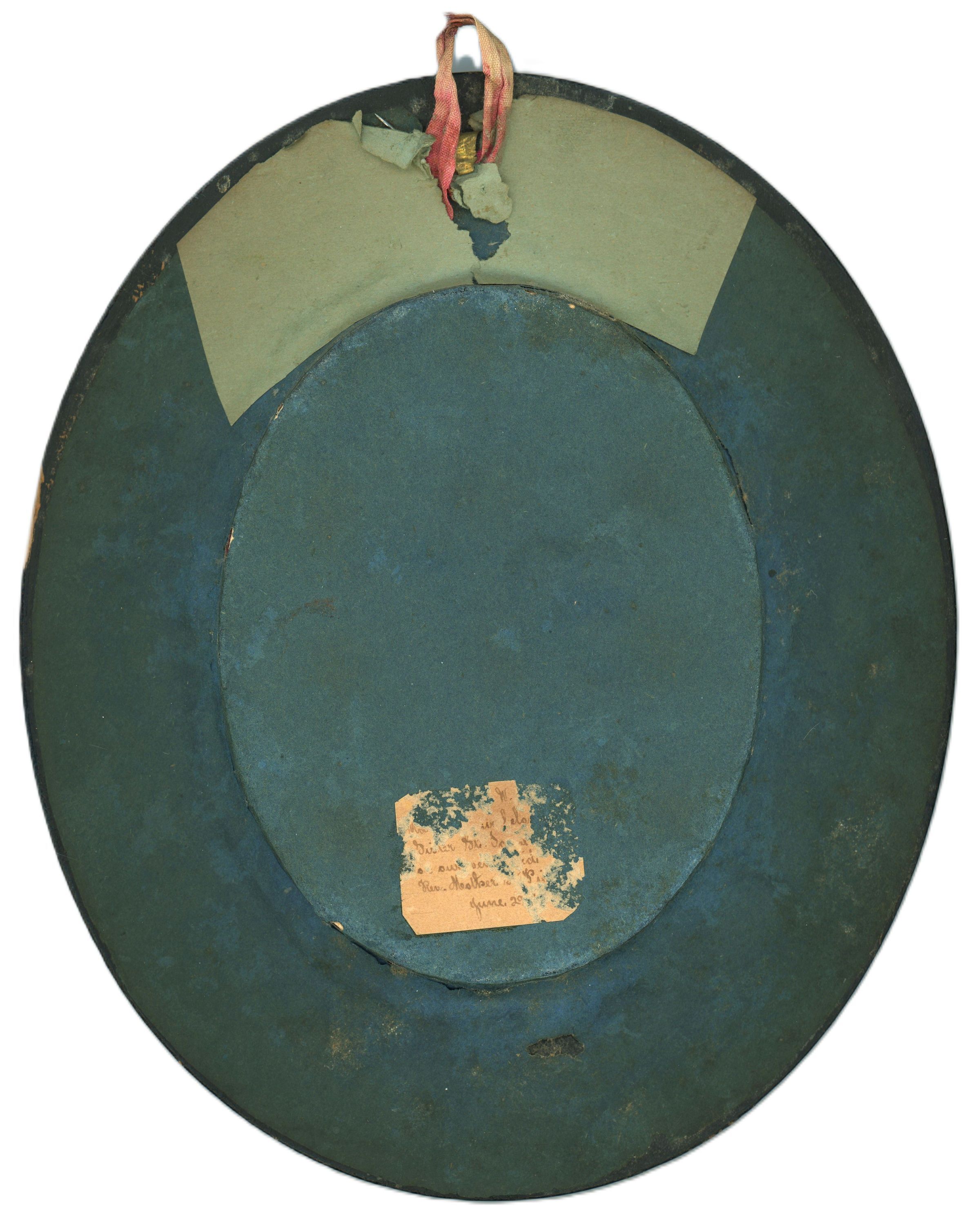
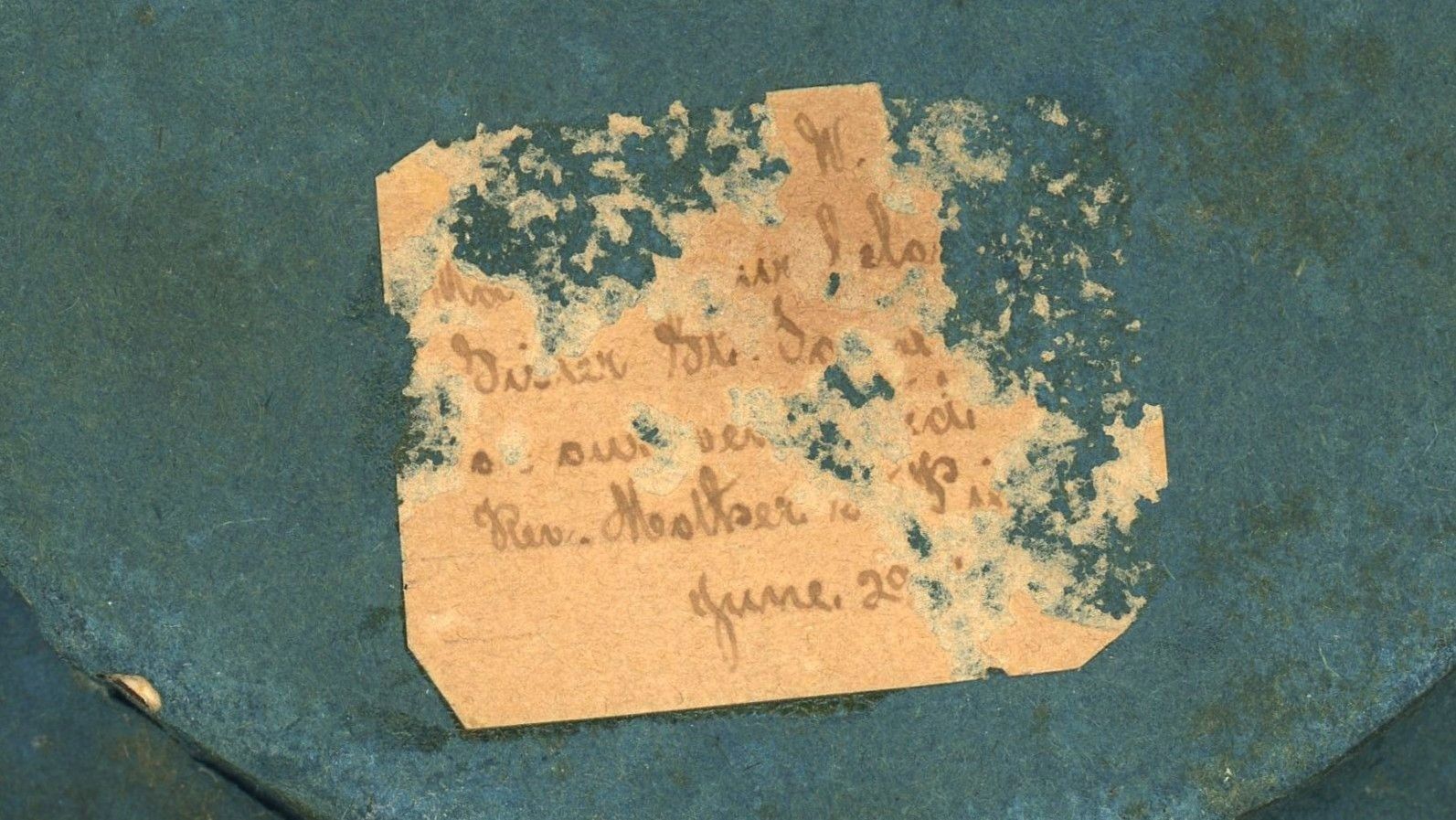
Back of reliquary / La parte posterior del relicario

Transcription

P.B.I.W [Praised be the Incarnate Word] / [Made by?] our beloved Sister Ignatius Saar for our venerated Rev. Mother St. Pierre / June 29th, 1888.

Language

English

Translation

P.B.I.W. [Alabado sea el Verbo Encarnado] / [¿Realizado por?] nuestra querida hermana Ignatius Saar para nuestra venerada reverenda madre St. Pierre / 29 de junio de 1888.

Material/Technique

Ink

Type

Label

Location

Slips of paper covering each relic / Tiras de papel que cubren cada reliquia

Transcription

Starting with top left and moving clockwise: 1) Du voile de la Ste Pierge 2) Dent de Martyre 3) Ste Philomene 4) Ste Catherine S.M. 5) Ste Therese 6) Ste Claire

Language

French

Translation

1) The Veil of the Blessed Virgin 2) Martyr's Tooth 3) St. Philomena 4) St. Catherine S.M. 5) St. Thérèse 6) St. Clare ----- 1) El velo de la Virgen María 2) Diente de Mártir 3) Santa Filomena 4) Santa Catalina S.M. 5) Santa Teresa 6) Santa Clara

Material/Technique

Ink

Lexicon

Nomenclature 4.0

Nomenclature Secondary Object Term

Reliquary

Nomenclature Primary Object Term

Container, Ritual

Nomenclature Sub-Class

Religious Objects

Nomenclature Class

Ceremonial Objects

Nomenclature Category

Category 08: Communication Objects

Getty AAT

Concept

reliquaries

LOC Thesaurus for Graphic Materials

Reliquaries

Dimensions

Height

7 in

Width

6-1/4 in

Depth

1 in

Research Notes

Research Type

Curator

Notes

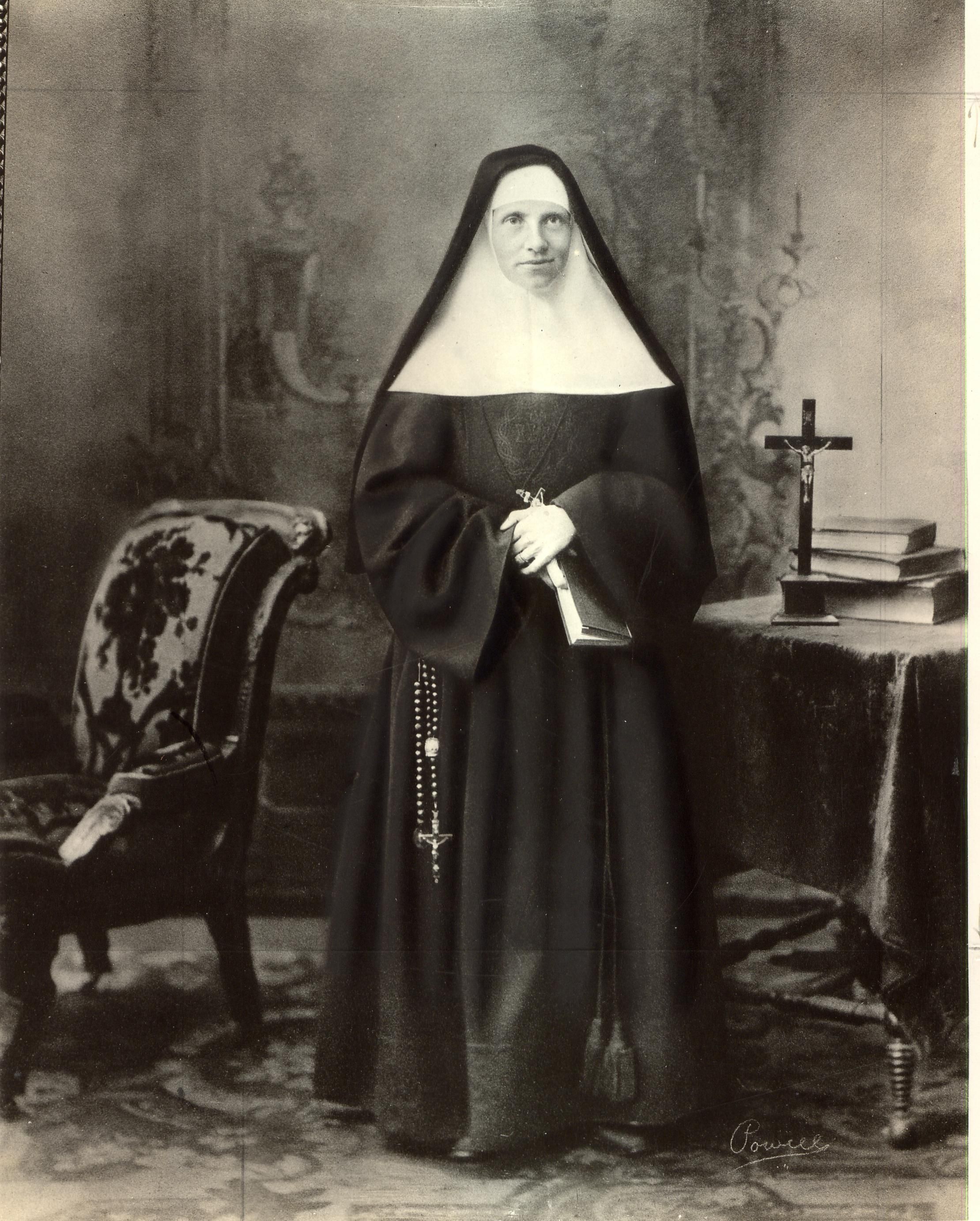
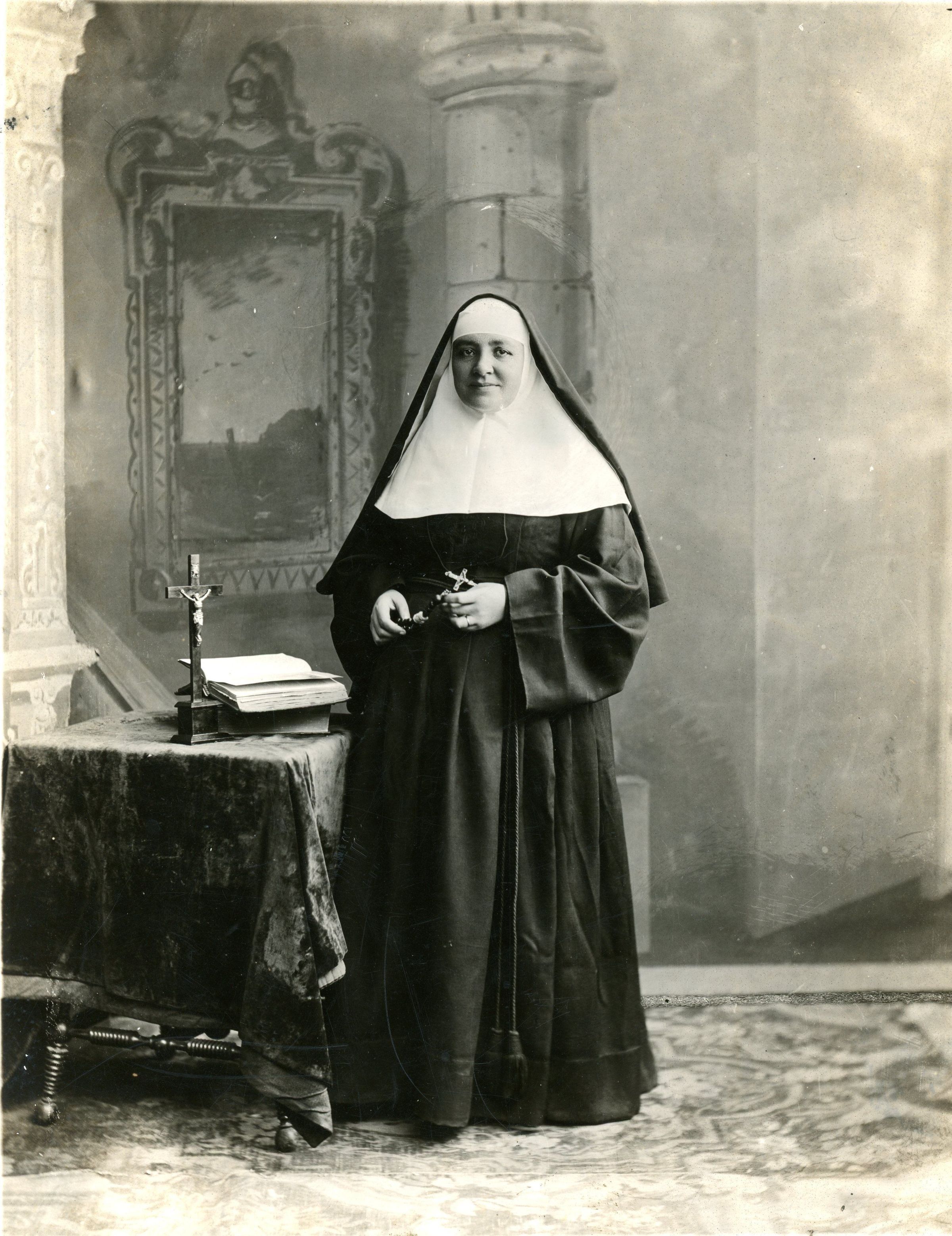
Mother Ignatius Saar (1858 – 1894) was born in Labach, Prussia on June 8, 1858. She entered the Congregation in 1878, took her first vows in 1880, and made her final profession in 1885. Mother Ignatius missioned at Santa Rosa Hospital and St. Joseph’s Orphanage in San Antonio before being elected General Superior in 1892, following the death of Mother St. Pierre Cinquin. She served in this role until her death on October 14, 1894. ----------------------------- Entry on Mother St. Pierre Cinquin by Sister Josephine Kennelly, CCVI in the Texas State Historical Association Handbook, December 1, 1994: Jeanne Pierrette (Mother St. Pierre) Cinquin, foundress of the Sisters of the Incarnate Word of San Antonio and pioneer in health care and education, the daughter of Pierre and Claudine (Biellard) Cinquin, was born in Beaujeu, France, on May 22, 1845. On completing her education at the Ursuline Academy in Beaujeu, she entered the Monastery of the Incarnate Word in Lyons, where she was prepared for the mission in Texas. She received the habit and with it the name Sister Saint Pierre on August 6, 1868. Toward the close of the year she arrived in Galveston to join her missionary companions at St. Mary's Charity Hospital. Bishop Claude Dubuis appointed sisters St. Pierre, Madeleine, and Agnes to begin a new foundation; they arrived in San Antonio in March 1869. At that time San Antonio was a mere frontier village recovering from the effects of two cholera epidemics that had broken out during the two previous decades. The worst epidemic recorded was that of 1849; it was followed by another in 1866, which, though not so severe, was sufficiently grave to arouse the anxiety of the people. But the community, with few doctors, no nurses, and no hospitals, experienced new hope when on December 3, 1869, Sister St. Pierre and her two companions opened the first hospital, known at that time as Santa Rosa Infirmary (now Santa Rosa Medical Center), to begin its long career of service to humanity. In the spring of 1872 Sister St. Pierre was appointed superioress of her congregation, an office she held until her death. During her administration she recruited new members for the congregation; trained sisters for health care and education; and opened schools and hospitals throughout Texas and beyond its borders, a home for the aged, and an orphanage in San Antonio. Her letters reveal that she was a shrewd businesswoman and a wise and practical administrator, deeply spiritual and dedicated to serving the sick, the poor, and orphans. She died in her native France on December 19, 1891, at the age of forty-six. Her remains were transferred to San Antonio in 1895.

Research Type

Curator

Notes

La hermana Ignatius Saar (1858-1894) nació en Labach, Prusia, el 8 de junio de 1858. Ingresó en la Congregación en 1878, pronunció sus primeros votos en 1880 y realizó su profesión perpetua en 1885. La hermana Ignatius prestó servicio en el Hospital Santa Rosa y en el Orfanato San José de San Antonio antes de ser elegida superiora general en 1892, tras el fallecimiento de la madre St. Pierre Cinquin. Desempeñó este cargo hasta su muerte, el 14 de octubre de 1894. ----------------------------- Entrada sobre la Madre St. Pierre Cinquin por la hermana Josephine Kennelly, CCVI, en el Manual de la Asociación Histórica del Estado de Texas, 1 de diciembre de 1994: Jeanne Pierrette (Madre St. Pierre) Cinquin, fundadora de las Hermanas del Verbo Encarnado de San Antonio y pionera en la atención sanitaria y la educación, hija de Pierre y Claudine (Biellard) Cinquin, nació en Beaujeu, Francia, el 22 de mayo de 1845. Tras completar su educación en la Academia de las Ursulinas de Beaujeu, ingresó en el Monasterio del Verbo Encarnado de Lyon, donde se preparó para la misión en Texas. Recibió el hábito y, con él, el nombre de hermana Saint Pierre el 6 de agosto de 1868. Hacia finales de año llegó a Galveston para reunirse con sus compañeras misioneras en el St. Mary's Charity Hospital. El obispo Claude Dubuis encargó a las hermanas St. Pierre, Madeleine y Agnes que iniciaran una nueva fundación; llegaron a San Antonio en marzo de 1869. En aquella época, San Antonio no era más que una aldea fronteriza que se recuperaba de los efectos de dos epidemias de cólera que habían estallado durante las dos décadas anteriores. La peor epidemia registrada fue la de 1849; a esta le siguió otra en 1866 que, aunque no tan severa, fue lo suficientemente grave como para despertar la inquietud de la población. Pero la comunidad, con pocos médicos, sin enfermeras y sin hospitales, experimentó una nueva esperanza cuando, el 3 de diciembre de 1869, la hermana St. Pierre y sus dos compañeras inauguraron el primer hospital, conocido en aquella época como Santa Rosa Infirmary (hoy Santa Rosa Medical Center), para iniciar su larga trayectoria de servicio a la humanidad. En la primavera de 1872, la hermana St. Pierre fue nombrada superiora de su congregación, cargo que ocupó hasta su muerte. Durante su mandato, reclutó nuevas miembros para la congregación; formó a las hermanas en el ámbito de la asistencia sanitaria y la educación; y abrió escuelas y hospitales por todo Texas y más allá de sus fronteras, así como una residencia para personas mayores y un orfanato en San Antonio. Sus cartas revelan que era una mujer de negocios astuta y una administradora sabia y práctica, profundamente espiritual y dedicada al servicio de los enfermos, los pobres y los huérfanos. Falleció en su Francia natal el 19 de diciembre de 1891, a la edad de cuarenta y seis años. Sus restos fueron trasladados a San Antonio en 1895.