Research Type
CuratorNotes
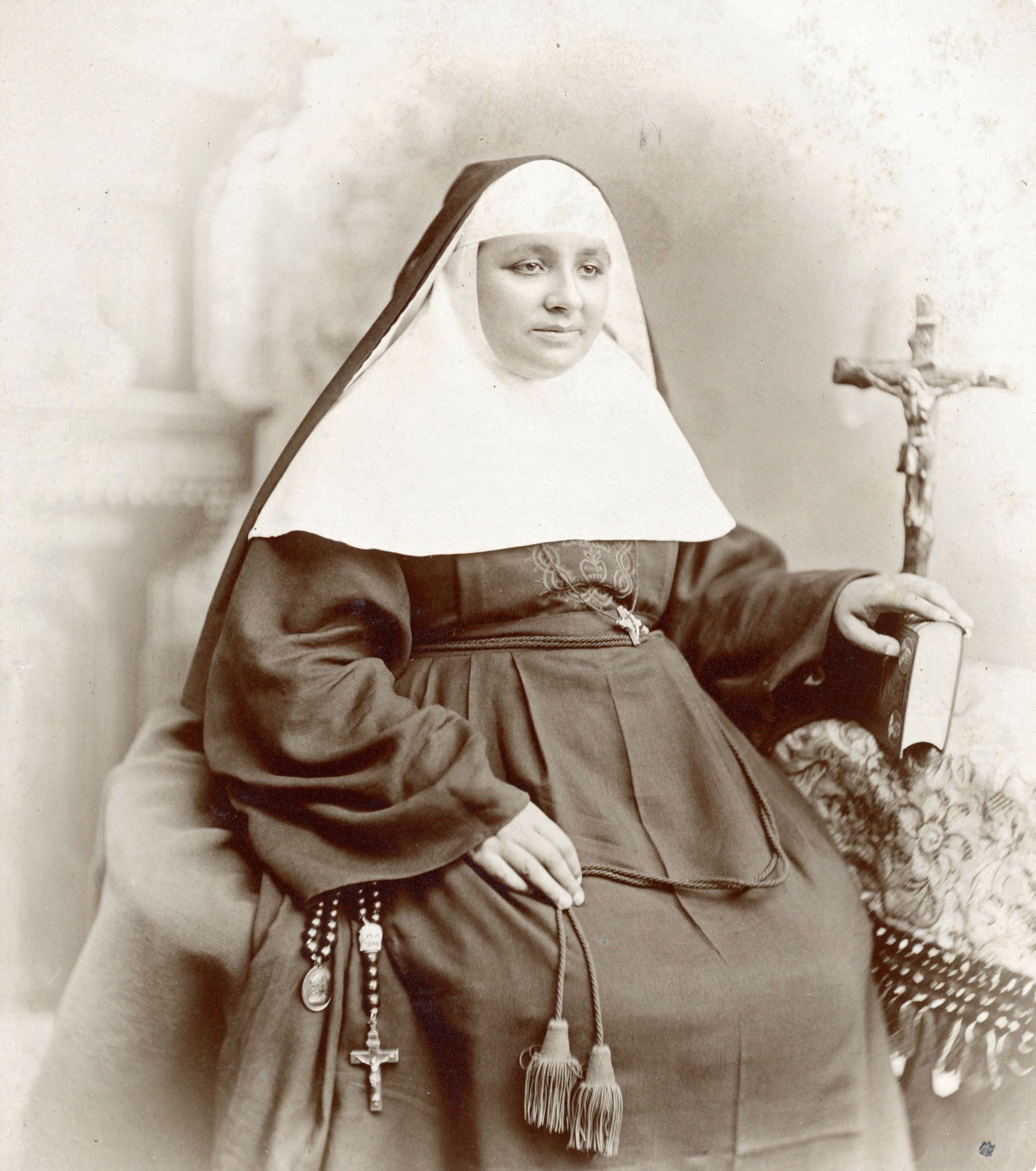
Entry on Mother St. Pierre Cinquin by Sister Josephine Kennelly, CCVI in the Texas State Historical Association Handbook, December 1, 1994:
Jeanne Pierrette (Mother St. Pierre) Cinquin, foundress of the Sisters of the Incarnate Word of San Antonio and pioneer in health care and education, the daughter of Pierre and Claudine (Biellard) Cinquin, was born in Beaujeu, France, on May 22, 1845. On completing her education at the Ursuline Academy in Beaujeu, she entered the Monastery of the Incarnate Word in Lyons, where she was prepared for the mission in Texas. She received the habit and with it the name Sister Saint Pierre on August 6, 1868. Toward the close of the year she arrived in Galveston to join her missionary companions at St. Mary's Charity Hospital.
Bishop Claude Dubuis appointed sisters St. Pierre, Madeleine, and Agnes to begin a new foundation; they arrived in San Antonio in March 1869. At that time San Antonio was a mere frontier village recovering from the effects of two cholera epidemics that had broken out during the two previous decades. The worst epidemic recorded was that of 1849; it was followed by another in 1866, which, though not so severe, was sufficiently grave to arouse the anxiety of the people. But the community, with few doctors, no nurses, and no hospitals, experienced new hope when on December 3, 1869, Sister St. Pierre and her two companions opened the first hospital, known at that time as Santa Rosa Infirmary (now Santa Rosa Medical Center), to begin its long career of service to humanity.
In the spring of 1872 Sister St. Pierre was appointed superioress of her congregation, an office she held until her death. During her administration she recruited new members for the congregation; trained sisters for health care and education; and opened schools and hospitals throughout Texas and beyond its borders, a home for the aged, and an orphanage in San Antonio. Her letters reveal that she was a shrewd businesswoman and a wise and practical administrator, deeply spiritual and dedicated to serving the sick, the poor, and orphans. She died in her native France on December 19, 1891, at the age of forty-six. Her remains were transferred to San Antonio in 1895.Research Type
CuratorNotes
Entrada sobre la Madre St. Pierre Cinquin por la hermana Josephine Kennelly, CCVI, en el Manual de la Asociación Histórica del Estado de Texas, 1 de diciembre de 1994:
Jeanne Pierrette (Madre St. Pierre) Cinquin, fundadora de las Hermanas del Verbo Encarnado de San Antonio y pionera en la atención sanitaria y la educación, hija de Pierre y Claudine (Biellard) Cinquin, nació en Beaujeu, Francia, el 22 de mayo de 1845. Tras completar su educación en la Academia de las Ursulinas de Beaujeu, ingresó en el Monasterio del Verbo Encarnado de Lyon, donde se preparó para la misión en Texas. Recibió el hábito y, con él, el nombre de hermana Saint Pierre el 6 de agosto de 1868. Hacia finales de año llegó a Galveston para reunirse con sus compañeras misioneras en el St. Mary's Charity Hospital.
El obispo Claude Dubuis encargó a las hermanas St. Pierre, Madeleine y Agnes que iniciaran una nueva fundación; llegaron a San Antonio en marzo de 1869. En aquella época, San Antonio no era más que una aldea fronteriza que se recuperaba de los efectos de dos epidemias de cólera que habían estallado durante las dos décadas anteriores. La peor epidemia registrada fue la de 1849; a esta le siguió otra en 1866 que, aunque no tan severa, fue lo suficientemente grave como para despertar la inquietud de la población. Pero la comunidad, con pocos médicos, sin enfermeras y sin hospitales, experimentó una nueva esperanza cuando, el 3 de diciembre de 1869, la hermana St. Pierre y sus dos compañeras inauguraron el primer hospital, conocido en aquella época como Santa Rosa Infirmary (hoy Santa Rosa Medical Center), para iniciar su larga trayectoria de servicio a la humanidad.
En la primavera de 1872, la hermana St. Pierre fue nombrada superiora de su congregación, cargo que ocupó hasta su muerte. Durante su mandato, reclutó nuevas miembros para la congregación; formó a las hermanas en el ámbito de la asistencia sanitaria y la educación; y abrió escuelas y hospitales por todo Texas y más allá de sus fronteras, así como una residencia para personas mayores y un orfanato en San Antonio. Sus cartas revelan que era una mujer de negocios astuta y una administradora sabia y práctica, profundamente espiritual y dedicada al servicio de los enfermos, los pobres y los huérfanos. Falleció en su Francia natal el 19 de diciembre de 1891, a la edad de cuarenta y seis años. Sus restos fueron trasladados a San Antonio en 1895.Research Type
CuratorNotes
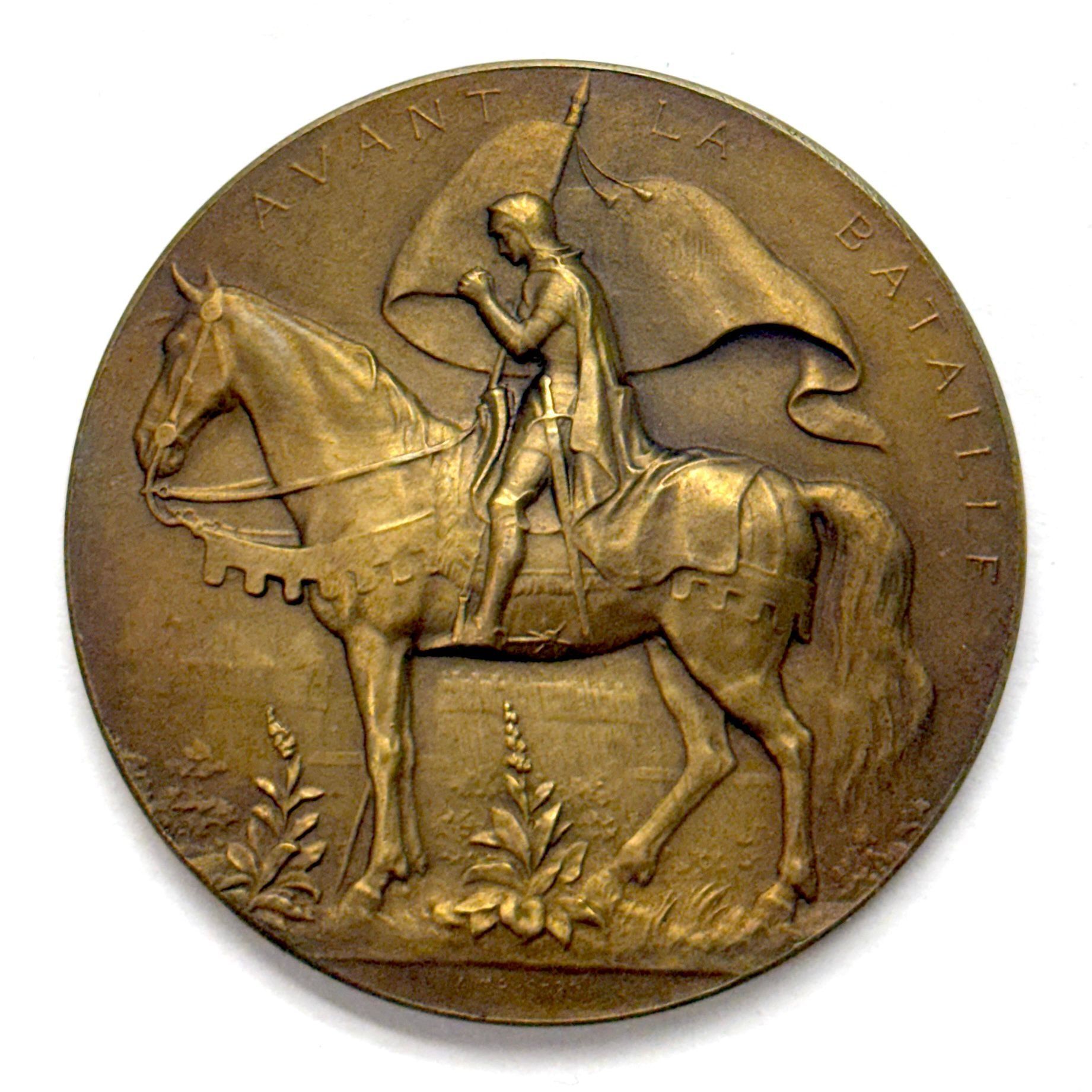
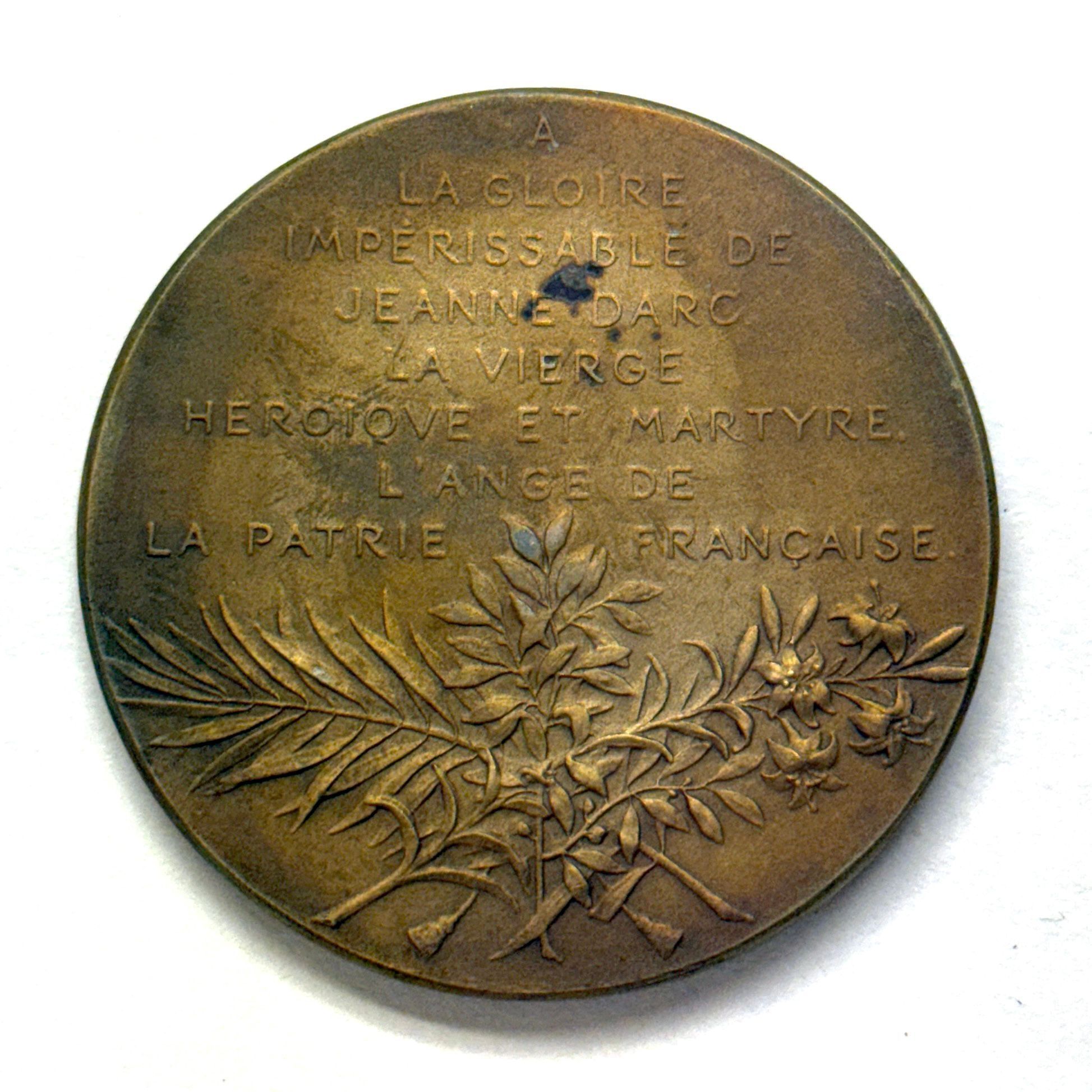
Biography of Louis-Eugène Mouchon from the British Museum:
Sculptor and medallist, born in Paris; produced various works in metal, enamels, bindings and books, including typographies and illustrations.also known for his banknotes and postage stamps. Studied engraving in his father's workshop.
Cayalogue General:, began exhibiting at the Salon in 1876; Member of the Société des Artistes Français from 1888. Awarded a silver medal in 1900; Chevalier de la Légion d'Honneur in 1895.
Mazerolle:
Started medal engraving in 1886 and exhibited for the first time in 1887, and received a medal in 1888.
1889: awarded gold medal at xposition Universelle, in the art of drawing section.
Four years later, received first prize in the orfevrerie contest instituted by the Union Central des Arts decoratifs.
1894: another medal at the Salon, in section for gravure et medailles, and the diploma of honour at the Exposition Internationale du Livre.
1895: Chevalier de la Legion d'Honneur and officier d'Academie.
-----------------------
Biografía de Louis-Eugène Mouchon del Museo Británico:
Escultor y medallista, nacido en París; realizó diversas obras en metal, esmaltes, encuadernaciones y libros, entre las que se incluyen tipografías e ilustraciones. También es conocido por sus billetes de banco y sellos postales. Estudió grabado en el taller de su padre.
Catálogo General: comenzó a exponer en el Salón en 1876; miembro de la Société des Artistes Français desde 1888. Galardonado con una medalla de plata en 1900; nombrado Caballero de la Legión de Honor en 1895.
Mazerolle:
Comenzó a grabar medallas en 1886 y expuso por primera vez en 1887, recibiendo una medalla en 1888.
1889: galardonado con la medalla de oro en la Exposición Universal, en la sección de arte del dibujo.
Cuatro años más tarde, obtuvo el primer premio en el concurso de orfebrería organizado por la Unión Central de las Artes Decorativas.
1894: otra medalla en el Salón, en la sección de grabado y medallas, y el diploma de honor en la Exposición Internacional del Libro.
1895: nombrado Caballero de la Legión de Honor y Oficial de la Academia.