Ernst Kaltenbrunner
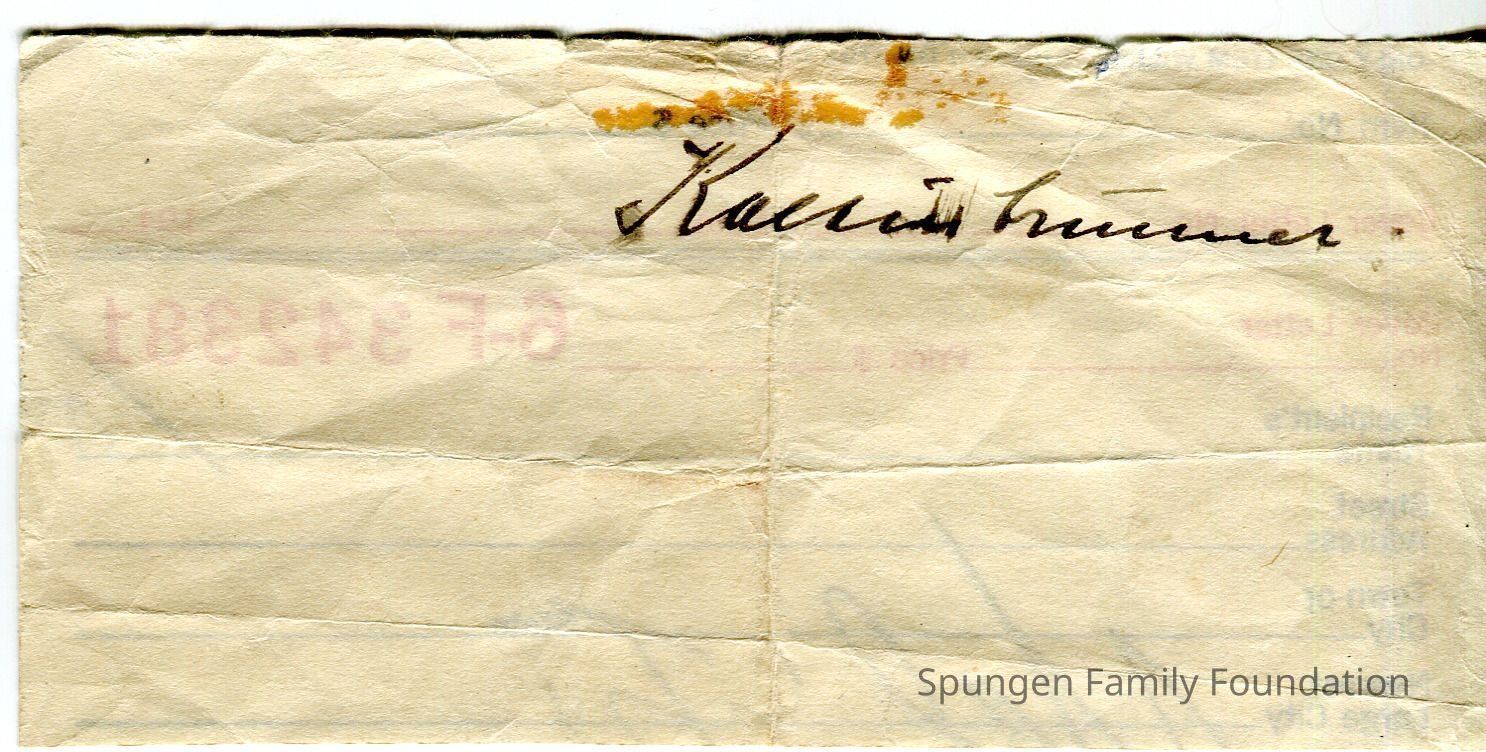
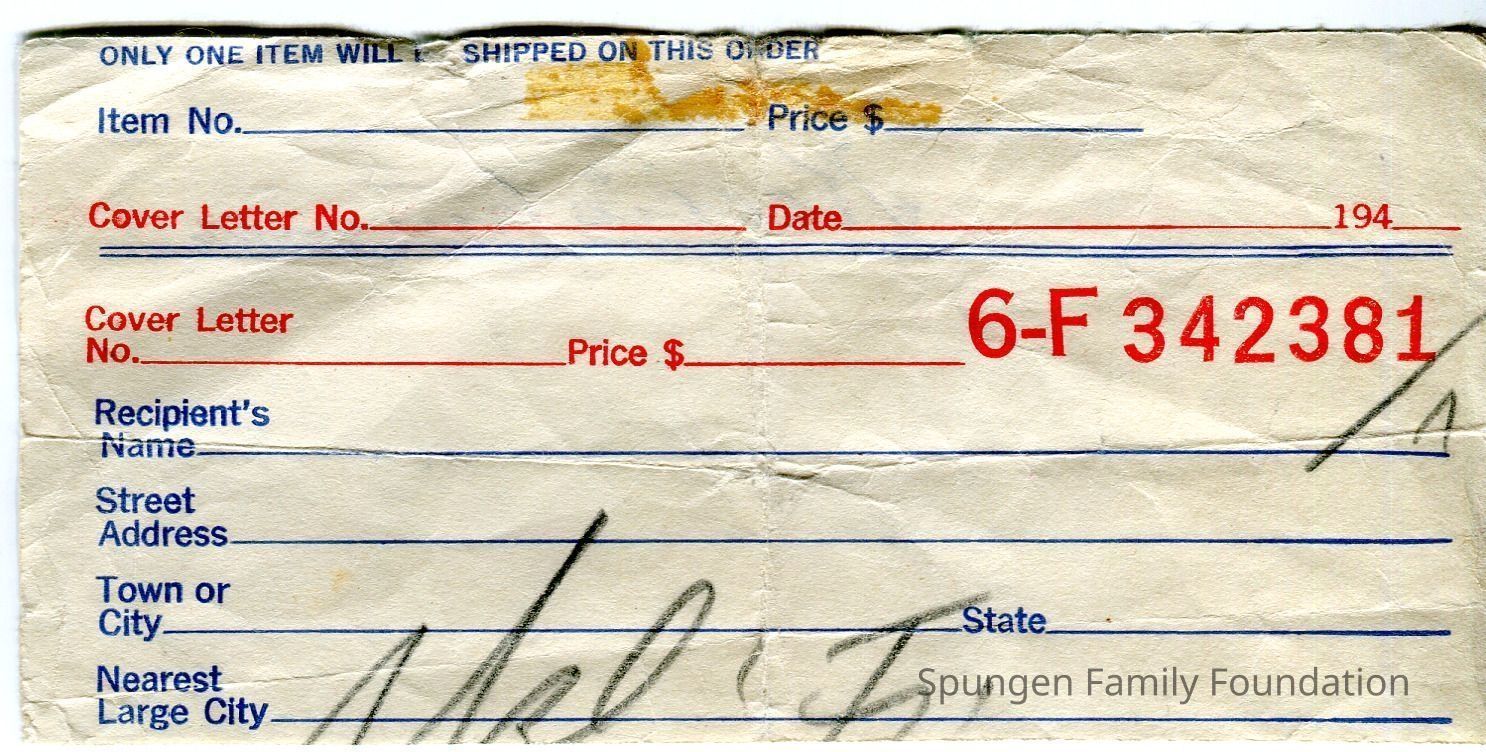
1946, Front side - Note card with Ernst Kaltenbrunner signature from the Palace of Justice in Nuremberg, Germany.
Tan note card with cursive signature and printed handwriting in German using black ink.
Name/Title
Ernst KaltenbrunnerEntry/Object ID
2026.7.9Scope and Content
1946, note card with Ernst Kaltenbrunner signature from the Palace of Justice in Nuremberg, Germany.Context
Ernst Kaltenbrunner was a lawyer and high-ranking Schutzstaffel (SS) official. In 1942, as a result of Reinhard Heydrich’s assassination, Kaltenbrunner was appointed the Director of the Reich Security Main Office. Additionally, he acted as the president of Interpol during World War II. As a highly educated official, Kaltenbrunner played an integral part in the organization of the Holocaust. Some of his achievements included the coordination of security, suppressing resistance movements, and facilitating arrests and executions. Kaltenbrunner’s father, Hugo, played a primary role in his early exposure to antisemitism. The environmental factor of Hugo believing in antisemitic values accompanied with his school education focused on nationalistic ideas was the foundation for Kaltenbrunner’s identity. Moreover, Kaltenbrunner and Adolf Eichmann, an SS officer notorious for the implementation of the Final Solution were childhood friends. It is apparent Kaltenbrunner’s antisemitism dates well into his adolescence. Kaltenbrunner was extremely hands-on with meetings and prompt information about the eradication of Jews in concentration camps. He attended a December 1940 meeting where it was decided Jews who were incapable of labor would be gassed. In addition to Kaltenbrunner’s blatant antisemitism, he urged for the persecution of homosexual men in the greater Reich territory. A majority of officials prosecuted nearly 6,000 homosexual individuals but Kaltenbrunner wanted to push further, hoping to castrate anyone guilty of committing crimes of homosexuality. Aside from targeting civilians, Kaltenbrunner spearheaded Operation Long Jump, a plan to assassinate global leaders like Joseph Stalin, Winston Churchill, and Franklin D. Roosevelt. The war came to an end and Kaltenbrunner was named commander-in-chief just three weeks prior. Kaltenbrunner’s understanding that the Nazi regime was compromised urged him to flee to a countryside cabin in Austria along with a few other Nazi officials. Intel offered to the United States Army allowed the 80th Infantry Division to locate Kaltenbrunner. After his arrest on May 12, 1945, Kaltenbrunner was held on trial in Nuremberg, Germany. He was convicted of crimes against humanity and war crimes, resulting in his execution on October 1, 1946. He was executed by hanging and cremated in Munich.Collection
Nazi Party SignaturesCategory
Note
Philatelic Material