Never Again? Forgiveness and the Gacaca Court
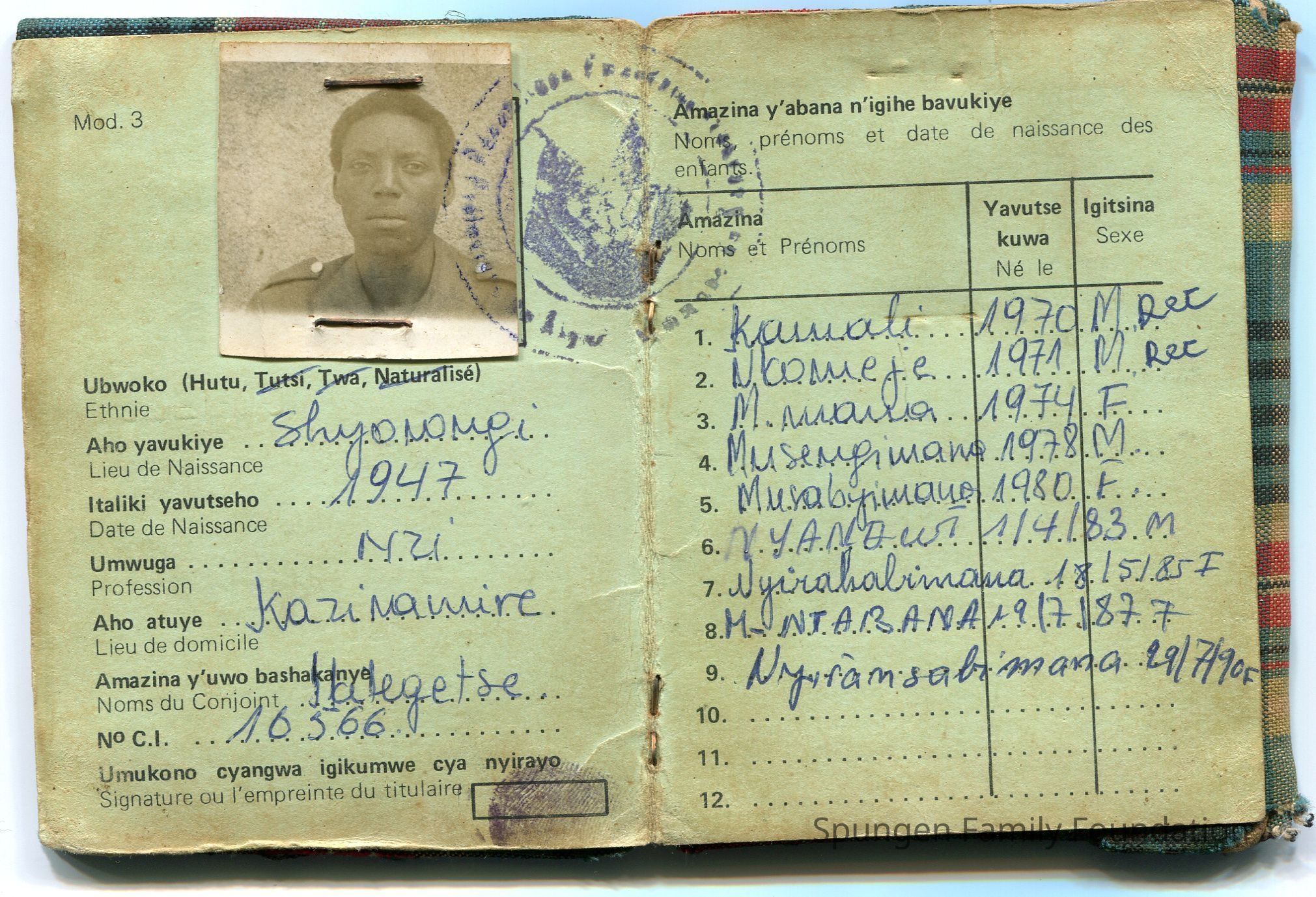
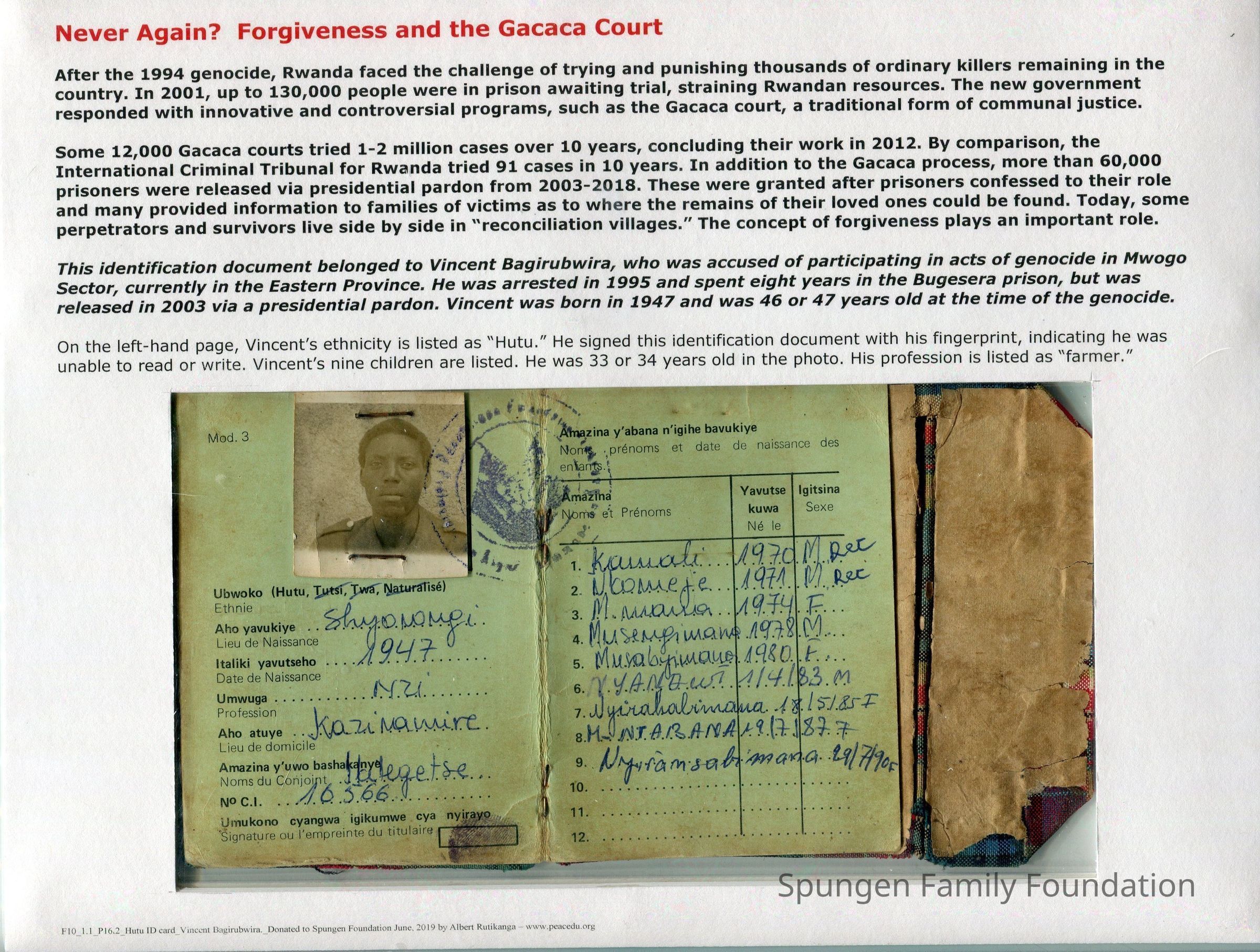
c.1990s, Front side - Identification pass from Vincent Bagirubwira, an accused Hutu perpetrator during the Genocide, 1994.
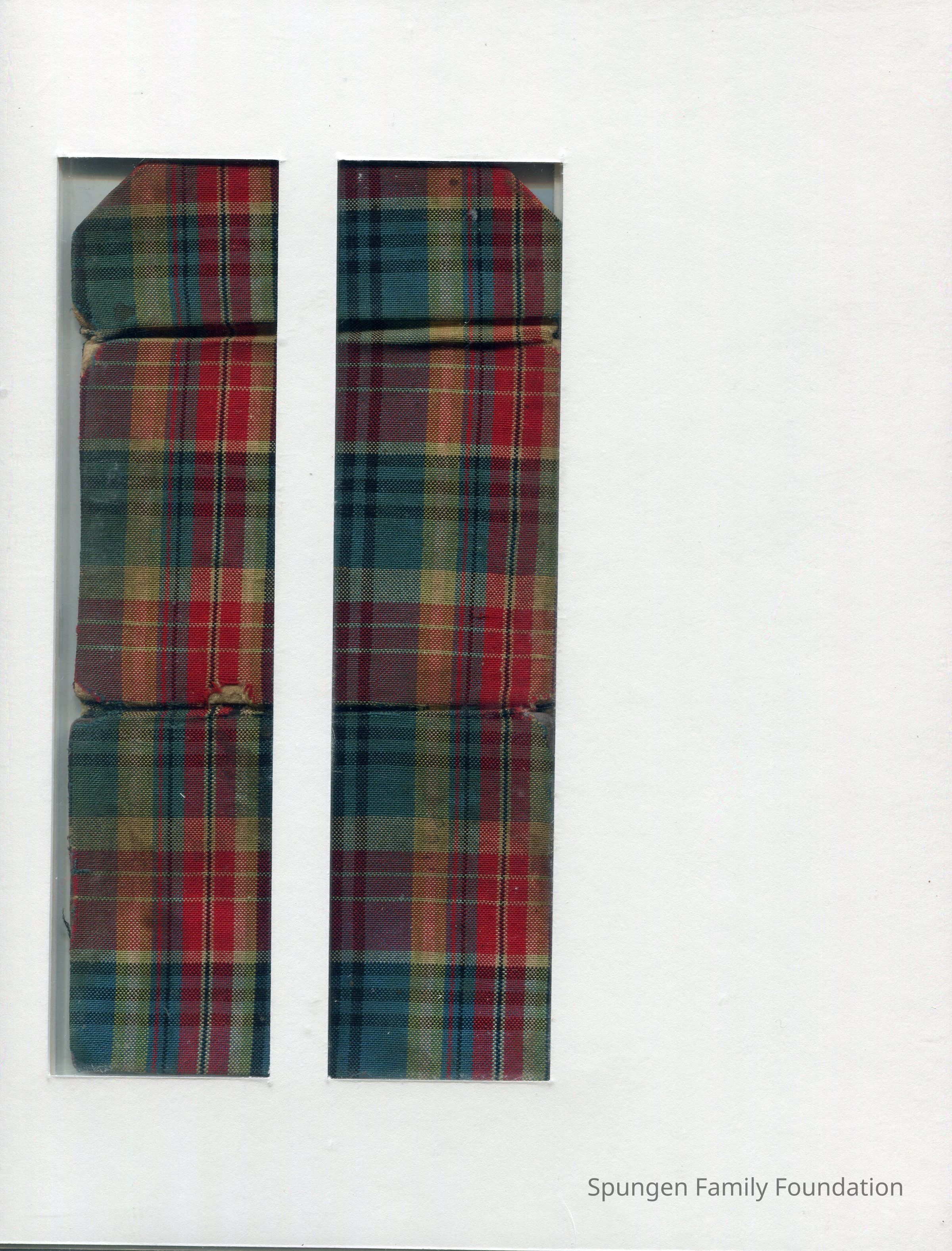
Green paper with printed text and outline in Swahili and French using black ink. Cursive handwriting in blue ink exhibited overall. At the top left is a black-and-white photograph depicting Vincent Bagirubwira facing forward. He is wearing an army issued dress shirt. He has a short, dark haircut. At the right, the tan paper and pattern cover adhered to a firm cardstock. At the center bottom, a fingerprint in black ink is present.
Name/Title
Never Again? Forgiveness and the Gacaca CourtScope and Content
c.1990s, identification pass from Vincent Bagirubwira, an accused Hutu perpetrator during the Genocide, 1994.Context
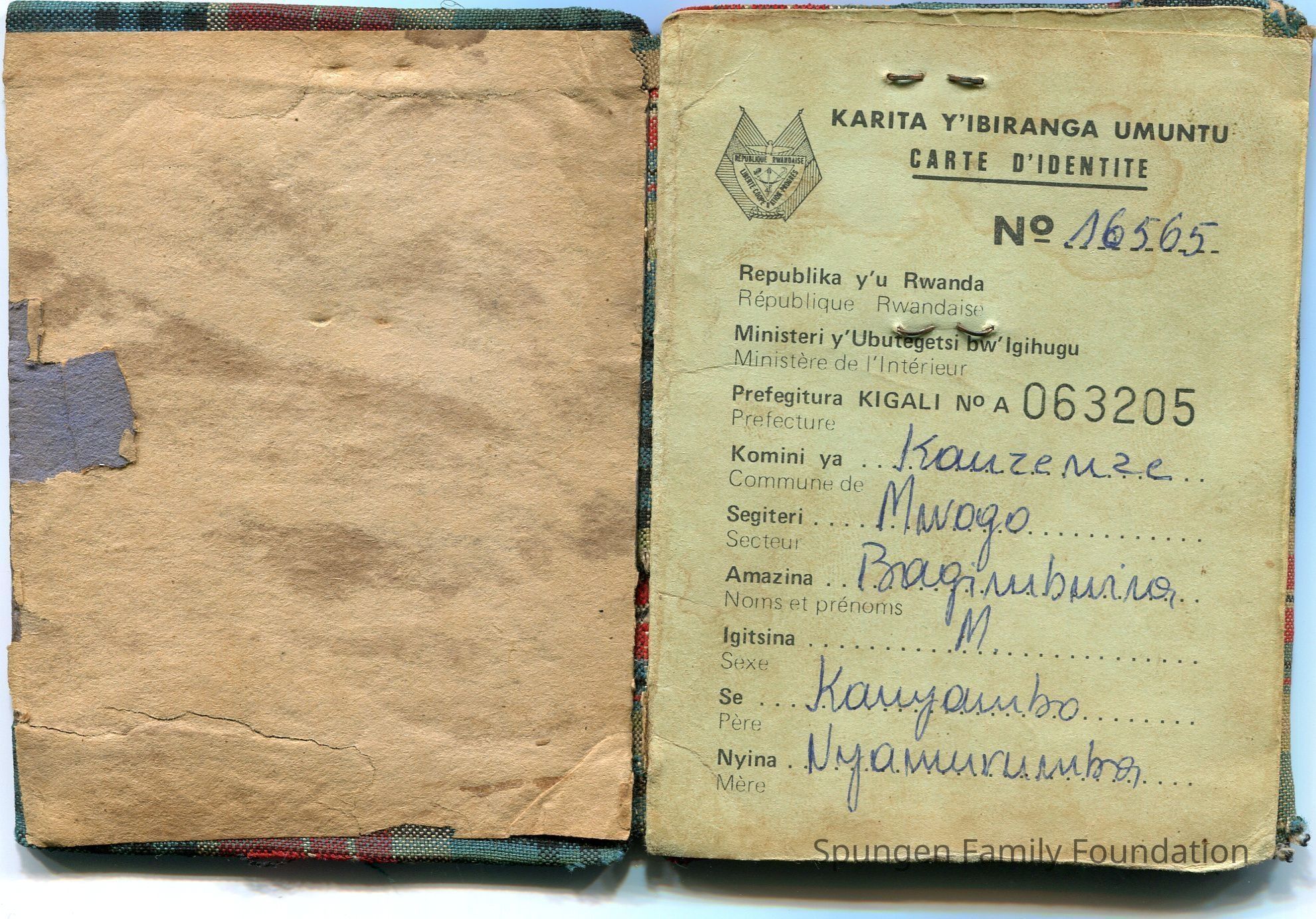
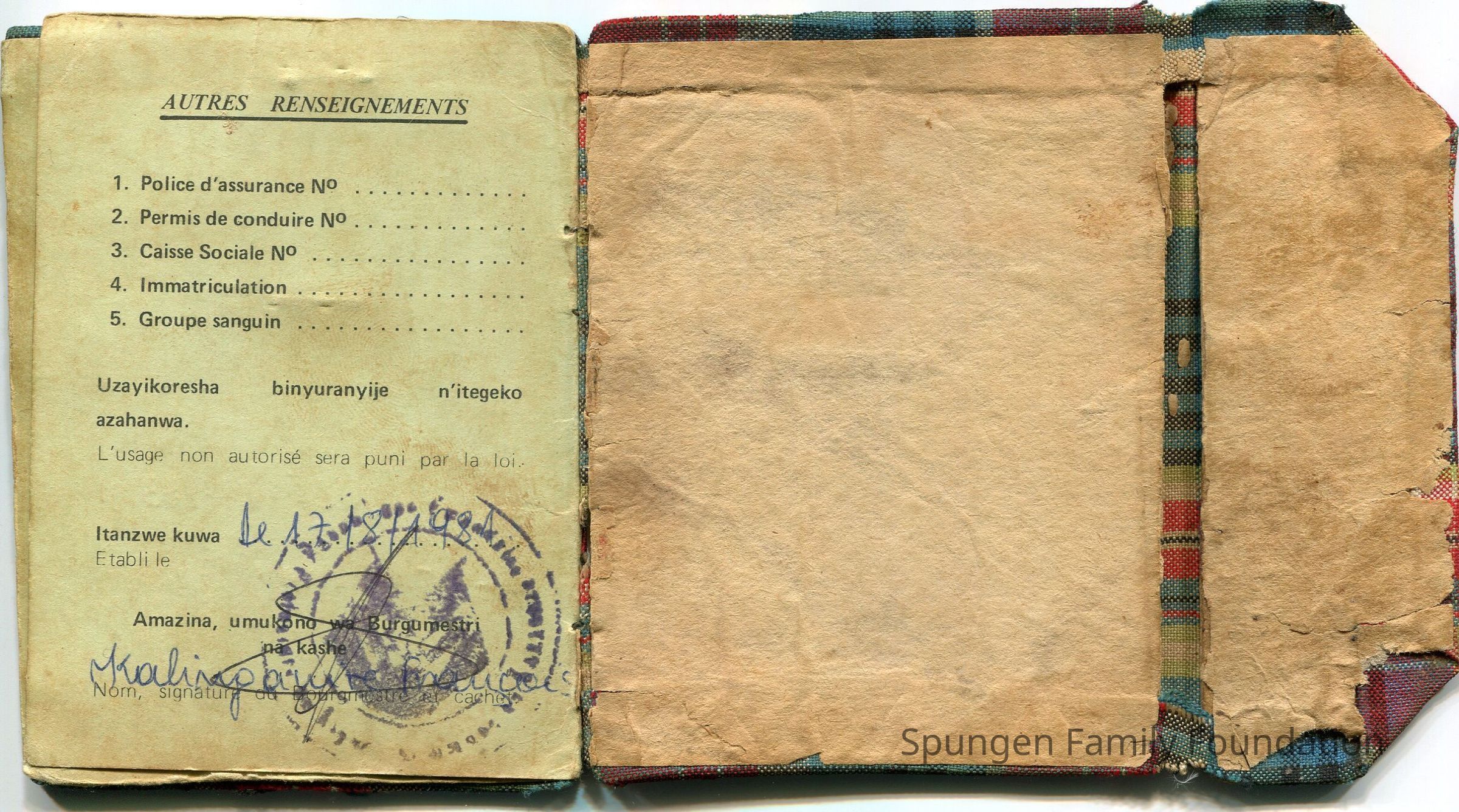
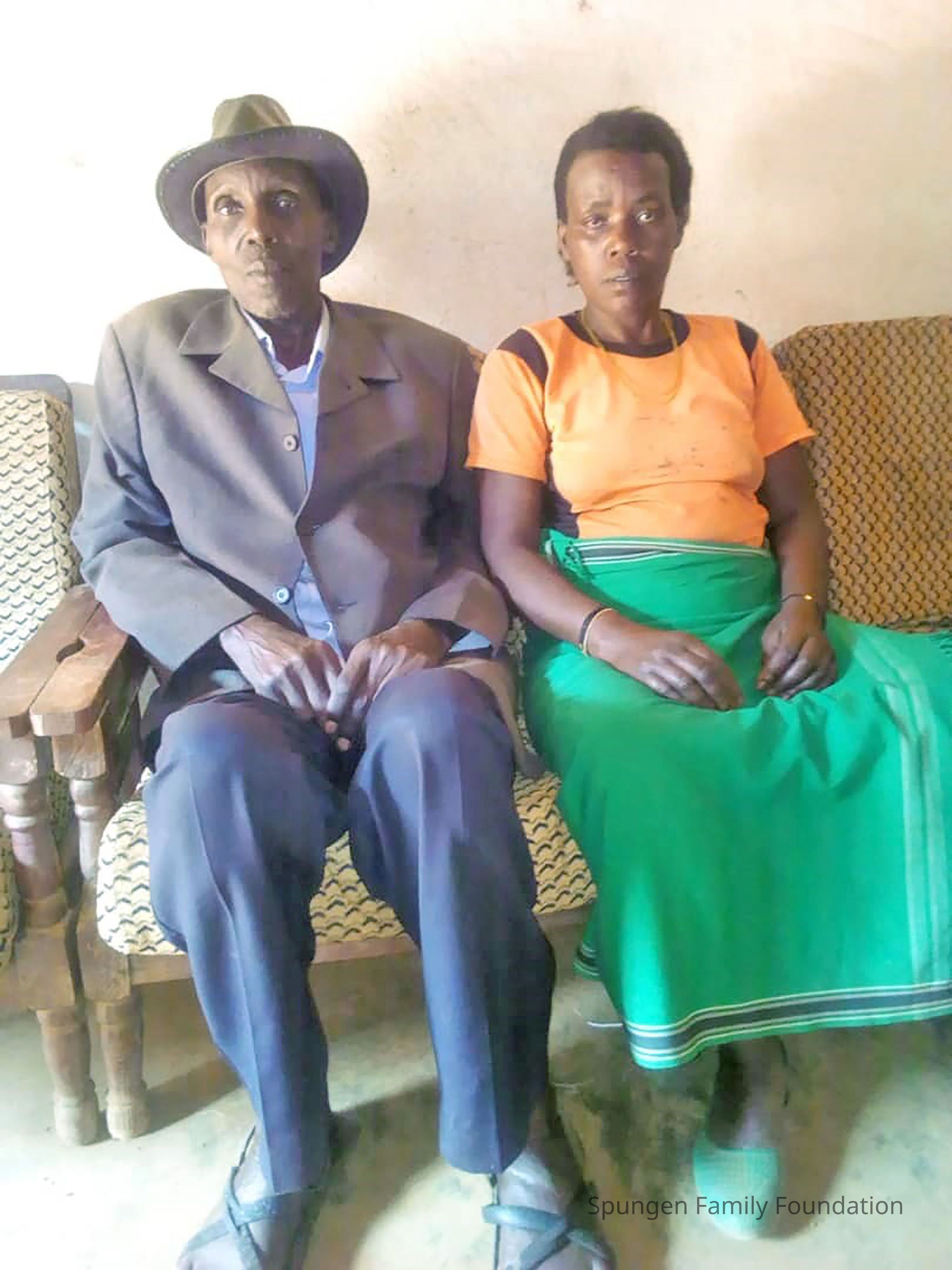
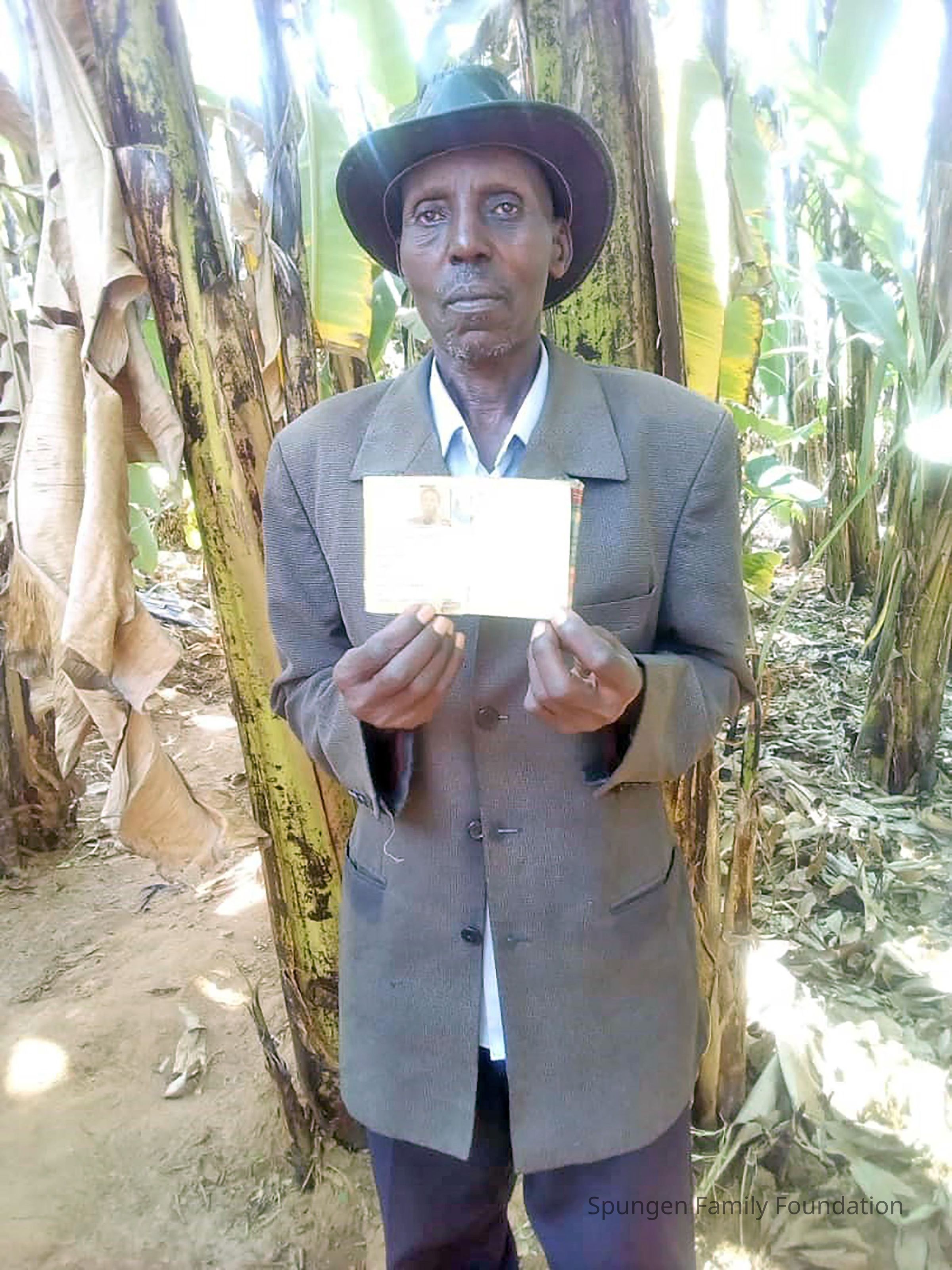
In the years after the genocide, Rwanda wrestled with the challenges of arresting, imprisoning, and putting on trial the thousands of ordinary killers who remained in the country. In 2001, up to 130,000 people were being held in Rwandan prisons awaiting trial. Faced with such a strain on its resources, the new government implemented innovative and controversial programs to work alongside the International Criminal Tribunal for Rwanda (ICTR). One such program was the Gacaca court, a traditional form of communal justice loosely translated as “justice amongst the grass.” Some 12,000 Gacaca courts tried over 1.2 million cases, concluding their work in 2012. By comparison, the ICTR concluded its work in 2015, convicting only 93 individuals. The Gacaca courts created a process for more than 60,000 prisoners being pardoned and released between 2003-2018. These were granted after prisoners confessed to their role and many provided information to families of victims as to where the remains of their loved ones could be found. Today, some perpetrators and survivors live side by side in “reconciliation villages.” The concept of forgiveness plays an important role. This identification document belonged Vincent Bagirubwira, who was accused of being involved in acts of genocide that took place in Mwogo Sector, formerly Kanzenze commune, which is currently in the Bugesera District, Eastern Province of Rwanda. He was arrested in 1995 and spent eight years in the Bugesera prison, but was released in 2003 via a presidential pardon. Vincent was born in 1947 into a religious Pentecostal family and was 46 or 47 years old at the time of the genocide. On the first line of the left-hand page, Vincent’s ethnicity is listed as “Hutu.” Vincent signed this four-page identification document with his fingerprint, indicating he was unable to read or write. Vincent lists his nine children, one of whom died after the genocide. The identification document was delivered on August 17, 1981 – he was 33 or 34 years old in the photo. Vincent’s profession is listed as “farmer.”Collection
The Rwandan GenocideCategory
Identification Card
Philatelic Material